Unveiling the Elusive Sora: A Comprehensive Guide
The Sora, a small, secretive marsh bird, often goes unnoticed despite its wide distribution. This guide delves into the fascinating world of the Sora, exploring its habitat, behavior, life cycle, and ecological role. From identifying features to conservation concerns, this article provides a detailed look at this captivating creature.
What is a Sora? Basic Identification and Characteristics
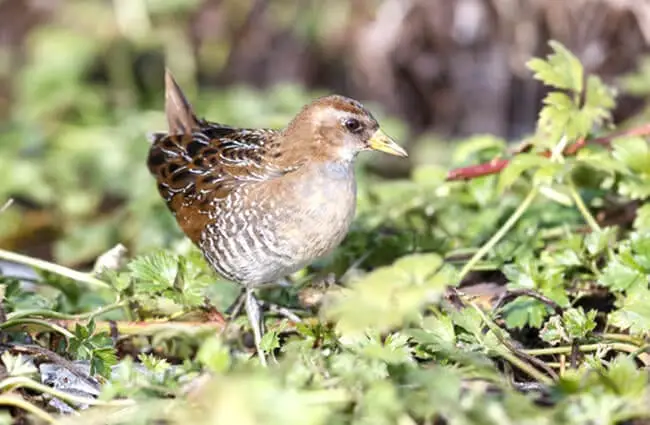
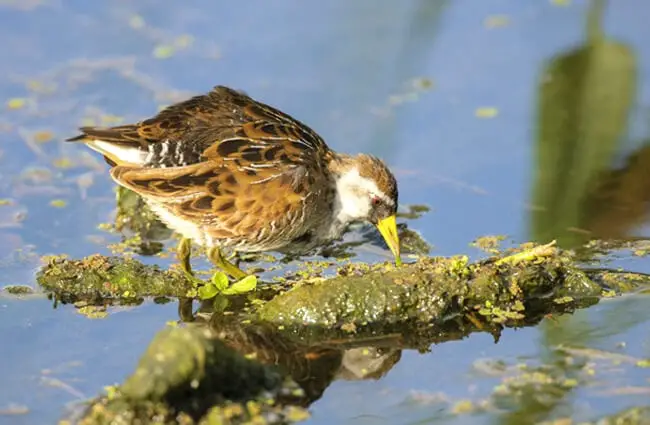
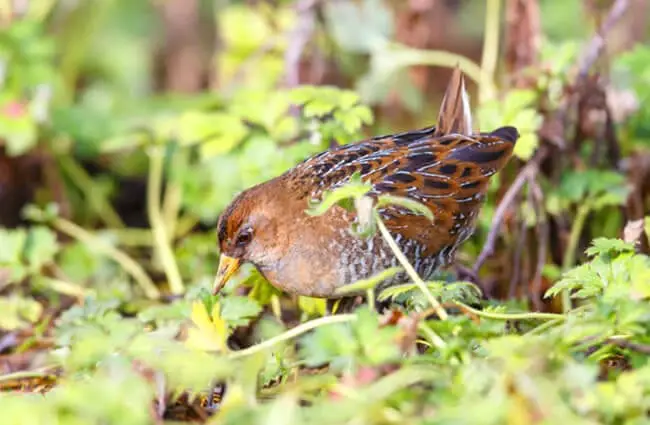
The Sora Porzana carolina belongs to the rail family Rallidae. These birds are characterized by their small size, typically measuring between 8 to 9.5 inches in length, with a wingspan of around 12 to 16 inches. They are easily distinguished by their short, stout bills, strong legs, and a characteristic red lore – a small patch of red skin above the eye. Plumage is complex, exhibiting a mottled pattern of dark brown, chestnut, and black, with contrasting white markings on the wings and belly. This camouflage provides exceptional cover within the dense vegetation of their wetland habitats. They have laterally compressed bodies, enabling them to navigate through thick reeds and marsh grasses with ease.
Habitat and Distribution: Where Does the Sora Live?
Soras exhibit a broad geographic range, breeding across much of North America. In North America, their breeding range extends from southwestern Canada through the United States and into Mexico. They are migratory birds, spending winters in Central and South America and along the Gulf Coast of the United States. Their preferred habitat is freshwater marshes, swamps, wet meadows, and other wetlands with abundant emergent vegetation. They require areas with relatively shallow water and dense cover for nesting and foraging. The presence of both open water and areas of dense vegetation is crucial for their survival. Soras can adapt to both natural and man-made wetlands, including rice paddies and managed impoundments. However, habitat loss and degradation remain significant threats to their populations.
Diet and Foraging Behavior: What Does a Sora Eat?
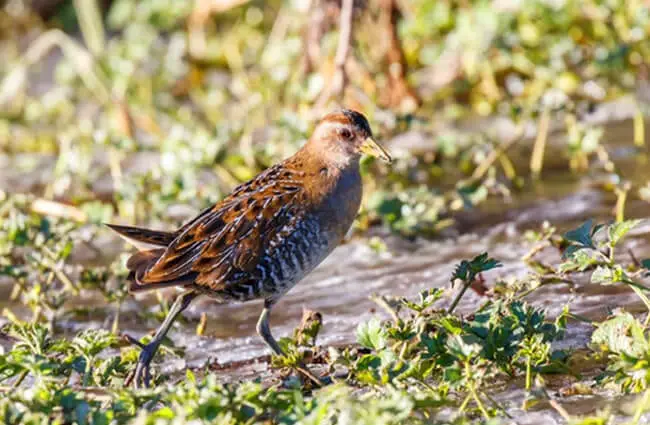
Soras are opportunistic omnivores, with a diet that varies depending on the season and availability of food. They primarily feed on invertebrates such as insects, snails, crustaceans, and worms. During the breeding season, invertebrates form the bulk of their diet, providing essential protein for egg production and chick development. They also consume seeds, grains, and vegetation, especially during the fall and winter months. Soras forage in dense vegetation, probing with their bills to locate prey. They are adept at navigating through thick reeds and grasses, often moving stealthily to avoid detection. They will also wade in shallow water, searching for food among the submerged vegetation.
Reproduction and Life Cycle: From Nesting to Fledging
Soras are generally monogamous, although pair bonds may not last for life. They typically breed during the spring and summer months, with nesting season varying depending on latitude and local conditions. Nests are constructed on the ground, concealed within dense vegetation, often amongst cattails, bulrushes, or other emergent plants. The nest is a shallow cup made of grasses, reeds, and other plant material. Clutch size typically ranges from 4 to 10 eggs, which are creamy white to pale buff, often speckled with brown. Both parents incubate the eggs for approximately 19 to 22 days. Once hatched, the chicks, known as precocial young, are covered in down and are able to walk and feed themselves shortly after hatching. However, they remain under the care of their parents for several weeks, receiving protection and guidance. Young Soras fledge, or leave the nest, at around 28 to 35 days old.
Ecological Role and Interactions
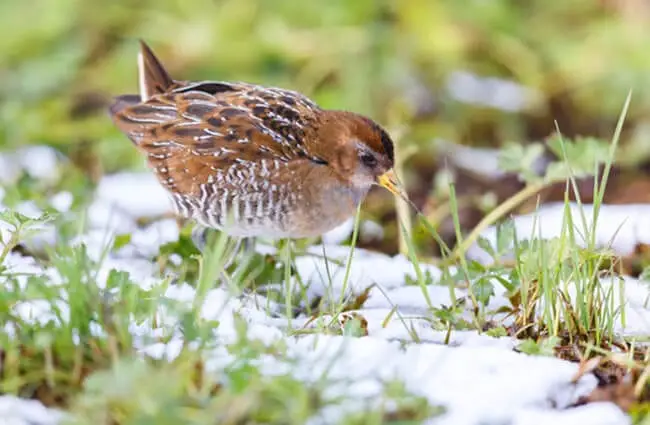
Soras play an important role in wetland ecosystems. As insectivores and herbivores, they help regulate populations of invertebrates and plants. They also serve as prey for a variety of predators, including hawks, owls, foxes, raccoons, and snakes. Soras often coexist with other rail species, such as the Virginia Rail, with which they sometimes hybridize. They compete with other waterfowl and wading birds for food and nesting sites. Their presence indicates a healthy wetland ecosystem and their decline can be a warning sign of environmental degradation.
Sora and Human Interaction
Historically, Soras were hunted for food, particularly in the eastern United States. However, hunting pressure has declined in recent years. The primary threat to Sora populations today is habitat loss and degradation, due to wetland drainage, agricultural expansion, and urbanization. Climate change also poses a significant threat, as rising sea levels and increased frequency of extreme weather events can damage or destroy wetland habitats. Conservation efforts are focused on protecting and restoring wetlands, promoting sustainable land management practices, and raising awareness about the importance of Sora conservation.
Sora: Advanced Information for Zoologists and Enthusiasts
Evolutionary History
The evolutionary history of the Sora, like other rails, is complex and not fully understood. Rails are an ancient bird family, with fossil records dating back to the Eocene epoch. The Sora’s lineage likely diverged from other rail species millions of years ago. The laterally compressed body shape and adaptations for navigating dense vegetation suggest a long history of inhabiting wetland environments. Genetic studies are ongoing to further elucidate the evolutionary relationships within the rail family.
Detailed Habitat Requirements
Soras demonstrate a preference for wetlands with specific characteristics. Water depth should generally be less than 12 inches, providing ample foraging opportunities. Vegetation height and density are crucial, offering cover from predators and suitable nesting sites. Soras also benefit from a diverse plant community, providing a variety of food sources and nesting materials. Water quality is another important factor, as Soras are sensitive to pollutants and toxins.
Vocalization and Communication
Soras are known for their distinctive vocalizations, which are used for a variety of purposes, including attracting mates, defending territories, and maintaining contact with other individuals. Their most common call is a series of rapid, descending notes, often described as a “pur-witt” or “whee-whee.” They also use a variety of other calls, including chirps, clucks, and squeals. Vocalizations play an important role in Sora communication and social behavior.
Captive Care Considerations
When caring for Soras in captivity, it is essential to provide a spacious enclosure with a substrate of mud, peat moss, or other absorbent material. The enclosure should contain a shallow pool of water for bathing and foraging. A dense cover of vegetation should be provided, offering shelter and security. Soras require a varied diet consisting of insects, snails, seeds, and vegetation. Regular health checks and veterinary care are essential to ensure their well-being. It is also important to provide opportunities for them to exhibit natural behaviors, such as foraging, preening, and vocalizing.
Encountering a Sora in the Wild: A Guide for Hikers
If you encounter a Sora while hiking, observe it from a distance. Avoid approaching or disturbing the bird, especially during nesting season. Do not attempt to feed or handle the bird. If the bird appears injured or distressed, contact a local wildlife rehabilitation center. Remember that Soras are secretive birds, and are easily startled by human presence.
The Sora, though often elusive, is a vital component of wetland ecosystems. Understanding its biology, behavior, and conservation needs is crucial for ensuring its survival in a changing world.
![Closeup of a beautiful Red Angus cowPhoto by: U.S. Department of Agriculture [pubic domain]https://creativecommons.org/licenses/by/2.0/](https://animals.net/wp-content/uploads/2020/03/Red-Angus-4-238x178.jpg "Red Angus")
![Closeup of a beautiful Red Angus cowPhoto by: U.S. Department of Agriculture [pubic domain]https://creativecommons.org/licenses/by/2.0/](https://animals.net/wp-content/uploads/2020/03/Red-Angus-4-100x75.jpg "Red Angus")