Often misunderstood and frequently feared, the tick is a creature of remarkable biological complexity and ancient lineage. Far from being mere nuisances, these tiny arachnids play a significant, albeit sometimes problematic, role in ecosystems worldwide. This exploration delves into the fascinating world of ticks, uncovering their biology, behavior, ecological impact, and their intricate relationship with humans, offering insights for everyone from the curious nature enthusiast to the aspiring zoologist.
What Exactly is a Tick?
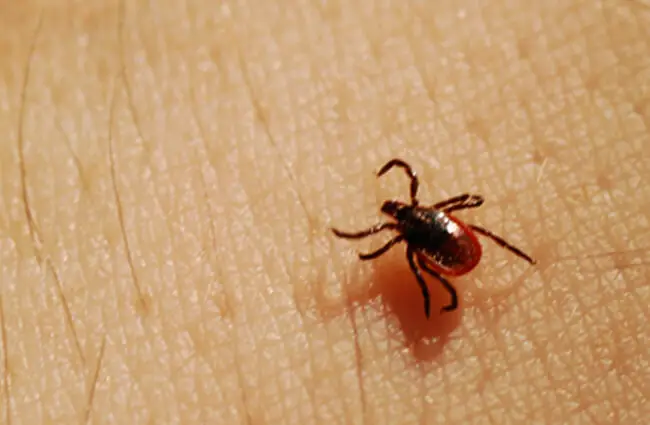
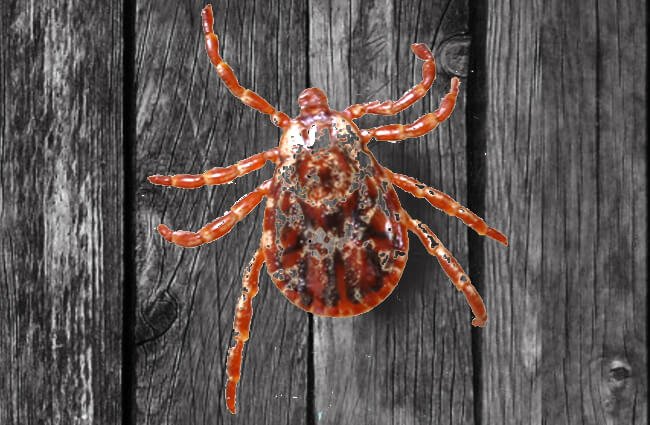
Despite their common association with insects, ticks are not insects at all. They belong to the class Arachnida, making them cousins to spiders, scorpions, and mites. Like their arachnid relatives, adult ticks possess eight legs, a segmented body, and lack antennae. They are obligate hematophagous ectoparasites, meaning they must feed on blood to survive and develop, living on the exterior of their hosts.
A Glimpse at Tick Diversity
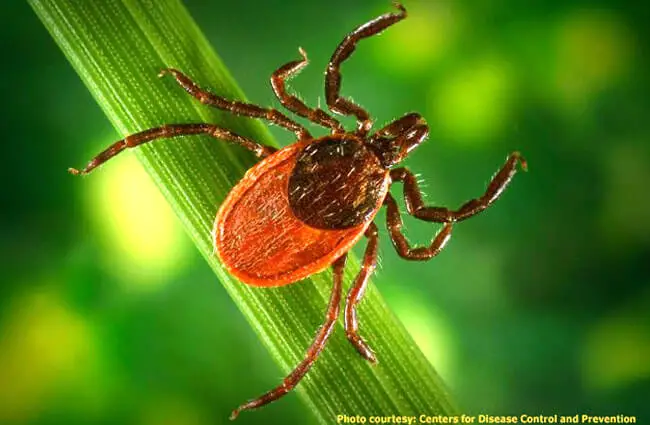
The world of ticks is diverse, encompassing over 900 known species. These are broadly categorized into two main families: Ixodidae, the hard ticks, and Argasidae, the soft ticks. Hard ticks are characterized by a rigid dorsal shield, or scutum, which covers the entire back of the male but only a small portion behind the head in females. Soft ticks, conversely, lack this scutum and have a more leathery, wrinkled appearance, with their mouthparts typically hidden underneath their body when viewed from above. Examples include the notorious deer tick (Ixodes scapularis), a hard tick known for transmitting Lyme disease, and the fowl tick (Argas persicus), a soft tick that parasitizes birds.
Tick Habitats: Where to Find These Tiny Travelers
Ticks are remarkably adaptable creatures, found in a vast array of environments across the globe, from dense forests to urban parks, and even deserts. Their primary requirement is access to hosts and suitable microclimates that offer humidity and shelter. They thrive in areas with tall grasses, brush, leaf litter, and wooded edges, where they can easily latch onto passing animals or humans. Different species have preferences, for instance, the American dog tick (Dermacentor variabilis) prefers grassy fields and light brush, while the blacklegged tick (deer tick) favors deciduous forests.
For an animal lover or aspiring zoologist seeking to observe ticks in their natural environment, focusing on these types of habitats during warmer months is key. Ticks do not jump or fly; instead, they employ a strategy called “questing.” They climb onto vegetation, extending their front legs, waiting patiently for a host to brush by. Observing this behavior requires keen eyes and patience, often involving careful examination of leaf litter or tall grass edges. Remember to always take precautions when entering tick-prone areas.
The Tick Life Cycle: A Journey of Transformation
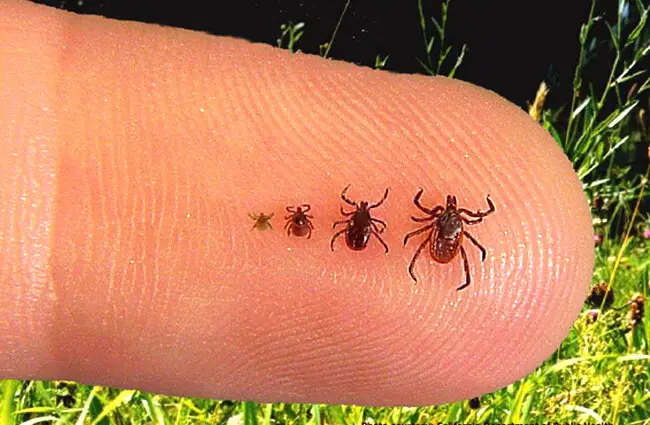
The life cycle of a tick is a complex, multi-stage process, typically spanning two to three years and requiring multiple blood meals. Most hard ticks undergo four distinct stages: egg, larva, nymph, and adult. Soft ticks generally have more nymphal stages.
- Egg: A female tick, after a successful blood meal, lays thousands of eggs in a sheltered location, often in leaf litter.
- Larva (Seed Tick): Upon hatching, the six-legged larva seeks its first host, usually a small mammal or bird. After feeding, it detaches and molts into a nymph.
- Nymph: The eight-legged nymph seeks a second host, which can be larger than the first. After feeding, it detaches and molts into an adult. This stage is particularly dangerous for disease transmission due to its small size, making it difficult to detect.
- Adult: The adult tick seeks its final host, often a larger mammal. Males and females typically mate on the host. The female then takes a large blood meal, detaches, and lays her eggs, completing the cycle.
Each stage requires a blood meal to progress to the next, making ticks obligate parasites throughout their active lives. The timing of these stages can vary significantly depending on the species and environmental conditions.
The Tick’s Diet: A Blood-Sucking Specialist
Ticks are exclusively hematophagous, meaning their sole diet consists of blood. They are highly specialized feeders, equipped with unique mouthparts designed for piercing skin and extracting blood. The feeding process is intricate:
- A tick first locates a suitable host, often by detecting carbon dioxide, body heat, and vibrations.
- It then uses its chelicerae, a pair of cutting appendages, to slice through the host’s skin.
- The hypostome, a barbed, harpoon-like structure, is then inserted, anchoring the tick firmly in place.
- Saliva, containing anticoagulants, anesthetics, and anti-inflammatory agents, is injected to prevent clotting, numb the bite site, and suppress the host’s immune response, allowing the tick to feed undisturbed for days or even weeks.
The amount of blood consumed can be substantial relative to the tick’s size. An engorged female hard tick can increase her body weight by hundreds of times, storing the energy needed for egg production.
Ticks and Humans: Prevention and Interaction
The interaction between ticks and humans is primarily one of avoidance and concern, largely due to the ticks’ role as vectors for various pathogens. For hikers and outdoor enthusiasts, understanding how to prevent tick bites and what to do if one is found is crucial.
Preventing Tick Bites
- Dress Appropriately: Wear long pants and long-sleeved shirts when in tick-prone areas. Tuck pants into socks or boots.
- Use Repellents: Apply EPA-approved insect repellents containing DEET, picaridin, IR3535, oil of lemon eucalyptus (OLE), para-menthane-diol (PMD), or 2-undecanone. Treat clothing and gear with permethrin.
- Stay on Trails: Avoid walking through tall grass, brush, and leaf litter.
- Perform Tick Checks: After spending time outdoors, thoroughly check your body, clothing, and gear for ticks. Pay close attention to hair, ears, armpits, navel, waist, and behind the knees.
- Shower Promptly: Showering within two hours of coming indoors can help wash off unattached ticks.
Tick Removal
If a tick is found attached, prompt and proper removal is essential to minimize the risk of disease transmission.
- Use fine-tipped tweezers to grasp the tick as close to the skin’s surface as possible.
- Pull upward with steady, even pressure. Do not twist or jerk the tick, as this can cause the mouthparts to break off and remain in the skin.
- After removing the tick, clean the bite area and your hands thoroughly with rubbing alcohol or soap and water.
- Dispose of a live tick by putting it in alcohol, placing it in a sealed bag or container, wrapping it tightly in tape, or flushing it down the toilet.
Monitor the bite site for several weeks for any signs of rash or fever. Consult a healthcare provider if symptoms develop.
The Evolutionary Journey of Ticks
Ticks are ancient arachnids with a deep evolutionary history, predating many modern mammals and birds. Fossil evidence suggests ticks have been around for at least 90 to 100 million years, with some amber fossils showing ticks preserved alongside dinosaur feathers. This indicates that early ticks likely parasitized dinosaurs and other reptiles long before they adapted to feeding on mammals and birds. Their remarkable persistence through geological time speaks to their highly successful parasitic lifestyle and adaptability.
Mating and Reproduction: A Delicate Dance
The reproductive process in ticks is a fascinating and often intricate affair. In hard ticks, mating typically occurs on the host animal. The male tick, after finding a feeding female, will crawl onto her scutum and initiate copulation. He uses his mouthparts to stimulate the female’s genital pore, which is located near the mouthparts. He then transfers a spermatophore (a packet of sperm) into her genital opening. The female then detaches from the host, finds a sheltered spot, and lays a single, large clutch of eggs, sometimes numbering in the thousands, before dying.
Soft ticks have a slightly different strategy. Mating can occur off the host, and females lay multiple, smaller clutches of eggs over their lifespan, interspersed with blood meals. This difference in reproductive strategy reflects their distinct feeding patterns and life cycles.
Ticks in the Ecosystem: More Than Just Pests
While often viewed negatively due to their disease-carrying potential, ticks are an integral part of many ecosystems. Their primary contribution is as a food source for various predators, particularly birds, reptiles, and other arthropods. For example, guinea fowl and certain species of birds are known to consume ticks, helping to control their populations naturally. Some parasitic wasps also lay their eggs inside ticks, with the developing wasp larvae eventually killing the tick.
As parasites, ticks also influence host populations by weakening individuals, making them more susceptible to predation or disease. This can contribute to natural selection, favoring hosts with stronger immune responses or better grooming behaviors. Their presence also drives co-evolutionary arms races between parasites and hosts, leading to diverse adaptations on both sides.
Tick-Borne Diseases: A Global Health Challenge
The most significant impact of ticks on humans and animals stems from their role as vectors for a wide array of pathogens, including bacteria, viruses, and protozoa. These diseases pose a substantial public health burden globally.
- Lyme Disease: Caused by the bacterium Borrelia burgdorferi and transmitted primarily by blacklegged ticks (deer ticks). Symptoms include a characteristic “bull’s-eye” rash, fever, fatigue, and if untreated, can lead to joint pain, neurological problems, and heart issues.
- Rocky Mountain Spotted Fever (RMSF): A severe bacterial disease transmitted by American dog ticks, Rocky Mountain wood ticks, and brown dog ticks. Symptoms include fever, headache, and a rash that often starts on the wrists and ankles.
- Anaplasmosis and Ehrlichiosis: Bacterial infections with flu-like symptoms, also transmitted by blacklegged ticks and lone star ticks, respectively.
- Babesiosis: A parasitic disease affecting red blood cells, transmitted by blacklegged ticks, causing fever, chills, and fatigue.
- Tick-Borne Encephalitis (TBE): A viral infection affecting the central nervous system, prevalent in parts of Europe and Asia.
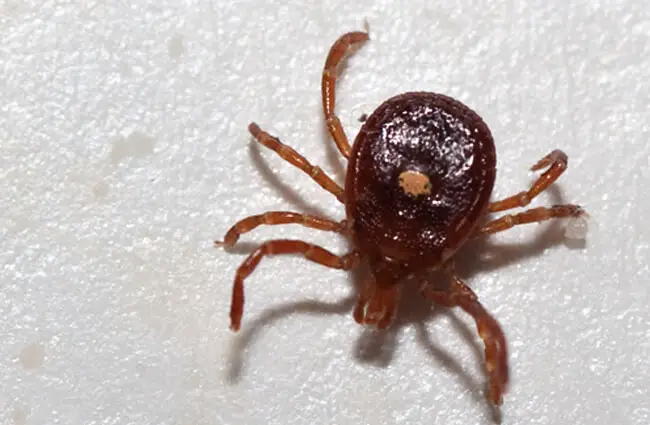
- Alpha-gal Syndrome: Not an infection, but an allergic reaction to red meat triggered by a bite from the lone star tick. The tick’s saliva introduces a sugar molecule called alpha-gal into the person’s system, leading to an allergic response upon consuming red meat.
Understanding the specific tick species in a region and the diseases they transmit is crucial for effective prevention and diagnosis.
Caring for Ticks in Captivity: A Zookeeper’s Perspective
While not typically exhibit animals, ticks may be kept in controlled laboratory or zoological settings for research or educational purposes. Caring for ticks in captivity requires specialized knowledge and strict protocols to ensure both the welfare of the ticks and the safety of personnel.
- Environmental Control: Ticks require specific temperature and humidity ranges, mimicking their natural habitat. This often involves humidifiers, controlled temperature chambers, and substrate like damp filter paper.
- Feeding: Providing blood meals is the most challenging aspect. This can involve artificial feeding membranes or, more commonly, controlled feeding on live hosts (e.g., rabbits, guinea pigs) under strict veterinary supervision and ethical guidelines. The host must be protected from stress and infection.
- Containment: Ticks are masters of escape. Secure, multi-layered containment systems are paramount to prevent ticks from escaping and potentially infesting other animals or staff. This includes sealed containers, sticky barriers, and dedicated insectary rooms.
- Hygiene and Sterilization: Maintaining sterile conditions is vital to prevent fungal or bacterial infections in the tick colony and to avoid contamination of research experiments.
- Life Cycle Management: Zookeepers or researchers must carefully monitor each life stage, ensuring appropriate conditions for molting, feeding, and egg-laying. This includes separating stages to prevent cannibalism or unintended mating.
- Avoidance: Direct handling of ticks should be minimized and always done with appropriate personal protective equipment (PPE), such as gloves and forceps, to prevent bites and potential pathogen exposure.
The goal is to replicate natural conditions as closely as possible while maintaining biosecurity.
Fascinating Facts About Ticks
- Survivalists: Some tick species can survive for incredibly long periods without a blood meal, sometimes several years, patiently waiting for a host.
- Tiny but Mighty: Despite their small size, ticks are incredibly robust. They can withstand harsh environmental conditions and are highly resistant to many pesticides.
- Sensory Superpowers: Ticks possess a specialized organ called Haller’s organ, located on their front legs. This organ detects carbon dioxide, host odors, temperature changes, and vibrations, allowing them to effectively locate potential hosts.
- Cementing In: Many hard ticks secrete a cement-like substance around their mouthparts after attachment, further securing themselves to the host.
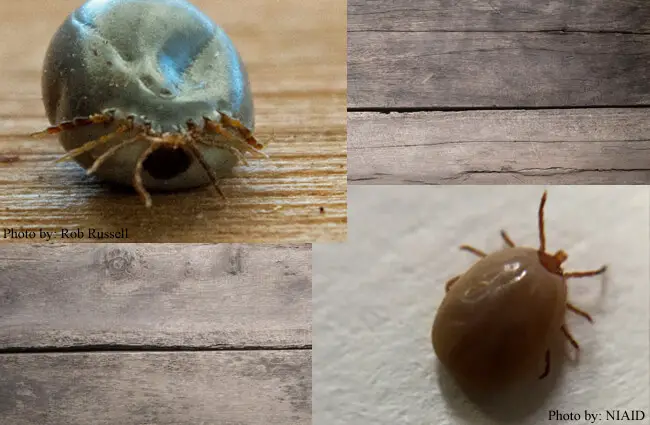
- Color Changers: The color of some tick species can change dramatically after a blood meal, becoming engorged and often turning a grayish-blue.
- Global Reach: Ticks are found on every continent except Antarctica, showcasing their incredible adaptability to diverse climates.
Ticks in Human Culture
While ticks rarely feature as protagonists in folklore or literature, their presence in human culture is undeniable, primarily as symbols of annoyance, disease, and persistent irritation. Phrases like “ticked off” or “as tight as a tick” reflect their tenacious grip and the frustration they can cause. In modern culture, ticks are increasingly discussed in public health campaigns, scientific documentaries, and news reports, highlighting their growing impact on human and animal health, particularly with the expansion of tick-borne disease ranges due to climate change and habitat alteration. They serve as a stark reminder of the intricate and sometimes challenging relationship between humans and the natural world.
Conclusion: Respecting the Resilient Tick
From their ancient origins to their complex life cycles and their significant ecological roles, ticks are far more than just simple parasites. They are highly evolved arachnids, masters of survival, and crucial components of biodiversity. Understanding their biology, behavior, and impact is essential for both public health and ecological awareness. Whether one is a student researching their evolution, an animal lover exploring their habitat, a hiker seeking prevention tips, or a zookeeper managing a captive colony, appreciating the intricate world of the tick fosters a deeper respect for the natural world and its often-overlooked inhabitants.
![Closeup of a beautiful Red Angus cowPhoto by: U.S. Department of Agriculture [pubic domain]https://creativecommons.org/licenses/by/2.0/](https://animals.net/wp-content/uploads/2020/03/Red-Angus-4-100x75.jpg "Red Angus")