
Deep within the emerald heart of the Neotropical rainforests reigns a feathered monarch, a creature of such formidable power and striking beauty that it seems almost mythical. This is the Harpy Eagle, Harpia harpyja, an avian apex predator that commands respect and awe from all who encounter its piercing gaze. Often described as one of the world’s largest and most powerful eagles, its very presence speaks to the wild, untamed spirit of its jungle home.
For centuries, this magnificent raptor has soared through the canopy, a silent hunter perfectly adapted to its dense environment. Its scientific name, Harpia harpyja, is a nod to the Harpies of Greek mythology, fearsome winged spirits, a fitting moniker for an eagle capable of snatching prey weighing as much as a small deer. Understanding the Harpy Eagle is not just about appreciating a single species; it is about understanding the intricate web of life in one of Earth’s most vital ecosystems.
The Majestic Harpy Eagle: An Introduction to a Rainforest Giant
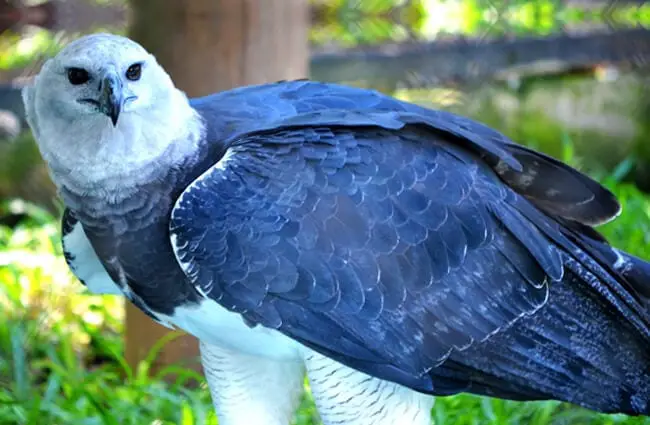
The Harpy Eagle is an unmistakable bird. Its sheer size alone sets it apart. Females are typically larger than males, reaching lengths of up to 108 centimeters (42.5 inches) and boasting wingspans that can exceed 2 meters (6.5 feet). Despite their impressive wingspan, their wings are relatively short and broad, a crucial adaptation for navigating the cluttered forest interior with surprising agility.
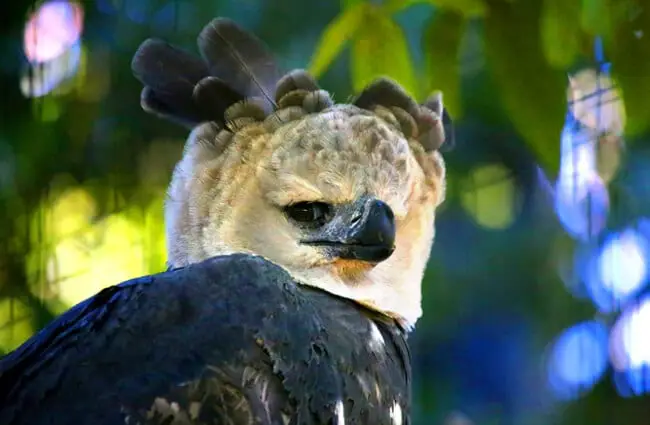
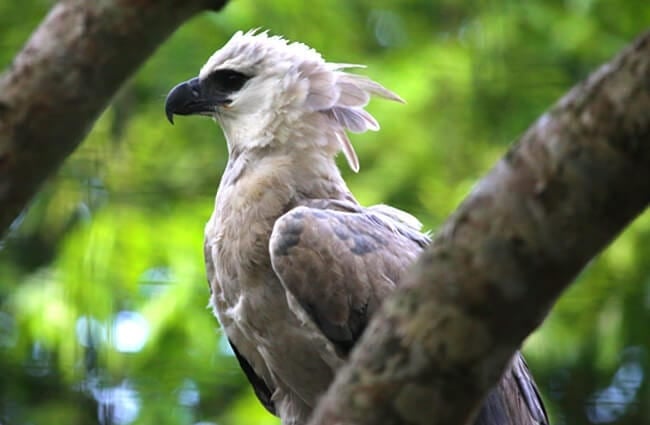
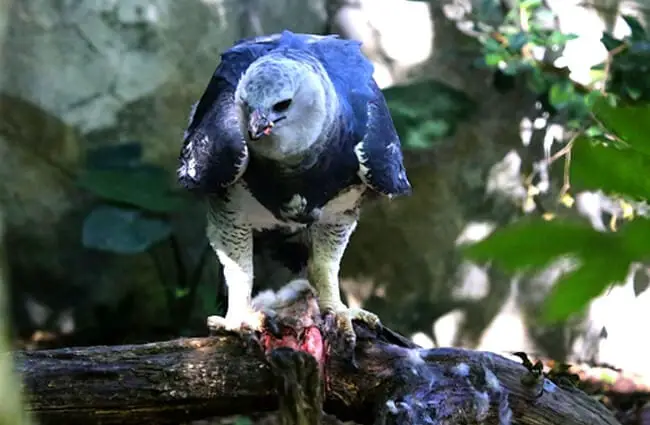
Visually, the Harpy Eagle presents a striking palette of slate-grey, black, and white. Its head is a pale grey, often adorned with a distinctive double crest of feathers that can be raised when the bird is alert or excited, framing its intense, dark eyes. A broad black band crosses its chest, separating its grey head from its pristine white belly. The back and upper wings are a dark, sooty grey or black, contrasting sharply with the barred black and white tail feathers. Its legs are thick and powerful, ending in truly enormous talons, which are perhaps its most iconic feature.
Where the Harpy Eagle Calls Home: Habitat and Range
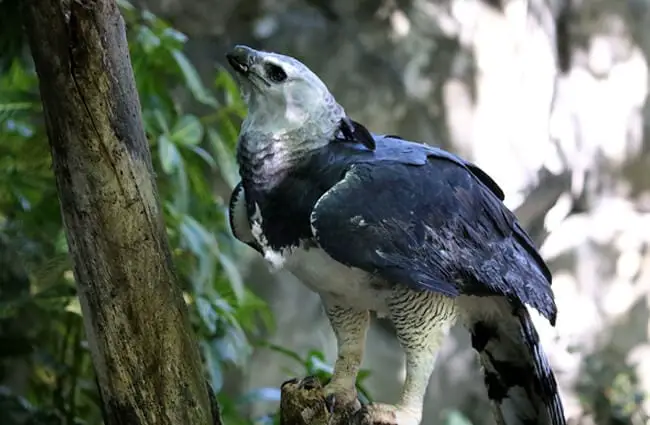
The Harpy Eagle is a true denizen of the Neotropical rainforests. Its geographical range extends from southeastern Mexico, through Central America, and deep into South America, reaching as far south as northern Argentina. However, its distribution is patchy, and populations are often isolated. These magnificent birds require vast tracts of undisturbed, primary lowland rainforest, characterized by towering trees that provide both nesting sites and hunting perches.
They are primarily canopy dwellers, spending most of their lives high in the forest, rarely descending to the forest floor. This arboreal lifestyle is perfectly suited to their hunting strategy, allowing them to ambush prey from above. The dense foliage offers camouflage and a complex three-dimensional hunting ground. Their presence is a strong indicator of a healthy, intact rainforest ecosystem.
What’s on the Menu? The Harpy Eagle’s Diet
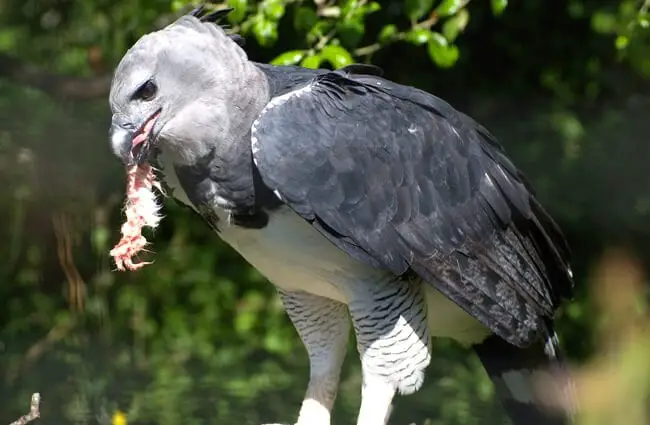
As an apex predator, the Harpy Eagle sits at the very top of its food chain. Its diet consists almost exclusively of arboreal mammals. Sloths, particularly two-toed and three-toed sloths, and various species of monkeys, including capuchins, howlers, and spider monkeys, form the bulk of its prey. These eagles are also known to hunt other tree-dwelling creatures such as opossums, kinkajous, and even large birds like macaws. Occasionally, they may take terrestrial prey like armadillos or porcupines if the opportunity arises, but their primary focus remains the canopy.
Their hunting technique is a masterclass in stealth and power. They often perch silently for long periods, observing their surroundings with keen eyesight. Once prey is spotted, they launch into a swift, powerful dive, using their short, broad wings to maneuver through the trees. The impact is often fatal, with their immense talons delivering a crushing blow that can instantly incapacitate their victims.
A Deeper Dive: The Harpy Eagle’s World
For those seeking a more profound understanding, the Harpy Eagle offers a wealth of fascinating biological and ecological insights.
Physical Characteristics and Adaptations
Beyond their impressive size, several key adaptations enable the Harpy Eagle to thrive in its challenging environment:
- Talons: The most striking feature, Harpy Eagle talons can be up to 13 centimeters (5 inches) long, comparable in size to a grizzly bear’s claws. These are not just sharp; they are incredibly strong, capable of exerting hundreds of pounds per square inch of pressure, allowing them to crush bones and dispatch large prey quickly.
- Crest: The distinctive double crest of feathers on its head is not merely ornamental. It is believed to help direct sound waves to its ears, enhancing its hearing, and may also play a role in communication or display.
- Eyesight: Like most raptors, Harpy Eagles possess exceptionally keen eyesight, estimated to be 4 to 8 times better than that of humans. This allows them to spot camouflaged prey from great distances within the dense canopy.
- Flight: While not built for soaring over open plains like some eagles, their short, rounded wings and long tail provide incredible maneuverability and burst speed, essential for navigating the labyrinthine rainforest.
Mating and Reproduction: A Long-Term Commitment
Harpy Eagles are monogamous, forming long-term pair bonds that can last for many years. Their reproductive cycle is one of the longest among raptors, reflecting the significant investment required to raise such a large and demanding chick.
- Nest Building: Nests are colossal structures, often 1.5 meters (5 feet) wide and 1.2 meters (4 feet) deep, built from large sticks and branches high in the crowns of the tallest emergent trees, sometimes 30 meters (100 feet) or more above the ground. These nests are often reused for many years.
- Clutch Size: Typically, only one or two eggs are laid, but usually only one chick is successfully raised. If two eggs hatch, the older, stronger chick often outcompetes or even kills its younger sibling, a phenomenon known as siblicide.
- Incubation: The female primarily incubates the eggs for approximately 53 to 56 days, while the male provides her with food.
- Parental Care: Once hatched, the chick is entirely dependent on its parents. The female remains with the chick for the first few months, protecting it and feeding it prey brought by the male. As the chick grows, both parents participate in hunting and feeding.
- Fledging and Independence: Chicks fledge, or take their first flight, at around 5 to 6 months of age. However, they remain dependent on their parents for food and protection for another 6 to 10 months, sometimes even longer. This extended period of parental care means that a successful breeding pair can only raise one chick every two to three years. This slow reproductive rate makes them particularly vulnerable to population declines.
Evolutionary History: A Lineage of Power
The Harpy Eagle belongs to the family Accipitridae, which includes most of the diurnal birds of prey such as hawks, kites, and other eagles. Within this family, it is part of the subfamily Harpiinae, which also includes the Crested Eagle and the Philippine Eagle, all known for their immense power and rainforest habitats. Its evolutionary path has sculpted it into a highly specialized predator, perfectly adapted to hunting large arboreal prey in dense tropical forests. Fossil evidence suggests that large, powerful eagles have been a part of Neotropical ecosystems for millions of years, with the Harpy Eagle representing a pinnacle of this evolutionary trajectory.
Harpy Eagles and Their Ecosystem: Keystone Predators
The Harpy Eagle plays a critical role in maintaining the health and balance of its rainforest ecosystem.
Ecological Role: An Apex Predator’s Influence
As an apex predator, the Harpy Eagle exerts top-down control on the populations of its prey species. By hunting sloths and monkeys, it helps to prevent overgrazing or overpopulation of these herbivores, which in turn influences plant communities and forest regeneration. Its presence is a strong indicator of a healthy, biodiverse rainforest. If Harpy Eagle populations decline, it can signal broader ecological imbalances within the ecosystem, making them a valuable indicator species for rainforest health.
Interactions with Other Animals
For adult Harpy Eagles, natural predators are virtually non-existent. Their size, power, and formidable talons deter most potential threats. However, eggs and young chicks in the nest can be vulnerable to predators such as snakes, monkeys, or other arboreal carnivores, though the constant vigilance of the parent eagles makes such predation rare. Their primary interactions are with their prey, a relationship defined by the hunt. Other rainforest inhabitants, from jaguars to smaller birds, recognize the Harpy Eagle as a dominant force in the canopy, often reacting with alarm calls when one is sighted.
Harpy Eagles and Humans: A Complex Relationship
The interaction between Harpy Eagles and human societies is multifaceted, encompassing cultural reverence, conservation challenges, and practical considerations.
Cultural Significance
Throughout its range, the Harpy Eagle holds significant cultural importance. Many indigenous cultures revere the eagle as a symbol of strength, power, and wisdom. Its feathers are sometimes used in ceremonial dress, and its image appears in folklore and art. In Panama, the Harpy Eagle is proudly designated as the national bird, a powerful emblem of the nation’s rich biodiversity and natural heritage.
Conservation Challenges and Human Impact
Despite its formidable nature, the Harpy Eagle faces severe threats, primarily due to human activities. It is currently classified as Near Threatened by the IUCN, with some regional populations being critically endangered.
- Habitat Loss: The most significant threat is the rapid deforestation of the Amazon and other Neotropical rainforests for agriculture, logging, and infrastructure development. As their primary forest habitat shrinks and becomes fragmented, Harpy Eagle populations decline.
- Hunting: Historically, Harpy Eagles have been hunted, sometimes out of fear, sometimes for their feathers, or occasionally by ranchers who mistakenly believe they prey on livestock. While illegal in many areas, this practice still occurs.
- Slow Reproduction: Their naturally slow reproductive rate means that populations are slow to recover from declines, making them particularly vulnerable to human pressures.
Encountering a Harpy Eagle in the Wild: What to Do
For the dedicated animal lover or aspiring zoologist hoping to spot a Harpy Eagle in its natural habitat, patience and respect are paramount. These birds are elusive and often found in remote, protected areas. If you are fortunate enough to encounter one:
- Maintain Distance: Always observe from a respectful distance. Harpy Eagles are wild animals and should not be approached. Use binoculars or a telephoto lens for viewing.
- Be Quiet and Still: Minimize noise and sudden movements to avoid disturbing the bird.
- Do Not Interfere: Never attempt to feed, call to, or interact with the eagle in any way. Interference can habituate wildlife to humans, which is detrimental to their survival.
- Respect Their Space: If you are near a nest, be extra cautious. Parental eagles can be protective, though attacks on humans are exceedingly rare. Your presence should not cause them stress or alter their natural behavior.
- Support Conservation: The best way to “find” a Harpy Eagle is to support the conservation efforts that protect their habitats.
Harpy Eagles in Captivity: Zookeeper Responsibilities
Caring for a Harpy Eagle in a zoological setting is a demanding but rewarding task, requiring specialized knowledge and dedication. Zookeepers play a vital role in conservation, education, and sometimes breeding programs.
- Enclosure Design:
- Provide a spacious, tall enclosure that mimics their natural arboreal environment, with plenty of strong perches at varying heights.
- Ensure adequate climbing structures and opportunities for flight.
- The enclosure must be secure to prevent escape and protect the bird from external threats.
- Diet:
- Offer a varied diet of whole prey items, such as rabbits, guinea pigs, rats, and chickens, to meet their nutritional needs.
- Supplement with appropriate vitamins and minerals as advised by veterinary staff.
- Monitor food intake and body condition closely.
- Enrichment:
- Provide environmental enrichment to stimulate natural behaviors, such as puzzle feeders, novel perching materials, and different scents.
- Rotate enrichment items regularly to prevent boredom.
- Veterinary Care:
- Regular health checks are crucial, including weight monitoring, physical examinations, and fecal analyses.
- Be prepared for specialized raptor veterinary care, including talon and beak maintenance if necessary.
- Behavioral Observation:
- Closely observe the eagle’s behavior for any signs of stress, illness, or changes in temperament.
- Understand individual personalities and preferences.
- What to Avoid:
- Stress: Minimize sudden loud noises, excessive human traffic, and unpredictable changes in their environment.
- Improper Diet: Avoid processed foods or an unvaried diet, which can lead to nutritional deficiencies.
- Small Enclosures: Inadequate space can lead to physical and psychological problems.
- Over-handling: Unless for medical reasons, minimize direct handling to reduce stress and maintain their wild instincts.
A Huge List of Interesting Facts About the Harpy Eagle
Here are some captivating tidbits that highlight the unique nature of the Harpy Eagle:
- The Harpy Eagle is the largest and most powerful raptor in the Americas, and one of the largest in the world.
- Its talons are larger than a grizzly bear’s claws and can exert immense crushing pressure, capable of breaking bones.
- Female Harpy Eagles are significantly larger than males, a common trait among raptors called reverse sexual dimorphism.
- They have excellent hearing, aided by their facial disc feathers, which can be raised to funnel sound to their ears.
- Harpy Eagles can lift prey weighing up to their own body weight, though they typically carry prey half their weight or less.
- Their diet consists almost entirely of arboreal mammals, making them highly specialized hunters of the rainforest canopy.
- The Harpy Eagle is the national bird of Panama.
- They have one of the slowest reproductive rates among birds, raising only one chick every two to three years.
- Their nests are enormous, often reused for decades, and can be found high in emergent trees.
- Despite their size, they are incredibly agile flyers within the dense forest, thanks to their short, broad wings and long tail.
- Their scientific name, Harpia harpyja, refers to the Harpies of Greek mythology, mythical winged creatures.
- The Harpy Eagle is an indicator species, meaning its presence signifies a healthy, intact rainforest ecosystem.
- They can live for 25 to 35 years in captivity, and likely around 20-25 years in the wild.
Conclusion: Guardians of the Canopy
The Harpy Eagle stands as a magnificent testament to the power and beauty of the natural world. As a vital apex predator, it plays an indispensable role in maintaining the ecological balance of the Neotropical rainforests. Its striking appearance, incredible strength, and specialized adaptations make it a truly iconic species, captivating the imagination of scientists, conservationists, and nature enthusiasts alike.
However, the future of this majestic bird hangs in the balance, threatened by habitat destruction and human encroachment. Protecting the Harpy Eagle means protecting the vast, complex ecosystems it inhabits, ensuring that these guardians of the canopy continue to soar for generations to come. Their survival is a measure of our commitment to preserving the wild heart of our planet.
![Closeup of a beautiful Red Angus cowPhoto by: U.S. Department of Agriculture [pubic domain]https://creativecommons.org/licenses/by/2.0/](https://animals.net/wp-content/uploads/2020/03/Red-Angus-4-238x178.jpg "Red Angus")



![Closeup of a beautiful Red Angus cowPhoto by: U.S. Department of Agriculture [pubic domain]https://creativecommons.org/licenses/by/2.0/](https://animals.net/wp-content/uploads/2020/03/Red-Angus-4-100x75.jpg "Red Angus")