
The water monitor is one of the world’s largest lizards, but it is not a mythical dragon. Found across Asia and Africa, these impressive reptiles are more than just large lizards; they’re keystone species, cultural icons, and fascinating subjects for scientific study. This comprehensive guide delves into the world of water monitors, exploring their biology, behavior, habitat, and interactions with both humans and the environment.
What is a Water Monitor?
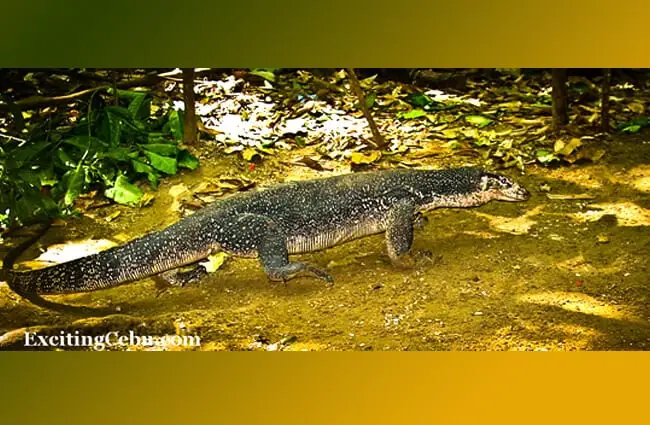
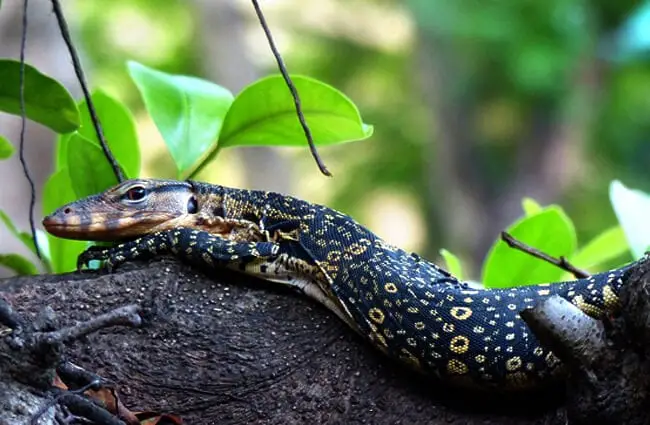
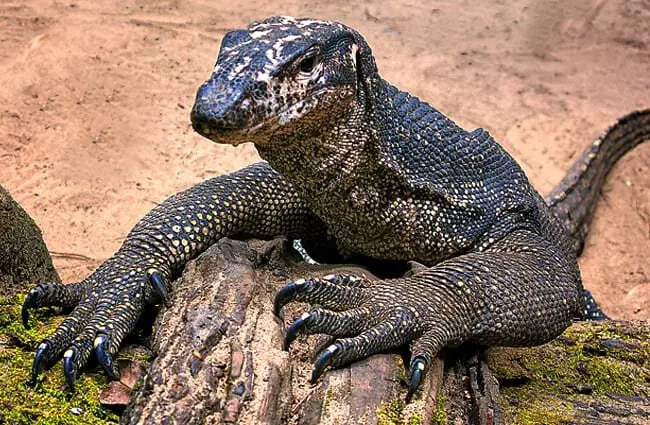
Water monitors, scientifically classified under the genus Varanus, are large lizards belonging to the monitor lizard family. Several species exist, with the common water monitor (Varanus salvator) being the most widespread. Characterized by their powerful builds, strong tails, and webbed feet, these reptiles are supremely adapted for both aquatic and terrestrial life. Their scales are typically dark, with yellow or orange markings, providing excellent camouflage in their natural habitats. Adults can reach lengths of up to seven feet and weigh over 100 pounds, making them a truly imposing sight.
Physical Characteristics
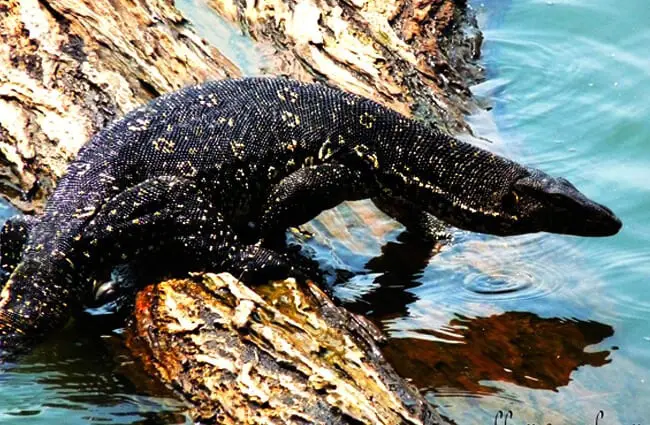
A key feature of the water monitor is its elongated body and muscular limbs. The tail is particularly notable, being nearly as long as the body and used for propulsion in water and as a counterbalance on land. Their heads are relatively small compared to their bodies, and they possess strong jaws equipped with sharp, serrated teeth. These teeth are designed for gripping and tearing prey rather than chewing. Their nostrils are positioned high on the snout, allowing them to breathe while most of the head remains submerged.
Habitat and Distribution
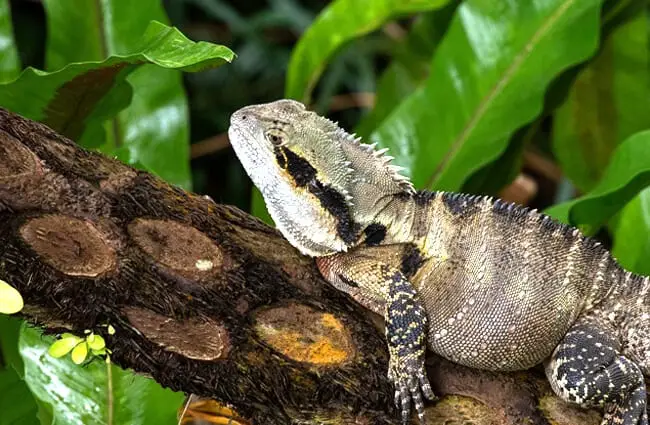
Water monitors are found across a diverse range of habitats in South and Southeast Asia, extending into parts of Africa. They favor tropical rainforests, swamps, mangroves, and areas near rivers, lakes, and other bodies of water. These environments provide the necessary resources for survival, including ample prey, suitable basking spots, and opportunities for swimming and hunting. They demonstrate a remarkable ability to adapt to modified landscapes, sometimes even inhabiting rice paddies, plantations, and urban areas.
Geographic Range
The common water monitor’s range extends from India and Sri Lanka eastward through Myanmar, Thailand, Malaysia, and Indonesia, reaching as far as the Philippines and parts of Vietnam. The Nile monitor (Varanus niloticus) occupies a separate, but overlapping, range in Africa, inhabiting areas near rivers, lakes, and wetlands. Different species and subspecies exhibit varying degrees of habitat specificity within these broad regions.
Diet and Hunting Strategies
Water monitors are opportunistic carnivores with a highly varied diet. They prey on a wide array of animals, including fish, amphibians, snakes, birds, eggs, rodents, and small mammals. They have also been known to scavenge on carrion. Their hunting strategies are diverse, employing ambush tactics, active foraging, and, in some observations, cooperative hunting.
When hunting in water, they often lie in wait near the surface, ambushing unsuspecting fish or other aquatic prey. On land, they use their keen sense of smell and vision to locate prey, often digging or overturning logs and rocks in their search. They are powerful swimmers and can remain submerged for extended periods, allowing them to pursue prey underwater.
Reproduction and Life Cycle
Water monitors are oviparous, meaning they reproduce by laying eggs. The mating season typically occurs during the rainy season. Males engage in combat with each other to establish dominance and secure mating rights. They may wrestle and bite each other, with the victor earning the opportunity to mate with receptive females.
Females construct nests in termite mounds, abandoned burrows, or hollow logs. They lay a clutch of eggs, typically ranging from 10 to 30, and incubate them for approximately 90 to 120 days. Young water monitors are precocial, meaning they are relatively independent at birth. They are capable of foraging and defending themselves shortly after hatching, although they remain vulnerable to predators for several years.
Ecological Role and Interactions
Water monitors play a crucial role in their ecosystems. As apex predators, they help regulate populations of their prey species, maintaining balance within the food web. They also contribute to nutrient cycling through their scavenging behavior. Their burrowing activities can aerate soil and create habitats for other organisms.
They interact with a variety of other animals, including birds, mammals, and reptiles. They often compete with other predators for resources, and they can serve as prey for larger animals, such as crocodiles and pythons. They also exhibit commensal relationships with certain species, such as birds that feed on insects disturbed by their foraging activities.
Water Monitors and Humans
The relationship between water monitors and humans is complex. In some cultures, they are revered as symbols of power and good luck, featuring prominently in folklore and mythology. They are sometimes hunted for their meat and skin, although this practice is often unsustainable. They can also come into conflict with humans when they enter agricultural areas or urban environments in search of food.
Water monitors are known to occasionally enter human settlements, attracted by the scent of food or the presence of pets. This can lead to encounters that are frightening for both humans and the lizards. It’s important to maintain a safe distance and avoid provoking them. They can also pose a risk to pets, particularly small dogs and cats, which they may prey upon.
Conservation Status and Threats
The conservation status of water monitors varies depending on the species and geographic location. While the common water monitor is currently listed as Least Concern by the IUCN, several other species are considered Vulnerable or Endangered. The primary threats to their survival include habitat loss and degradation, hunting for meat and skin, and the pet trade. Climate change is also posing an increasing threat, altering their habitats and disrupting their food webs.
Conservation efforts focus on protecting their habitats, regulating hunting and trade, and raising awareness about the importance of these remarkable reptiles. Sustainable land management practices, such as reducing deforestation and protecting wetlands, are crucial for ensuring their long‑term survival.
Interesting Facts
- Water monitors possess a forked tongue that they use to detect scents in the air and water.
- They can swim at speeds of up to 5 miles per hour.
- They have excellent eyesight and can detect movement from a considerable distance.
- Their bite can be painful and may cause infection, but it is rarely fatal to humans.
- They are capable of vocalizing, producing hisses and grunts to communicate with each other.
- Some individuals have been observed using tools, such as rocks, to break open shellfish.
The water monitor is a testament to the power of adaptation and the beauty of biodiversity. These magnificent lizards play a vital role in their ecosystems and hold a unique place in human culture. By understanding their biology, behavior, and conservation needs, we can ensure that they continue to thrive for generations to come.
![Closeup of a beautiful Red Angus cowPhoto by: U.S. Department of Agriculture [pubic domain]https://creativecommons.org/licenses/by/2.0/](https://animals.net/wp-content/uploads/2020/03/Red-Angus-4-238x178.jpg "Red Angus")

![Closeup of a beautiful Red Angus cowPhoto by: U.S. Department of Agriculture [pubic domain]https://creativecommons.org/licenses/by/2.0/](https://animals.net/wp-content/uploads/2020/03/Red-Angus-4-100x75.jpg "Red Angus")