Unveiling the Enigmatic Whiting: A Deep Dive into the Ocean’s Silver Streak
Often overlooked in the grand tapestry of marine life, the Whiting is a true marvel of the aquatic world. This unassuming fish, found in various forms across the globe’s oceans, plays a far more significant role than its modest appearance might suggest. From its evolutionary journey through ancient seas to its vital position in modern ecosystems and its surprising interactions with human culture, the Whiting is a subject ripe for exploration. Prepare to embark on a fascinating journey beneath the waves to discover the secrets of this remarkable creature.
What Exactly is a Whiting?
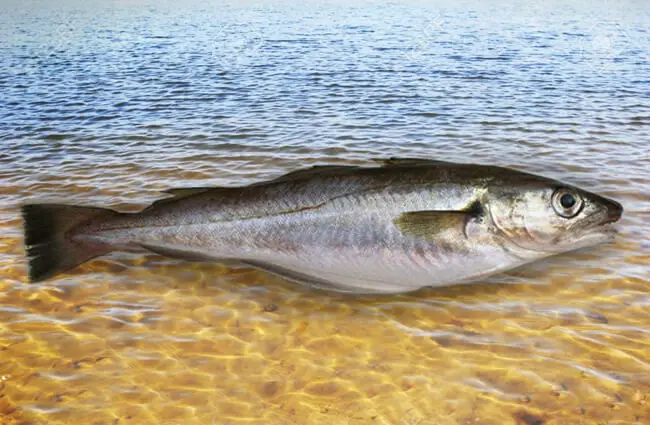
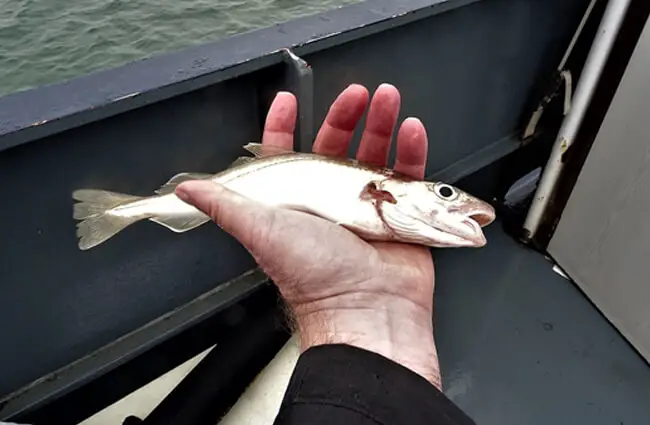
The term “Whiting” actually encompasses several species of marine fish, primarily belonging to the cod family (Gadidae) or related families. While specific characteristics can vary between species, they generally share a streamlined, elongated body, often silvery in color, which helps them blend seamlessly into their watery environments. Most Whiting species are relatively small to medium-sized, typically ranging from 20 to 70 centimeters in length, though some can grow larger. They are characterized by their soft-rayed fins, a distinctive lateral line, and often a small barbel on the chin, though this can be absent in some varieties.
Where Do Whitings Call Home? Exploring Their Diverse Habitats
Whiting species exhibit a remarkable adaptability, inhabiting a wide range of marine environments. Their distribution is extensive, covering temperate and subtropical waters of the Atlantic, Pacific, and Indian Oceans. Understanding a Whiting’s habitat is key to finding them in the wild.
- Coastal Waters: Many Whiting species, such as the European Whiting (Merlangius merlangus), prefer shallower coastal waters, estuaries, and bays. They are often found over sandy or muddy bottoms, where they can easily forage for food.
- Continental Shelf: Other species, like the Pacific Hake (often referred to as Pacific Whiting, Merluccius productus), inhabit deeper waters along the continental shelf, sometimes descending to depths of several hundred meters.
- Temperature Preferences: While generally temperate species, their exact temperature tolerance varies. They typically thrive in waters ranging from cool to moderately warm, avoiding extreme cold or tropical heat.
- Substrate: A common thread across most Whiting habitats is a preference for soft substrates. They are often observed near sandbanks, mudflats, or areas with mixed sand and shell, which provide excellent camouflage and hunting grounds.
- Schooling Behavior: Whitings are often schooling fish, particularly when young. These schools can be found in open water columns, moving with currents or in search of prey.
For an animal lover hoping to spot a Whiting, coastal areas with sandy or muddy bottoms, particularly near piers, jetties, or calm bays, are excellent starting points. Observing local fishing activity can also provide clues, as anglers often target these fish.
The Whiting’s Menu: What Fuels These Agile Predators?
Whiting are opportunistic predators, and their diet reflects their position in the marine food web. Their feeding habits are crucial for maintaining ecological balance.
- Primary Diet: Young Whitings primarily feed on small crustaceans, such as copepods and amphipods, as well as marine worms. As they grow, their diet expands significantly.
- Adult Diet: Adult Whitings are piscivorous, meaning they primarily eat other fish. Their prey includes smaller schooling fish like sprats, herring, and sand eels. They also consume cephalopods, such as squid, and larger crustaceans like shrimp and crabs.
- Hunting Strategy: Whitings are active hunters, often using their keen eyesight and lateral line system to detect prey in murky waters. They typically hunt in schools, which can increase their foraging efficiency.
- Nocturnal Feeding: Some Whiting species are known to be more active feeders during twilight hours or at night, taking advantage of reduced visibility to ambush prey.

The Circle of Life: Whiting Mating and Reproduction
The reproductive strategies of Whiting species are vital for the continuation of their populations and are a fascinating aspect of their biology.
- Spawning Season: Spawning typically occurs during specific seasons, often in late winter or spring, when water temperatures are favorable for egg and larval development. The exact timing varies by species and geographical location.
- Spawning Grounds: Whitings often migrate to specific spawning grounds, which can be in deeper offshore waters or in shallower coastal areas, depending on the species. These areas usually offer suitable conditions for egg dispersal and larval survival.
- Egg Production: Female Whitings are highly fecund, releasing a large number of pelagic (free-floating) eggs into the water column. These eggs are typically small and buoyant, drifting with currents.
- External Fertilization: Fertilization is external, with males releasing sperm to fertilize the eggs in the water. There is generally no parental care after spawning.
- Larval Development: The eggs hatch into tiny larvae, which are also pelagic and drift in the plankton. These larvae feed on microscopic organisms and undergo several developmental stages before transforming into juvenile fish.
- Juvenile Stage: Juvenile Whitings often form large schools in shallower, protected coastal areas, such as estuaries, where food is abundant and predation risk might be slightly lower. As they mature, they gradually move into deeper waters.
A Deeper Dive into Whiting Biology and Ecology
The Evolutionary Journey of Whiting
The evolutionary history of Whiting species is intertwined with the broader evolution of the Gadidae family, which includes cod, haddock, and pollock. These fish are teleosts, a highly diverse group of ray-finned fish that dominate modern aquatic environments.
- Ancient Origins: The ancestors of modern Whitings likely emerged tens of millions of years ago, adapting to various marine niches. Fossil records suggest that early gadiforms were present in the Eocene epoch.
- Adaptations for Survival: Over millennia, Whitings developed key adaptations for their demersal (bottom-dwelling) and pelagic (open water) lifestyles. Their streamlined bodies are efficient for swimming, and their sensory systems, including the lateral line, are highly developed for detecting vibrations and prey in low light conditions.
- Divergence: The various species of Whiting, such as those in the genera Merlangius, Merluccius, and Sillago, represent different evolutionary branches that have specialized in distinct habitats and feeding strategies, leading to the diversity observed today.
Whiting’s Contribution to the Ecosystem and Interactions with Other Animals
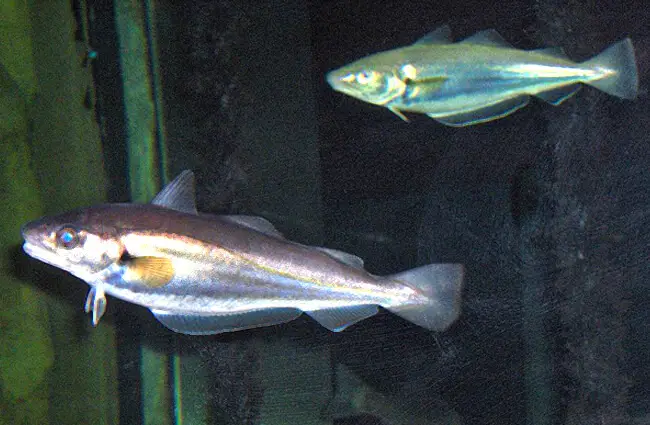
Whitings are integral components of marine ecosystems, serving as both predators and prey, thereby facilitating energy transfer through the food web.
- Prey Species: Young and adult Whitings are a significant food source for a wide array of marine predators. These include larger fish like cod, sharks, and tuna, as well as marine mammals such as seals, dolphins, and porpoises. Seabirds, particularly gulls and gannets, also prey on Whitings, especially juveniles in shallower waters.
- Predator Role: By consuming smaller fish, crustaceans, and cephalopods, Whitings help regulate the populations of these species, preventing overgrazing or overpopulation of certain invertebrates. This predatory role is crucial for maintaining biodiversity and ecosystem stability.
- Nutrient Cycling: As they consume and are consumed, Whitings contribute to the cycling of nutrients within the marine environment, moving organic matter and energy through different trophic levels.
- Habitat Modifiers: While not directly modifying habitats like coral builders, their schooling and foraging behaviors can indirectly influence the distribution of their prey and the health of the benthic (bottom) communities they inhabit.
Whiting and Humanity: A Complex Relationship
A Culinary Classic: Whiting’s Contribution to Human Culture
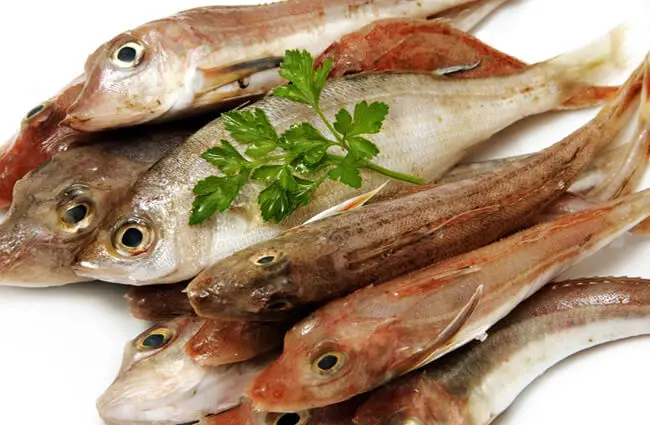
Whiting has long been a staple in coastal communities around the world, valued for its mild flavor and flaky white flesh. Its contribution to human culture is primarily gastronomic and economic.
- Commercial Fishing: Whiting species are commercially important fisheries targets globally. They are caught using various methods, including trawling, gillnetting, and hook and line. Their abundance and widespread distribution make them a reliable source of protein.
- Culinary Versatility: Whiting is highly prized in many cuisines. It is excellent fried, baked, grilled, or used in fish stews and chowders. Its delicate flavor makes it a popular choice for fish and chips in some regions.
- Economic Impact: The fishing and processing of Whiting provide livelihoods for countless individuals in coastal areas, contributing significantly to local and national economies.
- Cultural Heritage: In some regions, traditional fishing practices and recipes involving Whiting are passed down through generations, forming an important part of local cultural heritage.
Interactions with Humans: From Angling to Conservation
Human interaction with Whiting extends beyond the dinner plate, encompassing recreational activities, scientific study, and conservation efforts.
- Recreational Fishing: Whiting is a popular target for recreational anglers due to its accessibility in coastal waters and its fighting spirit when hooked. It provides an enjoyable fishing experience for many.
- Scientific Research: Zoologists and marine biologists study Whiting to understand fish population dynamics, ecosystem health, and the impacts of climate change and fishing pressure. This research is crucial for informed conservation.
- Conservation Challenges: Like many commercially fished species, some Whiting populations face challenges from overfishing, habitat degradation, and climate change. Sustainable fishing practices, such as quotas, size limits, and protected areas, are essential for ensuring healthy Whiting stocks for future generations.
- Encountering Whiting in the Wild (for Hikers/Animal Lovers):
- Observation: If you encounter Whiting in clear, shallow waters, observe them from a distance. Their schooling behavior can be mesmerizing.
- Do Not Disturb: Avoid startling them or attempting to touch them. Respect their natural environment.
- Responsible Angling: If fishing, practice catch and release with proper handling techniques to minimize stress on the fish. Adhere to local fishing regulations.
- Habitat Protection: Support efforts to protect coastal and marine habitats, as these are crucial for Whiting survival.
Whiting in Captivity: A Zookeeper’s Guide
Caring for Whiting in a captive environment, such as an aquarium, requires careful attention to their specific needs to ensure their health and well-being. This information is invaluable for zookeepers and aspiring aquarists.
Habitat Recreation
- Tank Size: Given their schooling nature and potential size, a large aquarium is essential. For juvenile Whitings, a tank of at least 200 gallons might suffice, but adult specimens will require significantly larger tanks, upwards of 500-1000 gallons, to allow for adequate swimming space and to accommodate a school.
- Water Parameters:
- Temperature: Maintain water temperatures within the species’ natural range, typically cool to temperate (e.g., 10-18°C or 50-65°F for European Whiting).
- Salinity: Replicate ocean salinity levels, usually around 1.023-1.025 specific gravity.
- pH: Keep pH stable, generally between 7.8 and 8.4.
- Oxygenation: High oxygen levels are critical. Robust filtration and aeration systems are necessary.
- Substrate and Decor: A soft, sandy or muddy substrate is preferred, mimicking their natural foraging grounds. Provide open swimming areas with some rockwork or artificial structures for enrichment and potential shelter, though Whitings are generally open-water fish.
- Lighting: A natural light cycle is beneficial, with moderate intensity lighting.
Dietary Needs in Captivity
- Variety is Key: Offer a varied diet to ensure complete nutrition.
- Primary Foods: Small, whole fish (e.g., silversides, capelin, krill), squid pieces, and high-quality marine pellets or flakes designed for carnivorous fish.
- Supplements: Fortify food with vitamin supplements, especially Vitamin C, to prevent deficiencies.
- Feeding Frequency: Juveniles may require feeding once or twice daily, while adults can be fed every other day or a few times a week, depending on their size and activity level. Monitor their body condition.
Social Dynamics and Health Monitoring
- Social Behavior: Whitings are schooling fish, so keeping them in groups of at least 3-5 individuals is crucial for their psychological well-being and to exhibit natural behaviors.
- Compatibility: Choose tank mates carefully. Avoid overly aggressive species or those small enough to be considered prey. Other temperate, similarly sized fish that prefer open water can be suitable.
- Health Checks: Regularly observe for signs of stress or illness, such as clamped fins, lethargy, loss of appetite, or visible lesions.
- Water Quality: Meticulous water quality management is paramount. Regular testing for ammonia, nitrite, nitrate, and phosphates, along with routine water changes, will prevent most health issues.
- Avoid:
- Overcrowding the tank.
- Introducing incompatible or overly aggressive tank mates.
- Feeding a monotonous diet.
- Neglecting water quality maintenance.
- Sudden changes in water parameters.
Fascinating Facts About Whiting
Beyond their ecological and economic importance, Whitings possess several intriguing characteristics:
- Sound Production: Some Whiting species are known to produce sounds, particularly during spawning, using specialized muscles to vibrate their swim bladder. These sounds are thought to play a role in communication.
- Rapid Growth: Many Whiting species exhibit relatively fast growth rates, reaching maturity within a few years, which contributes to their resilience as a commercially fished species.
- Lateral Line System: Their highly developed lateral line system, a sensory organ running along their sides, allows them to detect subtle vibrations and pressure changes in the water, crucial for hunting and avoiding predators, especially in low light.
- Camouflage Masters: Their silvery coloration and streamlined bodies provide excellent camouflage in the open water, making them difficult for both predators and prey to spot.
- Global Names: Depending on the region, Whiting can be known by many local names, reflecting its widespread presence and cultural significance.
Conclusion: The Unsung Hero of the Seas
From the bustling depths of the ocean to the dinner plates of coastal communities, the Whiting is a testament to the intricate beauty and resilience of marine life. Its journey through evolutionary time, its vital role in the marine food web, and its enduring connection with humanity paint a picture of a truly remarkable fish. By understanding and appreciating the Whiting, we gain not only insight into a single species but also a deeper understanding of the delicate balance that sustains our planet’s magnificent oceans. Let us continue to champion the cause of these unsung heroes, ensuring their silver streaks continue to grace our waters for generations to come.
![Closeup of a beautiful Red Angus cowPhoto by: U.S. Department of Agriculture [pubic domain]https://creativecommons.org/licenses/by/2.0/](https://animals.net/wp-content/uploads/2020/03/Red-Angus-4-238x178.jpg "Red Angus")

![Closeup of a beautiful Red Angus cowPhoto by: U.S. Department of Agriculture [pubic domain]https://creativecommons.org/licenses/by/2.0/](https://animals.net/wp-content/uploads/2020/03/Red-Angus-4-100x75.jpg "Red Angus")