The Velociraptor A Feathered Hunter of the Cretaceous
The name Velociraptor conjures images of a swift, cunning predator, popularized by its dramatic portrayal in film. However, the reality of this dinosaur is far more fascinating and nuanced than its Hollywood counterpart. This article delves into the life of Velociraptor, exploring its anatomy, habitat, behavior, and evolutionary history, separating fact from fiction and revealing the true nature of this remarkable creature.
Anatomy and Physical Characteristics
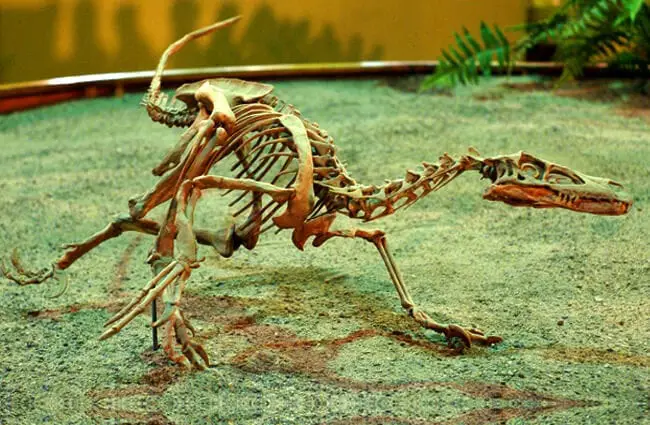
Velociraptor mongoliensis, the best‑known species, lived approximately 75 to 71 million years ago during the Late Cretaceous period. It was not the colossal hunter often depicted. Adults typically reached around six feet in length, two feet high at the hip, and weighed about thirty‑three pounds. Its size was comparable to a turkey or a large dog.
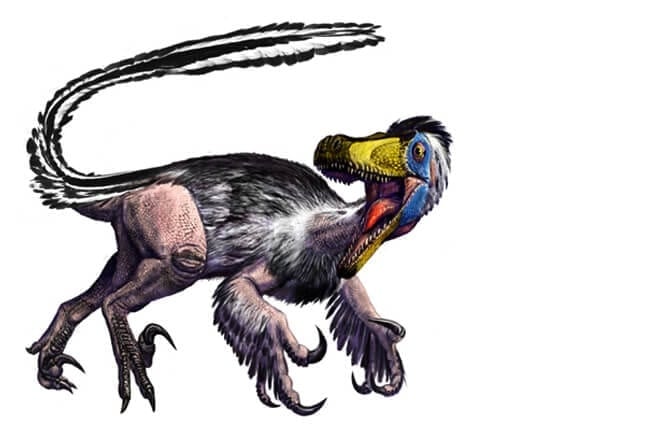
A defining characteristic of Velociraptor was its sickle‑shaped claw on each foot, measuring about three and a half inches long. This claw was likely used for slashing prey, pinning it down, or even climbing. The forelimbs were long and possessed three functional fingers, suggesting an ability to manipulate objects or grasp prey. The most significant discovery in recent decades has been evidence of feathers.
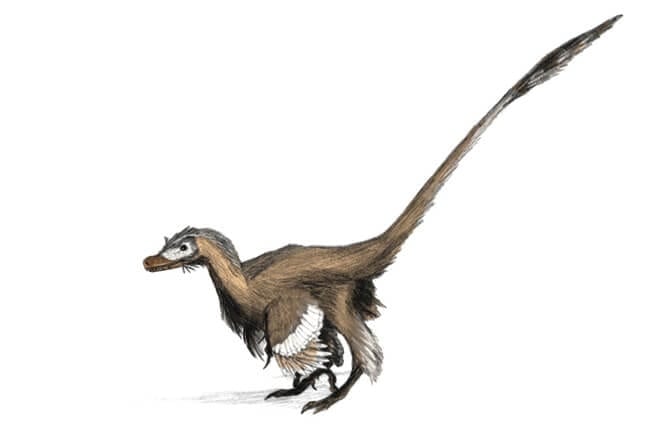
Fossil discoveries demonstrate that Velociraptor was covered in feathers, ranging from simple filament‑like structures to more complex pennaceous feathers. These feathers were probably used for insulation, display, and possibly camouflage. The presence of quill knobs on the forearm bones further suggests larger flight feathers, though whether Velociraptor could actively fly remains debated.
Habitat and Distribution
Fossil evidence indicates that Velociraptor inhabited what is now Mongolia and northern China during the Late Cretaceous. This region was a semi‑arid environment with a mix of forests, scrublands, and floodplains. The climate was generally warmer than today, but seasonal variations still existed.
The fossil sites where Velociraptor remains are found suggest it preferred open areas and woodland edges, allowing it to stalk prey effectively. Its relatively lightweight build and agile frame would have been advantageous in navigating this diverse terrain. Evidence indicates it shared its habitat with other dinosaurs, including Protoceratops, Pinacosaurus, and various hadrosaurs.
Diet and Hunting Strategy
Velociraptor was a carnivore, preying on small to medium‑sized animals. While often depicted hunting large herbivores, its size and build suggest it primarily targeted animals such as Protoceratops, smaller dinosaurs, lizards, mammals, and possibly even eggs.
The famous “Fighting Dinosaurs” fossil, a Velociraptor locked in combat with a Protoceratops, provides valuable insights into its hunting strategy. The fossil shows Velociraptor using its sickle claw to attack the frill of Protoceratops, while the herbivore attempted to defend itself with its beak. This suggests a dynamic and potentially lethal hunting style. Some researchers suggest that Velociraptor hunted in groups.
Reproduction and Life Cycle
Understanding the reproductive habits of Velociraptor is challenging due to limited fossil evidence. However, a fossil discovered in Mongolia revealed a Velociraptor sitting on a nest of eggs. This indicates that Velociraptor laid eggs and likely exhibited parental care.
The nest was a simple depression in the ground, and the eggs were relatively small, suggesting that the hatchlings were precocial, meaning that they were relatively independent and capable of movement shortly after hatching. It is hypothesized that they reached maturity in about four to six years.
Evolutionary History and Relationships
Velociraptor belongs to a group of dinosaurs called dromaeosaurids, often referred to as “raptors.” These dinosaurs were characterized by their sickle claw, long arms, and agile bodies. Dromaeosaurids are closely related to birds, and many scientists believe that birds evolved directly from these dinosaurs.
Velociraptor is thought to have evolved from smaller, feathered dromaeosaurids during the Late Cretaceous. Its unique features, such as its sickle claw and lightweight build, likely evolved as adaptations for hunting and survival in its specific environment.
Velociraptor’s Role in the Ecosystem
As an active predator, Velociraptor played a crucial role in regulating the populations of its prey. It likely helped maintain the health and diversity of the Late Cretaceous ecosystem. By preying on weaker or sick animals, it may have reduced the spread of disease and ensured that only the fittest individuals survived.
Its presence also influenced the behavior of its prey, driving them to develop defense mechanisms such as herding, camouflage, or armor. This predator‑prey relationship was a driving force in the evolution of both Velociraptor and its prey.
Velociraptor and Humans: A Cultural Impact
Before the 1990s, Velociraptor was relatively unknown to the general public. However, its portrayal in the film Jurassic Park catapulted it to fame. While the film’s depiction of Velociraptor was inaccurate, it portrayed the dinosaur as larger, scaly, and more intelligent than the fossil record suggests. It sparked a widespread fascination with dinosaurs.
Today, Velociraptor continues to be a popular subject in documentaries, books, and museum exhibits. It has become a symbol of prehistoric life and a reminder of the incredible diversity of creatures that once roamed the Earth.
Encountering a Velociraptor (Hypothetical)
Let us be clear: encountering a Velociraptor in the wild is impossible, as they went extinct millions of years ago. However, if, through some extraordinary circumstance, you were to encounter one, it would be a dangerous situation. Its sickle claw and sharp teeth are well‑adapted for inflicting serious wounds.
If faced with a Velociraptor, the best course of action would be to remain calm, avoid direct eye contact, and slowly back away. Do not run, because this may trigger a chase response. If attacked, fight back using any available object as a weapon.
Caring for a Velociraptor in Captivity (Hypothetical)
Caring for a Velociraptor in captivity would present immense challenges. Its active lifestyle and predatory instincts would require a large, secure enclosure with plenty of space to roam and hunt. A diet of fresh meat would be essential, and enrichment activities would be necessary to keep it mentally stimulated.
Due to its intelligence and predatory nature, careful handling and training would be crucial to ensure the safety of both the dinosaur and its keepers. A team of highly skilled professionals would be needed to provide the specialized care that a Velociraptor requires. It is important to avoid making direct eye contact and to maintain a respectful distance.
Velociraptor is a testament to the power of evolution and the incredible diversity of life on Earth. By studying its fossils and learning about its behavior, we gain a deeper understanding of the prehistoric world and our place within it.
![Closeup of a beautiful Red Angus cowPhoto by: U.S. Department of Agriculture [pubic domain]https://creativecommons.org/licenses/by/2.0/](https://animals.net/wp-content/uploads/2020/03/Red-Angus-4-238x178.jpg "Red Angus")
![Closeup of a beautiful Red Angus cowPhoto by: U.S. Department of Agriculture [pubic domain]https://creativecommons.org/licenses/by/2.0/](https://animals.net/wp-content/uploads/2020/03/Red-Angus-4-100x75.jpg "Red Angus")