The Elusive Gems of Freshwater: A Deep Dive into the World of Trout
Beneath the shimmering surface of cold, clear waters, a true marvel of evolution thrives: the trout. These captivating fish, members of the Salmonidae family, have enchanted anglers, scientists, and nature enthusiasts for centuries. From their vibrant colors to their incredible adaptability, trout represent a cornerstone of aquatic ecosystems and a testament to nature’s resilience. Join us on an exploration of these fascinating creatures, uncovering their secrets from their ancient origins to their vital role in our world today.
What Exactly is a Trout?
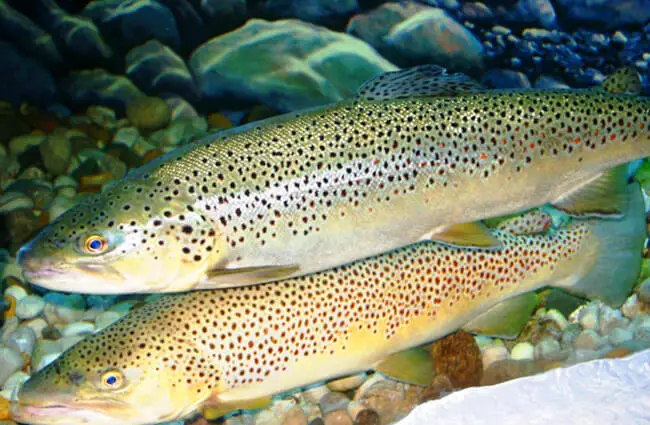
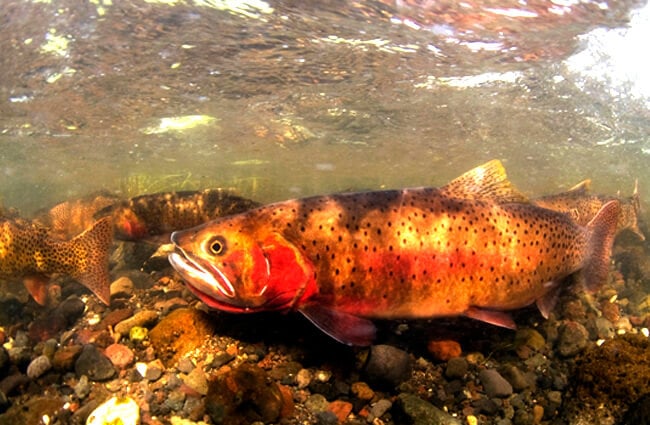
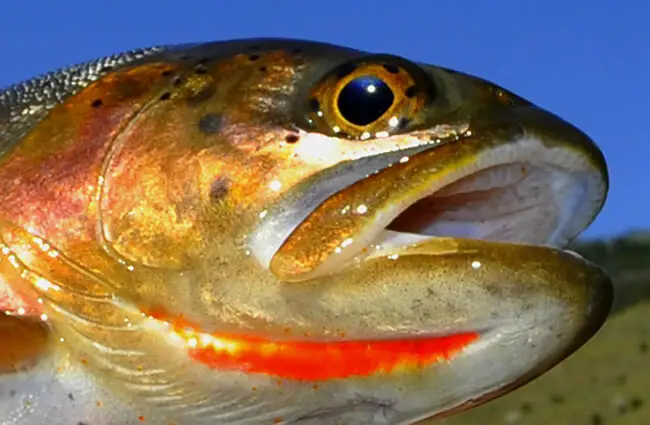
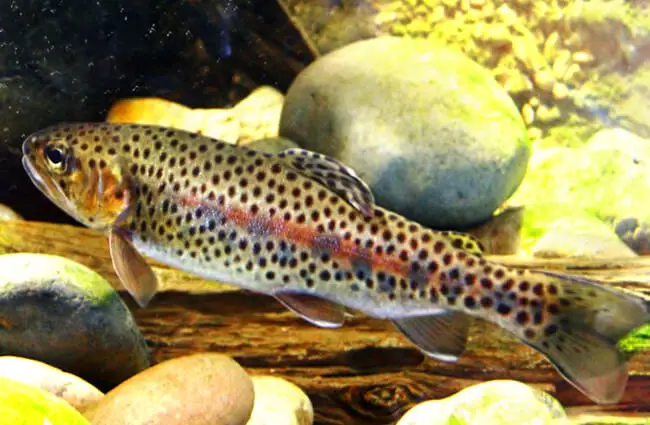
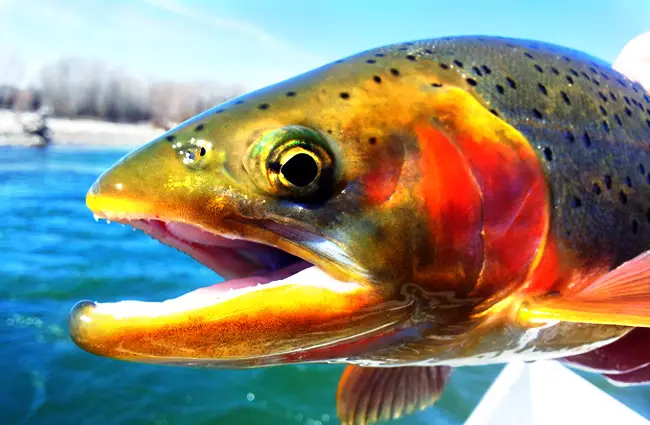
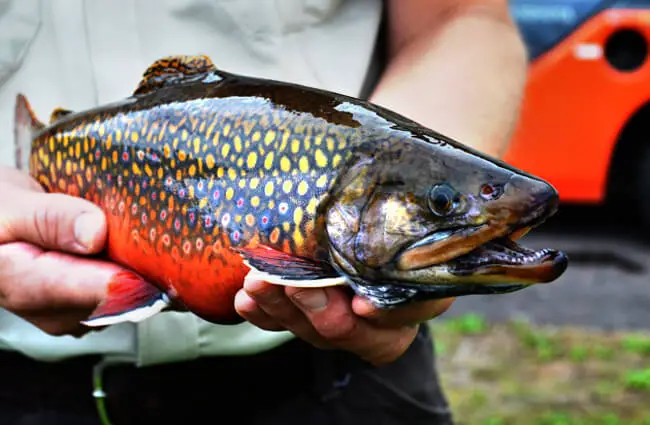
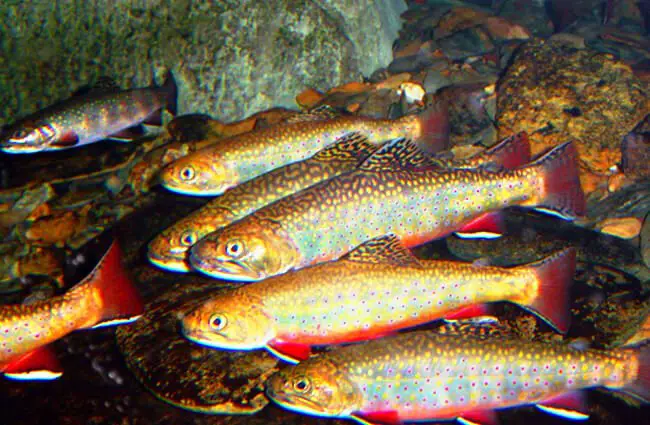
Trout are freshwater fish belonging to the subfamily Salmoninae, which also includes salmon and char. While often associated with pristine mountain streams, their diversity is astonishing, encompassing numerous species and subspecies adapted to a wide range of aquatic environments. Common species include the Rainbow Trout (Oncorhynchus mykiss), Brown Trout (Salmo trutta), Brook Trout (Salvelinus fontinalis), and various Cutthroat Trout subspecies (Oncorhynchus clarkii).
Physical Characteristics: Built for the Current
Trout possess a torpedo-shaped body, perfectly streamlined for navigating swift currents. Their coloration is remarkably varied, often reflecting their environment, serving as excellent camouflage. They typically feature dark spots on a lighter background, though hues can range from silvery to olive green, brown, or even brilliant reds and oranges, especially during spawning season. Their fins are well-developed, with a distinctive adipose fin (a small, fleshy fin without rays) located between the dorsal and caudal fins, a hallmark of the Salmonidae family. Size varies greatly by species, age, and habitat, with some individuals growing to impressive lengths and weights, while others remain relatively small.
Where Do Trout Call Home? Understanding Their Habitat
Trout are synonymous with clean, cold, and oxygen-rich water. Their preferred habitats include rivers, streams, and lakes, particularly those with gravel or rocky bottoms, which are crucial for spawning. They thrive in environments where water temperatures remain consistently cool, typically below 20°C (68°F), and where dissolved oxygen levels are high. These fish are often found in areas with plenty of cover, such as submerged logs, undercut banks, boulders, and overhanging vegetation, which provide shelter from predators and strong currents. The presence of healthy riparian zones, with trees and shrubs along the banks, is vital as these provide shade, stabilize banks, and contribute insect life to the water. Their global distribution is extensive, found naturally across North America, Europe, and parts of Asia, and introduced to many other regions worldwide.
A Journey Through Time: The Evolution of Trout
The evolutionary history of trout is a fascinating tale of adaptation and diversification. Trout belong to an ancient lineage within the Salmonidae family, sharing a common ancestor with salmon and char. Their ancestors likely originated in marine environments, gradually adapting to freshwater systems over millions of years. This transition involved developing physiological mechanisms to cope with osmotic differences between saltwater and freshwater. The diversification into the many trout species we see today was driven by geographical isolation and adaptation to specific local conditions, leading to distinct genetic lines and specialized ecological roles. This rich evolutionary past highlights their incredible resilience and capacity to adapt to changing environments.
The Trout’s Menu: A Hunter’s Diet
Trout are opportunistic and voracious predators, their diet shifting with age, season, and the availability of prey. Young trout, or fry, primarily feed on zooplankton and small aquatic insects. As they grow, their menu expands dramatically. Their diet commonly includes a wide array of invertebrates such as:
- Aquatic insects: Mayflies, caddisflies, stoneflies, midges, and their larval forms.
- Terrestrial insects: Grasshoppers, beetles, ants, and moths that fall into the water.
- Crustaceans: Scuds, crayfish, and other small invertebrates.
Larger trout will also prey on smaller fish, including other trout, minnows, and sculpins. In some cases, they may even consume amphibians like frogs, small rodents, or other small mammals that venture too close to the water’s edge. Their keen eyesight and lateral line system, which detects vibrations in the water, make them highly effective hunters, ambushing prey from cover or actively foraging in riffles and pools.
The Dance of Life: Mating and Reproduction
The reproductive cycle of trout is a remarkable natural spectacle. Spawning seasons vary by species and location, typically occurring in the fall or spring. During this time, trout migrate to specific spawning grounds, often upstream to smaller tributaries with suitable gravel beds. The female, using her tail, excavates a depression in the gravel called a “redd.” She then deposits her eggs into the redd, which are immediately fertilized by one or more males. The female then covers the eggs with gravel, protecting them from predators and currents.
Depending on water temperature, the eggs incubate for several weeks to months. Once hatched, the young trout, known as “alevins,” remain in the gravel, feeding on their attached yolk sacs. After absorbing the yolk sac, they emerge from the gravel as “fry” and begin to feed independently. They then progress to the “parr” stage, characterized by distinctive vertical bars on their sides for camouflage. Some trout species, like certain Rainbow Trout populations (often called Steelhead), are “anadromous,” meaning they migrate to the ocean to grow and mature before returning to freshwater to spawn, much like salmon. Other populations are “resident,” spending their entire lives in freshwater.
Trout in the Web of Life: Ecosystem Contributions
Trout are not just beautiful fish; they are vital components of their ecosystems. They play a dual role as both predator and prey, helping to regulate populations of smaller fish and invertebrates, while also serving as a food source for a variety of other animals. Their presence is often an indicator of excellent water quality, earning them the title of “indicator species.” A healthy trout population signifies a healthy aquatic environment, benefiting countless other species.
Their interactions with other animals are extensive:
- Predators: Ospreys, bald eagles, kingfishers, herons, otters, bears, and even larger fish all rely on trout as a food source.
- Prey: Trout consume a vast number of aquatic insects, crustaceans, and smaller fish, influencing the lower trophic levels of the food web.
- Nutrient Cycling: Through their feeding and waste, trout contribute to the cycling of nutrients within the aquatic environment.
The health of trout populations directly reflects the health of the entire coldwater ecosystem.
Trout and Humanity: A Shared History
The relationship between trout and humans is long and complex, spanning millennia.
- Contribution to Human Culture:
- Food Source: Trout have been a valuable food source for indigenous cultures and modern societies alike, prized for their delicate flavor and nutritional value.
- Recreational Fishing: They are arguably one of the most popular game fish globally, particularly for fly fishing, which has evolved into a sophisticated art form and a significant economic driver in many regions.
- Symbolism: Trout often symbolize wilderness, purity, and the health of natural environments, inspiring art, literature, and conservation movements.
- Indigenous Cultures: Many indigenous peoples have deep cultural and spiritual connections to trout, relying on them for sustenance and incorporating them into their traditions.
- Interaction with Humans:
- Conservation Efforts: Recognizing their ecological importance and vulnerability, extensive conservation efforts are underway worldwide to protect trout habitats and populations from threats like pollution, habitat degradation, and climate change.
- Hatcheries and Stocking: To support recreational fishing and aid in conservation, trout are often raised in hatcheries and stocked into rivers and lakes. While beneficial in some contexts, this practice also requires careful management to avoid negative impacts on wild populations.
- Threats: Human activities pose significant threats, including industrial and agricultural pollution, dam construction, deforestation leading to increased water temperatures and sedimentation, and unsustainable fishing practices.
Understanding and mitigating these interactions is crucial for the future of trout.
Encountering Trout in the Wild: A Guide for Nature Lovers
For the animal lover hoping to spot a trout in its natural habitat, a few tips can increase your chances of a memorable encounter:
- Where to Look: Focus on cold, clear streams, rivers, and mountain lakes. Look for areas with moving water, such as riffles and runs, as well as deeper pools and eddies where trout might rest. Overhanging banks, submerged logs, and large rocks provide excellent cover.
- When to Look: Early morning and late evening are often the best times, as trout are typically more active during cooler periods and lower light conditions.
- How to Observe: Approach quietly and slowly. Trout are easily spooked by sudden movements or shadows. Use polarized sunglasses to reduce glare and see into the water more clearly. Observe from a distance to avoid disturbing their natural behavior.
If you are a hiker who unexpectedly encounters trout in the wild, remember these guidelines:
- Observe from a Distance: Admire their beauty without disturbing them.
- Do Not Disturb Spawning Beds: If you see areas of disturbed gravel, especially in shallow water, these might be redds. Avoid walking through or disturbing these critical reproductive sites.
- Leave No Trace: Pack out everything you pack in. Do not leave trash or introduce foreign substances into the water.
- Never Attempt to Catch or Handle: Unless you are a licensed angler and are following local regulations, do not attempt to catch or touch trout. Handling fish can remove their protective slime coat, making them vulnerable to disease.
Caring for Trout: Insights for Aspiring Zoologists and Zookeepers
For those considering a career studying or caring for these magnificent fish, a deep understanding of their biology and ecology is paramount.
- For the Aspiring Zoologist:
- Ecology and Physiology: Focus on understanding trout’s specific habitat requirements, their physiological adaptations to cold water, and their role within the food web.
- Behavior: Study their feeding strategies, reproductive behaviors, and social interactions.
- Conservation Biology: Investigate the threats facing trout populations and the various conservation strategies employed, from habitat restoration to genetic research.
- Research Opportunities: Explore fields like ichthyology, aquatic ecology, genetics, and fisheries management, which offer diverse avenues for studying trout.
- For the Zookeeper Caring for Trout in Captivity:
- Habitat Replication:
- Water Quality: Maintain pristine, cold, highly oxygenated water. Regular monitoring of temperature, pH, dissolved oxygen, ammonia, nitrites, and nitrates is critical.
- Filtration: Implement robust mechanical and biological filtration systems to keep water parameters stable.
- Substrate and Cover: Provide a gravel substrate and ample hiding spots using rocks, logs, and artificial plants to mimic natural conditions and reduce stress.
- Current: Replicate natural stream currents with appropriate pumps to encourage natural behavior and maintain water quality.
- Diet:
- Offer a varied diet of high-quality commercial trout pellets supplemented with live or frozen prey items such as bloodworms, brine shrimp, and small feeder fish, appropriate for the species and size of the trout.
- Avoid overfeeding, which can lead to poor water quality and health issues.
- Health Monitoring:
- Regularly observe trout for signs of stress, disease, or injury, such as changes in coloration, swimming patterns, or appetite.
- Implement quarantine protocols for new arrivals.
- What to Avoid:
- Sudden Changes: Rapid fluctuations in water temperature or chemistry can be highly detrimental.
- Poor Water Quality: High levels of ammonia, nitrite, or nitrate are toxic.
- Overcrowding: This leads to stress, aggression, and increased disease transmission.
- Stressors: Loud noises, sudden movements, or inadequate cover can cause chronic stress.
- Inappropriate Handling: Minimize handling, and if necessary, use wet hands or a wet net to protect their delicate slime coat.
- Habitat Replication:
Fascinating Facts About Trout
The world of trout is full of intriguing details:
- Coloration Changes: Trout can rapidly change their skin coloration to match their surroundings, a remarkable feat of camouflage that aids in both hunting and evading predators.
- Anadromy: While many trout live their entire lives in freshwater, some populations, like Steelhead (Rainbow Trout), exhibit anadromy, migrating to the ocean for several years before returning to their natal rivers to spawn.
- Lifespan: Depending on the species and environmental conditions, trout can live anywhere from 3 to 10 years, with some individuals exceeding this.
- Sensory Abilities: Beyond excellent eyesight, trout possess a highly developed lateral line system, a row of sensory pores along their sides that detects vibrations and pressure changes in the water, allowing them to “feel” their environment and locate prey or avoid obstacles even in murky conditions.
- Coldwater Specialists: Their physiology is finely tuned to cold water, allowing them to extract more oxygen from it than many other fish species. This also makes them highly vulnerable to rising water temperatures.
- Species Diversity: The term “trout” encompasses a vast array of species, each with unique adaptations to their specific niches, from the vibrant Brook Trout of eastern North America to the elusive Gila Trout of the American Southwest.
- “Parr Marks”: Young trout, known as parr, display distinctive vertical bars on their sides, which serve as camouflage in the dappled light of shallow streams. These marks typically fade as the fish mature.
Conclusion: Guardians of the Coldwater Realm
Trout are more than just beautiful fish; they are living indicators of environmental health, intricate parts of complex ecosystems, and cherished symbols of wild places. Their journey from ancient ancestors to the diverse species we know today is a testament to the power of adaptation. As we continue to learn about these incredible creatures, our responsibility to protect their habitats and ensure their survival becomes ever clearer. By understanding their needs and appreciating their ecological significance, we can all contribute to safeguarding these elusive gems of our freshwater realms for generations to come.
![Closeup of a beautiful Red Angus cowPhoto by: U.S. Department of Agriculture [pubic domain]https://creativecommons.org/licenses/by/2.0/](https://animals.net/wp-content/uploads/2020/03/Red-Angus-4-238x178.jpg "Red Angus")
![Closeup of a beautiful Red Angus cowPhoto by: U.S. Department of Agriculture [pubic domain]https://creativecommons.org/licenses/by/2.0/](https://animals.net/wp-content/uploads/2020/03/Red-Angus-4-100x75.jpg "Red Angus")