
The ocean teems with extraordinary life, and among its most fascinating inhabitants is the triggerfish. These vibrant, often boldly patterned fish are visually striking and represent a distinct evolutionary branch within the ray‑finned fishes.
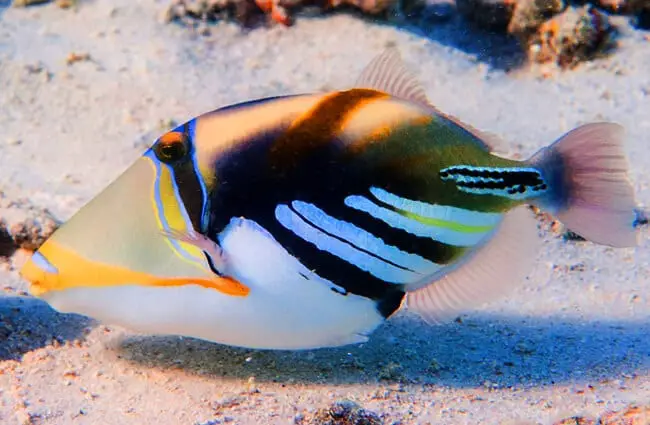
What is a Triggerfish?
Triggerfish belong to the family Balistidae and are named for the unique “trigger” spine on their dorsal fin. When the spine is flexed upward, a locking mechanism prevents it from being retracted, which the fish uses primarily as a defense against predators and to keep its body secure when wedged in tight reef crevices. There are about 40 species of triggerfish, ranging in size, color, and habitat. Most are found in tropical and subtropical reefs, though some species can be found in temperate waters.
Anatomy and Physical Characteristics
Triggerfish are easily recognized by their laterally compressed, diamond‑shaped bodies, which aid maneuverability among coral reefs. Their scales are small and embedded in the skin, giving them a smooth appearance. A prominent feature is the dorsal spine, divided into a soft dorsal fin and a hard spine that can be raised and locked in place by a specialized ligament system. The fish have a small, protrusible mouth equipped with strong teeth for crushing shells and coral. Size ranges from the dwarf triggerfish, measuring about 5 centimeters, to the stone triggerfish, which can reach up to 70 centimeters.
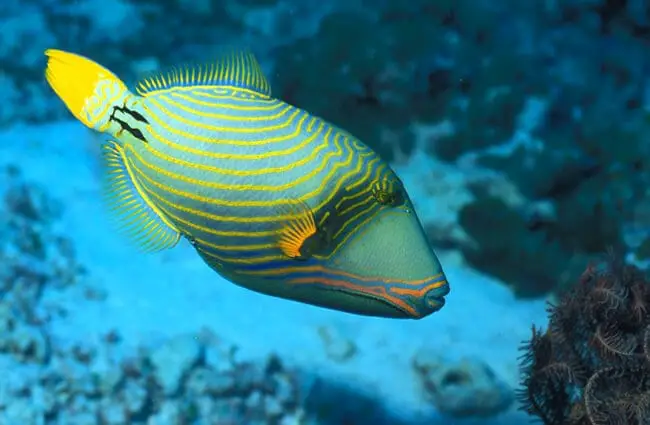
Habitat and Distribution
The vast majority of triggerfish species inhabit warm, clear waters of tropical and subtropical oceans. They are commonly found in coral reefs, rocky outcrops, and seagrass beds, primarily in the Indo‑Pacific, Caribbean, and parts of the Atlantic Ocean. Different species exhibit distinct habitat preferences. For example, the queen triggerfish is common around Caribbean coral reefs, while the Hawaiian triggerfish is endemic to the Hawaiian Islands. Some species, such as the oceanic triggerfish, are pelagic and live in the open ocean rather than near reefs.
Finding Triggerfish in the Wild
Animal lovers hoping to observe triggerfish in their natural habitat should focus on tropical reef systems. Popular locations include the Great Barrier Reef in Australia, the reefs of the Caribbean Sea, and the waters surrounding Hawaii. Snorkeling or scuba diving are the best methods for observing these fish. Look for them among coral formations, where they actively forage for food. Be mindful of the environment and maintain a respectful distance to avoid disturbing their natural behavior.
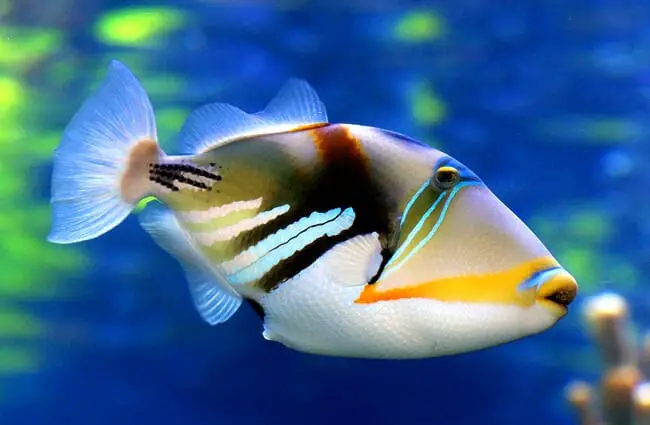
Diet and Feeding Behavior
Triggerfish are opportunistic feeders with a varied diet that includes invertebrates such as crabs, shrimp, sea urchins, and mollusks. Some species also consume algae and coral polyps. Their strong jaws and specialized teeth allow them to crush the shells of crustaceans and the spines of sea urchins. They actively forage during the day, often hovering near the seabed or navigating among coral structures in search of food. Triggerfish are bold feeders and will approach potential prey without hesitation.
Reproduction and Life Cycle
Triggerfish reproduction varies slightly among species but generally involves elaborate courtship rituals and nest building. Most species lay eggs, and the male constructs a nest—often on a sandy bottom or among rocks—and then the female deposits her eggs into it. The male fiercely defends the nest from predators and rival fish. Once the eggs hatch, the larvae are planktonic and drift in the water column, feeding on microscopic organisms. As they grow, they settle onto the seabed and develop into juveniles. Triggerfish are relatively long‑lived, with some species reaching ages of 10 years or more.
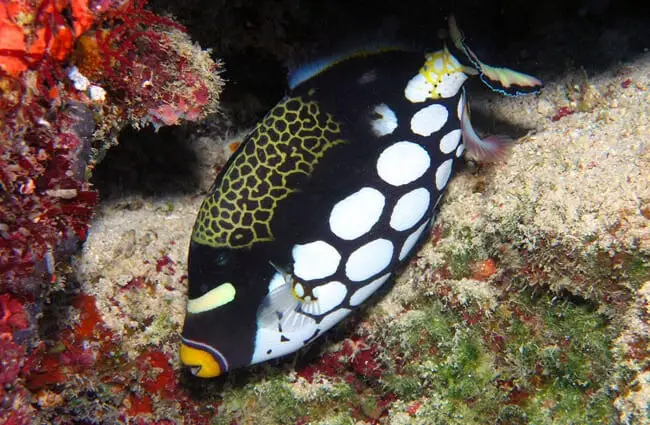
Ecological Role and Interactions
Triggerfish play a key role in maintaining the health of coral reef ecosystems. As predators, they help control populations of invertebrates, preventing any single species from dominating the reef. Their feeding habits also contribute to coral bioerosion, creating new habitats for other organisms. Triggerfish interact with a variety of other animals. Some species act as cleaners, removing parasites and dead tissue from larger fish. They are occasionally preyed upon by sharks and other large predators, but their sharp spines and bold behavior offer protection. Triggerfish are territorial and will defend their feeding areas from conspecifics and potential competitors.
Triggerfish and Humans
Triggerfish have a limited culinary history in some parts of the world; their flesh can be tough. Their striking appearance and unique behavior make them popular in aquariums. They are sometimes kept as pets, but they require specialized care because of their territorial nature and specific dietary needs. Triggerfish can bite divers if provoked, and their sharp spines can cause damage to boats and underwater equipment when they mistake objects for prey or intruders.
Advanced Insights for Aspiring Zoologists
The evolutionary history of triggerfish is fascinating. Phylogenetic studies place the family Balistidae within the order Tetraodontiformes, which includes pufferfish and boxfish. This group is considered early diverging within the larger clade of ray‑finned fishes. The trigger mechanism is believed to have evolved as an adaptation for defense and for securing the fish within narrow reef spaces. Further research is needed to uncover the genetic basis of this trait. In captivity, triggerfish require spacious tanks with plenty of hiding places and a varied diet of crustaceans, mollusks, and algae. They are prone to stress if housed with incompatible tankmates, so careful consideration of tank composition is essential. Water quality is crucial, and regular monitoring is necessary to prevent disease.
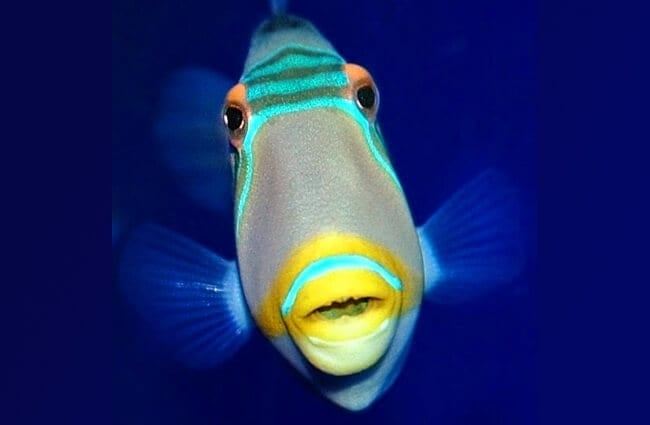
In conclusion, the triggerfish is a remarkable creature embodying both beauty and evolutionary ingenuity. From its unique locking spine to its pivotal role in reef ecosystems, this fish continues to captivate scientists and animal lovers alike. Continued research and responsible conservation efforts are essential to ensure the continued survival of these vibrant members of the marine world.
![Closeup of a beautiful Red Angus cowPhoto by: U.S. Department of Agriculture [pubic domain]https://creativecommons.org/licenses/by/2.0/](https://animals.net/wp-content/uploads/2020/03/Red-Angus-4-238x178.jpg "Red Angus")




![Closeup of a beautiful Red Angus cowPhoto by: U.S. Department of Agriculture [pubic domain]https://creativecommons.org/licenses/by/2.0/](https://animals.net/wp-content/uploads/2020/03/Red-Angus-4-100x75.jpg "Red Angus")