The Dazzling World of Tetras: A Journey into Freshwater Gems
Step into the vibrant, often unseen, world beneath the water’s surface, and you are likely to encounter one of nature’s most captivating groups of freshwater fish: the Tetras. These small, often brilliantly colored characins have charmed scientists, aquarists, and nature enthusiasts alike with their shimmering scales, lively schooling behaviors, and fascinating adaptations. Far more than just pretty faces in an aquarium, Tetras represent a cornerstone of many aquatic ecosystems and offer a window into the intricate dance of life in rivers and streams.
What Exactly is a Tetra? Unpacking the Characin Family
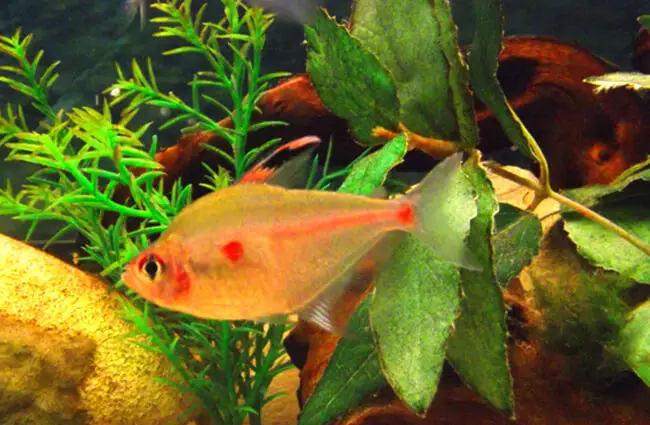
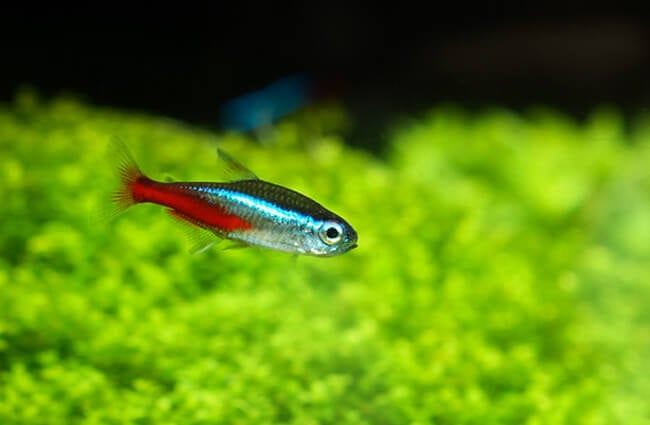
The term “Tetra” is not a precise scientific classification but rather a common name applied to many small, freshwater fish belonging primarily to the family Characidae. This vast family, part of the order Characiformes, includes an incredible diversity of species, from the tiny Neon Tetra to the formidable Piranha. What unites many of the fish we call Tetras is their generally small size, often less than 2.5 inches, and their characteristic adipose fin, a small, fleshy fin located between the dorsal and caudal fins, which is a hallmark of characins.
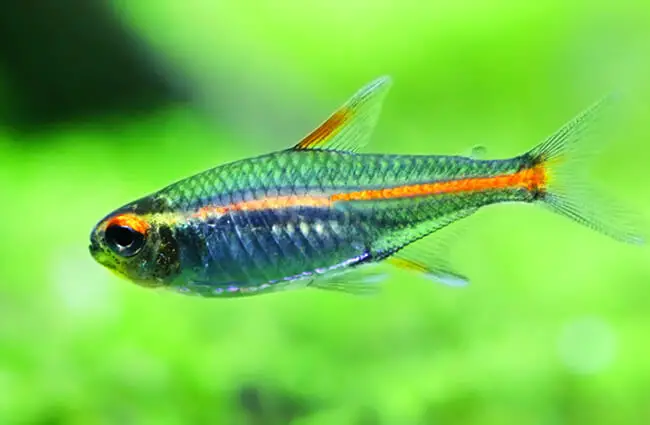
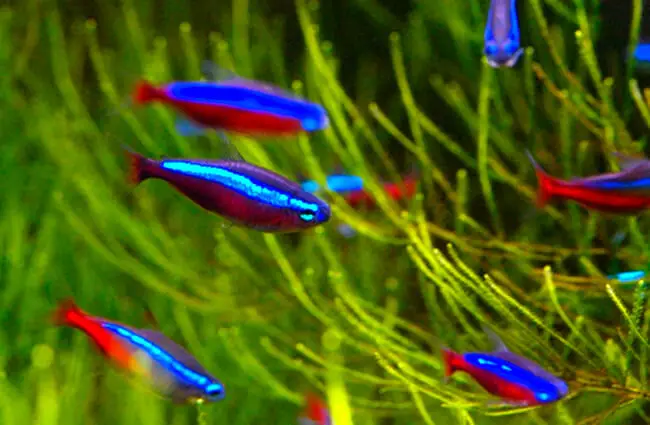
These fish are renowned for their schooling behavior, a survival strategy that offers safety in numbers against predators. Their often iridescent scales reflect light in spectacular ways, creating a dazzling display as a school moves in unison. From the iconic Neon Tetra with its electric blue and red stripe to the more subdued but equally charming Glowlight Tetra, the variety within this group is astounding.
Where the Wild Tetras Roam: Habitats and Distribution
The natural range of Tetras is predominantly in the tropical and subtropical freshwaters of South America, particularly the Amazon Basin, Orinoco River, and Paraná River systems. However, some species are also found in Central America and parts of Africa. These fish thrive in a variety of aquatic environments, each offering unique conditions that have shaped their evolution.
- Blackwater Rivers: Many Tetras, like the Cardinal Tetra, are native to blackwater rivers. These waters are stained dark by tannins and humic acids released from decaying vegetation, resulting in soft, acidic water with low mineral content. The dark water provides camouflage and protection from intense sunlight.
- Clearwater Streams: Other species prefer clearwater streams and tributaries, often with sandy or rocky bottoms, abundant aquatic plants, and moderate currents.
- White-water Rivers: While less common, some Tetras can be found in white-water rivers, which are rich in suspended sediments and nutrients.
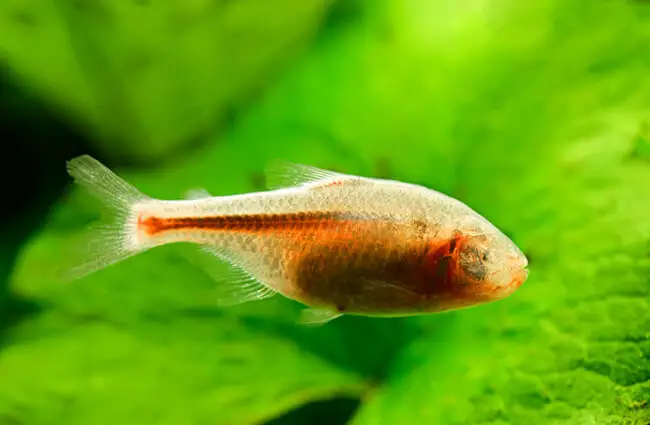
- Cave Systems: Perhaps one of the most remarkable adaptations is seen in the Blind Cave Tetra (Astyanax mexicanus), which inhabits dark cave systems in Mexico, having lost its eyesight and pigmentation over generations.
For an animal lover hoping to find Tetras in the wild, the key is to seek out these specific environments. Focus on the Amazon and Orinoco basins in South America. Look for clear, slow-moving tributaries, areas with dense submerged and emergent vegetation, and shaded spots under overhanging trees. Observing quietly from the bank, especially during dawn or dusk, can reveal schools darting through the water.
A Glimpse into the Past: Tetra Evolution History
The evolutionary journey of Tetras is a fascinating tale rooted deep in the geological history of the continents. As members of the order Characiformes, their lineage dates back tens of millions of years. The Characidae family itself is incredibly diverse, suggesting a long period of adaptive radiation. The separation of South America and Africa, which once formed part of the supercontinent Gondwana, played a significant role in the distribution and diversification of these fish. This explains why characins are found on both continents, albeit with distinct evolutionary paths.
Over millennia, Tetras have evolved a remarkable array of adaptations to their specific niches. The development of the adipose fin, while its exact function is still debated, is a defining characteristic. Their schooling behavior is a prime example of a social adaptation for survival. Furthermore, the specialized sensory systems of species like the Blind Cave Tetra, which rely on lateral line organs and chemoreception in the absence of sight, highlight the incredible plasticity of evolution in response to environmental pressures.
What’s on the Menu? The Tetra Diet
Tetras are generally omnivores, displaying a flexible diet that allows them to thrive in various environments. Their feeding habits are largely dictated by their small size and the availability of food in their natural habitats. In the wild, their diet typically consists of:
- Small Invertebrates: This includes insect larvae, small crustaceans, and other aquatic microfauna.
- Plant Matter: Algae, detritus, and small pieces of decaying plant material are also consumed.
- Zooplankton and Phytoplankton: Microscopic organisms form a crucial part of the diet for many species, especially juveniles.
This adaptability makes them relatively easy to feed in captivity. Zookeepers caring for Tetras should provide a varied diet that mimics their natural intake. High-quality flake or pellet food formulated for small omnivorous fish should be the staple, supplemented with live or frozen foods such as brine shrimp, daphnia, and bloodworms. Occasional offerings of blanched vegetables can also be beneficial. Overfeeding should be avoided, as it can lead to poor water quality and health issues.
The Circle of Life: Mating and Reproduction
Tetra reproduction is a fascinating, albeit often hands-off, process in the wild. Most Tetras are egg-scatterers, meaning they do not build nests or provide direct parental care to their eggs or fry. Instead, they typically scatter their adhesive or non-adhesive eggs among fine-leaved plants, roots, or substrate.
The mating ritual often involves a male chasing a female, with spawning occurring in short bursts. Females can lay hundreds of eggs over several hours. Once the eggs are laid and fertilized, the adults usually show no further interest and may even consume their own eggs or fry. This strategy relies on sheer numbers for survival, with only a small percentage of offspring expected to reach maturity.
In captivity, zookeepers aiming to breed Tetras need to replicate specific environmental cues. This often involves:
- Conditioning: Feeding a rich diet of live and frozen foods to bring the fish into prime breeding condition.
- Water Parameters: Adjusting water temperature, pH, and hardness to mimic their natural spawning conditions, often softer and more acidic water.
- Spawning Mop/Plants: Providing suitable spawning sites, such as fine-leaved plants or artificial spawning mops, for the eggs to adhere to.
- Separation: Removing the adult fish after spawning to prevent egg consumption.
The eggs typically hatch within 24 to 72 hours, depending on temperature, and the fry become free-swimming a few days later, requiring microscopic foods like infusoria or specialized liquid fry food.
Tetras in the Tapestry of Life: Ecosystem Contributions and Interactions
Despite their small stature, Tetras play a vital role in their native ecosystems, contributing to the delicate balance of aquatic life.
- Prey Species: They serve as a crucial food source for a wide array of larger predators, including larger fish (like cichlids and catfish), aquatic birds, and even some reptiles and amphibians. Their schooling behavior is a primary defense mechanism against these threats.
- Predators of Small Invertebrates: By consuming insect larvae, small crustaceans, and other microfauna, Tetras help control populations of these organisms, preventing potential overgrowth and maintaining ecological stability.
- Nutrient Cycling: Through their feeding and waste production, Tetras contribute to the cycling of nutrients within the aquatic environment, helping to break down organic matter and make nutrients available for plants and other organisms.
- Bioindicators: The presence and health of Tetra populations can often serve as indicators of the overall health and water quality of an ecosystem. Declines in Tetra numbers can signal environmental degradation.
Their interaction with other animals is primarily through the food web, but their schooling can also influence the behavior of other small fish species, sometimes attracting them to join the safety of the larger group.
Tetras and Humanity: Culture, Interaction, and Conservation
The relationship between Tetras and humans is multifaceted, ranging from their immense popularity in the aquarium hobby to their scientific significance.
- Aquarium Trade: Tetras are arguably among the most popular aquarium fish globally. Species like the Neon Tetra, Cardinal Tetra, and Black Skirt Tetra are staples in home aquariums due to their beauty, peaceful nature, and relatively easy care. This has led to a massive aquaculture industry, providing livelihoods for many.
- Scientific Research: The Blind Cave Tetra, in particular, has become a model organism for studying evolution, genetics, and sensory biology, offering insights into how animals adapt to extreme environments and the genetic basis of traits like vision loss.
- Cultural Significance: While not as prominent as some larger, more iconic species, the vibrant colors of Tetras have inspired art and design, and their presence in aquariums worldwide fosters an appreciation for aquatic biodiversity.
- Conservation Concerns: While many common aquarium Tetras are extensively bred in captivity, wild populations of some species face threats from habitat destruction, pollution, and overcollection for the pet trade. Sustainable practices in the aquarium industry and conservation efforts to protect their natural habitats are crucial for their long-term survival.
For a hiker encountering Tetras in the wild, the best course of action is simply to observe and appreciate. Do not attempt to catch or disturb them. Their natural environment is delicate, and human interference can have unintended consequences. Enjoy the fleeting glimpse of these living jewels in their natural home.
Caring for Tetras in Captivity: A Zookeeper’s Guide
For zookeepers or dedicated aquarists, providing optimal care for Tetras in a captive environment requires attention to detail and an understanding of their natural needs.
Essential Tasks for Zookeepers:
- Tank Size and Setup:
- Provide adequate space. While small, Tetras are active schoolers and need room to swim. A minimum of 10-20 gallons is often recommended for a small school, depending on the species.
- Replicate natural habitat: Use fine substrate, dense planting (live or high-quality artificial), driftwood, and caves to provide hiding spots and enrichment.
- Water Parameters:
- Temperature: Maintain stable tropical temperatures, typically between 72-80°F (22-27°C), depending on the specific species.
- pH: Most Tetras prefer slightly acidic to neutral water (pH 6.0-7.5). Blackwater species thrive in lower pH.
- Hardness: Soft to moderately hard water is generally preferred.
- Filtration: A good quality filter is essential to maintain clean water, but ensure the current is not too strong, as many Tetras prefer calmer waters.
- Regular Water Changes: Perform weekly or bi-weekly partial water changes (25-30%) to remove nitrates and replenish essential minerals.
- Diet:
- Offer a varied diet of high-quality flake or micro-pellet food, supplemented with live or frozen brine shrimp, daphnia, bloodworms, and mosquito larvae.
- Feed small amounts multiple times a day rather than one large meal.
- Social Structure:
- Always keep Tetras in schools of at least 6-10 individuals of their own species. This reduces stress, encourages natural behavior, and brings out their best colors.
- Choose tank mates carefully. Peaceful, similarly sized fish are ideal. Avoid aggressive or much larger species.
- Health Monitoring:
- Regularly observe fish for signs of disease, such as fin rot, ich (white spots), lethargy, clamped fins, or unusual swimming patterns.
- Quarantine new fish before introducing them to the main display tank.
What to Avoid:
- Overcrowding: Leads to stress, aggression, and poor water quality.
- Sudden Water Parameter Changes: Can shock the fish and lead to illness.
- Incompatible Tank Mates: Aggressive fish will stress or injure Tetras.
- Lack of Hiding Spots: Increases stress and makes fish feel insecure.
- Ignoring Water Quality: The most common cause of fish illness and death in captivity.
- Overfeeding: Contributes to poor water quality and digestive issues.
Intriguing Facts About Tetras
The world of Tetras is full of surprises and fascinating details that make them truly special.
- Bioluminescence: While not true bioluminescence, some Tetras, like the Glowlight Tetra, possess iridescent cells that reflect light, giving them a luminous appearance.
- Longevity: While many small fish have short lifespans, some Tetras, with proper care, can live for 3-5 years, and even up to 10 years for certain species.
- The Blind Cave Tetra’s Super Senses: The eyeless Astyanax mexicanus navigates its dark environment using an enhanced lateral line system, which detects subtle changes in water pressure, and a keen sense of smell.
- Color Changes: The intensity of a Tetra’s color can be an indicator of its health, stress level, or breeding condition. Vibrant colors often signify a healthy, happy fish.
- Mimicry: Some Tetra species exhibit mimicry, where their coloration or behavior resembles that of a more dangerous or unpalatable species, deterring predators.
- The “Tetra” Name Origin: The name “Tetra” is derived from the Greek word “tetra,” meaning four, possibly referring to the four-part division of the Characidae family in early classifications, or perhaps the four distinct fins (dorsal, caudal, anal, and pectoral) often prominent.
- Schooling Synchronicity: The precise, synchronized movements of a Tetra school are not just for defense. They also help in foraging for food and navigating complex environments.
Conclusion: More Than Just a Fish
From the bustling rivers of the Amazon to the quiet confines of a home aquarium, Tetras are truly remarkable creatures. Their ecological significance, evolutionary adaptations, and sheer beauty make them subjects of endless fascination for zoologists, aquarists, and anyone with an appreciation for the natural world. Understanding these small freshwater gems not only enriches our knowledge of biodiversity but also underscores the importance of preserving the delicate aquatic ecosystems they call home. So, the next time you see a Tetra, remember the incredible journey it represents, a tiny ambassador from the wild, shimmering heart of our planet’s freshwater realms.
![Closeup of a beautiful Red Angus cowPhoto by: U.S. Department of Agriculture [pubic domain]https://creativecommons.org/licenses/by/2.0/](https://animals.net/wp-content/uploads/2020/03/Red-Angus-4-238x178.jpg "Red Angus")

![Closeup of a beautiful Red Angus cowPhoto by: U.S. Department of Agriculture [pubic domain]https://creativecommons.org/licenses/by/2.0/](https://animals.net/wp-content/uploads/2020/03/Red-Angus-4-100x75.jpg "Red Angus")