From the muddy wallows of the wilderness to the carefully managed environments of modern agriculture, the pig is an animal of remarkable adaptability, intelligence, and profound significance across the globe. Often misunderstood, these fascinating creatures possess a complex social structure, an ancient lineage, and a surprising array of behaviors that make them far more than just farm animals. Join us on a journey to uncover the true nature of the pig, exploring its biology, its place in the natural world, and its intricate relationship with humanity.
Prepare to have your perceptions challenged and your curiosity piqued as we delve into the world of one of Earth’s most successful and intriguing mammals.
What is a Pig? Unpacking the Basics
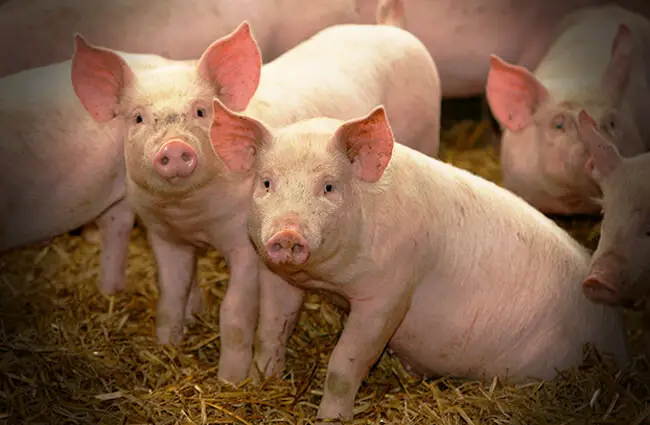
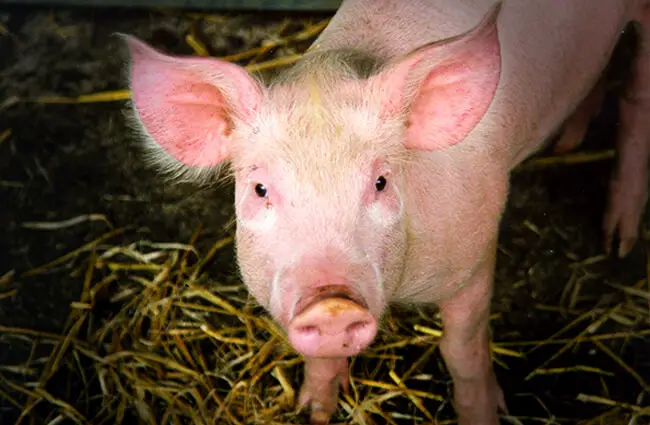
The term “pig” broadly refers to any animal in the genus Sus, part of the family Suidae. This includes both the wild boar (Sus scrofa) and its domesticated descendants. Characterized by their stout bodies, short legs, prominent snouts ending in a disk-like nose, and often sparse, coarse hair, pigs are instantly recognizable. Their unique snout, supported by a special bone called the prenasal bone, is a highly sensitive and muscular tool, perfectly adapted for rooting through soil in search of food.
Pigs are known for their keen sense of smell, which is far superior to their eyesight. They communicate through a diverse repertoire of grunts, squeals, and snorts, each conveying different meanings, from alarm to contentment. While often associated with mud, their wallowing behavior is not merely for enjoyment; it serves crucial physiological functions, helping them regulate body temperature and protect their skin from parasites and sun exposure.
A Global Presence: Habitats and Distribution
Pigs are incredibly versatile creatures, thriving in a vast array of environments across nearly every continent. The wild boar, the ancestor of domestic pigs, is native to Eurasia and North Africa. Its natural habitats include:
- Forests: Deciduous and coniferous forests provide ample cover, food sources, and opportunities for wallowing.
- Woodlands: Areas with a mix of trees and open spaces are ideal.
- Grasslands: Especially those adjacent to forested areas or water sources.
- Swamps and Marshes: Their love for mud makes these wet environments particularly appealing.
- Agricultural Areas: Wild pigs often venture into farmlands, drawn by readily available crops.
Through human introduction, particularly of domestic pigs that have gone feral, their range has expanded dramatically. Feral pig populations are now found in North and South America, Australia, and many oceanic islands, often adapting to local conditions, from arid scrublands to tropical rainforests. This widespread distribution highlights their remarkable ecological flexibility.
The Omnivore’s Delight: Pig Diet
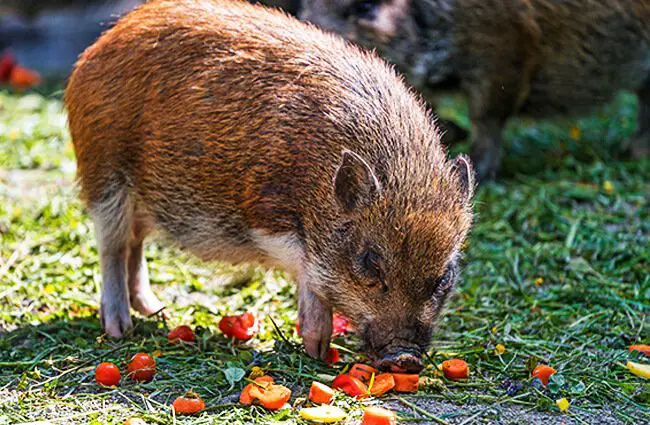
Pigs are classic omnivores, meaning their diet consists of both plant and animal matter. This dietary flexibility is a key factor in their success across diverse habitats. Their powerful snouts are perfectly designed for rooting, allowing them to unearth a wide variety of food sources. A typical pig’s diet can include:
- Plant Material:
- Roots, tubers, and bulbs
- Fungi (including truffles, which they are famously good at finding)
- Fruits, berries, and nuts (acorns are a particular favorite)
- Seeds and grains
- Leaves, shoots, and grasses
- Animal Material:
- Insects, grubs, and larvae
- Earthworms
- Small rodents and reptiles
- Eggs of ground-nesting birds
- Carrion (dead animals)
This varied diet allows them to exploit whatever resources are available in their environment, making them highly adaptable survivors.
Social Lives: Behavior and Communication
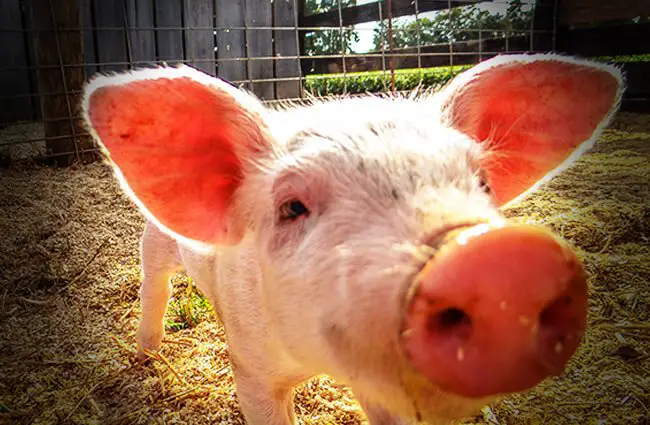
Pigs are highly social animals, especially wild boars and feral pigs, often living in groups called sounders. These sounders typically consist of a sow (adult female) and her offspring, sometimes joined by other related females and their young. Adult boars (males) are often more solitary, joining sounders primarily during the breeding season. Within these groups, pigs establish dominance hierarchies, often through playful sparring and vocalizations.
Their communication is sophisticated and varied:
- Vocalizations: A wide range of grunts, squeals, snorts, and barks convey alarm, hunger, contentment, or a call to gather. Piglets, for instance, emit distinct squeals when separated from their mother.
- Body Language: Tail movements, ear positions, and postures all play a role in conveying messages within the group.
- Scent Marking: Pigs use scent glands and urine to mark territory and communicate reproductive status.
Pigs are also remarkably intelligent, capable of solving complex problems, learning quickly, and even using tools in some observed instances. Their cognitive abilities often rival those of dogs and even some primates.
The Cycle of Life: Mating and Reproduction
The reproductive cycle of pigs is a testament to their evolutionary success. Sows typically reach sexual maturity between 6 and 12 months of age, depending on breed and environmental conditions. Boars mature slightly later. The breeding season for wild pigs can vary by region, but often peaks in autumn, allowing piglets to be born in spring when food resources are abundant.
- Gestation: The gestation period for a sow is approximately 3 months, 3 weeks, and 3 days (around 114 days).
- Litter Size: Sows give birth to litters of piglets, ranging from 4 to 12 or even more, depending on the individual and breed. This high reproductive rate contributes significantly to their population growth.
- Nesting: Before farrowing (giving birth), a sow will often construct a nest using branches, leaves, and grass, providing a safe and warm environment for her newborns.
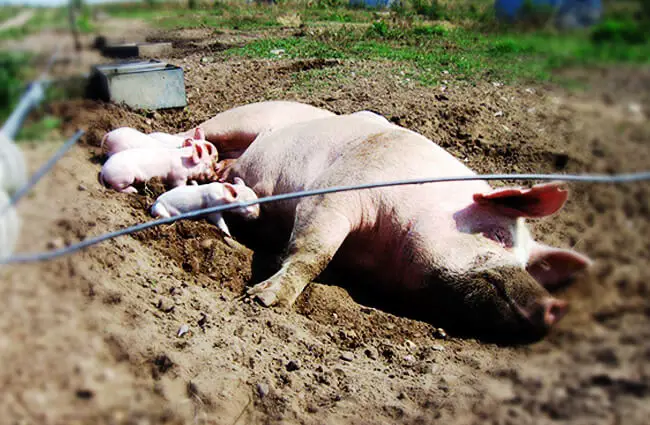
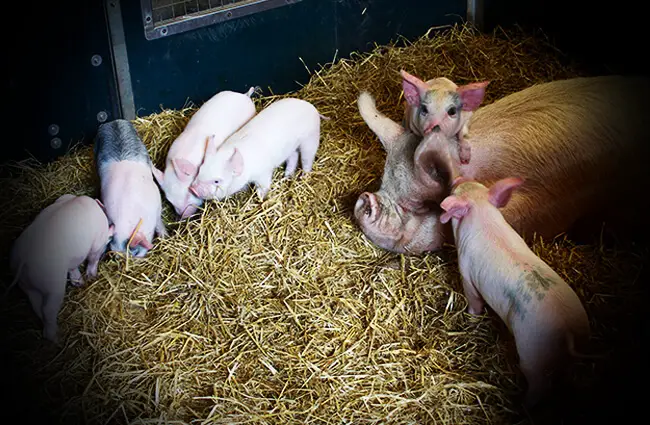
- Parental Care: Piglets are born precocial, meaning they are relatively mature and mobile at birth, but they are entirely dependent on their mother for milk and protection. They nurse frequently, often competing for the most productive teats. Sows are fiercely protective of their young.
- Weaning: Piglets are typically weaned between 3 and 4 weeks of age in domestic settings, though in the wild, they may continue to suckle for several months while also foraging for solid food.
An Ancient Lineage: Pig Evolution History
The evolutionary journey of the pig is a fascinating tale stretching back millions of years. The family Suidae, which includes pigs, warthogs, and babirusas, originated in Asia during the Oligocene epoch, approximately 30-40 million years ago. Early suids were small, forest-dwelling animals, but over time, they diversified and spread across continents.
The modern wild boar, Sus scrofa, emerged in Southeast Asia and subsequently expanded its range across Eurasia and North Africa. Domestication of the wild boar is believed to have occurred independently in multiple regions, primarily in China and the Near East, roughly 9,000 to 10,000 years ago. This process involved humans selectively breeding wild boars for traits such as docility, faster growth, and larger litter sizes, leading to the diverse array of domestic pig breeds we see today. Genetic studies reveal a complex history of interbreeding between different wild boar populations and early domestic pigs, shaping the genetic landscape of modern swine.
Pigs in the Wild: Finding and Interacting
For the dedicated animal lover or aspiring zoologist, encountering a wild pig can be an exhilarating experience. However, it requires knowledge and respect for these powerful animals.
Where to Find Wild Pigs
Wild pigs, including wild boars and feral domestic pigs, are found in a wide range of habitats globally. To increase your chances of a sighting:
- Research Local Populations: Identify areas known for wild pig activity in your region. National parks, large forest reserves, and remote agricultural lands are common haunts.
- Look for Signs: Pigs leave distinct traces. Keep an eye out for:
- Rooting: Patches of disturbed soil where they have dug for food.
- Wallows: Muddy depressions where they cool off and deter parasites.
- Tracks: Two prominent hoof prints, often with smaller dewclaw prints behind them, especially in soft ground.
- Rubbing Posts: Trees or posts with mud and hair rubbed off them.
- Timing is Key: Wild pigs are often crepuscular (active at dawn and dusk) or nocturnal, especially in areas with human activity. Early morning or late afternoon are prime viewing times.
- Be Patient and Quiet: Pigs have excellent hearing and smell. Move slowly, quietly, and use binoculars to observe from a distance.
Encountering a Wild Pig: What to Do
While generally shy, wild pigs can be dangerous if provoked or cornered, especially a sow with piglets or a large boar. If you encounter a wild pig:
- Maintain Distance: Give the animal plenty of space. Do not approach it, especially if it has young.
- Stay Calm: Sudden movements or loud noises can startle or provoke an animal.
- Do Not Feed: Feeding wild animals habituates them to humans, which can lead to aggressive behavior and is detrimental to their natural foraging instincts.
- Make Yourself Known: If a pig seems unaware of your presence, speak in a calm, clear voice to avoid startling it.
- Back Away Slowly: If the pig appears agitated (snorting, bristling hair, stomping feet), slowly and calmly retreat the way you came. Do not turn your back and run, as this can trigger a chase response.
- Seek High Ground: If a charge seems imminent, try to climb a sturdy tree or large rock. Wild pigs are not adept climbers.
- Protect Yourself: In the rare event of an attack, fight back aggressively.
Ecosystem Engineers: Pig’s Role in Nature
Pigs, particularly wild and feral populations, play a significant and often complex role in their ecosystems. They are, in many ways, “ecosystem engineers” due to their rooting behavior.
- Soil Aeration and Nutrient Cycling: By digging and turning over soil, pigs aerate it, which can benefit plant growth and help decompose organic matter, cycling nutrients back into the ecosystem.
- Seed Dispersal: As they consume fruits and seeds, pigs can disperse them through their droppings, aiding in plant propagation.
- Prey for Predators: Piglets and even adult pigs can be a food source for large predators like wolves, bears, and big cats, contributing to the food web.
- Impact on Vegetation: Intensive rooting can disturb native vegetation, creating open patches that allow new plants to colonize. However, in non-native environments, this can lead to the spread of invasive species and damage to sensitive habitats.
- Water Quality: Wallowing can disturb stream banks and muddy water sources, potentially impacting aquatic life and water quality.
The impact of pigs on an ecosystem can be highly context-dependent, with native wild boars having a more integrated role than invasive feral pig populations, which often cause significant ecological damage.
Pigs and Humanity: A Complex Relationship
The relationship between humans and pigs is one of the longest and most multifaceted in history, spanning millennia and touching upon culture, economy, science, and even ethics.
Cultural Significance
Pigs hold diverse symbolic meanings across cultures:
- Prosperity and Fertility: In many cultures, particularly East Asian ones, pigs symbolize wealth, good fortune, and fertility. The Chinese zodiac features the pig as a sign of honesty, generosity, and diligence.
- Sacrifice and Feasting: Historically, pigs were important sacrificial animals in various ancient religions and remain central to celebratory feasts in many parts of the world.
- Negative Connotations: In some Abrahamic religions, pigs are considered unclean, leading to dietary restrictions. In Western idioms, “pig” can sometimes be used to denote greed or slovenliness, though this often contrasts with their actual behavior.
- Children’s Literature and Toys: From “Piglet” in Winnie the Pooh to “Peppa Pig,” these animals are beloved characters, often portrayed as friendly and intelligent.
Contributions to Science and Medicine
Beyond their role in agriculture, pigs have made invaluable contributions to scientific research and medicine:
- Organ Transplants (Xenotransplantation): Pigs are considered a promising source of organs for human transplantation due to their physiological similarities and the ability to genetically modify them to reduce rejection.
- Drug Development: Their physiological resemblance to humans makes them excellent models for studying diseases and testing new drugs, particularly in cardiovascular, digestive, and dermatological research.
- Insulin Production: Historically, pig insulin was a primary source for treating diabetes before the advent of synthetic human insulin.
- Surgical Training: Pig cadavers are often used in medical schools for surgical training due to their anatomical similarities to humans.
Caring for Captive Pigs: A Zookeeper’s Guide
Caring for pigs in a captive environment, whether in a zoo, sanctuary, or research facility, requires a deep understanding of their needs and behaviors. A zookeeper’s role is crucial in ensuring their welfare.
Essential Care Tasks
- Dietary Management: Provide a balanced diet appropriate for the pig’s age, breed, and activity level. This typically includes commercial pig feed supplemented with fresh vegetables, fruits, and hay. Monitor intake to prevent obesity.
- Cleanliness and Hygiene: Regularly clean enclosures to prevent disease. Pigs appreciate clean bedding and access to fresh water.
- Wallowing Opportunities: Provide a mud wallow or a shallow pool of water. This is vital for skin health, temperature regulation, and natural behavior.
- Environmental Enrichment: Pigs are intelligent and prone to boredom. Offer a variety of enrichment items:
- Foraging Opportunities: Scatter food, use puzzle feeders, or hide treats.
- Rooting Substrates: Provide deep bedding or soil for them to root through.
- Toys: Durable balls, logs, or chew toys.
- Social Interaction: If compatible, house pigs in groups.
- Veterinary Care: Establish a routine veterinary schedule for vaccinations, deworming, and health checks. Be vigilant for signs of illness, such as lethargy, changes in appetite, or unusual discharges.
- Temperature Regulation: Provide shade in hot weather and shelter from cold and wind. Pigs cannot sweat effectively and are susceptible to heatstroke.
- Hoof and Tusk Care: Monitor hoof growth and trim if necessary. For boars, tusks may need to be trimmed to prevent injury to themselves or others.
What to Avoid
- Overfeeding: Pigs can easily become obese, leading to health problems.
- Isolation: Unless medically necessary, avoid keeping social pigs in complete isolation.
- Lack of Enrichment: Boredom can lead to destructive behaviors or stress.
- Poor Sanitation: Unclean environments are breeding grounds for parasites and diseases.
- Sudden Dietary Changes: Introduce new foods gradually to avoid digestive upset.
- Harsh Handling: Pigs respond best to calm, consistent handling. Avoid yelling or aggressive actions.
- Ignoring Behavioral Cues: Learn to read a pig’s body language to understand its mood and needs.
Fascinating Pig Facts
Still curious about these incredible animals? Here’s a list of intriguing facts that highlight their unique characteristics:
- Pigs have an excellent sense of smell, often used commercially to find truffles.
- They are among the smartest animals, often ranking higher than dogs in intelligence tests.
- Pigs cannot sweat, which is why they wallow in mud to cool down. The mud also acts as a natural sunscreen and insect repellent.
- A group of pigs is called a “sounder.”
- Newborn pigs are called “piglets.”
- Adult female pigs are called “sows,” and adult male pigs are called “boars.”
- Pigs have a diverse vocabulary of over 20 different vocalizations.
- Their gestation period is famously 3 months, 3 weeks, and 3 days.
- Pigs have four toes on each foot, but only the two middle toes are used for walking.
- They are naturally clean animals and, given the choice, will not soil their sleeping or eating areas.
- Pigs have a strong sense of family and will often sleep nose-to-nose.
- Some domestic pigs can run a mile in under seven minutes.
- The largest pig ever recorded weighed over 2,500 pounds.
- Pigs have a panoramic vision of about 310 degrees.
- They can learn their names and respond when called.
- Pigs dream, just like humans and many other mammals.
- Their snouts are incredibly strong and sensitive, capable of detecting food buried deep underground.
- Pigs have been observed using tools, such as sticks, to dig or move objects.
- Some breeds of pigs, like the Kunekune, are known for their friendly and docile nature, making them popular pets.
- Pigs have a lifespan of 10 to 15 years, though some can live longer.
Conclusion
From their ancient origins as wild boars roaming primeval forests to their modern roles in agriculture, science, and even as beloved companions, pigs are truly remarkable creatures. Their intelligence, adaptability, and complex social behaviors challenge many preconceived notions, revealing an animal far more sophisticated than often portrayed. Understanding the pig means appreciating its ecological impact, its cultural significance, and the profound ways it has intertwined with human history. Whether encountered in the wild, observed in a zoo, or simply considered in a research paper, the pig offers endless avenues for fascination and study, reminding us of the rich tapestry of life on Earth.
![Closeup of a beautiful Red Angus cowPhoto by: U.S. Department of Agriculture [pubic domain]https://creativecommons.org/licenses/by/2.0/](https://animals.net/wp-content/uploads/2020/03/Red-Angus-4-238x178.jpg "Red Angus")
![Closeup of a beautiful Red Angus cowPhoto by: U.S. Department of Agriculture [pubic domain]https://creativecommons.org/licenses/by/2.0/](https://animals.net/wp-content/uploads/2020/03/Red-Angus-4-100x75.jpg "Red Angus")