
The Enigmatic Oil Fish: A Deep Dive into the Ocean’s Oily Mystery
Beneath the vast, shimmering surface of our oceans lies a world of wonder, populated by creatures as mysterious as they are magnificent. Among them is a fish whose very name hints at its unique composition: the Oil Fish. Far from being just another denizen of the deep, this fascinating creature holds secrets about adaptation, survival, and even human interaction that are truly captivating. Join us as we explore the depths to uncover the truths about this remarkable marine marvel.
What Exactly is an Oil Fish? Unveiling a Deep-Sea Enigma
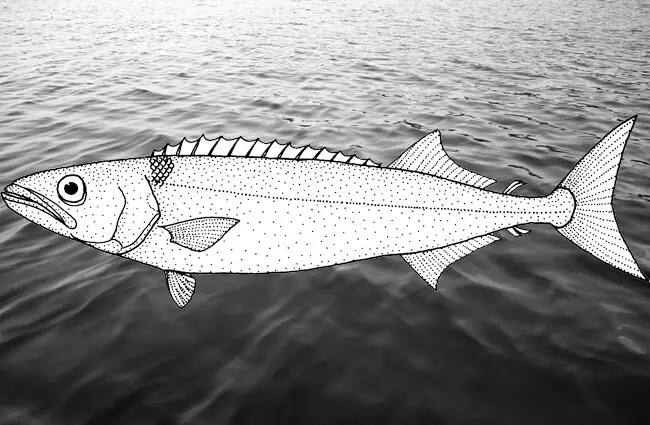
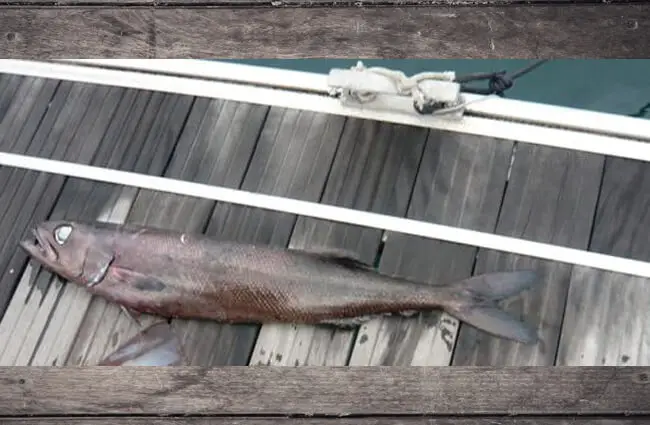
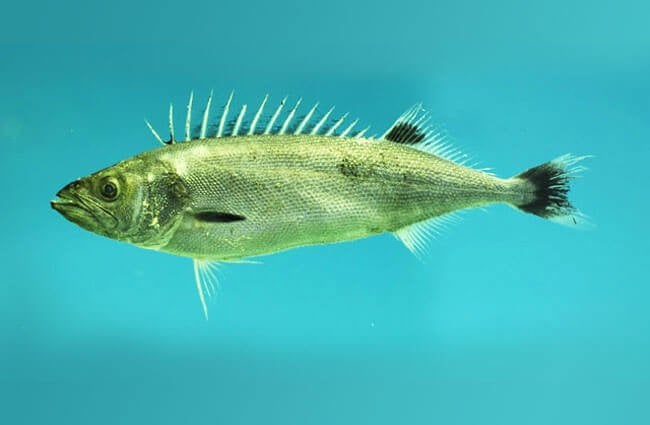
The term “Oil Fish” most commonly refers to species like Ruvettus pretiosus, also known as the escolar or castor oil fish, though the true Oil Fish is often specifically Ruvettus pretiosus. This deep-sea inhabitant belongs to the Gempylidae family, a group of snake mackerels. Visually, the Oil Fish is a formidable sight, typically growing to impressive lengths, often exceeding 2 meters (6.5 feet) and weighing over 50 kilograms (110 pounds). Its body is elongated and robust, covered in rough, bony scales that give it a sandpaper-like texture. The coloration usually ranges from dark brown to black, a common camouflage strategy for creatures dwelling in the perpetual twilight of the mesopelagic and bathypelagic zones.
What truly sets the Oil Fish apart, and gives it its evocative name, is its extraordinary flesh. Unlike most fish, a significant portion of its body mass, particularly its muscle tissue, is composed of wax esters. These indigestible lipids are stored instead of typical fats, giving the fish a uniquely oily texture and flavor, but also posing a significant digestive challenge for those who consume it.
Where Do Oil Fish Live? Unveiling Their Deep-Sea Domain
The Oil Fish is a truly cosmopolitan species, found in tropical and temperate waters across the globe. Its preferred habitat is the deep ocean, typically ranging from depths of 100 meters (330 feet) down to over 800 meters (2,600 feet), though they can occasionally be found shallower or deeper. These depths are characterized by cold temperatures, immense pressure, and very little to no sunlight. Oil Fish are often observed near continental slopes, seamounts, and oceanic ridges, areas where nutrient upwellings can support a diverse food web. They are pelagic, meaning they live in the open water column, but are also known to be demersal, associating with the seabed during certain periods or for specific activities. Their wide distribution suggests a remarkable adaptability to varying deep-sea conditions, making them a successful predator across vast stretches of the world’s oceans.
A Glimpse into the Past: The Oil Fish’s Evolutionary Journey
The evolutionary history of the Oil Fish, like many deep-sea species, is a tale of adaptation to extreme environments. Belonging to the order Scombriformes, which includes tunas and mackerels, the Oil Fish represents a lineage that ventured into the deep ocean, developing specialized traits for survival in a world of darkness and scarcity. Its ancestors likely inhabited shallower waters, gradually adapting to deeper realms over millions of years. Key evolutionary adaptations include its large eyes, optimized for detecting faint light or bioluminescence, and a robust, muscular body built for powerful bursts of speed to ambush prey. The most striking adaptation, the storage of wax esters, is believed to be an energy storage strategy, providing buoyancy and a long-term energy reserve in an environment where food can be unpredictable. While fossil records of deep-sea fish are generally sparse due to the challenging conditions for fossilization, genetic studies continue to shed light on the Oil Fish’s lineage, placing it firmly within a group of highly specialized oceanic predators.
The Deep-Sea Diner: What’s on the Oil Fish’s Menu?
As a formidable predator of the deep, the Oil Fish occupies a crucial position in the mesopelagic food web. Its diet primarily consists of other deep-sea fish, squid, and crustaceans. Equipped with a large mouth and sharp teeth, it is an opportunistic hunter, ambushing unsuspecting prey that ventures too close. Studies of stomach contents reveal a varied menu, indicating its adaptability in foraging. Common prey items include lanternfish, hatchetfish, and various species of deep-sea squid. The Oil Fish’s powerful swimming capabilities allow it to pursue fast-moving prey, while its dark coloration provides excellent camouflage against the dim backdrop of its habitat. Its role as a top predator helps regulate populations of smaller deep-sea organisms, contributing to the delicate balance of this often-overlooked ecosystem.
Love in the Deep: Mating and Reproduction of the Oil Fish
Details about the mating and reproduction processes of deep-sea fish like the Oil Fish are often challenging to observe directly, making them subjects of ongoing scientific inquiry. However, based on observations of related species and occasional catches of gravid females, certain patterns can be inferred. Oil Fish are believed to be broadcast spawners, releasing eggs and sperm into the water column where fertilization occurs externally. The eggs are likely pelagic, floating freely in the open ocean currents, possibly at shallower depths where food resources for developing larvae are more abundant. Larval Oil Fish would then undergo a transformation, gradually descending to deeper waters as they mature. There is no evidence of parental care in Oil Fish, a common characteristic among many oceanic fish species where vast numbers of eggs are produced to maximize survival rates. The timing of spawning may be linked to seasonal upwellings or other environmental cues that enhance the chances of larval survival.
The Oil Fish’s Role in the Grand Ocean Tapestry
In the vast and often sparsely populated deep ocean, every creature plays a vital role, and the Oil Fish is no exception. As a significant predator, it helps control the populations of various mesopelagic and bathypelagic organisms, including smaller fish and cephalopods. This predatory pressure contributes to the overall health and stability of the deep-sea food web. Conversely, juvenile Oil Fish may serve as prey for larger deep-sea predators, though adult Oil Fish have few natural enemies due to their size and formidable nature. Their wide distribution also means they can act as a conduit for energy transfer across different oceanic zones, consuming prey from one depth and potentially being consumed or dying at another, thus cycling nutrients. While not known for direct symbiotic relationships, their presence is an indicator of a healthy deep-sea ecosystem capable of supporting large, active predators.
Oil Fish and Humanity: A Complex Relationship
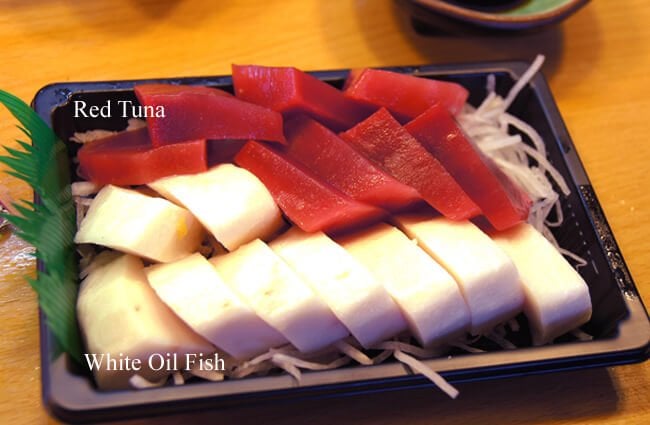
The interaction between Oil Fish and humans is primarily centered around fishing and consumption, a relationship that is both economically significant and fraught with unique challenges. Oil Fish are caught commercially, often as bycatch in tuna and swordfish fisheries, but also targeted specifically in some regions. They are valued for their firm, white flesh, which is often marketed as “white tuna” or “butterfish” in some parts of the world. However, the high concentration of indigestible wax esters in their flesh means that consumption can lead to a condition known as keriorrhea, characterized by oily, orange diarrhea. This digestive reaction is harmless but unpleasant, leading to strict recommendations for moderate consumption and careful preparation. In some cultures, the fish is consumed in small quantities, often grilled to allow some of the oil to render out. Due to the potential for mislabeling and the digestive effects, some countries have regulations or advisories regarding the sale and consumption of Oil Fish. Despite these challenges, its unique properties have given it a distinct, albeit sometimes controversial, place in human culinary practices.
Fascinating Facts About the Oil Fish
- Wax Ester Wonder: Up to 25% of the Oil Fish’s body weight can be composed of wax esters, which are indigestible by humans.
- Deep-Sea Dweller: It thrives in depths ranging from 100 to over 800 meters, adapting to immense pressure and cold temperatures.
- Global Traveler: Oil Fish are found in tropical and temperate waters worldwide, showcasing their broad adaptability.
- Misleading Identity: Often mislabeled as “white tuna” or “butterfish,” leading to consumer confusion and potential digestive issues.
- Rough Exterior: Its skin is covered in rough, bony scales, giving it a distinctive sandpaper-like texture.
- Powerful Predator: Equipped with a large mouth and sharp teeth, it is an efficient hunter of squid and other deep-sea fish.
- Nocturnal Hunter: Believed to be more active at night, using its large eyes to hunt in the dim light of the deep ocean.
- Longevity: Like many deep-sea species, Oil Fish are thought to be long-lived, though precise age data is still being gathered.
- Buoyancy Aid: The wax esters not only serve as an energy reserve but also contribute to the fish’s buoyancy in the deep water column.
Seeking the Elusive Oil Fish: A Guide for Animal Lovers
For the dedicated animal lover hoping to encounter an Oil Fish in its natural habitat, the challenge is significant due to its deep-sea dwelling nature. Direct observation in the wild typically requires specialized equipment. Here’s what to consider:
- Location: Oil Fish are found globally in tropical and temperate deep waters. Prime areas include the continental slopes off major landmasses, such as the Atlantic coast of North America, the waters around the Canary Islands, and various Pacific and Indian Ocean regions.
- Methods of Observation:
- Deep-Sea Submersibles: The most direct, albeit highly specialized and expensive, method. Research expeditions sometimes use remotely operated vehicles (ROVs) or human-occupied vehicles (HOVs) to explore these depths.
- Commercial Fishing Vessels: Oil Fish are often caught as bycatch. Observing operations on a commercial deep-sea longlining or trawling vessel (if permitted and ethical) might offer a chance to see a specimen.
- Sport Fishing: Deep-sea sport fishing charters targeting large pelagic species might occasionally hook an Oil Fish. This is a less reliable method for observation but a possibility for interaction.
- Ethical Considerations: Always prioritize the well-being of marine life. If observing fishing operations, ensure sustainable practices are followed. For direct observation, minimize disturbance to the deep-sea environment.
Remember, encountering an Oil Fish in the wild is a rare and special event, a testament to the vastness and mystery of the deep ocean.
The Aspiring Zoologist’s Handbook: Diving Deeper into Oil Fish Biology
For aspiring zoologists captivated by deep-sea ichthyology, the Oil Fish presents a fascinating subject for study. Research into this species offers numerous avenues for contribution:
- Ecological Role: Investigate its precise position in various deep-sea food webs. What are its primary predators and prey at different life stages? How does its presence influence the distribution and abundance of other species?
- Physiological Adaptations: Delve into the biochemistry of its wax ester storage. How does the Oil Fish synthesize and metabolize these unique lipids? What are the implications for its buoyancy, energy reserves, and overall physiology in a high-pressure, low-temperature environment?
- Reproductive Biology: Further research into its spawning grounds, larval development, and reproductive cycles is crucial. Understanding these aspects can inform conservation efforts.
- Population Dynamics and Conservation: Assess population health, growth rates, and fishing pressure. Is the Oil Fish susceptible to overfishing, particularly as bycatch? What are the most effective management strategies?
- Evolutionary History: Utilize genetic sequencing and comparative genomics to refine its phylogenetic placement and understand its evolutionary divergence from shallower-water relatives.
Career paths in this field often involve marine biology, oceanography, fisheries science, and conservation biology. Opportunities exist in academic research, government agencies, and non-profit organizations dedicated to marine science. Mastering deep-sea sampling techniques, molecular biology, and ecological modeling will be invaluable.
Encountering an Oil Fish in the Wild: What to Do
Given that Oil Fish are deep-sea creatures, a “hiker” is unlikely to encounter one unless they are on a deep-sea fishing vessel or if a specimen washes ashore. Here’s guidance for such rare encounters:
- On a Fishing Vessel:
- Identification: Confirm it is an Oil Fish (Ruvettus pretiosus) by its dark, rough skin, large eyes, and robust body.
- Handling: If caught, handle with care. The fish can be slippery due to its oil content. Use gloves to protect your hands from its rough scales and potential slime.
- Consumption Advisory: If considering consumption, be aware of the wax ester content. Consume only a very small portion (e.g., a few ounces) and be prepared for potential digestive upset. It is generally advised to avoid large quantities.
- Release: If not intended for consumption and the fish is still alive, release it gently back into the water, minimizing stress and injury.
- Washed Ashore:
- Do Not Consume: A beached fish’s freshness is questionable, and consuming it could lead to food poisoning in addition to the wax ester effects.
- Observe and Report: Take photos and note the location, date, and any unusual observations. Report the sighting to local marine biology institutions, fisheries departments, or wildlife authorities. This data can be valuable for monitoring species distribution and ocean health.
- Do Not Touch: Avoid direct contact with a deceased or distressed marine animal unless you are a trained professional, as there could be health risks or regulatory implications.
In all scenarios, prioritize safety and responsible interaction with marine wildlife.
Caring for Oil Fish in Captivity: A Zookeeper’s Challenge
Keeping deep-sea species like the Oil Fish in captivity presents monumental challenges, making them extremely rare inhabitants of public aquariums. The specialized requirements demand advanced infrastructure and expertise:
- Habitat Replication:
- Pressure: Recreating deep-sea pressure is the most significant hurdle. Most aquariums operate at surface pressure, which is lethal to many true deep-sea organisms. Specialized hyperbaric tanks are required, which are complex and expensive.
- Temperature: Maintaining consistently cold temperatures (typically 2-10°C or 35-50°F) is crucial, requiring robust cooling systems.
- Light: A low-light or near-dark environment is essential to mimic their natural habitat and reduce stress.
- Water Quality: Pristine water quality, including specific salinity, pH, and dissolved oxygen levels, must be meticulously maintained.
- Diet and Feeding:
- Natural Prey: Providing a diet of deep-sea squid, fish, and crustaceans that closely mimics their natural prey is vital. This often requires sourcing specialized frozen or live feeds.
- Feeding Schedule: Understanding their natural feeding rhythms and metabolic rates to establish an appropriate feeding schedule.
- Health Monitoring:
- Behavioral Observation: Closely monitoring swimming patterns, appetite, and interactions for any signs of stress or illness.
- Water Parameters: Regular and precise testing of all water parameters is non-negotiable.
- Veterinary Care: Access to veterinarians specialized in marine and deep-sea species is critical for diagnostics and treatment.
- Challenges and Avoidances:
- Stress: Deep-sea fish are highly susceptible to stress from changes in pressure, temperature, light, and handling. Minimize all forms of disturbance.
- Injury: Their rough scales can cause abrasions to tank linings or other fish. Careful tank design and appropriate tank mates (if any) are necessary.
- Ethical Considerations: The extreme difficulty and high mortality rates associated with capturing and maintaining deep-sea species raise significant ethical questions about their suitability for captivity. Many institutions choose not to attempt it, focusing instead on research in their natural environment.
Successfully housing an Oil Fish in captivity would represent a monumental achievement in marine husbandry, pushing the boundaries of what is possible in aquarium science.
![Closeup of a beautiful Red Angus cowPhoto by: U.S. Department of Agriculture [pubic domain]https://creativecommons.org/licenses/by/2.0/](https://animals.net/wp-content/uploads/2020/03/Red-Angus-4-238x178.jpg "Red Angus")

![Closeup of a beautiful Red Angus cowPhoto by: U.S. Department of Agriculture [pubic domain]https://creativecommons.org/licenses/by/2.0/](https://animals.net/wp-content/uploads/2020/03/Red-Angus-4-100x75.jpg "Red Angus")