The Jewel of the Amazon: Unraveling the Secrets of the Neon Tetra
Deep within the shadowy, tannin-stained waters of the Amazon basin, a tiny beacon of life flashes with an almost otherworldly glow. This is the Neon Tetra, Paracheirodon innesi, a fish so captivating it has charmed its way into aquariums and hearts across the globe. Far more than just a pretty face, this diminutive creature holds a wealth of biological wonders and plays a significant role in both its natural ecosystem and human culture. Join us on an exploration of this vibrant aquatic gem, from its evolutionary roots to its intricate interactions with the world around it.
Unveiling the Neon Tetra: Basic Biology and Identification
A Glimmering Appearance
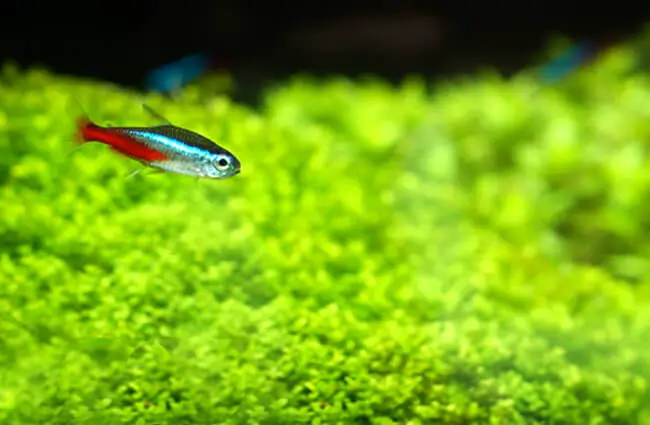
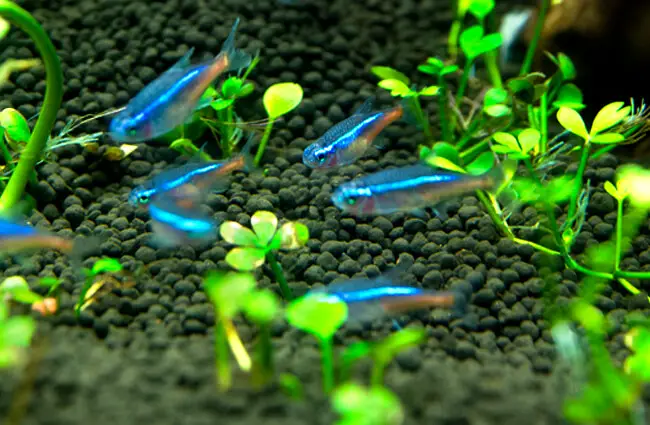
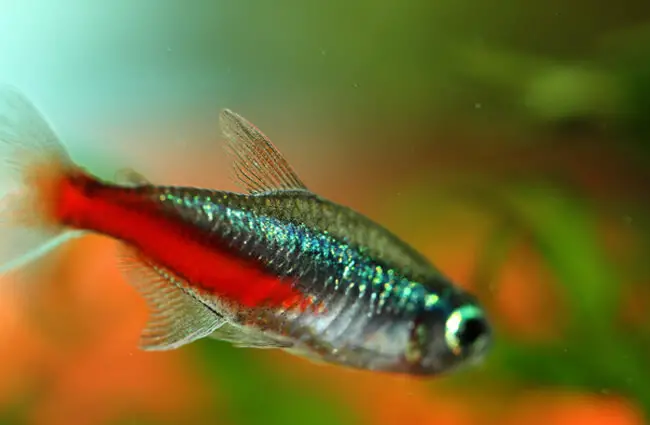
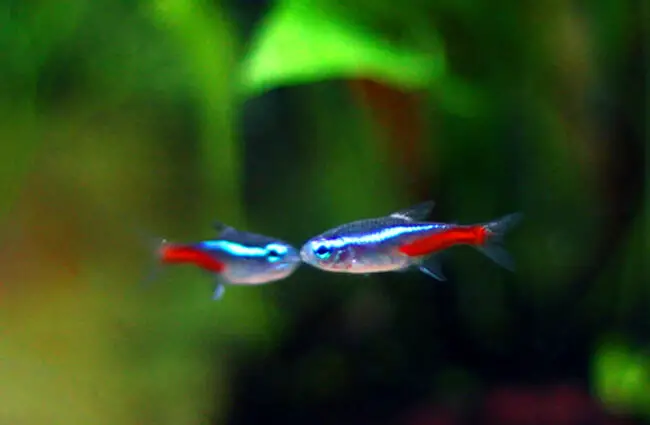
The Neon Tetra is instantly recognizable by its striking coloration. A brilliant, iridescent blue-green stripe runs horizontally along its upper flank, from the snout to the adipose fin. Below this, a vivid red stripe extends from the middle of the body to the caudal fin. This combination creates a stunning visual effect, particularly when observed in schools. These fish are small, typically reaching an adult size of only 3 to 4 centimeters (1.2 to 1.6 inches), making them one of the smaller members of the Characidae family. Their bodies are torpedo-shaped, perfectly adapted for navigating the gentle currents of their native rivers.
Scientific Classification
Understanding an animal often begins with its place in the grand tree of life. The Neon Tetra’s classification reveals its lineage and relationships:
- Kingdom: Animalia
- Phylum: Chordata
- Class: Actinopterygii (Ray-finned fishes)
- Order: Characiformes (Characins and allies)
- Family: Characidae (Tetras and piranhas)
- Genus: Paracheirodon
- Species: Paracheirodon innesi
Where the Wild Things Are: Neon Tetra Habitat and Distribution
The natural home of the Neon Tetra is the slow-moving, blackwater and clearwater streams of the Amazon basin in southeastern Colombia, eastern Peru, and western Brazil. These environments are characterized by dense vegetation, submerged roots, and leaf litter, which release tannins into the water, giving it a tea-stained appearance and making it highly acidic and soft. The water temperature typically ranges from 20 to 26 degrees Celsius (68 to 79 degrees Fahrenheit), with a pH between 4.0 and 6.0, and very low hardness. These specific conditions are crucial for their survival and thriving.
For an animal lover hoping to find Neon Tetras in the wild, the search would lead to these remote regions of the Amazon. One would need to explore the smaller tributaries, oxbow lakes, and flooded forest areas, particularly those with dense riparian vegetation providing shade and cover. Observing them would require patience and a keen eye, as they often school near the bottom or amidst submerged plants, their vibrant colors momentarily flashing through the dim light. However, it is important to remember that these are delicate ecosystems, and observation should always prioritize minimal disturbance.
A Taste for Life: Neon Tetra Diet and Feeding Habits
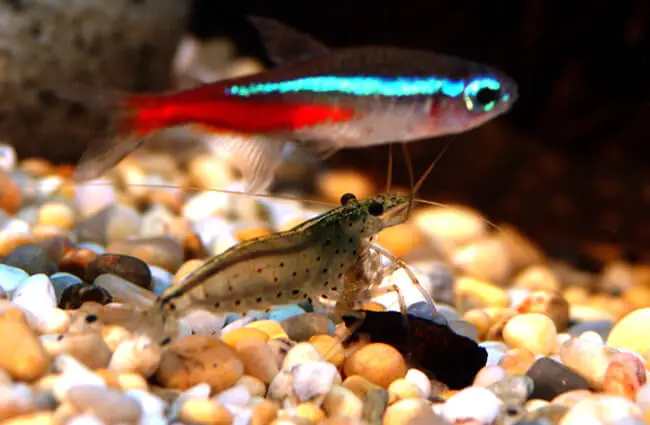
In their natural habitat, Neon Tetras are omnivores with a preference for small invertebrates. Their diet primarily consists of tiny crustaceans, insect larvae, and other zooplankton found drifting in the water column or clinging to submerged vegetation. They also supplement their meals with algae and detritus, playing a role in the decomposition cycle. Their small mouths are perfectly suited for picking at these minute food sources. In captivity, their diet is easily replicated with high-quality flake foods, micro-pellets, and occasional treats of live or frozen brine shrimp, daphnia, or bloodworms, ensuring they receive a balanced nutritional intake.
The Dance of Life: Mating and Reproduction
Neon Tetras are egg-layers that exhibit no parental care after spawning. In the wild, reproduction is often triggered by specific environmental cues, such as heavy rainfall leading to an abundance of food and slightly cooler, softer water. During spawning, a female will scatter hundreds of tiny, transparent, adhesive eggs among fine-leaved plants or moss. A male will then follow, fertilizing the eggs. The eggs typically hatch within 24 to 36 hours, and the fry become free-swimming a few days later. The parents, if not separated, may consume their own eggs and fry, a common behavior among many small fish species. The fry are incredibly small and require microscopic food sources, such as infusoria, in their initial stages of development.
Evolutionary Journey: A Glimpse into the Past
The evolutionary history of the Neon Tetra is intertwined with that of the Characidae family, a diverse group of freshwater fish that originated in South America. The distinctive iridescent stripe of the Neon Tetra is not due to pigments, but rather to guanine crystals within specialized cells called iridophores. This structural coloration allows them to reflect light in a way that creates their signature glow. This adaptation likely evolved as a form of communication and camouflage in their dark, blackwater environments. The ability to “turn off” their stripe at night or when stressed further highlights its adaptive significance, allowing them to blend into the shadows and avoid predators. Their small size and schooling behavior are also key evolutionary strategies for survival in a predator-rich environment, providing safety in numbers.
Ecosystem Architects: Neon Tetra’s Role in Nature
Interactions with Other Animals
Despite their small stature, Neon Tetras play a vital role in the intricate food web of the Amazon. They serve as a primary food source for a variety of larger fish, including cichlids and catfish, as well as aquatic birds and amphibians. Their schooling behavior is a crucial defense mechanism, making it harder for predators to single out an individual. Conversely, Neon Tetras are themselves predators of microscopic invertebrates, helping to control populations of zooplankton and insect larvae. This makes them an important link in the energy transfer within their ecosystem, converting smaller organisms into biomass that supports larger predators.
Contribution to the Ecosystem
Beyond their role as prey and predator, Neon Tetras contribute to the overall health and balance of their aquatic environment. By consuming algae and detritus, they participate in nutrient cycling, helping to keep the water clean and supporting the decomposition process. Their presence indicates a healthy, stable blackwater ecosystem, as they are sensitive to changes in water quality. They are a biological indicator of the unique conditions found in their native rivers.
Neon Tetras and Humanity: A Shared History
Cultural Significance
The Neon Tetra’s dazzling beauty has cemented its place in human culture, primarily through the aquarium hobby. It is one of the most popular freshwater aquarium fish globally, admired for its vibrant colors and peaceful schooling behavior. This popularity has led to its depiction in various forms of art, photography, and even digital media, serving as an emblem of aquatic beauty and tranquility. Its iconic stripe has inspired designs and patterns, making it a recognizable symbol even outside of fishkeeping circles.
Human Interaction
Human interaction with Neon Tetras is predominantly through the ornamental fish trade. Millions of these fish are bred in captivity each year to supply the global demand. While wild-caught specimens were once common, sustainable aquaculture practices now provide the vast majority of fish sold. This interaction highlights the importance of responsible pet ownership, ensuring that captive environments meet the specific needs of these delicate creatures. Conservation efforts also focus on protecting their natural Amazonian habitats from deforestation, pollution, and overfishing, recognizing the intrinsic value of these ecosystems.
Caring for Captive Jewels: A Zookeeper’s Guide
For zookeepers or dedicated aquarists, maintaining a healthy Neon Tetra population requires attention to detail, mimicking their natural environment as closely as possible.
Essential Care Tasks
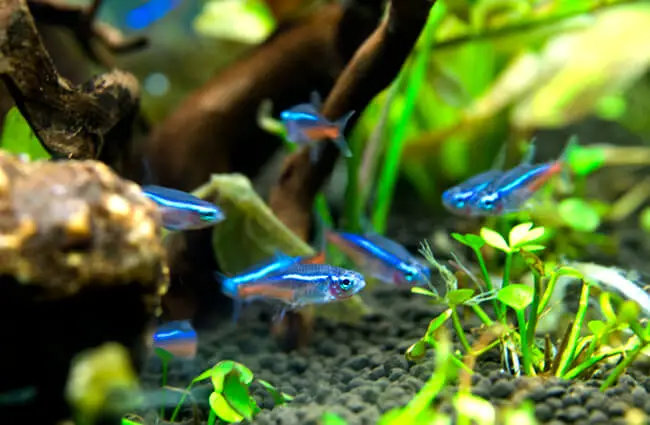
- Tank Size and Setup: A minimum of a 10-gallon tank is recommended for a small school of 6-8 individuals, though larger tanks are always better. The setup should include dense planting, driftwood, and leaf litter to replicate their blackwater habitat. Dim lighting is preferred.
- Water Parameters: Maintain stable water conditions. Temperature should be between 20-26°C (68-79°F), pH 4.0-6.0, and water hardness very soft (GH 1-5 dGH). Regular water testing is crucial.
- Diet: Feed a varied diet of high-quality flake food, micro-pellets, and occasional live or frozen foods like brine shrimp, daphnia, or bloodworms. Feed small amounts multiple times a day.
- Social Needs: Neon Tetras are schooling fish and thrive in groups of at least six, preferably more. A larger school reduces stress and encourages natural behaviors.
- Disease Prevention: Maintain excellent water quality through regular partial water changes (25% weekly) and proper filtration. Quarantine new fish to prevent the introduction of diseases.
What to Avoid
- Overfeeding: This leads to poor water quality and health issues.
- Sudden Water Changes: Large, infrequent water changes or drastic shifts in temperature/pH can shock these sensitive fish.
- Aggressive Tank Mates: Avoid housing Neon Tetras with larger, predatory, or fin-nipping fish.
- Poor Water Quality: High nitrates, ammonia, or nitrites are detrimental to their health.
- Bright Lighting: Excessive light can stress them and fade their colors.
Encountering Neon Tetras in the Wild: A Hiker’s Perspective
Should a fortunate hiker stumble upon a stream teeming with Neon Tetras in their native Amazonian range, the best course of action is simple: observe and appreciate. These are wild animals in a delicate ecosystem. Do not attempt to catch or disturb them. Enjoy the rare spectacle of their natural beauty in their pristine environment. Take photographs if possible, but always prioritize the well-being of the fish and their habitat. Remember that their survival depends on the undisturbed nature of their home.
Fascinating Facts About Neon Tetras
- Structural Coloration: The famous iridescent stripe is not pigment, but rather a result of light reflecting off guanine crystals in their skin, similar to how a prism works.
- “Lights Out” Feature: Neon Tetras can dim or “turn off” their vibrant stripe at night or when severely stressed, likely as a defense mechanism to become less visible to nocturnal predators.
- Lifespan: While relatively short-lived in the wild (perhaps 1-2 years), they can live for 3-5 years, or even longer, in a well-maintained aquarium.
- Cardinal Confusion: They are often confused with their close relative, the Cardinal Tetra (Paracheirodon axelrodi), which has a red stripe extending the full length of its body, unlike the Neon Tetra’s half-body red stripe.
- Global Popularity: The Neon Tetra is consistently ranked among the top five most popular aquarium fish worldwide, a testament to its enduring appeal.
- Schooling Behavior: Their tight schooling behavior is not just for defense, but also helps them navigate and find food more efficiently in their complex environments.
Conclusion: More Than Just a Pretty Fish
The Neon Tetra, with its dazzling colors and peaceful demeanor, is a true marvel of the aquatic world. From its specialized adaptations to life in the Amazon’s blackwater rivers to its significant role in the aquarium hobby, this tiny fish offers a window into the wonders of biodiversity and the intricate connections between species and their environment. Understanding and appreciating the Neon Tetra encourages us to protect not just this species, but the fragile ecosystems it calls home, ensuring future generations can continue to be enchanted by the jewel of the Amazon.
![Closeup of a beautiful Red Angus cowPhoto by: U.S. Department of Agriculture [pubic domain]https://creativecommons.org/licenses/by/2.0/](https://animals.net/wp-content/uploads/2020/03/Red-Angus-4-238x178.jpg "Red Angus")

![Closeup of a beautiful Red Angus cowPhoto by: U.S. Department of Agriculture [pubic domain]https://creativecommons.org/licenses/by/2.0/](https://animals.net/wp-content/uploads/2020/03/Red-Angus-4-100x75.jpg "Red Angus")