
The Reign of the Megalodon A Prehistoric Giant
For millions of years, an apex predator ruled the oceans, dwarfing even the largest sharks of today. This colossal creature, Otodus megalodon, more commonly known as the Megalodon, inspires both fascination and awe. While extinct for approximately 3.6 million years, its legacy continues to captivate scientists and the public alike. This article explores the life, evolution, and ultimate fate of this magnificent prehistoric shark, offering insights for students, animal enthusiasts, and aspiring zoologists.
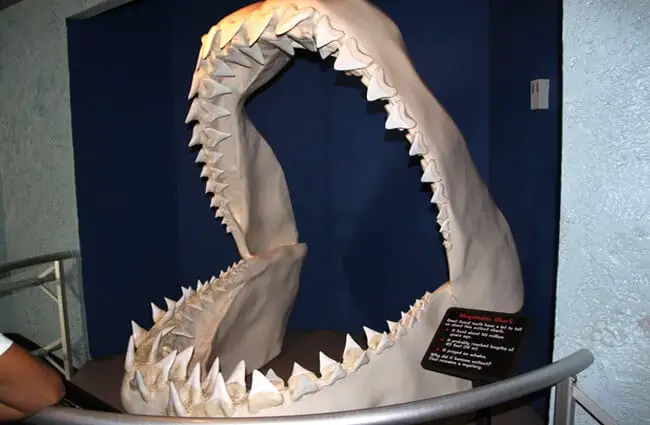
What Was the Megalodon?
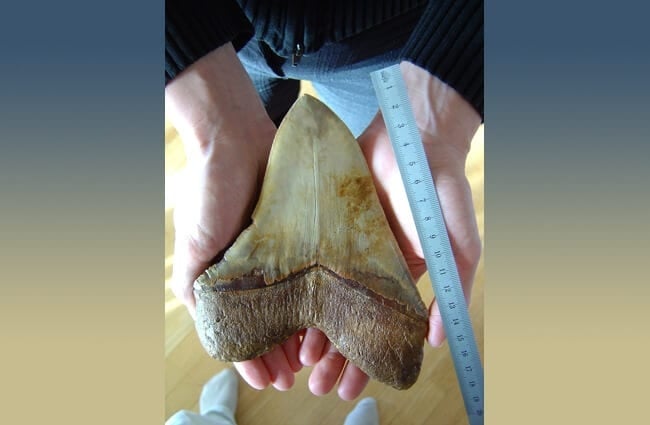
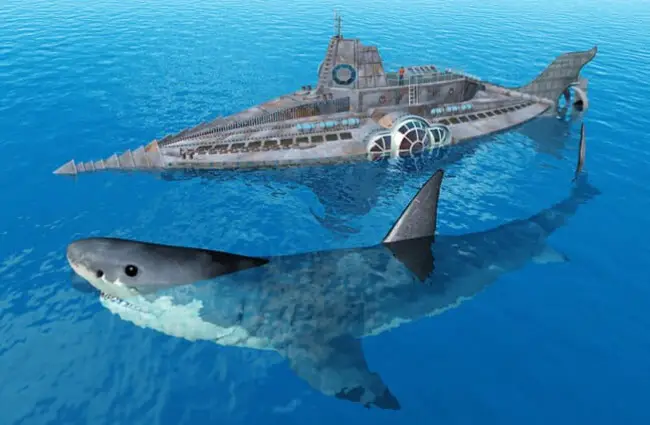
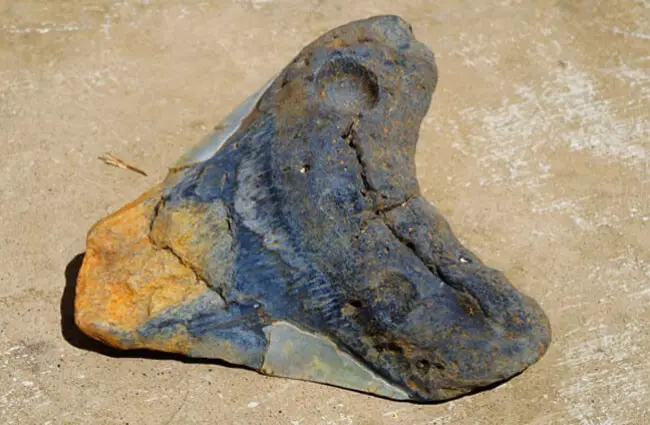
Although it belonged to the same order, Lamniformes, which includes mackerel sharks, the Megalodon was part of the extinct family Otodontidae. Estimates suggest this behemoth reached lengths of at least 50 feet, with some specimens reaching upwards of 60 feet. Its massive jaws, lined with serrated teeth exceeding seven inches in length, were perfectly adapted for tackling large prey. The sheer scale of the Megalodon is difficult to comprehend – it would have been a truly terrifying sight in the ancient oceans.
Size and Physical Characteristics
Determining the precise size of an extinct animal is challenging. Scientists rely on fragmentary remains, primarily teeth, to extrapolate overall body length. Megalodon teeth are significantly larger and more robust than those of the great white shark. Unlike bony fish, sharks have skeletons made of cartilage, which doesn't fossilize well, making complete skeleton discovery rare. However, vertebral centra (the cylindrical core of each vertebra) have been found, allowing for more accurate estimations. These analyses suggest a body mass potentially exceeding 60 tons, making it one of the heaviest animals to have ever lived.
Evolutionary History
The story of the Megalodon begins approximately 23 million years ago, during the early Miocene epoch. It evolved from earlier shark species within the Otodontidae family. Otodus obliquus is considered a likely ancestor. Over millions of years, the Megalodon gradually increased in size, becoming the dominant apex predator of its time. Its lineage can be traced back even further, revealing a complex evolutionary history of giant sharks stretching back to the Paleocene epoch.
Timeline of Evolution
- Paleocene Epoch (66 to 56 million years ago): Early ancestors of Otodontidae begin to emerge.
- Early Miocene Epoch (23 to 16 million years ago): Otodus megalodon first appears, relatively smaller in size compared to its later forms.
- Mid-Miocene Epoch (16 to 11 million years ago): Megalodon reaches its maximum size and becomes a widespread predator.
- Pliocene Epoch (5.3 to 2.6 million years ago): Megalodon populations begin to decline, and it becomes extinct around 3.6 million years ago.
Habitat and Distribution
Fossil evidence suggests Megalodon had a cosmopolitan distribution, inhabiting warm and temperate waters across the globe. Its teeth have been discovered on every continent except Antarctica, indicating a widespread presence in prehistoric oceans. Megalodon favored coastal regions, warm-water nurseries, and areas with abundant marine life. Its preference for warmer waters likely played a role in its eventual decline as global temperatures cooled.
Geographic Range
Megalodon fossils have been found in:
- North America: Along the Atlantic and Pacific coasts.
- South America: Coastal regions of Brazil, Argentina, and Chile.
- Europe: Mediterranean Sea, North Sea, and Atlantic coasts.
- Africa: Coastal regions of South Africa, Morocco, and Egypt.
- Australia: Coastal regions of Western and South Australia.
- Asia: Coastal regions of Japan and India.
Diet and Predation
As an apex predator, Megalodon preyed upon large marine mammals, including whales, seals, and dolphins. Fossil evidence reveals bite marks on whale bones, confirming its predatory behavior. It likely employed ambush tactics, delivering powerful bites to disable its prey. Its massive size and powerful jaws allowed it to tackle even the largest marine mammals of the time. Sharks are opportunistic feeders and it is probable that Megalodon also consumed large fish, sea turtles, and other sharks.
Evidence of Diet
Scientists analyze fossilized bones and teeth to reconstruct Megalodon’s diet. This includes:
- Fossilized bite marks: Evidence of Megalodon teeth embedded in whale bones.
- Fossilized coprolites (fossilized feces): Analysis of stomach contents preserved in fossilized form.
- Stable isotope analysis: Examining the chemical composition of Megalodon teeth to determine its trophic level (position in the food chain).
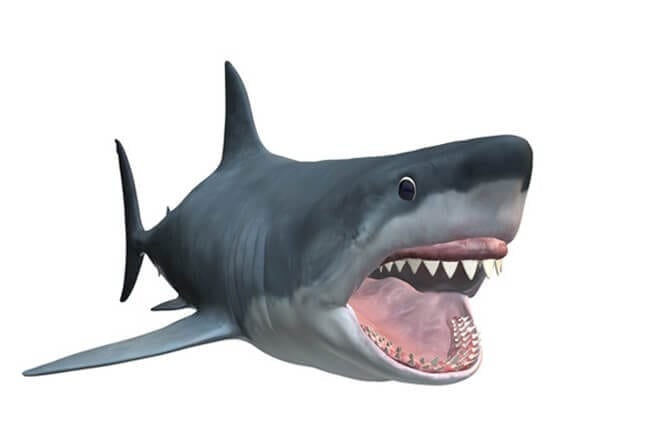
Reproduction and Life Cycle
Unlike many sharks, Megalodon likely reproduced viviparously, meaning it gave birth to live young. This is inferred from the lack of fossil evidence of egg cases. Viviparity provides greater protection for developing embryos, which is advantageous for a large predator like Megalodon. The size of Megalodon suggests a relatively slow reproductive rate, with females likely producing only a few pups at a time. This low reproductive rate could have contributed to its vulnerability to extinction.
Mating and Birthing
The exact details of Megalodon’s mating and birthing behaviors remain speculative. However, it is believed that:
- Megalodon likely engaged in elaborate courtship displays.
- Females likely gave birth in warm, shallow waters, providing a safe environment for pups.
- Pups were likely independent from birth, relying on their instincts to hunt and survive.
Extinction
Megalodon became extinct around 3.6 million years ago, during the late Pliocene epoch. The exact cause of extinction is debated, but several factors likely contributed. These include a cooling climate, which reduced suitable habitat, declining populations of large whales, and increased competition from other predators such as the great white shark. The combination of these factors likely pushed Megalodon beyond its ability to adapt and survive.
Theories on Extinction
- Climate Change: Global cooling reduced suitable habitat and prey availability.
- Competition: Increased competition from other predators, such as the great white shark.
- Decline in Prey: A decline in populations of large whales and other marine mammals.
- Supernova Event: A controversial theory suggesting a nearby supernova caused significant environmental disruption.
Megalodon in Popular Culture
Megalodon continues to capture the public imagination, featuring prominently in books, movies, and documentaries. Its portrayal in popular culture often exaggerates its size and ferocity, but it helps to keep the legacy of this magnificent creature alive. The fascination with Megalodon reflects our enduring curiosity about the prehistoric world and the power of nature.
Encountering Megalodon (A Note of Caution)
Megalodon has been extinct for millions of years. It is impossible to encounter one in the wild. The purpose of this section is to address a common question and emphasize the importance of scientific accuracy. If you encounter a large shark while swimming or diving, maintain a safe distance and follow established safety guidelines.
For the Aspiring Zoologist
The study of Megalodon offers valuable insights into the evolution of sharks, marine ecosystems, and the impact of environmental change. Ongoing research focuses on analyzing fossilized teeth, reconstructing body size and shape, and understanding its ecological role. Paleontological excavations, isotope analysis, and computer modeling are crucial tools in unraveling the mysteries of this prehistoric giant.
Megalodon remains a symbol of prehistoric power and a testament to the everchanging nature of life on Earth. Its story serves as a reminder of the importance of conservation and the need to protect our planet’s biodiversity.
![Closeup of a beautiful Red Angus cowPhoto by: U.S. Department of Agriculture [pubic domain]https://creativecommons.org/licenses/by/2.0/](https://animals.net/wp-content/uploads/2020/03/Red-Angus-4-238x178.jpg "Red Angus")



![Closeup of a beautiful Red Angus cowPhoto by: U.S. Department of Agriculture [pubic domain]https://creativecommons.org/licenses/by/2.0/](https://animals.net/wp-content/uploads/2020/03/Red-Angus-4-100x75.jpg "Red Angus")