Madagascar, a land of unparalleled biodiversity, harbors a treasure trove of unique life forms, none perhaps as iconic and enchanting as the lemurs. These captivating primates, found nowhere else on Earth, represent an extraordinary branch on the tree of life, offering a window into ancient evolutionary pathways and complex ecological relationships. From their striking eyes to their diverse behaviors, lemurs are a testament to the power of isolation and adaptation.
The World of Lemurs: An Introduction to Madagascar’s Primates
Lemurs are a group of strepsirrhine primates endemic to the island of Madagascar. They are often referred to as “prosimians,” a term that distinguishes them from monkeys and apes. Their name, derived from the Latin word “lemures” meaning “ghosts” or “spirits,” likely refers to their large, reflective eyes and often nocturnal habits, or perhaps their haunting calls echoing through the forest.
These fascinating creatures exhibit an astonishing range of sizes, appearances, and behaviors. From the tiny, mouse-like Madame Berthe’s mouse lemur, weighing in at a mere 30 grams, to the majestic Indri, the largest living lemur, which can stand nearly a meter tall, the diversity within the lemur family is truly remarkable. Each species has carved out its own niche in Madagascar’s varied landscapes, showcasing unique adaptations that have allowed them to thrive for millions of years.
Where Do Lemurs Live? Madagascar’s Unique Habitats
The entirety of the lemur population resides exclusively on Madagascar and its small neighboring Comoro Islands. This island nation, often called the “eighth continent,” boasts an incredible array of ecosystems, each supporting different lemur species. Their habitats range from dense tropical rainforests along the eastern coast to the spiny dry forests of the south and west, and even the high-altitude montane forests.
- Rainforests: Home to species like the Indri and various ruffed lemurs, these lush environments provide abundant fruit, leaves, and insects.
- Dry Deciduous Forests: Sifakas and some species of sportive lemurs thrive here, adapting to seasonal changes and water scarcity.
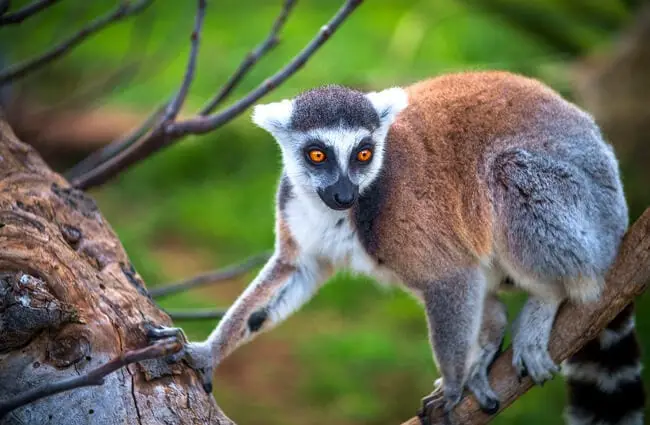
- Spiny Forests: The unique, arid southern region is home to species like the ring-tailed lemur, which can often be seen sunbathing.
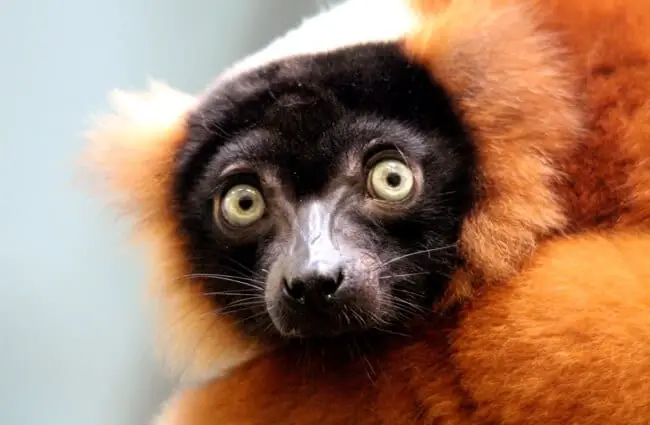
- Mangroves and Wetlands: Some lemurs, like the black lemur, can be found in coastal areas.
Understanding these specific habitats is crucial for anyone hoping to observe lemurs in the wild. Each forest type presents different challenges and opportunities for these primates, influencing their diet, social structure, and daily routines.
An Evolutionary Epic: The Lemur’s Journey
The evolutionary history of lemurs is a captivating tale of isolation and adaptive radiation. Scientists generally agree that the ancestors of modern lemurs arrived on Madagascar approximately 50 to 60 million years ago. The prevailing theory suggests that a small group of ancestral primates, likely rafted across the Mozambique Channel on floating vegetation mats from mainland Africa. This incredible journey, though seemingly improbable, is supported by genetic evidence and the absence of other non-lemur primates on the island.
Once on Madagascar, these early colonizers found an island devoid of competing primates and many typical mammalian predators. This ecological vacuum allowed them to diversify rapidly, filling a wide range of ecological niches that on other continents are occupied by monkeys, apes, and other mammals. This process, known as adaptive radiation, led to the incredible array of lemur species we see today, each uniquely adapted to its environment and lifestyle.
Fossil records reveal an even greater past diversity, including “giant lemurs” that were as large as gorillas, such as Megaladapis and Archaeoindris. These magnificent creatures roamed Madagascar until relatively recently, disappearing after the arrival of humans, highlighting the profound impact human activity can have on island ecosystems.
Life in the Forest: Diet, Reproduction, and Social Structures
A Diverse Menu: What Lemurs Eat
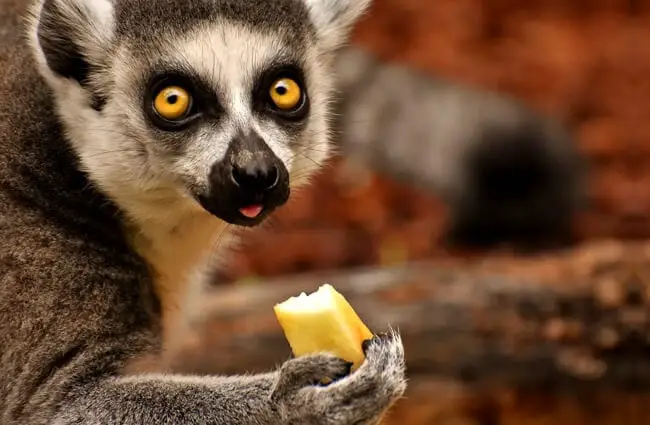
Lemur diets are as varied as their species, reflecting their diverse habitats and adaptations. While many lemurs are primarily herbivorous, consuming a wide range of plant matter, their specific preferences can differ significantly:
- Frugivores: Many lemurs, such as ruffed lemurs and some brown lemurs, primarily eat fruit. They play a vital role in seed dispersal, helping to regenerate the forests.
- Folivores: Indri and sifakas are largely leaf-eaters. Their digestive systems are specially adapted to break down tough cellulose, often involving a large cecum and slow digestion.
- Gummivores: Some species, like the fork-marked lemurs, specialize in tree sap and gums, using specialized teeth to gouge bark.
- Insectivores: Mouse lemurs and aye-ayes supplement their diets with insects. The aye-aye, in particular, has a unique elongated middle finger used to tap on wood and extract grubs.
- Omnivores: Ring-tailed lemurs are quite opportunistic, eating fruits, leaves, flowers, insects, and even small vertebrates.
This dietary flexibility allows different lemur species to coexist without direct competition for food resources, further contributing to their ecological success on Madagascar.
Mating and Reproduction: The Cycle of Life
Lemur reproduction varies across species, but generally involves a distinct breeding season, often synchronized with the availability of food resources. Most lemurs are seasonal breeders, with mating occurring in a short window, leading to births several months later when conditions are optimal for raising young.
- Mating Rituals: Courtship can involve scent marking, vocalizations, and sometimes even playful chases. In some species, like the ring-tailed lemur, females are dominant and choose their mates.
- Gestation: Gestation periods vary from around 60 days for mouse lemurs to over 130 days for larger species like the Indri.
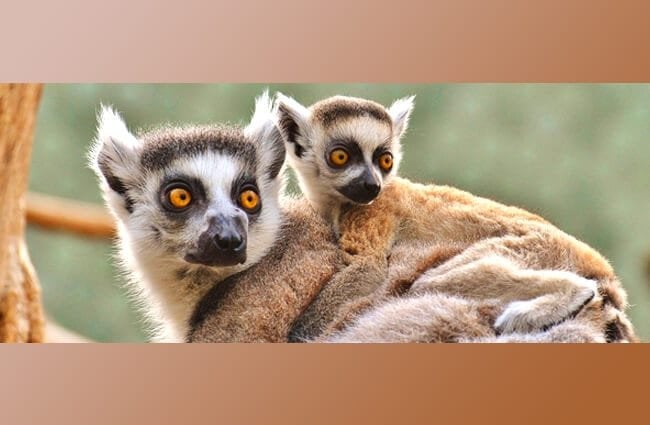
- Birth: Most lemurs give birth to one or two offspring, though mouse lemurs can have litters of up to four. Newborns are typically small and helpless, clinging to their mother’s fur.
- Parental Care: Mothers are the primary caregivers, carrying, nursing, and protecting their young. In some species, like the ring-tailed lemur, other females in the group may assist in “alloparenting,” helping to care for infants. Young lemurs develop rapidly, becoming more independent within a few months, though they may stay with their family group for several years.
- Social Structures: Lemur social structures are incredibly diverse, ranging from solitary nocturnal species (like the aye-aye) to large, complex multi-male, multi-female groups (like ring-tailed lemurs). Some species form monogamous pairs (like the Indri), while others live in small family units.
Lemurs in the Ecosystem: Nature’s Gardeners
Lemurs are not just charismatic forest dwellers; they are integral components of Madagascar’s ecosystems. Their interactions with other animals and plants are crucial for maintaining the health and biodiversity of their habitats.
- Seed Dispersal: As primary fruit-eaters, many lemur species consume fruits and then disperse the seeds through their droppings, often far from the parent plant. This process is vital for forest regeneration and the genetic diversity of plant populations. Without lemurs, many Malagasy trees would struggle to reproduce effectively.
- Pollination: Some lemurs, particularly those that feed on nectar, can act as pollinators, transferring pollen between flowers as they forage.
- Prey Species: Lemurs themselves are a food source for a variety of predators, including the fossa (Madagascar’s largest carnivore), raptors like the Madagascar harrier-hawk, and snakes. This predator-prey dynamic helps regulate populations and maintain ecological balance.
- Habitat Engineering: While not as dramatic as beavers, lemurs can influence their environment through their foraging habits, creating gaps in the canopy or pruning branches, which can affect light penetration and plant growth.
The intricate web of life in Madagascar would unravel without the presence of these unique primates.
Lemurs and Humanity: Culture, Conservation, and Coexistence
Lemurs in Human Culture
For centuries, lemurs have been woven into the cultural fabric of Madagascar. They feature prominently in local folklore, myths, and traditions, often revered or sometimes feared.
- Sacred Animals: The Indri, with its haunting, whale-like song, is considered sacred by many Malagasy people. There are taboos, known as “fady,” against harming them, which has historically offered some protection to these magnificent animals.
- Spirits of the Forest: Other lemurs are sometimes associated with ancestral spirits or omens, influencing how local communities interact with them.
- Cultural Symbols: The unique appearance and behaviors of lemurs make them powerful symbols of Madagascar’s natural heritage, both locally and internationally.
Encountering Lemurs in the Wild: A Guide for Animal Lovers and Hikers
For those dreaming of seeing lemurs in their natural habitat, Madagascar offers unparalleled opportunities. However, responsible tourism is paramount.
- Where to Go:
- Andasibe-Mantadia National Park: Excellent for Indri and diademed sifakas.
- Isalo National Park: Famous for ring-tailed lemurs and Verreaux’s sifakas.
- Ranomafana National Park: Home to golden bamboo lemurs and greater bamboo lemurs.
- Anja Community Reserve: A fantastic community-managed forest where ring-tailed lemurs are easily spotted.
- How to Find Them: Engaging a local, certified guide is essential. They possess invaluable knowledge of lemur behavior, vocalizations, and preferred locations. Early mornings are often the best time for sightings, especially for diurnal species.
- What to Do (and Not Do) During an Encounter:
- Maintain Distance: Always keep a respectful distance. Do not attempt to touch or feed wild lemurs. Feeding can alter their natural foraging behaviors and make them dependent on humans, leading to aggression or disease transmission.
- Be Quiet: Move slowly and speak softly to avoid startling them.
- Observe and Appreciate: Use binoculars for close-up views. Focus on observing their natural behaviors.
- Support Local Conservation: Choose tour operators and accommodations that prioritize ethical practices and contribute to local conservation efforts.
- Never Harass: Do not chase, corner, or otherwise stress the animals.
Caring for Lemurs in Captivity: A Zookeeper’s Role
Zookeepers play a critical role in the welfare and conservation of lemurs outside their natural habitat. Providing optimal care requires a deep understanding of their biology and behavior.
- Dietary Management: Replicating a natural diet is crucial. This involves providing a diverse array of fresh fruits, vegetables, leafy greens, and sometimes specialized primate chow. Specific species may require bamboo, insects, or other unique items. Dietary enrichment, such as scattering food or hiding it, encourages natural foraging behaviors.
- Habitat Enrichment: Enclosures must be designed to stimulate physical and mental activity. This includes climbing structures, ropes, branches, swings, and varied substrates. Regular rotation of enrichment items prevents boredom.
- Social Group Management: Lemurs are social animals, and maintaining appropriate group sizes and compositions is vital for their psychological well-being. This often involves careful introductions and monitoring of social dynamics.
- Veterinary Care: Regular health checks, preventative medicine, and prompt treatment for illnesses or injuries are essential. Keepers work closely with veterinarians to ensure the animals’ health.
- Behavioral Monitoring: Keepers observe lemurs daily for any changes in behavior, appetite, or activity levels, which can indicate health issues or stress.
- What to Avoid:
- Inappropriate Diet: Sugary human foods or an unbalanced diet can lead to serious health problems.
- Lack of Enrichment: Barren enclosures lead to boredom, stress, and abnormal behaviors.
- Improper Social Grouping: Housing incompatible individuals or incorrect group sizes can cause aggression and stress.
- Over-Handling: While some training for medical procedures is beneficial, excessive handling can be stressful for lemurs.
The Urgency of Conservation
Despite their unique evolutionary journey and cultural significance, lemurs are among the most endangered groups of mammals on Earth. Over 90% of all lemur species are threatened with extinction, making their conservation a global priority.
- Major Threats:
- Habitat Loss and Fragmentation: Deforestation for agriculture (slash-and-burn farming), charcoal production, logging, and mining are the primary drivers of habitat destruction.
- Hunting: While traditionally protected by fady in some areas, hunting for bushmeat has increased due to poverty and food insecurity.
- Illegal Pet Trade: The demand for lemurs as exotic pets, both within Madagascar and internationally, poses a significant threat, often involving the capture of infants and the killing of their mothers.
- Climate Change: Shifting weather patterns, increased droughts, and more intense cyclones impact lemur habitats and food sources.
- Conservation Efforts:
- Protected Areas: Establishing and effectively managing national parks and reserves is crucial for safeguarding lemur habitats.
- Community Engagement: Working with local communities to develop sustainable livelihoods and promote conservation education is vital for long-term success.
- Reforestation and Habitat Restoration: Projects aimed at replanting native trees and connecting fragmented forest patches help expand and improve lemur habitats.
- Anti-Poaching and Law Enforcement: Efforts to combat illegal hunting and the pet trade are essential.
- Ex Situ Conservation: Zoos and breeding programs play a role in maintaining genetic diversity and serving as a safety net for critically endangered species.
Fascinating Facts and Unique Traits
Beyond their general biology, lemurs possess a wealth of intriguing characteristics that set them apart:
- Toothcomb: Most lemurs have a specialized dental structure called a “toothcomb,” formed by elongated, closely spaced lower incisors and canines. This is primarily used for grooming their fur and sometimes for scraping tree bark.
- Grooming Claw: On their second toe, many lemurs have a specialized “grooming claw” used for scratching and cleaning their fur.
- Scent Marking: Communication through scent is highly developed. Lemurs use scent glands on their wrists, chests, and anogenital regions to mark territories, signal reproductive status, and identify individuals. Ring-tailed lemurs famously engage in “stink fights” where males rub their tails with scent and wave them at rivals.
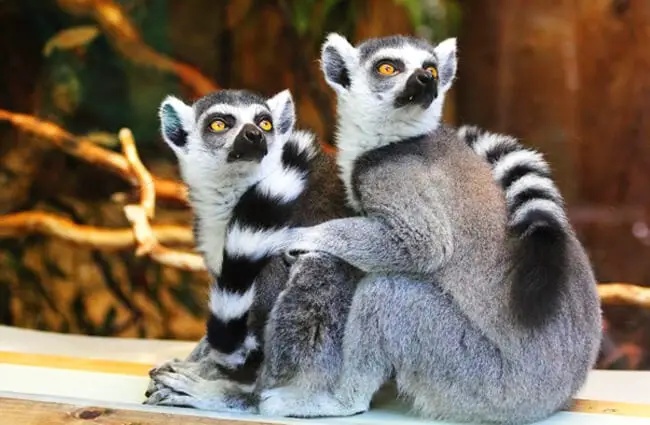
- Sunbathing: Ring-tailed lemurs are well-known for their sunbathing posture, sitting upright with arms outstretched, seemingly worshipping the sun. This behavior helps them warm up after cool nights.
- Torpor and Hibernation: Some smaller lemurs, like mouse lemurs and dwarf lemurs, can enter states of torpor or even hibernation during periods of food scarcity or drought, significantly slowing their metabolism.
- Female Dominance: Uniquely among primates, female dominance is common in many lemur species. Females often have priority access to food and can be aggressive towards males.
- Vocalizations: Lemurs have a rich repertoire of calls, from the Indri’s haunting song to the alarm calls of sifakas and the purrs and growls of ring-tailed lemurs. These vocalizations communicate warnings, locate group members, and express emotions.
- Nocturnal and Diurnal Species: Lemurs exhibit both nocturnal (active at night) and diurnal (active during the day) lifestyles, as well as cathemeral (active intermittently throughout day and night) patterns, showcasing their adaptability to different ecological niches.
A Call to Action: Protecting Madagascar’s Living Legacy
Lemurs are more than just captivating creatures; they are living symbols of evolution’s ingenuity and the irreplaceable biodiversity of Madagascar. Their continued existence is a barometer for the health of one of the world’s most unique ecosystems. Understanding their biology, appreciating their cultural significance, and actively participating in conservation efforts are crucial steps towards ensuring that these extraordinary primates continue to leap, climb, and sing through the forests of Madagascar for generations to come. Every action, from supporting sustainable tourism to advocating for conservation policies, contributes to their survival and the preservation of our planet’s natural heritage.
![Closeup of a beautiful Red Angus cowPhoto by: U.S. Department of Agriculture [pubic domain]https://creativecommons.org/licenses/by/2.0/](https://animals.net/wp-content/uploads/2020/03/Red-Angus-4-238x178.jpg "Red Angus")
![Closeup of a beautiful Red Angus cowPhoto by: U.S. Department of Agriculture [pubic domain]https://creativecommons.org/licenses/by/2.0/](https://animals.net/wp-content/uploads/2020/03/Red-Angus-4-100x75.jpg "Red Angus")