Ducks, those familiar water birds, are far more fascinating than a casual glance might suggest. From their seemingly effortless grace on the water to their complex social behaviors and pivotal roles in ecosystems, ducks represent a captivating branch of the avian world. This guide delves into the natural history, behavior, and ecological importance of these remarkable creatures.
Understanding Ducks: A Comprehensive Overview
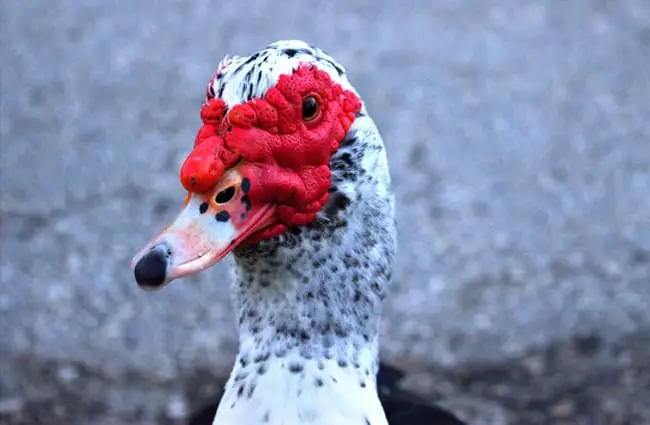
Ducks belong to the family Anatidae, which also includes swans and geese. They are found worldwide, except for Antarctica, and inhabit a wide range of aquatic environments such as ponds, lakes, rivers, marshes, and even coastal areas. There are over 120 species of ducks, exhibiting a remarkable variety in size, plumage, and behavior.
Duck Anatomy and Physical Characteristics
Several physical traits define ducks. Their bodies are streamlined, perfectly adapted for swimming. Webbed feet provide efficient propulsion through water, while dense, waterproof feathers—maintained through meticulous preening and the application of oil from the uropygial gland—keep them dry and buoyant. A broad, flat bill is used for filtering food from the water and dabbling in mud. Bill shape often correlates with diet, with diving ducks having narrower bills for catching fish and dabbling ducks having wider bills for vegetation.
Habitat and Distribution
Ducks exhibit a wide range of habitat preferences. Many species, like the mallard, are highly adaptable and thrive in both urban and rural settings. Others, like the harlequin duck, are specialized to live in fast flowing rivers and coastal environments. Migration patterns are common, allowing ducks to exploit seasonal food sources and breeding grounds. North American ducks, for instance, often breed in northern wetlands during the summer and migrate south to warmer climates for the winter.
Duck Behavior and Lifestyle
Diet and Feeding Habits
Duck diets vary depending on species and habitat. Dabbling ducks, such as the mallard and northern pintail, feed on aquatic vegetation, seeds, and invertebrates by tipping their bill into the water—a behavior known as dabbling. Diving ducks, such as the canvasback and redhead, submerge completely to forage for aquatic plants, mollusks, and fish. Ducks often exhibit cooperative feeding behaviors, benefiting from increased foraging efficiency.
Social Behavior and Communication
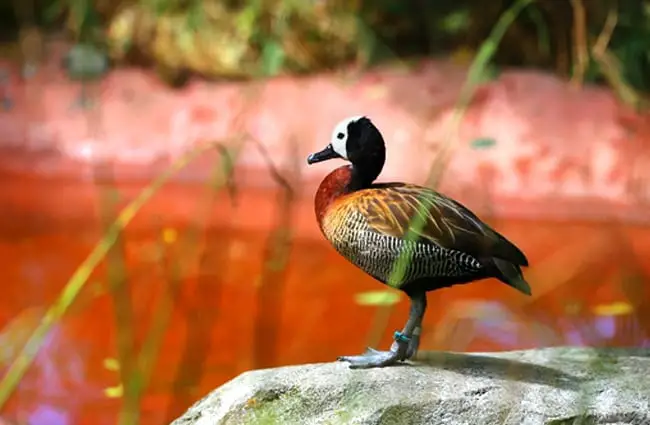
Ducks are generally social animals, often forming flocks, especially during migration and winter. Communication occurs through a variety of vocalizations, including quacks, whistles, and honks. Visual displays, such as head bobs and wing flutters, also play a role in communication. Duck social structures can be complex, with established dominance hierarchies and cooperative breeding strategies observed in some species.
Duck Reproduction and Life Cycle
Mating Rituals and Nesting
Duck mating rituals can be elaborate, often involving intricate displays of plumage and vocalizations by the male. Most ducks form pair bonds that last for one or more breeding seasons. Nests are typically constructed on the ground near water, using vegetation and down feathers. The female incubates the eggs, providing warmth and protection for approximately 28 to 35 days.
Ducklings and Development
Ducklings are precocial, meaning they are relatively well developed at hatching and able to swim and feed themselves shortly after birth. The mother provides guidance and protection during the early stages of development. Ducklings grow rapidly, developing flight feathers within a few weeks. Young ducks typically reach sexual maturity within one to two years.
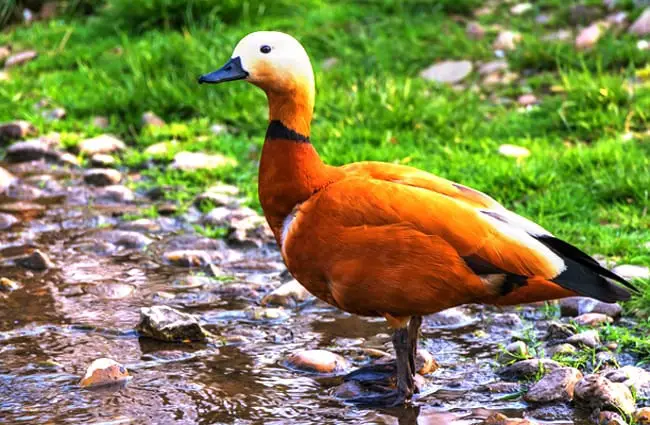
Ducks and the Ecosystem
Ecological Role and Importance
Ducks play a crucial role in maintaining the health of aquatic ecosystems. They contribute to nutrient cycling, seed dispersal, and the control of invertebrate populations. As prey animals, they support a variety of predators, including foxes, hawks, and eagles. Ducks also serve as important indicators of environmental health, reflecting the impacts of pollution and habitat loss.
Interactions with Other Animals
Ducks interact with a wide range of other animals. They compete with other waterfowl for food and nesting sites. They also form beneficial relationships with certain species, such as fish that feed on invertebrates stirred up by dabbling ducks. Ducks can be susceptible to predation by various animals, and they employ a range of anti predator behaviors, including vigilance, alarm calls, and camouflage.
Ducks and Human Culture
Historical and Cultural Significance
Ducks have held cultural significance for millennia. They feature in the mythology, folklore, and art of many cultures. In some societies, ducks were considered sacred animals. Historically, ducks were domesticated for food, eggs, and feathers. Duck farming remains an important agricultural practice in many parts of the world.
Ducks in Modern Society
Today, ducks are popular subjects for birdwatching and photography. Duck hunting remains a recreational activity for many people. However, duck populations are facing increasing threats from habitat loss, pollution, and climate change. Conservation efforts are essential to ensure the long term survival of these remarkable creatures.
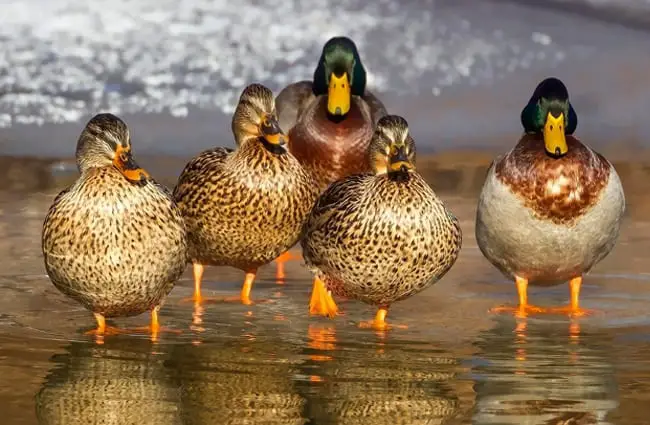
Encountering Ducks in the Wild and Captive Care
Observing Ducks Responsibly
When observing ducks in the wild, it is important to maintain a respectful distance and avoid disturbing their natural behavior. Do not feed ducks human food, as it can be harmful to their health. Keep pets leashed and under control. Report any injured or distressed ducks to wildlife authorities.
Caring for Ducks in Captivity
Providing appropriate care for ducks in captivity requires careful attention to their specific needs. Ducks require access to clean water for swimming and bathing, as well as a secure shelter for resting and nesting. Their diet should consist of a balanced mix of waterfowl feed, grains, and vegetables. Regular veterinary care is essential to maintain their health and prevent disease. Avoid overcrowding and provide ample space for ducks to exhibit natural behaviors.
Duck Evolution
The evolutionary history of ducks is a fascinating journey. Their origins trace back to the early Paleogene period, around 60 million years ago. Early waterfowl were likely wading birds, gradually adapting to aquatic lifestyles. The evolution of webbed feet, flattened bills, and waterproof feathers were key adaptations that enabled ducks to thrive in aquatic environments. Fossil evidence suggests that modern duck lineages began to diverge during the Miocene epoch, around 23 million years ago. The diversification of duck species was driven by factors such as habitat fragmentation, climate change, and the evolution of specialized feeding strategies.
Interesting Duck Facts
- A group of ducks on the water is called a paddling.
- Ducks have three eyelids: an upper one, a lower one, and a nictitating membrane that protects the eye underwater.
- Some duck species can fly at speeds of up to 60 miles per hour.
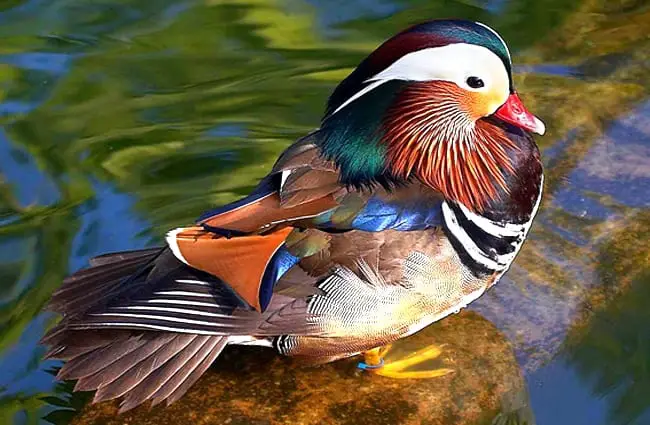
- The Mandarin duck is renowned for its strikingly colorful plumage, especially the male.
- Ducks preen their feathers to maintain waterproofing and insulation.
- Ducks can regulate their body temperature in cold water by constricting blood vessels in their legs and feet.
- Some duck species are capable of diving to depths of over 20 feet.
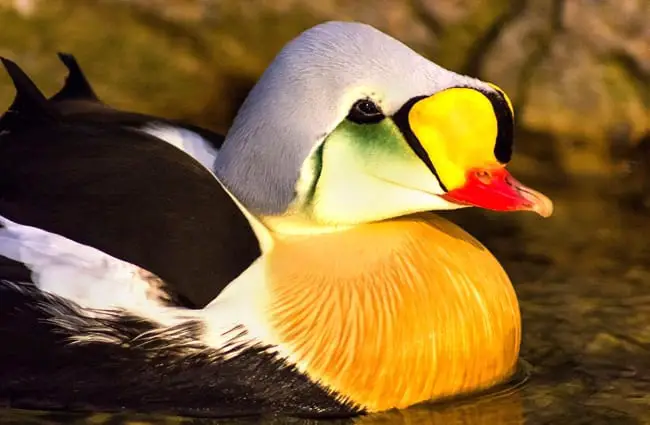
Ducks are truly remarkable creatures, embodying a remarkable blend of grace, adaptability, and ecological importance. From their evolutionary origins to their ongoing role in ecosystems and human culture, ducks continue to captivate and inspire. By understanding and appreciating these extraordinary birds, we can contribute to their conservation and ensure their survival for generations to come.
![Closeup of a beautiful Red Angus cowPhoto by: U.S. Department of Agriculture [pubic domain]https://creativecommons.org/licenses/by/2.0/](https://animals.net/wp-content/uploads/2020/03/Red-Angus-4-238x178.jpg "Red Angus")
![Closeup of a beautiful Red Angus cowPhoto by: U.S. Department of Agriculture [pubic domain]https://creativecommons.org/licenses/by/2.0/](https://animals.net/wp-content/uploads/2020/03/Red-Angus-4-100x75.jpg "Red Angus")