The Enigmatic Cobra: A Comprehensive Guide
Cobras. The very name evokes images of mesmerizing danger, of hooded reptiles and potent venom. But beyond the mystique and fear lies a fascinating group of snakes with a rich evolutionary history, complex behaviors, and vital roles within their ecosystems. This guide delves into the world of cobras, exploring their biology, behavior, and interactions with both the natural world and human civilization.
What Defines a Cobra?
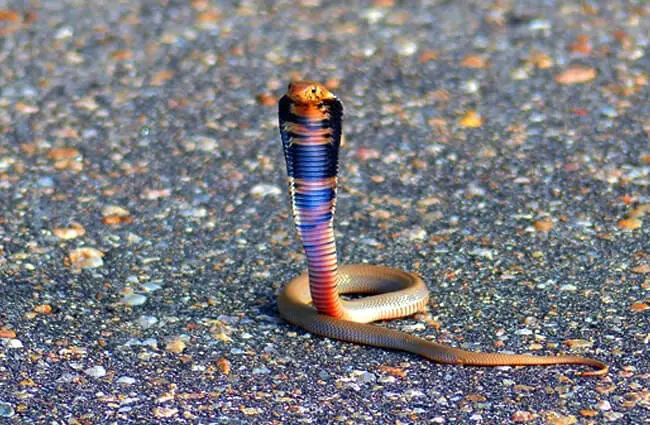
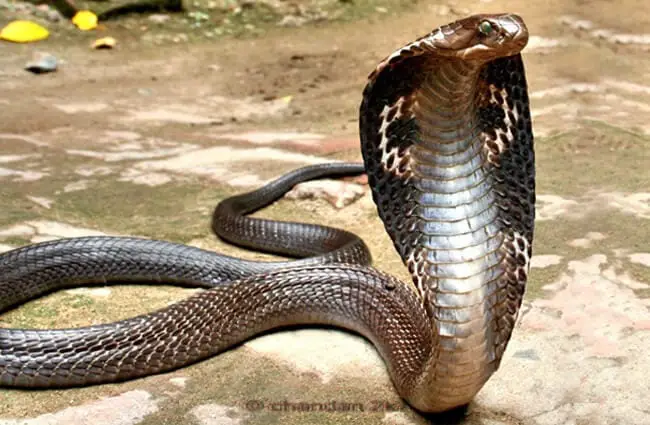
The term "cobra" doesn't refer to a single species, but rather a group of venomous snakes belonging primarily to the genus Naja. These snakes are found across Africa and Asia, and are characterized by their ability to flatten their ribs to create a distinctive hood. This hood is not just for show; it is a defensive display meant to make the snake appear larger and more intimidating to potential predators or perceived threats. While most cobras exhibit this trait, the degree to which they can expand their hoods varies between species. Some, like the Indian Cobra, are renowned for their particularly impressive hoods.
A Journey Through Cobra Evolution
The evolutionary history of cobras is complex and spans millions of years. Fossil evidence suggests that the ancestors of modern cobras originated in Africa during the Paleogene period and later dispersed into Asia. The evolution of the hood is thought to have been driven by natural selection, providing a significant advantage in predator defense and possibly in attracting mates. Molecular studies have helped to refine our understanding of cobra phylogeny, revealing relationships between different species and tracing their geographical origins. The earliest known ancestors were likely smaller and less venomous, gradually evolving the characteristics we associate with cobras today.
Habitat and Distribution: Where Do Cobras Live?
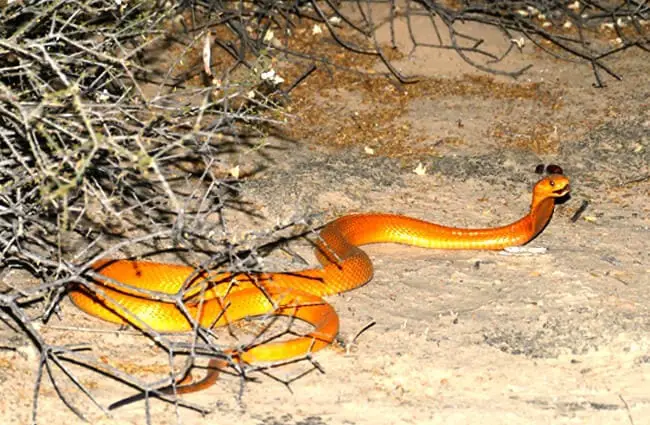
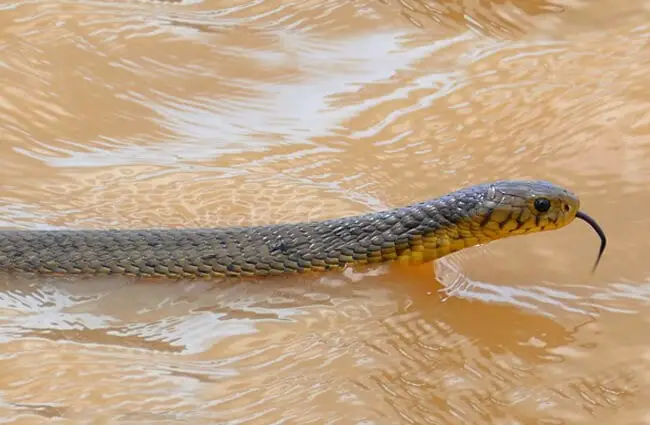
Cobras are remarkably adaptable snakes, inhabiting a wide range of environments. They can be found in dense forests, open woodlands, grasslands, agricultural lands, and even rocky outcrops. Their distribution is largely determined by climate and the availability of suitable prey. African cobra species are primarily found in sub‑Saharan Africa, while Asian cobras are prevalent throughout India, Southeast Asia, and parts of China. Different species have varying preferences. For example, the forest cobra favors dense rainforests and wetlands, while the Cape Cobra thrives in arid, rocky landscapes. Understanding their habitat preferences is crucial for both conservation efforts and for minimizing human‑cobra conflict.
A Cobra’s Diet: What Do They Eat?
Cobras are carnivores, and their diet consists primarily of small mammals, birds, lizards, and other snakes. They are opportunistic hunters, meaning they will prey on whatever is readily available. They are not constrictors; instead, they rely on their venom to subdue their prey. Once the prey is immobilized, the cobra will swallow it whole. The size of the prey varies depending on the size of the cobra, but they are capable of consuming relatively large meals. Juvenile cobras typically feed on smaller prey, such as lizards and rodents. The availability of prey is a key factor influencing cobra distribution and abundance.
Mating and Reproduction: Bringing New Cobras Into the World
Cobras are typically solitary animals, except during the breeding season. Mating rituals can be quite elaborate, often involving display dances or combat between males vying for the attention of a female. Females lay eggs, usually in a burrow or a sheltered location, ranging from 2 to 12 eggs depending on the species and the size of the female. The eggs incubate for about 60 days, during which the female may guard them from predators. Upon hatching, the juvenile cobras are independent and must fend for themselves. The lifespan of cobras varies depending on the species, but some individuals can live for over 20 years in the wild.
Cobras and the Ecosystem: A Vital Role
Cobras play an important role in maintaining the balance of their ecosystems. As predators, they help to control populations of rodents and other small animals, preventing them from becoming overabundant. They also serve as prey for larger predators, such as birds of prey and mongooses. Their venom has even attracted scientific interest, with researchers exploring its potential medicinal applications. By regulating prey populations and contributing to the food web, cobras help to maintain the health and diversity of their habitats. Their presence is often an indicator of a healthy and functioning ecosystem.
Cobra‑Human Interactions: A Complex Relationship
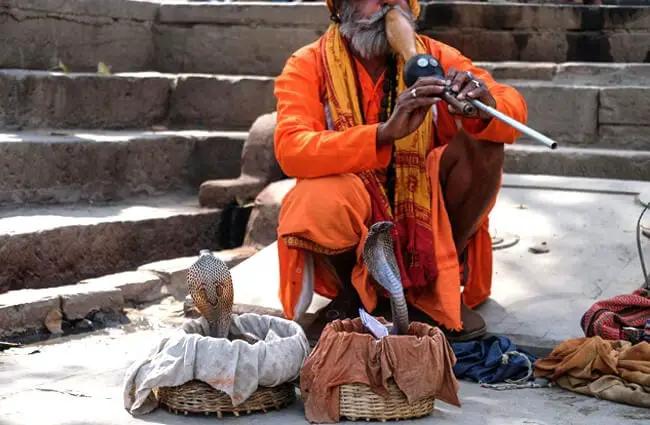
Historically, cobras have held a significant place in human culture and mythology, particularly in Asia. They are often depicted as symbols of power, fertility, and protection. Snake charming, while often involving stressful conditions for the snake, is a traditional practice in some parts of India and Southeast Asia. However, interactions between humans and cobras are not always positive. Cobras are venomous snakes, and bites can be fatal if left untreated. In many parts of the world, cobras are considered dangerous pests and are often killed on sight. Efforts to promote coexistence and reduce human‑cobra conflict are essential for ensuring the survival of these fascinating reptiles.

Identifying Cobras in the Wild: A Guide for Enthusiasts
For those interested in observing cobras in their natural habitat, caution and respect are paramount. Knowing where to look and how to identify them is crucial. Look for cobras in areas with dense vegetation, near water sources, and in rocky outcrops. Pay attention to their distinctive hood, which they will expand when threatened. Be aware that cobras can vary in color and pattern depending on the species and location. Always maintain a safe distance and avoid approaching or disturbing them. If you encounter a cobra, slowly back away and give it plenty of space.
Cobra Care in Captivity: A Zookeeper’s Guide
Providing proper care for cobras in captivity requires specialized knowledge and attention. Enclosures should be spacious and secure, with appropriate temperature and humidity control. Cobras require a varied diet of appropriately sized prey items. Regular health checks are essential for detecting and treating any potential health problems. Enrichment activities, such as providing climbing structures and puzzle feeders, can help to stimulate their natural behaviors. It is crucial to handle cobras with extreme caution and to follow strict safety protocols. Zookeepers should be trained in venomous snake handling and have access to antivenom in case of a bite.
Interesting Cobra Facts: Beyond the Basics
- Some cobra species, such as spitting cobras, can eject venom toward a threat's face or eyes.
- Cobras do not have eyelids and rely on a transparent scale called a brille to protect their eyes.
- The venom of cobras contains neurotoxins that can paralyze the nervous system.
- Cobras are not able to detect infrared radiation; they rely on vision, hearing, and chemical cues to locate prey.
- The forest cobra is one of the largest venomous snakes in Africa, reaching lengths of over 10 feet.
Encountering a Cobra: Safety First
If you encounter a cobra in the wild, the most important thing to do is remain calm. Do not attempt to approach, disturb, or capture the snake. Slowly back away, giving it plenty of space. Alert others in the area to its presence. If bitten, seek immediate medical attention. Knowing the location of the nearest medical facility and antivenom supply is crucial. Remember that prompt medical treatment is essential for minimizing the severity of a cobra bite.
The world of cobras is a testament to the beauty and complexity of the natural world. By understanding their biology, behavior, and ecological roles, we can appreciate these fascinating reptiles and work toward their conservation for generations to come.
![Closeup of a beautiful Red Angus cowPhoto by: U.S. Department of Agriculture [pubic domain]https://creativecommons.org/licenses/by/2.0/](https://animals.net/wp-content/uploads/2020/03/Red-Angus-4-238x178.jpg "Red Angus")
![Closeup of a beautiful Red Angus cowPhoto by: U.S. Department of Agriculture [pubic domain]https://creativecommons.org/licenses/by/2.0/](https://animals.net/wp-content/uploads/2020/03/Red-Angus-4-100x75.jpg "Red Angus")