Meet the Catbird: A Masterful Mimic of the Avian World
The Catbird, a name derived from its distinctive, cat‑like calls, is a fascinating songbird found throughout much of North America. These adaptable and intelligent birds are renowned for their vocal prowess, capable of mimicking not only other birds but also insects, amphibians, and even human‑made sounds. Beyond their impressive vocalizations, Catbirds play a vital role in seed dispersal and insect control, enriching the ecosystems they inhabit. This comprehensive guide delves into the life history, behavior, and ecological significance of the Catbird, offering insights for researchers, bird enthusiasts, and anyone curious about these captivating creatures.
Identifying the Catbird
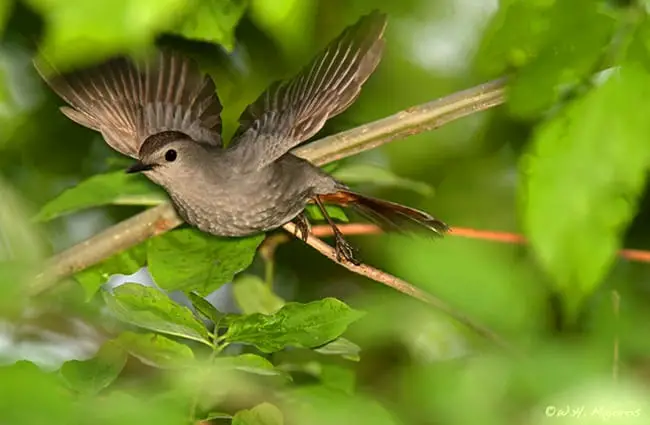
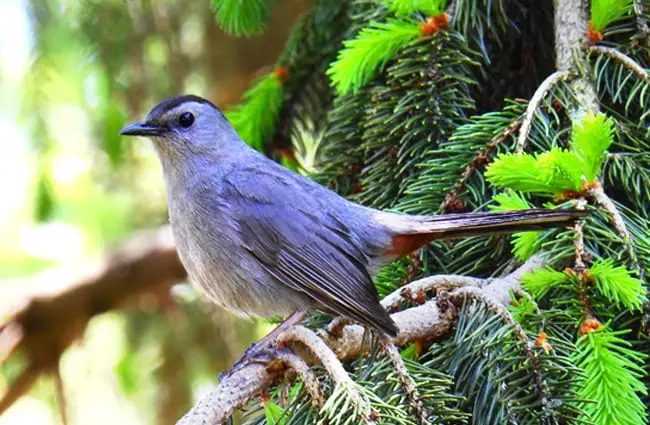
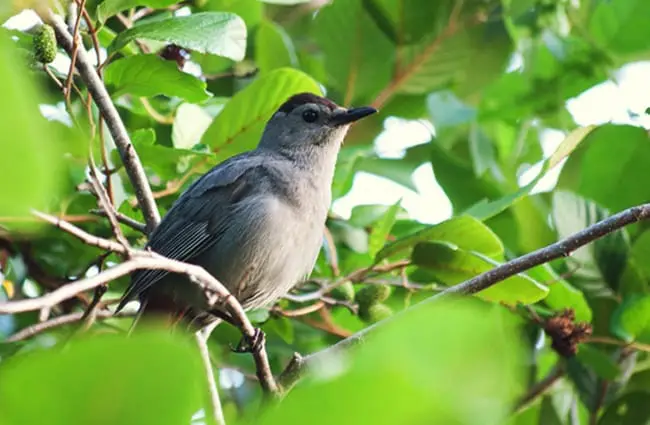
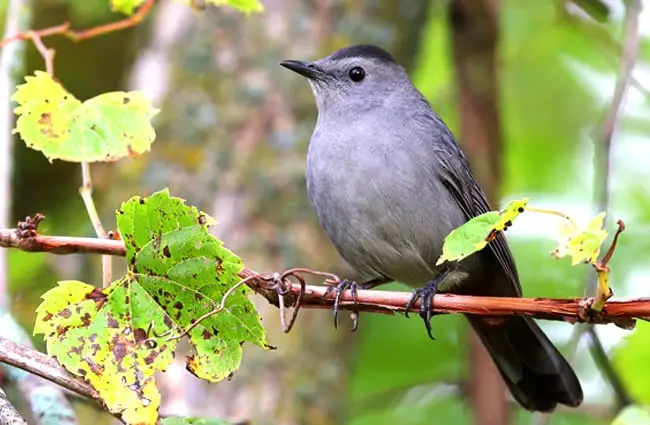
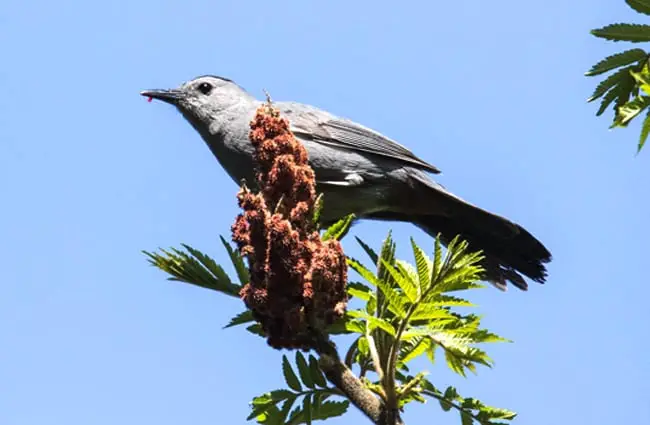
Catbirds are medium‑sized songbirds, typically ranging from 8.7 to 9.5 inches in length. They are easily recognizable by their sleek gray plumage, black cap, and reddish‑brown vent. Juvenile birds exhibit a mottled grayish‑brown coloration. A key characteristic is their long tail, which they often cock upward, and their striking yellow iris. While seemingly unassuming in appearance, their vocal abilities more than compensate.
Habitat and Distribution
Catbirds exhibit a remarkable adaptability to a variety of habitats. They thrive in dense shrubs, thickets, gardens, orchards, and woodland edges. Their preference for areas with ample cover provides protection from predators and suitable nesting sites. The Gray Catbird, the most common species, boasts a wide distribution, breeding across southern Canada, the United States, and into Mexico. During winter, they migrate to warmer regions, including the southern United States, Central America, and the Caribbean. They are often found near human settlements, readily exploiting gardens and urban green spaces for food and shelter.
Diet and Foraging Behavior
Catbirds are opportunistic omnivores, with a diet that varies seasonally. During the breeding season, insects constitute the majority of their food intake, providing essential protein for growth and reproduction. They skillfully glean insects from foliage, bark, and aerial chases. As summer progresses, their diet shifts toward fruits and berries, such as blackberries, raspberries, and cherries. This transition allows them to accumulate energy reserves for migration. They are known to be quite selective, favoring ripe and succulent fruits. Catbirds also consume seeds, especially in the fall and winter. Their foraging behavior is characterized by quick movements and a tendency to investigate every nook and cranny in search of food.
Reproduction and Life Cycle
Catbirds are generally monogamous, forming pair bonds that may last for several breeding seasons. They arrive at their breeding grounds in late spring or early summer. The female constructs a bulky nest, typically located within dense shrubs or trees, often concealed among thorny branches. The nest is composed of twigs, leaves, rootlets, and other materials, and is lined with soft grasses and feathers. She lays a clutch of three to five eggs, which are pale greenish‑blue with brown speckles. Both parents incubate the eggs for approximately twelve to fourteen days. The young birds, known as fledglings, are altricial, meaning they are born helpless and require extensive parental care. The parents feed the fledglings a diet of insects and soft fruits for several weeks until they are able to forage independently. Catbirds typically live for five to ten years in the wild, although some individuals may live longer.
Vocalizations and Mimicry
The Catbird’s vocal repertoire is arguably its most remarkable feature. Their characteristic call is a loud, scratchy meow, resembling that of a feline, hence the name. However, they are far more than simple imitators. Catbirds are masterful mimics, capable of incorporating the songs of other birds, the calls of insects and amphibians, and even human‑made sounds into their own vocalizations. They don’t simply copy sounds; they creatively rearrange and combine them, creating unique and complex songs. This vocal mimicry likely serves several functions, including attracting mates, defending territories, and establishing social dominance.
Ecological Role and Interactions
Catbirds play a vital role in their ecosystems. As insectivores, they help control populations of potentially harmful insects. They also contribute to seed dispersal by consuming fruits and berries and depositing the seeds in new locations. Their nests provide shelter for other small creatures, and they are prey for birds of prey and mammals. Catbirds interact with a variety of other species, including other songbirds, insects, and plants. They often forage alongside other insectivores, and they may compete with other birds for nesting sites. They also form symbiotic relationships with certain plants, such as those whose fruits they disperse.
Catbirds and Humans
Catbirds have a long history of interaction with humans. Native American cultures often viewed Catbirds as symbols of creativity and communication. In some cultures, their mimicry was believed to have magical properties. Today, Catbirds are a popular sight in gardens and parks, and many people enjoy their songs and antics. However, they can also be considered pests by fruit growers, as they may consume berries and cherries. They are also vulnerable to habitat loss, pesticide use, and collisions with buildings and vehicles. Conservation efforts aimed at protecting their habitats and reducing these threats are essential for ensuring their long‑term survival.
Advanced Insights for Zoologists and Bird Enthusiasts
Evolutionary History
The Catbird belongs to the family Mimidae, which includes other skillful vocal mimics such as mockingbirds and thrashers. Phylogenetic studies suggest that the Mimidae family originated in South America and subsequently dispersed into North America. The Catbird’s vocal abilities are thought to have evolved through sexual selection, with males using their mimicry to attract mates and demonstrate their fitness. Genetic research is ongoing to further elucidate the evolutionary relationships within the Mimidae family.
Captive Care
While not commonly kept in captivity, Catbirds require a spacious aviary that simulates their natural habitat. The aviary should include dense shrubs, trees, and a variety of perches. Their diet should consist of insects, fruits, and berries, supplemented with commercial bird food. It is crucial to provide them with opportunities for foraging and exploration. Social interaction with other birds of similar species can also enrich their environment. Careful attention should be paid to hygiene and disease prevention.
Interesting Facts
- Catbirds can accurately mimic the calls of other species, sometimes even fooling other birds.
- They are known to engage in mobbing behavior, harassing predators such as hawks and owls.
- Catbirds are opportunistic nest builders, sometimes using unusual materials such as plastic or paper.
- They can live for up to ten years in the wild.
- Their vocalizations become more complex and varied as they mature.
Encountering a Catbird in the Wild
If you encounter a Catbird, observe it from a respectful distance. Avoid disturbing its nest or young. If the bird appears injured or distressed, contact a local wildlife rehabilitation center. Enjoy its unique songs and antics, and appreciate the important role it plays in the ecosystem.
Conclusion
The Catbird is a remarkable creature, combining striking plumage, impressive vocal abilities, and a vital ecological role. By understanding its life history, behavior, and interactions with the environment, we can better appreciate its contribution to the natural world and work toward ensuring its long‑term survival. Whether observed in the wild or studied in detail by researchers, the Catbird continues to captivate and inspire.
![Closeup of a beautiful Red Angus cowPhoto by: U.S. Department of Agriculture [pubic domain]https://creativecommons.org/licenses/by/2.0/](https://animals.net/wp-content/uploads/2020/03/Red-Angus-4-238x178.jpg "Red Angus")
![Closeup of a beautiful Red Angus cowPhoto by: U.S. Department of Agriculture [pubic domain]https://creativecommons.org/licenses/by/2.0/](https://animals.net/wp-content/uploads/2020/03/Red-Angus-4-100x75.jpg "Red Angus")