Beneath the surface of North America’s great rivers and reservoirs swims a true freshwater titan, a creature of immense power and surprising grace: the Blue Catfish. As a zoologist who has spent years studying the intricate dance of life in aquatic ecosystems, and now sharing these wonders with a wider audience, the Blue Catfish stands out as a species deserving of our attention. It is a fish that embodies resilience, adaptability, and a complex relationship with both its environment and human society.
From its impressive size to its crucial role in riverine food webs, this magnificent fish offers a wealth of knowledge for students, animal enthusiasts, and aspiring naturalists alike. Join us on a deep dive into the world of the Blue Catfish, exploring everything from its ancient lineage to its modern-day challenges and triumphs.
The Majestic Blue Catfish: An Overview
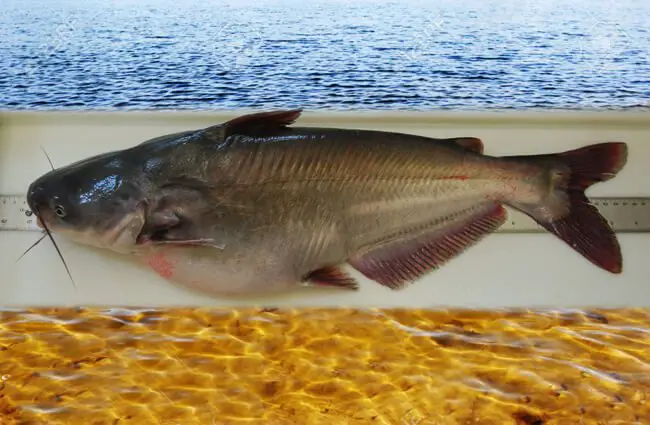
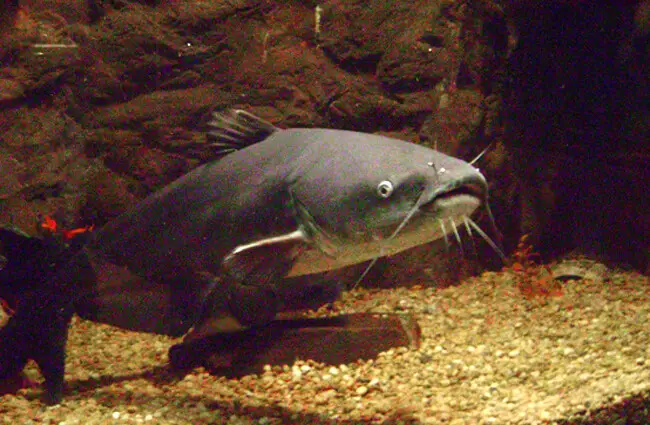
The Blue Catfish, scientifically known as Ictalurus furcatus, is the largest species of catfish in North America and a true heavyweight of freshwater ecosystems. Its name derives from its characteristic blue-gray coloration, which can vary slightly depending on its habitat and age. These fish possess a streamlined body, a deeply forked tail, and a distinctive set of barbels, often referred to as “whiskers,” around their mouths. These barbels are not just for show; they are highly sensitive chemosensory organs, acting like underwater taste and smell receptors, crucial for navigating murky waters and locating food.
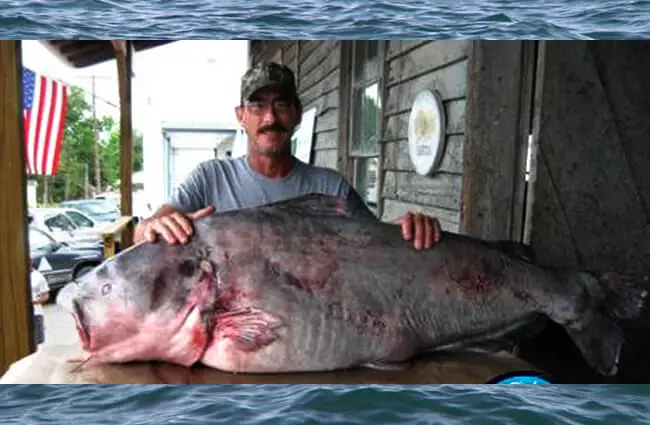
Unlike some of its catfish cousins, the Blue Catfish has a smooth, scaleless skin, a common trait among members of the Ictaluridae family. While juveniles might appear more silvery, mature adults develop that iconic slate-blue hue. Their impressive size is perhaps their most striking feature, with individuals regularly exceeding 50 pounds, and the current world record standing at a colossal 143 pounds. This makes them not only a formidable predator but also a highly sought-after species for anglers.
Where the Giants Roam: Habitat and Distribution
The native range of the Blue Catfish primarily encompasses the major river systems of the central and southern United States. This includes the Mississippi River basin, extending into tributaries of the Missouri, Ohio, and Arkansas Rivers, as well as Gulf Coast drainages from Texas to Florida. These fish are perfectly adapted to large, flowing waters, preferring deep channels, swift currents, and areas with plenty of submerged structure like logs, rock piles, and undercut banks.
Blue Catfish thrive in environments with good water quality, preferring clear to moderately turbid waters. They are often found in the main channels of rivers and large reservoirs, where they can utilize their powerful swimming abilities to navigate currents and ambush prey. Interestingly, while primarily a freshwater species, Blue Catfish exhibit a remarkable tolerance for brackish water, allowing them to inhabit estuaries and tidal rivers, particularly in areas like the Chesapeake Bay, where they have been introduced.
However, this adaptability has also led to their introduction, both intentionally and unintentionally, into waters outside their native range. In some areas, such as the aforementioned Chesapeake Bay, they have established thriving populations, sometimes with significant ecological consequences, which we will explore further.
A Glimpse into the Past: Evolutionary Journey
The Blue Catfish belongs to the family Ictaluridae, a group of North American freshwater catfish that boasts a rich evolutionary history. This family lineage dates back millions of years, with fossil records indicating their presence in North American waters for a considerable geological span. Their evolution has been shaped by the dynamic river systems they inhabit, leading to specialized adaptations that allow them to thrive in these challenging environments.
Key evolutionary adaptations include their streamlined body for efficient movement in currents, their highly developed chemosensory barbels for foraging in low-visibility conditions, and their robust skeletal structure capable of supporting their impressive size. Their smooth, scaleless skin is also an ancient trait, providing a tactile advantage and potentially reducing drag in fast-moving water. The Blue Catfish represents a successful evolutionary trajectory, demonstrating how a species can become perfectly attuned to its specific ecological niche over vast stretches of time.
What’s on the Menu? The Blue Catfish Diet
The Blue Catfish is an opportunistic omnivore, a true generalist feeder whose diet shifts dramatically as it grows from a small fry to a massive adult. This adaptability in diet is a key factor in its ecological success and its ability to colonize new environments.
- Juvenile Diet: Young Blue Catfish primarily feed on aquatic insects, small crustaceans, and zooplankton. Their smaller size necessitates a diet of readily available, smaller prey items.
- Sub-Adult Diet: As they grow, their diet expands to include larger invertebrates like crayfish, mussels, and snails. They also begin to incorporate small fish into their meals.
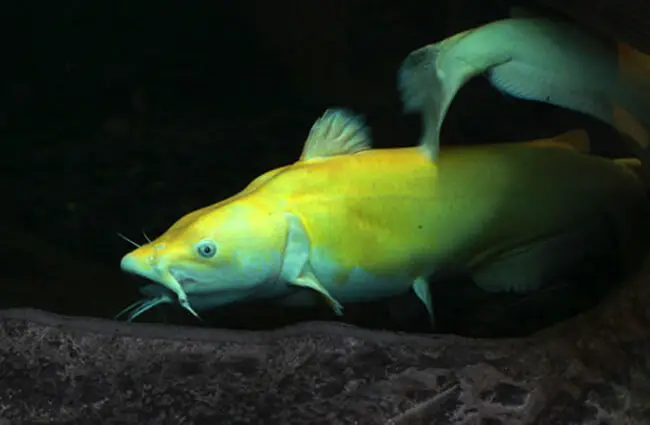
- Adult Diet: Mature Blue Catfish are formidable predators, with fish forming the bulk of their diet. They are particularly fond of schooling baitfish such as shad, herring, and smaller carp species. They are also known to consume other catfish, sunfish, and even small mammals or birds that fall into the water. Furthermore, Blue Catfish are efficient scavengers, readily consuming carrion, which helps to clean up the aquatic environment. Their powerful jaws and broad mouths allow them to engulf surprisingly large prey items.
Their keen sense of smell and taste, facilitated by their barbels, allows them to locate food even in dark or turbid waters, making them highly effective nocturnal hunters. This diverse and adaptable diet contributes significantly to their growth rate and their ability to dominate food webs in their preferred habitats.
The Circle of Life: Mating and Reproduction
The reproductive cycle of the Blue Catfish is a fascinating display of parental care and strategic spawning. Spawning typically occurs in late spring to early summer, when water temperatures consistently reach between 70 and 75 degrees Fahrenheit (21 to 24 degrees Celsius). The exact timing can vary geographically, influenced by local climate and water conditions.
The male Blue Catfish plays a primary role in nest preparation and guarding. They seek out secluded, dark cavities for spawning, often utilizing hollow logs, undercut banks, rock crevices, or even discarded tires and culverts. These hidden locations provide protection for the eggs and developing fry from predators and strong currents.
- Nest Preparation: The male meticulously cleans the chosen site, creating a suitable substrate for egg deposition.
- Spawning: The female deposits a large clutch of adhesive eggs, which can number in the tens of thousands, onto the prepared surface. The male then fertilizes them.
- Parental Care: After spawning, the female typically leaves the nest, while the male remains to guard the eggs. He diligently fans the eggs with his fins to ensure proper oxygenation and removes any debris or unfertilized eggs. This dedicated parental care significantly increases the survival rate of the offspring.
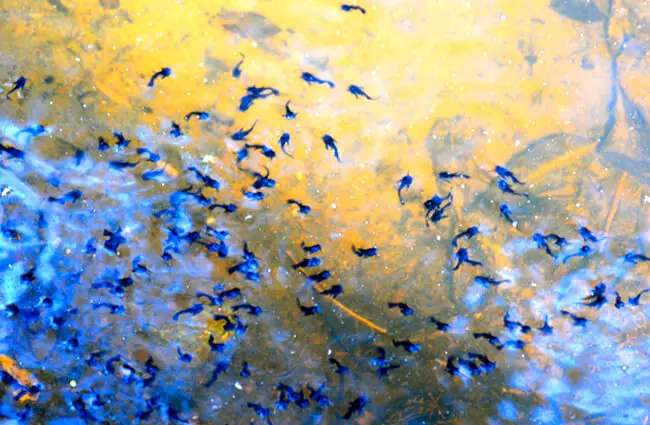
- Hatching and Fry Development: The eggs hatch relatively quickly, usually within 6 to 10 days, depending on water temperature. The newly hatched fry, initially small and vulnerable, remain in the nest cavity under the male’s protection for several days, feeding on their yolk sacs. Once they are strong enough to swim freely, they emerge from the nest, often forming small schools for safety in numbers.
This reproductive strategy, with its emphasis on parental investment, is crucial for the perpetuation of the species, especially given the challenges of riverine environments.
An Ecosystem’s Architect: Role and Interactions
In its native range, the Blue Catfish serves as a vital component of the aquatic ecosystem, often acting as an apex predator. Its presence helps to maintain the balance of fish populations, particularly by preying on abundant schooling species like shad. By consuming both live prey and carrion, they contribute to nutrient cycling and the overall health of the aquatic environment.
However, the story changes when Blue Catfish are introduced into non-native ecosystems. Their adaptability, rapid growth rate, and voracious appetite can have significant ecological impacts:
- Competition: They can outcompete native predators for food and habitat, potentially displacing species that are less aggressive or slower growing.
- Predation Pressure: Their diet includes a wide variety of fish, including commercially important species and those with conservation concerns. In some introduced areas, they have been linked to declines in native fish populations.
- Food Web Alteration: By consuming large quantities of prey, they can alter the structure of the food web, potentially leading to trophic cascades that affect multiple levels of the ecosystem. For example, a reduction in native filter feeders due to catfish predation could impact water clarity.
Understanding these interactions is crucial for managing Blue Catfish populations, especially in areas where they are considered an invasive species. Their role highlights the delicate balance of ecosystems and the profound impact a single species can have.
Blue Catfish and Humanity: A Complex Relationship
The interaction between Blue Catfish and humans is multifaceted, ranging from recreational pursuit to ecological concern and cultural significance.
- Sport Fishing: Blue Catfish are immensely popular among anglers. Their large size, powerful fight, and widespread availability make them a prime target for recreational fishing. Catching a trophy-sized Blue Catfish is a significant achievement for many fishermen, contributing to a vibrant sport fishing industry.
- Food Source and Aquaculture: Historically and presently, Blue Catfish are valued as a food fish. Their firm, white flesh is considered excellent eating. This demand has led to their inclusion in aquaculture operations, though less extensively than Channel Catfish. Commercial fisheries also target them in some areas.
- Invasive Species Management: In regions where they are non-native, Blue Catfish are often the subject of intensive management efforts. These efforts can include encouraging recreational harvest, commercial fishing, and targeted removal programs to mitigate their ecological impact on native species and ecosystems.
- Cultural Significance: In the Southern United States, catfish, including the Blue Catfish, hold a significant place in regional cuisine and culture. Catfish fries, fish camps, and the pursuit of these powerful fish are deeply ingrained traditions.
This complex relationship underscores the need for balanced management strategies that consider both the ecological health of aquatic systems and the socio-economic value of the species.
Encountering Blue Catfish in the Wild: A Guide for Enthusiasts
For the animal lover or aspiring zoologist hoping to observe a Blue Catfish in its natural habitat, understanding their behavior and preferred environments is key. While direct observation can be challenging due to their often deep-water habits and nocturnal tendencies, finding their preferred locations increases your chances.
Where and How to Find One:
- Deep River Channels: Focus on large rivers with significant depth, especially areas with strong currents. Blue Catfish often congregate in the deepest parts of these channels.
- Submerged Structure: Look for areas with underwater features like fallen trees, log jams, rock piles, bridge pilings, and sharp drop-offs. These structures provide cover, ambush points, and resting areas.
- Reservoirs: In large impoundments, target the main lake channels, creek channels, and areas near dam structures.
- Time of Day: While they can be caught during the day, Blue Catfish are often most active during dawn, dusk, and throughout the night, when they move into shallower areas to feed.
- Bait and Scent: If you are fishing for them, strong-smelling baits like cut fish (shad, herring), chicken liver, or prepared stink baits are highly effective due to their acute sense of smell.
What to Do if You Encounter One (for Hikers):
If you happen to spot a Blue Catfish, perhaps in clear shallow water or if one is caught by an angler nearby, remember these points:
- Observe from a Distance: Blue Catfish are wild animals. Maintain a respectful distance and observe their natural behavior without disturbing them.
- They are Not Aggressive Towards Humans: There is no need for alarm. Blue Catfish are not known to be aggressive towards people in the water. Their primary defense is to swim away.
- Do Not Handle Unless Experienced: If you are not an experienced angler or fish handler, avoid attempting to touch or pick up a large catfish. Their pectoral and dorsal fins possess sharp spines that can inflict painful punctures.
- Appreciate the Wildlife: Take a moment to appreciate the sheer size and power of this magnificent freshwater fish.
Caring for the Giants: Insights for Zookeepers
Caring for Blue Catfish in a captive environment, such as a public aquarium or research facility, requires specialized knowledge and dedication due to their potential size and specific needs. A zookeeper’s tasks are comprehensive, ensuring the well-being and health of these impressive fish.
Tasks a Zookeeper Should Perform:
- Provide Ample Space: Blue Catfish grow very large. They require extremely spacious tanks or outdoor ponds that can accommodate their adult size and allow for natural swimming behavior. Overcrowding is a significant stressor.
- Maintain Pristine Water Quality:
- Temperature: Keep water temperatures within their preferred range, typically 65-75°F (18-24°C), though they can tolerate a wider range.
- pH: Maintain a neutral to slightly alkaline pH, generally between 7.0 and 8.0.
- Oxygenation: Ensure high dissolved oxygen levels, as they are accustomed to flowing, well-oxygenated waters. Robust filtration and aeration are essential.
- Ammonia, Nitrite, Nitrate: Regularly monitor and manage nitrogenous waste products through efficient biological and mechanical filtration, along with routine water changes.
- Offer a Varied and Appropriate Diet: Feed a high-quality, balanced diet consisting of commercial sinking pellets formulated for carnivorous fish, supplemented with fresh or frozen fish (e.g., shad, tilapia), shrimp, and other protein sources. Adjust portion sizes based on the fish’s size and activity level to prevent obesity or malnourishment.
- Provide Environmental Enrichment: Include large, smooth rocks, PVC pipes, or artificial logs to mimic natural hiding spots and structures. This provides security and mental stimulation.
- Monitor Health and Behavior: Regularly observe the fish for any signs of disease, injury, or unusual behavior. This includes checking for lesions, fin rot, changes in appetite, or lethargy. Promptly address any health concerns with veterinary consultation.
- Quarantine New Arrivals: Always quarantine new Blue Catfish in a separate tank for a period to monitor for diseases and parasites before introducing them to the main exhibit.
- Understand Social Dynamics: While generally tolerant, large catfish can be territorial. Monitor interactions, especially if housing multiple individuals, and be prepared to separate if aggression becomes an issue.
What Should Be Avoided:
- Overcrowding: This leads to stress, poor water quality, stunted growth, and increased aggression.
- Inadequate Filtration: Poor filtration will result in toxic water conditions, leading to stress and disease.
- Feeding Low-Quality or Monotonous Diets: This can lead to nutritional deficiencies and health problems.
- Rapid Water Parameter Changes: Sudden shifts in temperature, pH, or salinity can be highly stressful and potentially fatal.
- Ignoring Signs of Illness: Delaying treatment for health issues can lead to severe complications or death.
- Handling Without Care: Always use appropriate techniques and protective gear when handling large catfish to avoid injury to both the fish and the keeper from their sharp spines.
Beyond the Basics: Fascinating Facts About Blue Catfish
The Blue Catfish is full of intriguing characteristics that make it a truly remarkable species:
- Long Lifespan: In optimal conditions, Blue Catfish can live for 20 to 30 years, with some individuals potentially living even longer, making them a long-term resident of their aquatic homes.
- Excellent Sensory Abilities: Beyond their barbels, Blue Catfish possess a highly developed lateral line system, which detects vibrations and pressure changes in the water, allowing them to sense prey and navigate in darkness.
- Tolerance to Salinity: While primarily freshwater fish, their ability to tolerate brackish water is unusual for such a large freshwater species and contributes to their success in estuarine environments.
- Growth Rate: Under ideal conditions with abundant food, Blue Catfish can grow remarkably fast, reaching impressive sizes within a few years.
- Nocturnal Hunters: Although they can feed during the day, their peak activity often occurs at night, utilizing their superior senses to hunt in low light.
- Largest North American Catfish: They hold the undisputed title for the largest catfish species found in North America, a testament to their robust physiology and ecological success.
- Adaptable Spawners: Their willingness to use a variety of submerged structures for nesting, including man-made objects, showcases their adaptability in reproductive strategies.
The Blue Catfish is more than just a large fish; it is a complex and vital part of North American aquatic ecosystems. From its evolutionary journey to its intricate interactions with other species and humans, this magnificent creature offers endless opportunities for study and appreciation. Whether you are a student researching its diet, an angler seeking a trophy, or simply an animal lover marveling at its resilience, the Blue Catfish reminds us of the incredible diversity and power hidden beneath the water’s surface. Understanding and respecting this species is crucial for ensuring its place in our natural world for generations to come.
![Closeup of a beautiful Red Angus cowPhoto by: U.S. Department of Agriculture [pubic domain]https://creativecommons.org/licenses/by/2.0/](https://animals.net/wp-content/uploads/2020/03/Red-Angus-4-238x178.jpg "Red Angus")
![Closeup of a beautiful Red Angus cowPhoto by: U.S. Department of Agriculture [pubic domain]https://creativecommons.org/licenses/by/2.0/](https://animals.net/wp-content/uploads/2020/03/Red-Angus-4-100x75.jpg "Red Angus")