The World of Blackbirds: A Comprehensive Guide
Blackbirds represent a fascinating group of birds found across the globe, captivating observers with their melodious songs, striking plumage, and adaptable behaviors. While often perceived as a single species, “blackbird” encompasses a diverse family of birds, each with unique characteristics and ecological roles. This article delves into the intricate world of blackbirds, exploring their biology, behavior, habitat, and cultural significance.
Identifying Blackbirds: A Family Portrait
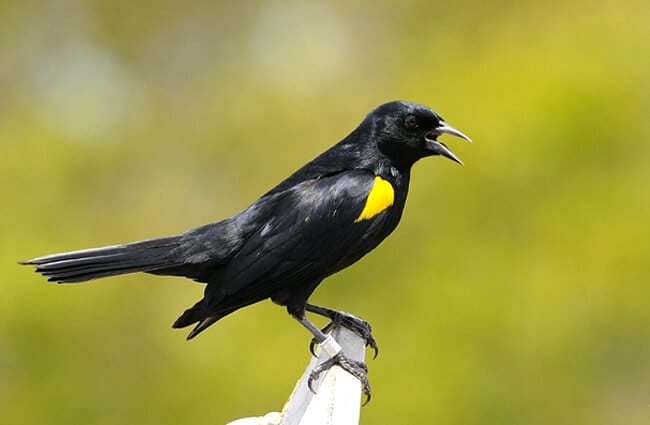
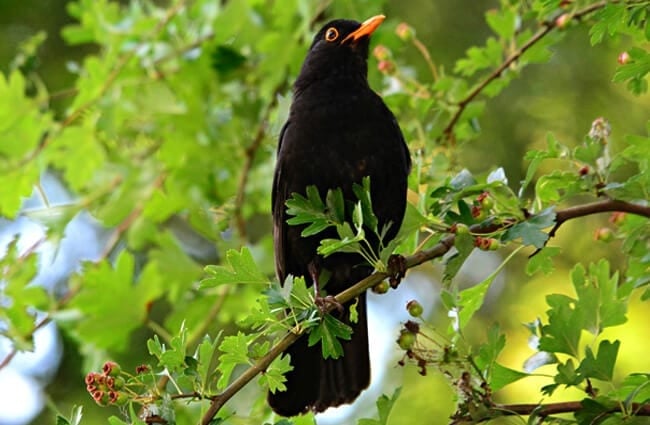
The term “blackbird” isn’t a strict taxonomic grouping. Several species fall under this common name, most belonging to the Icteridae family. Some of the most well‑known include the Red‑winged Blackbird, Yellow‑headed Blackbird, Rusty Blackbird, and the European Blackbird (often simply called “blackbird” in Europe). Coloration varies greatly. While many males exhibit glossy black plumage, females and immature birds often display more muted browns and streaking. Distinctive features, such as the red shoulder patches of the Red‑winged Blackbird or the bright yellow head of the Yellow‑headed Blackbird, are crucial for identification. Size also differs, from the relatively small European Blackbird to the more robust Rusty Blackbird.
Habitat and Distribution
Blackbirds are remarkably adaptable, inhabiting a wide range of environments. They are commonly found in wetlands, marshes, grasslands, fields, and even urban areas. The Red‑winged Blackbird thrives in dense marsh vegetation, building its nests amongst the reeds. Yellow‑headed Blackbirds favor cattail marshes, while Rusty Blackbirds are common in wetlands and marshes of eastern North America. European Blackbirds are common in gardens, parks, and woodlands. Their distribution spans continents, including North and South America, Europe, Asia, and parts of Africa. Migration patterns vary, with some species being year round residents and others undertaking long distance journeys to breeding and wintering grounds.
Diet and Foraging Behavior
Blackbirds are omnivorous, feeding on insects, seeds, berries, grains, and small invertebrates. During the breeding season, insects and other protein‑rich foods are essential for chick growth. In non‑breeding season, seeds and grains dominate their diet. Foraging behavior varies by species. Red‑winged Blackbirds often glean insects from vegetation or probe mud for invertebrates. Rusty Blackbirds tend to forage on the ground, probing leaf litter. All species are opportunistic feeders, exploiting available food.
Reproduction and Life Cycle
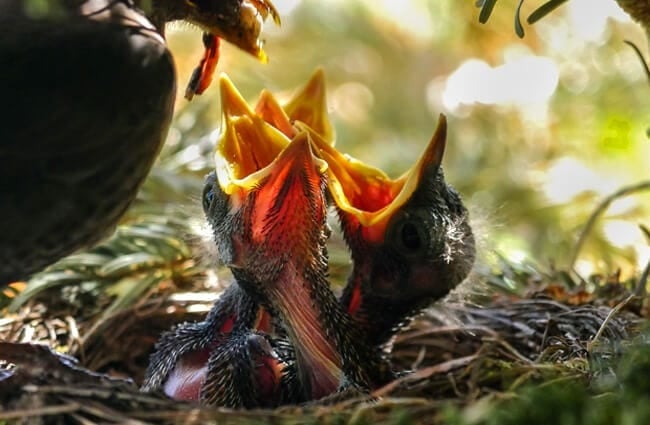
Blackbirds are typically monogamous, forming pair bonds during the breeding season. Males often establish territories and attract females through elaborate displays and songs. Nest construction varies. Red‑winged Blackbirds weave a cup‑shaped nest from reeds and grasses, attaching it to stems. Yellow‑headed Blackbirds build similar nests, usually higher in vegetation. The female lays a clutch of three to five eggs, incubating them for ten to fourteen days. Chicks are altricial, requiring extensive parental care. Both parents participate in feeding and protecting the young. Fledglings typically leave the nest after ten to fourteen days but remain dependent on their parents for several weeks.
Ecological Role and Interactions
Blackbirds play a significant role in ecosystems. As insectivores, they help control insect populations. Their seed‑dispersal activities contribute to plant propagation. They also serve as prey for various predators, including hawks, owls, and snakes. Blackbirds often interact with other bird species, sometimes forming mixed species flocks. Competition for resources can occur, especially during the breeding season. They can also exhibit cooperative behaviors, such as mobbing predators. Their presence or absence can be an indicator of environmental health, as they are sensitive to habitat loss and pollution.
Blackbirds and Human Culture
Blackbirds have long captured the imagination of humans, featuring in folklore, literature, and music. Their songs are often celebrated for their beauty and complexity. The European Blackbird, in particular, is renowned for its rich, melodious vocalizations. In some cultures, blackbirds are associated with good luck or omens. They have also been depicted in art and poetry, often symbolizing mystery or transformation. The impact of blackbirds on agriculture has also been noted. They can be considered pests when they feed on crops, but also beneficial because they consume insect pests.
Encountering Blackbirds in the Wild
If you encounter a blackbird in the wild, observe from a respectful distance. Avoid approaching nests or disturbing breeding birds. If a bird appears injured or distressed, contact a local wildlife rehabilitation center. Be mindful of the bird’s habitat, avoiding trampling vegetation or leaving litter. Enjoy the opportunity to appreciate these fascinating creatures in their natural environment.
Conservation Status and Threats
While many blackbird species are currently classified as least concern, some populations are facing declines. Habitat loss, degradation, and fragmentation are major threats. Climate change is also impacting breeding patterns and food availability. Pollution and pesticide use can negatively affect breeding success and overall health. Conservation efforts include habitat restoration, sustainable land management practices, and reducing pesticide use. Monitoring population trends is crucial for identifying and addressing potential threats.
Advanced Insights: Blackbird Vocalizations and Cognition
Blackbird vocalizations are remarkably complex, with individuals exhibiting regional dialects and learning new songs throughout their lives. Research suggests that song complexity is correlated with mating success and territorial dominance. Blackbirds demonstrate cognitive abilities, including problem solving skills and the ability to recognize individual birds. They also exhibit social learning, acquiring behaviors by observing others. Further research is ongoing to understand the full extent of their cognitive capabilities.
Caring for Blackbirds in Captivity
Caring for blackbirds in captivity requires a spacious enclosure with appropriate perches, vegetation, and a varied diet. Mimic their natural foraging behavior by scattering food throughout the enclosure. Provide opportunities for vocalization and social interaction. Regular veterinary care is essential to monitor health and prevent disease. Avoid overcrowding and provide enrichment activities to stimulate natural behaviors. Maintaining a clean and hygienic environment is crucial for preventing disease spread. Strict biosecurity measures should protect captive birds from exposure to pathogens.
A Final Note
Blackbirds, in their diverse forms, remain a captivating subject of study and appreciation. From their beautiful songs to their complex behaviors, they offer a window into the wonders of the natural world. By understanding their ecology, threats, and conservation needs, we can help ensure their survival for generations to come.
![Closeup of a beautiful Red Angus cowPhoto by: U.S. Department of Agriculture [pubic domain]https://creativecommons.org/licenses/by/2.0/](https://animals.net/wp-content/uploads/2020/03/Red-Angus-4-238x178.jpg "Red Angus")
![Closeup of a beautiful Red Angus cowPhoto by: U.S. Department of Agriculture [pubic domain]https://creativecommons.org/licenses/by/2.0/](https://animals.net/wp-content/uploads/2020/03/Red-Angus-4-100x75.jpg "Red Angus")