A Comprehensive Guide to the Beauceron
The Beauceron, a breed steeped in French history and renowned for its intelligence and protective nature, is a magnificent canine companion. Often referred to as the “Gentle Giant,” this breed offers a unique blend of power, grace, and loyalty. This guide explores every facet of the Beauceron, from its origins to its specific needs, offering potential owners a thorough understanding of what it means to share life with this remarkable dog.
History and Origins
The Beauceron’s story begins in the fertile plains of the Beauce region of France, dating back to the 16th century. Originally bred as a versatile farm dog, it served as both a livestock guardian and a hunter of wild boar. Its ancestry shares characteristics with the Berger de Brie, a French herding dog, giving it a powerful, athletic build and a keen working drive. For centuries, the Beauceron was a staple on French farms, its black and tan coloration, known as fauve, provides camouflage in the fields. While nearly lost after World War I, dedicated breeders revived the breed, solidifying its place as a national treasure of France. They were even used as messenger dogs during both World Wars, demonstrating their intelligence and courage.
Physical Characteristics
Size and Weight
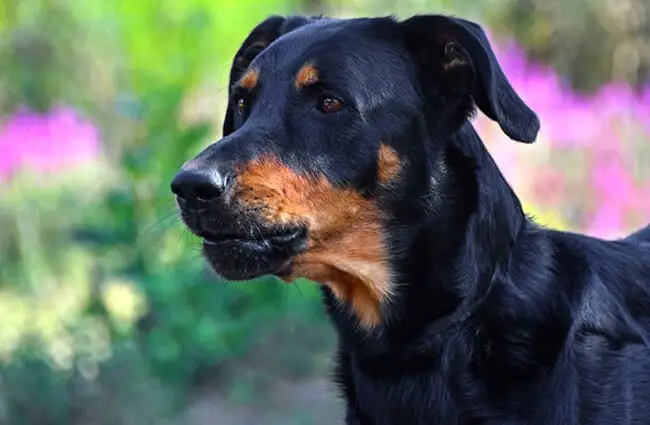
The Beauceron is a large breed, exhibiting a robust and muscular physique. Males typically stand between 25.5 and 27.5 inches tall at the shoulder, while females range from 23 to 25 inches. Weight varies considerably depending on the individual, but males generally weigh between 100 and 110 pounds, and females between 88 and 100 pounds. They have a distinctive, slightly rectangular build, displaying power and agility. Their coat is short, dense, and slightly wavy, providing protection against the elements.
Coat and Color
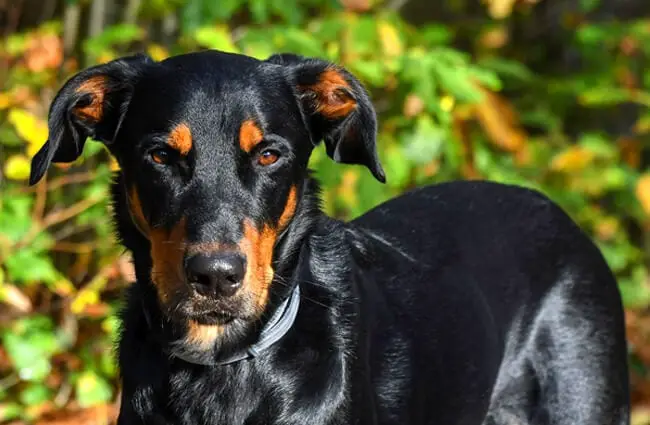
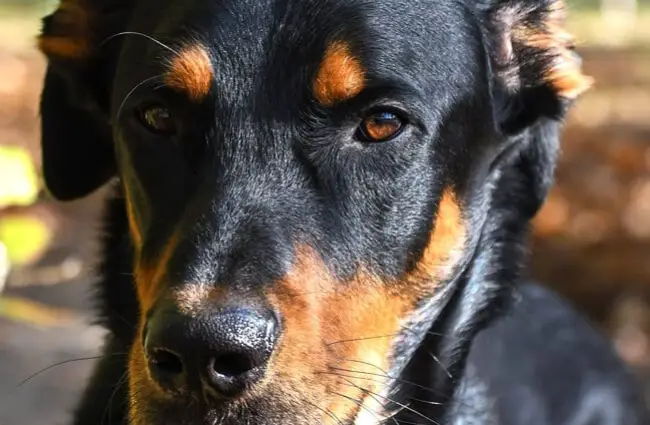
The Beauceron’s coat is relatively easy to maintain, requiring only occasional brushing. The accepted colors are black and tan (fauve) or a solid black. The fauve coloration displays varying shades of tan, with distinct markings on the face, chest, and legs. A small white marking on the chest is permissible, but excessive white markings are considered a fault. Solid blacks must have a small patch of tan color hidden within the coat.
Temperament and Behavior
Beaucerons are renowned for their intelligence, courage, and unwavering loyalty. They are naturally protective of their families and property, making them excellent watchdogs. However, this protectiveness requires early socialization to ensure they distinguish between genuine threats and harmless visitors. Beaucerons are known to be aloof with strangers but incredibly affectionate with their loved ones. They thrive on human companionship and can become distressed if left alone for extended periods. They are highly intelligent and eager to please, making them relatively easy to train, but their independent nature requires a firm, consistent approach.
Care and Maintenance
Exercise Requirements
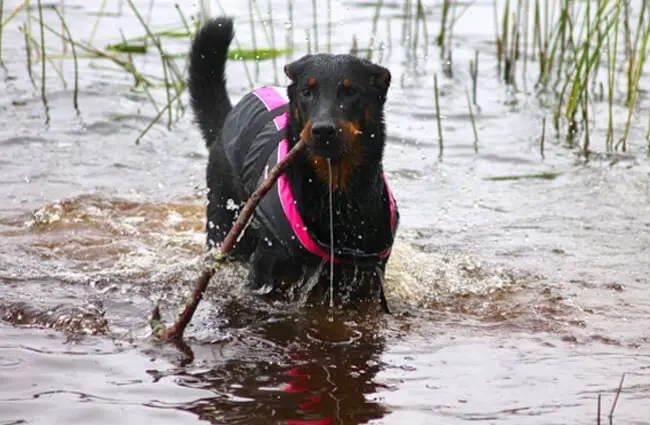
As a large, energetic breed, Beaucerons require a significant amount of exercise. Daily walks, runs, or play sessions are essential to keep them physically and mentally stimulated. They excel in canine sports such as agility, obedience, and herding, providing an excellent outlet for their energy and intelligence. A bored Beauceron can quickly become destructive, so providing ample opportunities for physical and mental enrichment is crucial.
Grooming
The Beauceron’s short coat requires minimal grooming. Weekly brushing will help remove loose hair and maintain a healthy coat. Occasional bathing is necessary, but excessive bathing can strip the coat of its natural oils. Regular ear cleaning and nail trimming are also important for maintaining overall health.
Training and Socialization
Early socialization is paramount for Beaucerons. Exposing them to a variety of people, places, and sounds from a young age will help them develop into well‑adjusted adults. Positive reinforcement training methods are most effective, as Beaucerons respond well to praise and rewards. Consistency and firmness are essential, as they can be independent thinkers. They also benefit from mental challenges, such as puzzle toys and interactive games.

Health Considerations
Beaucerons are generally a healthy breed, but like all breeds, they are prone to certain health conditions. Hip dysplasia, elbow dysplasia, and progressive retinal atrophy are among the most common concerns. Reputable breeders screen their breeding stock for these conditions, reducing the risk of passing them on to their puppies. Bloat (gastric torsion) is another serious concern for large, deep‑chested breeds. Feeding multiple smaller meals throughout the day and avoiding strenuous exercise immediately before or after eating can help reduce the risk of bloat. Regular veterinary checkups are essential for maintaining optimal health.
Is a Beauceron Right For You?
The Beauceron is a magnificent breed, but it’s not for everyone. This breed requires an experienced owner who can provide firm, consistent training, ample exercise, and plenty of mental stimulation. They thrive in homes with a spacious yard and an active lifestyle. They are not well‑suited to apartment living or to families with very young children. A Beauceron is a loyal, protective companion for those willing to meet its needs, offering a lifetime of devotion and companionship.
Interesting Facts About the Beauceron
- The Beauceron is one of the oldest French dog breeds.
- They were historically known as “berger de la Beauce” (shepherd of Beauce).
- Beaucerons served as messenger dogs during both World War I and World War II.
- Their coat color, fauve, provided camouflage in the French countryside.
- Some Beaucerons may have a double dewclaw on each hind leg, a variation seen in some herding breeds.
Conclusion
The Beauceron stands as a testament to the rich history and enduring spirit of the French countryside. A blend of intelligence, courage, and unwavering loyalty makes them exceptional companions for the right owner. By understanding their unique needs and providing the necessary care, one can unlock the full potential of this magnificent breed, forging a bond that will last a lifetime.

![Closeup of a beautiful Red Angus cowPhoto by: U.S. Department of Agriculture [pubic domain]https://creativecommons.org/licenses/by/2.0/](https://animals.net/wp-content/uploads/2020/03/Red-Angus-4-100x75.jpg "Red Angus")