Deep within the ancient waterways of Mexico City dwells a creature of myth and marvel, a living fossil that defies the very laws of nature as we understand them. This is the Axolotl, a salamander that has captivated scientists, enchanted animal lovers, and inspired legends for centuries. Often dubbed the “walking fish” due to its aquatic lifestyle and distinctive appearance, the Axolotl is far more than just a pretty face; it is a biological enigma, a testament to evolution’s boundless creativity, and a critical indicator of environmental health.
Join us on a journey to explore the fascinating world of the Axolotl, from its unique biology and ancient origins to its precarious existence in the modern world. Prepare to be amazed by its regenerative powers, intrigued by its cultural significance, and inspired by the urgent need to protect this extraordinary amphibian.
The Eternal Youth of the Axolotl: A Biological Marvel
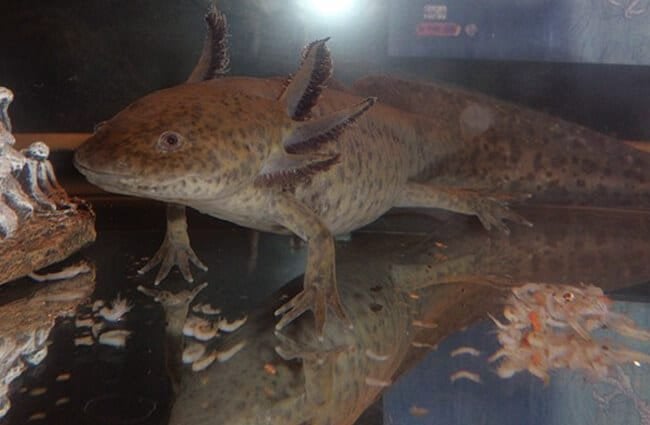
The Axolotl, scientifically known as Ambystoma mexicanum, stands out even among its amphibian relatives. Unlike most salamanders that undergo metamorphosis to transition from an aquatic larval stage to a terrestrial adult, the Axolotl largely remains in its larval form throughout its life. This phenomenon is called neoteny, a state of retaining juvenile features into adulthood. It means the Axolotl lives its entire life underwater, breathing through its feathery external gills, which are perhaps its most iconic feature.
These gills, typically three on each side of its head, are often vibrant red or pink, contrasting beautifully with its smooth, soft skin. While wild Axolotls are usually dark brown or black, captive breeding has produced a stunning array of color morphs, including leucistic (pale pink with black eyes), albino (white with red eyes), golden, and even mosaic patterns. An adult Axolotl can grow up to 30 centimeters (12 inches) long, though most average around 15-20 centimeters (6-8 inches). They possess a flattened head, small lidless eyes, and a wide mouth that always seems to wear a gentle smile.
Beyond its charming appearance, the Axolotl holds a biological superpower: unparalleled regeneration. It can regrow not just limbs, but also jaws, spines, parts of its brain, and even damaged heart tissue with remarkable precision and without scarring. This incredible ability has made it a focal point for medical and genetic research, offering potential insights into human healing and tissue repair.
A Glimpse into History: The Axolotl’s Evolutionary Journey
The Axolotl belongs to the family Ambystomatidae, commonly known as mole salamanders. Its evolutionary lineage traces back millions of years, sharing ancestry with other North American salamanders. What makes the Axolotl’s evolutionary path particularly fascinating is its commitment to neoteny. While other salamander species might exhibit facultative neoteny (metamorphosing if conditions are unfavorable for aquatic life), the Axolotl is obligately neotenic in its natural habitat, meaning it rarely, if ever, metamorphoses naturally.
Scientists believe this adaptation arose due to the stable and resource-rich aquatic environment of its native lakes. There was simply no evolutionary pressure to develop lungs and venture onto land, as the water provided everything it needed. This unique evolutionary trajectory has resulted in a creature perfectly adapted to its specific niche, yet also highly vulnerable to changes within that niche.
The Axolotl’s Ancestral Home: Habitat and Conservation Crisis
The Axolotl is endemic to a very specific and shrinking habitat: the ancient lake system that once surrounded Mexico City. Today, its natural range is primarily confined to the remnants of Lake Xochimilco and the canals that crisscross it, located southeast of Mexico City. This aquatic environment is characterized by cool, oxygen-rich waters with a muddy or silty bottom, providing ample hiding spots among aquatic vegetation.
Sadly, the Axolotl is critically endangered, teetering on the brink of extinction in the wild. Its decline is a stark reminder of humanity’s impact on nature. The primary threats include:
- Habitat Loss and Degradation: Urbanization and the expansion of Mexico City have led to the draining and pollution of its native lakes and canals.
- Water Pollution: Agricultural runoff, industrial waste, and untreated sewage contaminate the remaining waterways, making them unsuitable for the Axolotl.
- Invasive Species: The introduction of non-native fish species, such as carp and tilapia, for aquaculture has had devastating effects. These invasive fish compete with Axolotls for food and, more critically, prey on young Axolotls and their eggs.
- Climate Change: Changes in rainfall patterns and temperature can further stress their fragile ecosystem.
Conservation efforts are underway, including habitat restoration projects, captive breeding programs, and community engagement initiatives in Xochimilco. These efforts are crucial to prevent the complete disappearance of this iconic species from its natural home.
What’s on the Menu? The Axolotl’s Diet
As opportunistic carnivores, Axolotls are not picky eaters. Their diet in the wild reflects the abundance of their aquatic environment. They are primarily suction feeders, creating a vacuum with their mouths to suck in prey.
- Wild Diet:
- Small fish
- Insects and insect larvae
- Worms
- Crustaceans
- Mollusks
- Amphibian larvae (including smaller Axolotls, as they can be cannibalistic)
- Captive Diet (for zookeepers and pet owners):
- High-quality sinking pellets specifically formulated for salamanders or aquatic amphibians.
- Live or frozen bloodworms
- Brine shrimp
- Earthworms (chopped for smaller Axolotls)
- Daphnia
- Small feeder fish (sparingly, as they can carry diseases)
- Blackworms
It is important to provide a varied diet to ensure complete nutrition. Young Axolotls should be fed daily, while adults can be fed every two to three days. Overfeeding should be avoided to prevent water quality issues and obesity.
The Dance of Life: Mating and Reproduction
Axolotls typically reach sexual maturity between six months and one year of age. Their reproductive cycle is fascinating and involves a unique courtship ritual.
- Courtship: The male initiates courtship by nudging and caressing the female. He performs a “shiver dance,” vibrating his tail and body to entice her.
- Spermatophore Deposition: Once the female is receptive, the male deposits a spermatophore (a small packet of sperm) on the substrate.
- Spermatophore Uptake: The female then picks up the spermatophore with her cloaca, internalizing the sperm for fertilization.
- Egg Laying: After a period of gestation, which can range from a few hours to a few days, the female lays hundreds of eggs, typically attaching them individually to aquatic plants or other submerged objects. A single clutch can contain anywhere from 100 to over 1,000 eggs.
- Hatching and Development: The eggs hatch after about 10-14 days, depending on water temperature. The tiny hatchlings are vulnerable and grow rapidly, feeding on microscopic organisms initially.
In rare circumstances, usually triggered by specific environmental cues like iodine exposure or hormonal changes, an Axolotl can undergo metamorphosis, developing lungs and becoming a terrestrial salamander. However, this is extremely rare in the wild and often shortens their lifespan.
An Ecosystem’s Unsung Hero: Contribution and Interactions
In their native ecosystem, Axolotls play a vital role, acting as both predator and prey. As apex predators in their microhabitat, they help control populations of smaller invertebrates and fish, contributing to the balance of the aquatic food web. Their presence indicates a healthy aquatic environment, making them a valuable bioindicator species.
Their interactions with other animals are primarily driven by their position in the food chain. While adult Axolotls have few natural predators in their specific niche, young Axolotls and eggs are vulnerable to larger fish, birds, and even other adult Axolotls. The introduction of invasive species like carp and tilapia has severely disrupted this delicate balance, placing immense pressure on wild Axolotl populations.
The Axolotl in Human Culture: From Aztec Myth to Modern Icon
The Axolotl’s unique appearance and aquatic nature have deeply embedded it in human culture, particularly in Mexico. Its name itself is derived from Nahuatl, the language of the Aztec people, meaning “water dog” or “water monster.” Aztec mythology links the Axolotl to Xolotl, the god of lightning and death, who was said to have transformed himself into an Axolotl to avoid sacrifice. This connection imbues the creature with a mystical and sacred significance.
In modern times, the Axolotl has transcended its mythological roots to become a global icon. Its endearing “smile” and unique biology have made it a popular subject in:
- Art and Literature: Featured in various artistic expressions and literary works, often symbolizing resilience or transformation.
- Video Games and Media: Its distinctive look has led to its inclusion as a character or creature in popular video games and animated series, raising its profile worldwide.
- Pets: Its relatively easy care and captivating appearance have made it a popular exotic pet, leading to a thriving captive breeding industry.
Humanity’s Hand: Interaction with the Axolotl
Human interaction with Axolotls is multifaceted, ranging from scientific study to pet ownership and conservation efforts.
- Scientific Research: The Axolotl is a cornerstone of regenerative medicine research. Its ability to regrow complex body parts without scarring offers unparalleled opportunities to study stem cells, tissue repair, and developmental biology. Scientists hope to unlock the secrets of Axolotl regeneration to benefit human health.
- Pet Trade: Axolotls are popular exotic pets globally. While this has led to robust captive populations, it also raises ethical considerations regarding responsible breeding, sourcing, and care. It is crucial that pet Axolotls are sourced from reputable breeders and never released into the wild, as they could introduce diseases or genetic issues to native populations.
- Conservation: Recognizing the dire situation of wild Axolotls, numerous organizations and individuals are dedicated to their conservation. This includes habitat restoration, water quality improvement, removal of invasive species, and public education campaigns.
A Huge List of Interesting Axolotl Facts
- Ancient Lineage: Axolotls are considered living fossils, having existed for millions of years.
- Respiratory Versatility: While primarily using external gills, Axolotls also possess rudimentary lungs and can breathe through their skin.
- Long Lifespan: In captivity, Axolotls can live for 10-15 years, with some individuals reaching 20 years.
- Temperature Sensitivity: They thrive in cool water, typically between 16-18°C (60-64°F). Warmer temperatures can stress them and lead to health issues.
- Unique Eye Structure: Axolotls lack eyelids, giving them a perpetually wide-eyed look.
- Cannibalistic Tendencies: Especially when young or in crowded conditions, Axolotls can prey on smaller or weaker tank mates.
- Genetic Model: Their large genome and unique biological traits make them invaluable models for genetic research.
- Color Morphs: Beyond their wild dark coloration, captive breeding has produced a spectrum of colors, including leucistic, albino, golden, and melanoid.
- Not a Fish: Despite being called “walking fish,” they are amphibians, specifically salamanders.
- Metamorphosis Inducement: While rare naturally, metamorphosis can be artificially induced in a lab setting using iodine or thyroid hormones.
For the Wild Enthusiast: Seeking the Axolotl in its Natural Habitat
For an animal lover hoping to glimpse an Axolotl in the wild, the journey leads to the canals of Xochimilco in Mexico City. However, it is crucial to understand that finding a wild Axolotl is an extremely rare and challenging endeavor due to their critically endangered status and elusive nature. Their populations are sparse, and the remaining habitat is under constant threat.
Where to Look: The most likely place would be within the protected ecological zones of Xochimilco, often accessible via traditional trajineras (colorful flat-bottomed boats). These areas are part of ongoing conservation efforts.
How to Find One: It is highly recommended to engage with local conservation groups or guided ecological tours that specifically focus on Axolotl conservation. These experts will know the most likely areas and can provide insights into their behavior and habitat. Attempting to find them independently without local knowledge or guidance is unlikely to be successful and could inadvertently disturb sensitive areas.
What to Do if You Find One:
- Observe from a Distance: Maintain a respectful distance to avoid stressing the animal.
- Do Not Touch or Disturb: Handling can harm their delicate skin and gills, and disturb their natural behavior.
- Do Not Attempt to Catch: It is illegal and harmful to wild populations.
- Report Sightings: If you are with a conservation group, report your sighting to them. This data is valuable for monitoring populations.
- Support Conservation: The best way to “find” an Axolotl in the wild is to support the organizations working tirelessly to protect their habitat and ensure their survival.
A Zoologist’s Deep Dive: Learning More About the Axolotl
For aspiring zoologists, the Axolotl offers a wealth of study opportunities across various disciplines. Its unique biology presents compelling questions and avenues for research.
- Developmental Biology: The study of neoteny itself is a rich field. What are the genetic and hormonal mechanisms that prevent metamorphosis? How does this differ from other salamander species?
- Regenerative Medicine: The Axolotl’s unparalleled regenerative capabilities are a goldmine for understanding tissue repair. Research focuses on identifying the specific genes, cell types, and molecular pathways involved in regrowing limbs, organs, and even parts of the brain. This has direct implications for human medicine, from wound healing to organ regeneration.
- Genetics and Genomics: The Axolotl has an exceptionally large genome, about 10 times larger than the human genome. Sequencing and understanding this complex genome is a major undertaking that promises to unlock secrets about evolution, development, and regeneration.
- Ecology and Conservation Biology: Studying the remaining wild populations provides critical data on population dynamics, habitat requirements, and the impact of anthropogenic pressures. Research into effective conservation strategies, including habitat restoration, invasive species management, and captive breeding for reintroduction, is vital.
- Physiology: Investigations into their unique respiratory system (gills, skin, rudimentary lungs), osmoregulation in freshwater, and metabolic rates offer insights into amphibian adaptation.
Engaging with research institutions, universities, and conservation projects that focus on Axolotls can provide invaluable experience and knowledge for aspiring zoologists.
Encountering an Axolotl in the Wild: What to Do
While a rare privilege, encountering an Axolotl in its natural habitat requires responsible and respectful behavior. If you are fortunate enough to spot one in the canals of Xochimilco:
- Stay Calm and Observe: Enjoy the moment from a distance. Do not make sudden movements or loud noises that could startle the animal.
- Do Not Touch or Handle: Axolotls have delicate skin and gills. Handling them can cause stress, remove their protective mucous layer, and potentially transmit pathogens.
- Do Not Feed: Offering food can disrupt their natural foraging behaviors and introduce inappropriate substances into their diet or environment.
- Do Not Attempt to Capture: Wild Axolotls are critically endangered and protected. Capturing them is illegal and detrimental to their survival.
- Take Photos (Respectfully): If you wish to document the sighting, use a camera with a good zoom to avoid getting too close. Avoid using flash, which can be disorienting.
- Report Your Sighting (if applicable): If you are part of an organized tour or conservation effort, report the sighting to your guide or the relevant authorities. This information is valuable for monitoring populations.
- Leave No Trace: Ensure you do not leave any trash or disturb the habitat in any way.
Your actions can significantly impact the survival of these precious amphibians. Respecting their space and supporting conservation efforts are the best ways to interact with wild Axolotls.
The Art of Axolotl Care: A Zookeeper’s Guide
Caring for Axolotls in captivity, whether in a zoo or a dedicated home aquarium, requires specific knowledge and consistent attention to detail. Zookeepers play a crucial role in maintaining healthy populations and educating the public.
Habitat Setup and Environment:
- Tank Size: A minimum of a 10-gallon tank for a single Axolotl, with 20 gallons or more preferred for adults or multiple individuals. More space is always better.
- Water Parameters:
- Temperature: Crucial for Axolotl health. Maintain cool temperatures between 16-18°C (60-64°F). Temperatures above 22°C (72°F) can cause significant stress, illness, and even death. A chiller may be necessary in warmer climates.
- pH: Slightly alkaline, between 7.0 and 8.0.
- Ammonia, Nitrite, Nitrate: Ammonia and nitrite should always be 0 ppm. Nitrates should be kept below 20 ppm through regular water changes.
- Hardness: Moderate to hard water is generally preferred.
- Filtration: A gentle filter is essential for water quality, but strong currents should be avoided as Axolotls prefer still water. Sponge filters or baffled hang-on-back filters are good choices.
- Substrate: Bare bottom or fine sand (less than 1mm grain size) is recommended. Gravel should be avoided as Axolotls can ingest it, leading to impaction.
- Decor: Provide plenty of hiding spots (caves, PVC pipes, dense artificial or live plants) to reduce stress. Ensure all decor is smooth and free of sharp edges.
- Lighting: Axolotls prefer dim lighting. Avoid bright, direct light. If lighting is used for plants, provide ample shaded areas.
Diet and Feeding:
- Refer to the “What’s on the Menu?” section for appropriate food items.
- Feed adults every 2-3 days, juveniles daily.
- Remove any uneaten food promptly to prevent water fouling.
Health Monitoring and Maintenance:
- Water Changes: Perform weekly partial water changes (25-30%) to maintain water quality. Use a dechlorinator.
- Observation: Regularly observe Axolotls for signs of stress or illness:
- Loss of appetite
- Lethargy or unusual activity
- Gills curling forward or looking shriveled (can indicate poor water quality or stress)
- Fungal growth (white patches)
- Redness or inflammation of the skin
- Floating excessively or inability to stay submerged
- Handling: Minimize handling as much as possible. If necessary, use a soft net or a clean, wet hand. Their skin is delicate.
- Quarantine: Always quarantine new Axolotls before introducing them to an established tank to prevent disease transmission.
Breeding in Captivity:
- Successful captive breeding programs are vital for conservation and the pet trade.
- Ensure a healthy male and female, optimal water conditions, and a slight temperature drop can sometimes stimulate breeding.
- Provide ample surfaces for egg laying (e.g., artificial plants, spawning mops).
- Separate eggs or hatchlings from adults to prevent cannibalism.
By adhering to these guidelines, zookeepers can ensure the well-being of their Axolotls, contributing to both individual animal health and broader conservation efforts.
The Future of the Axolotl: A Call to Action
The Axolotl is more than just a peculiar amphibian; it is a symbol of resilience, a living laboratory for scientific discovery, and a poignant reminder of the delicate balance of our ecosystems. Its struggle for survival in the wild underscores the urgent need for environmental protection and responsible human stewardship.
Whether you are a student researching its biology, an animal lover captivated by its charm, an aspiring zoologist seeking to unravel its mysteries, or simply someone who appreciates the wonders of the natural world, the Axolotl invites us all to learn, to care, and to act. By supporting conservation initiatives, making responsible choices as pet owners, and advocating for cleaner waterways, we can all contribute to securing a future for this extraordinary “water monster” and ensure its unique smile continues to grace the waters of Xochimilco for generations to come.
![Closeup of a beautiful Red Angus cowPhoto by: U.S. Department of Agriculture [pubic domain]https://creativecommons.org/licenses/by/2.0/](https://animals.net/wp-content/uploads/2020/03/Red-Angus-4-100x75.jpg "Red Angus")