The aerial acrobatics and iridescent plumage of the Purple Martin are a welcome sight across much of North America. These captivating birds, entirely insectivorous, offer more than just aesthetic pleasure. They play a vital role in controlling insect populations and hold a unique place in both natural history and human interaction. This guide delves into the world of the Purple Martin, exploring its biology, behavior, and the fascinating connection it shares with people.
Understanding the Purple Martin
What Exactly is a Purple Martin?
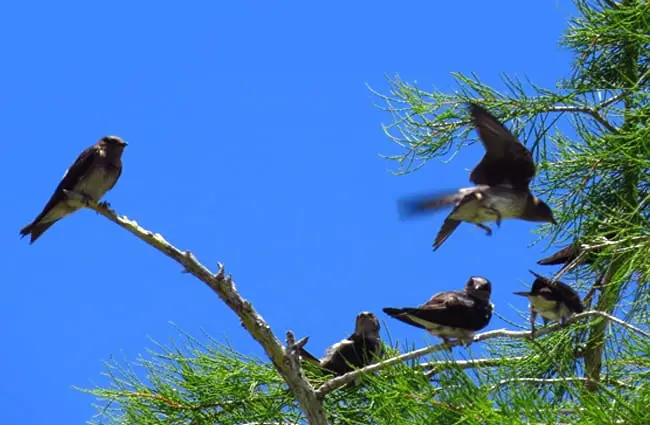
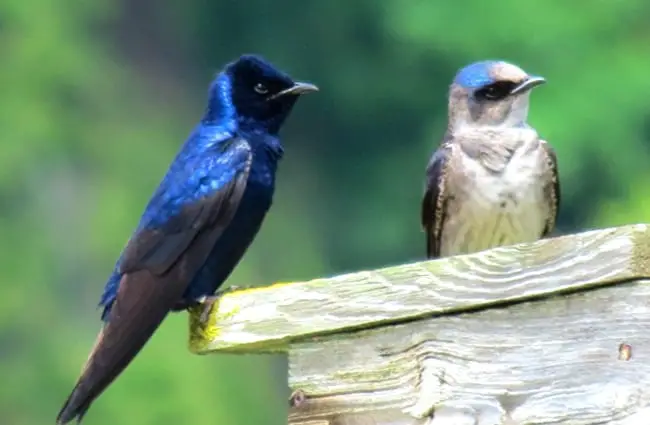
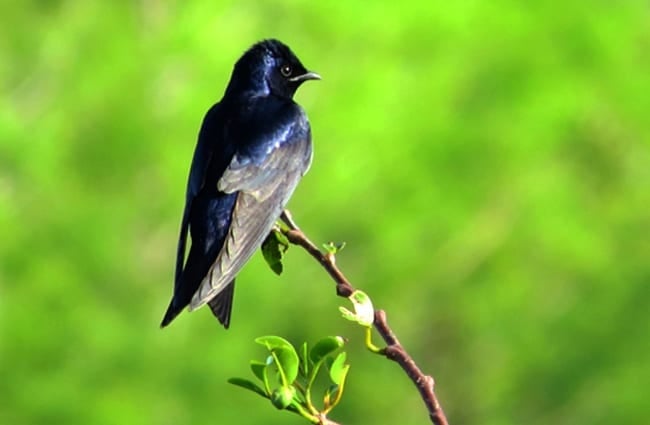
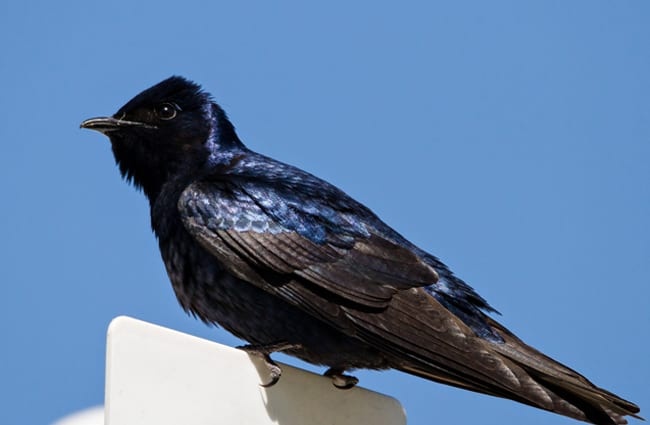
The Purple Martin (Progne subis) is a member of the swallow family, Hirundinidae, and is the largest swallow in North America. However, the “purple” in its name can be misleading. While males boast striking iridescent purple‑blue plumage, females are a duller gray. Both sexes share a deeply forked tail, perfectly adapted for agile flight. These birds are migratory, spending winters in South America and returning to North America to breed. There are three subspecies: the Eastern Martin, the Western Martin, and the Mexican Martin, each with slightly different ranges and characteristics.
Habitat and Distribution
Purple Martins are remarkably adaptable, though their habitat preferences are tied to open areas near water. Historically, they nested in natural cavities in trees, particularly dead trees standing in or near open woodlands, fields, or water bodies. However, increasing urbanization and deforestation have led to a strong reliance on human‑provided housing, like birdhouses and gourds. They are found throughout North America, breeding from Canada to Mexico and migrating south for the winter. The Eastern Martin is the most common subspecies, inhabiting the eastern half of the United States and southeastern Canada. The Western Martin is found in the western portions of North America and is more inclined to nest in natural cavities.
Diet and Foraging Behavior
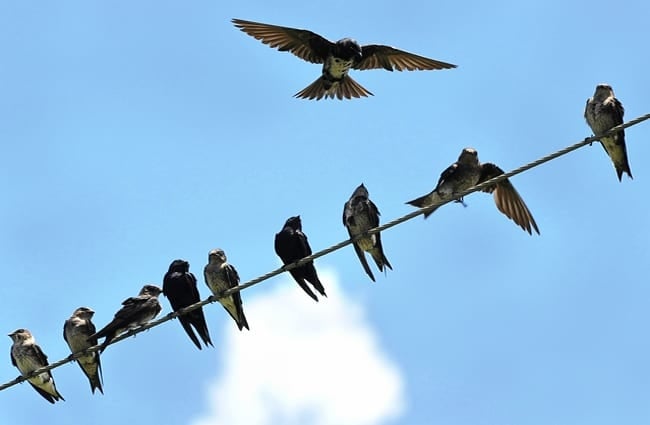
Purple Martins are aerial insectivores, meaning their entire diet consists of insects caught on the wing. Their foraging behavior is a breathtaking display of aerial agility. They typically fly at high altitudes, often above tree level, scanning for insects. Their diet is diverse, including flying insects such as dragonflies, damselflies, moths, butterflies, and beetles. They also consume smaller flying insects like midges and mosquitoes. Purple Martins are highly efficient feeders, often consuming a significant number of insects per day, contributing greatly to insect control in agricultural and urban areas. They feed both during the day and at night, sometimes taking advantage of insects attracted to artificial lights.
Life Cycle and Reproduction
Courtship and Nesting
Purple Martins are colonial nesters, often forming large colonies in birdhouses or natural cavities. The breeding season begins with the arrival of migrants in the spring. Males attract females through elaborate aerial displays, showcasing their flying skills and iridescent plumage. They also engage in communal singing, creating a vibrant chorus to attract mates. Once paired, the birds will compete for nesting sites. Nest construction is a collaborative effort, with both parents contributing materials such as mud, grass, leaves, and feathers. Nests are typically built within colonies, providing protection from predators and a social environment for raising young.
Eggs and Young
A typical clutch consists of 3 to 7 white eggs. Incubation is primarily carried out by the female, lasting about 12 to 16 days. Both parents participate in feeding the nestlings, providing a diet of insects. Young martins are altricial, meaning they are born helpless and require extensive parental care. They fledge, or leave the nest, after about 26 to 30 days. Young birds remain dependent on their parents for several weeks after fledging, learning essential foraging skills and gaining strength for migration. Multiple broods per season are common, allowing for a relatively high reproductive success rate.
Purple Martins and Human Interaction
A History of Coexistence
For centuries, Native Americans have revered Purple Martins, recognizing their value as insect control agents and considering them symbols of good luck. They often provided nesting structures to attract these beneficial birds. This tradition continued with European settlers, who also appreciated the insect‑eating habits of martins, particularly in agricultural settings. The practice of providing human‑made housing for Purple Martins has become widespread, creating a unique relationship between humans and these birds.
Providing Nesting Structures
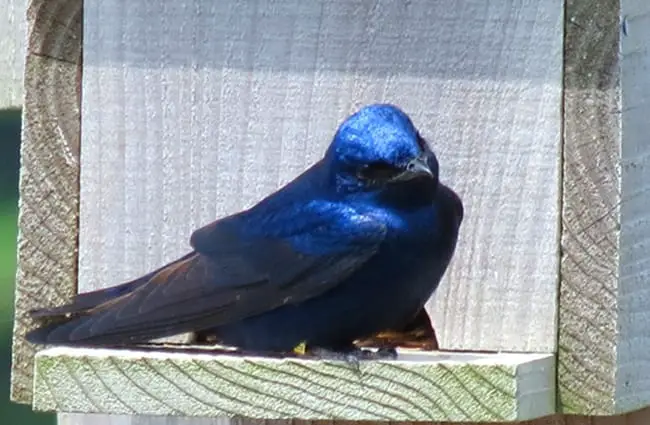
Providing suitable nesting structures is crucial for Purple Martin conservation, especially given the loss of natural cavities. Birdhouses specifically designed for martins are readily available, and many enthusiasts construct their own. Gourds, hollowed out and hung from poles, are another popular option. It is essential to locate these structures in open areas, away from trees and potential predators. Regular cleaning and maintenance of nesting structures are also vital to prevent the buildup of parasites and ensure the health of the colony.
Challenges and Conservation
Despite their adaptability, Purple Martin populations have experienced declines in some areas. Habitat loss, pesticide use, and competition with invasive species like the House Sparrow and European Starling pose significant threats. The House Sparrow and European Starling are aggressive competitors for nest sites, often evicting Purple Martins and their young. Conservation efforts focus on providing suitable nesting habitat, controlling invasive species, and educating the public about the importance of Purple Martins. Monitoring colony sizes and tracking population trends are also essential for effective conservation management.
Deeper Dive for the Enthusiast
Evolutionary History
The evolutionary history of Purple Martins, like many passerines, is complex and still under investigation. They belong to the swallow family (Hirundinidae), which originated in the Eocene epoch. Within the swallow family, the Progne genus, which includes the Purple Martin, is thought to have diversified relatively recently. Genetic studies suggest a close relationship between the Eastern and Western martins, with the Mexican martin representing a distinct evolutionary lineage. Understanding the evolutionary history of these birds can provide insights into their adaptation and conservation needs.
Ecological Role and Interactions
Purple Martins play a crucial role in maintaining the balance of insect populations within their ecosystems. As aerial insectivores, they consume vast quantities of flying insects, including many agricultural pests. They also provide a food source for predators, such as hawks and falcons. Their colonial nesting behavior creates unique ecological interactions, attracting other bird species and influencing the structure of local communities. Studying these interactions can reveal the complex web of life that sustains these remarkable birds.
Spotting and Observing Purple Martins
Purple Martins prefer open areas near water, such as fields, parks, and lakes. Look for them soaring high in the sky, catching insects on the wing. They are often seen near large roosts, where hundreds or even thousands of birds gather before migration. Listening for their distinctive, bubbly song can also help locate them. When observing Purple Martins, maintain a respectful distance and avoid disturbing their nesting colonies. Binoculars can provide a clearer view of their plumage and behavior.
If You Encounter a Purple Martin in Distress
If you find a Purple Martin that appears injured or distressed, contact a local wildlife rehabilitator or animal control agency. Avoid handling the bird yourself, as it may be frightened or carry diseases. Provide the rehabilitator with as much information as possible about the bird’s condition and location. Remember, it is illegal to possess or care for a wild bird without a proper permit.
The Purple Martin is a captivating and ecologically important bird. Through continued conservation efforts and a greater understanding of its biology and behavior, we can ensure that this magnificent species continues to grace our skies for generations to come.
![Closeup of a beautiful Red Angus cowPhoto by: U.S. Department of Agriculture [pubic domain]https://creativecommons.org/licenses/by/2.0/](https://animals.net/wp-content/uploads/2020/03/Red-Angus-4-238x178.jpg "Red Angus")
![Closeup of a beautiful Red Angus cowPhoto by: U.S. Department of Agriculture [pubic domain]https://creativecommons.org/licenses/by/2.0/](https://animals.net/wp-content/uploads/2020/03/Red-Angus-4-100x75.jpg "Red Angus")