The Remarkable World of Nuthatches
Few birds possess the unique charm and acrobatic prowess of the nuthatch. Often overlooked, these small, energetic birds are a vital part of many forest ecosystems. This guide delves into the life history, behavior, and ecological role of nuthatches, offering a comprehensive look at these fascinating creatures. From identifying different species to understanding their complex social lives, prepare to be captivated by the world of the nuthatch.
Identifying Nuthatches: A Visual Guide
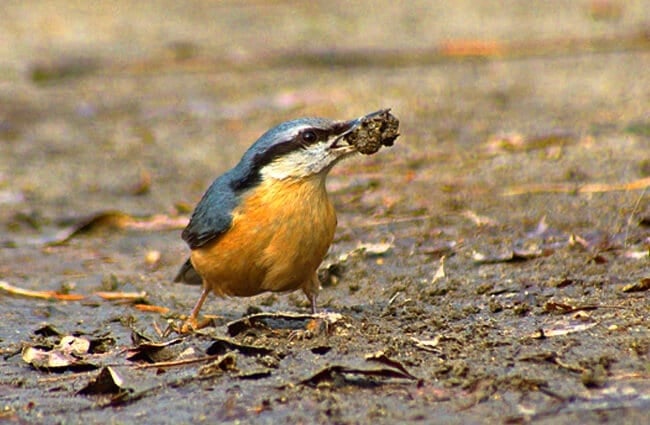
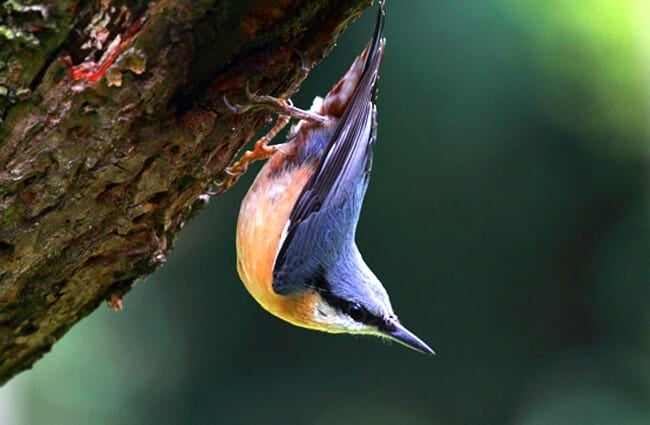
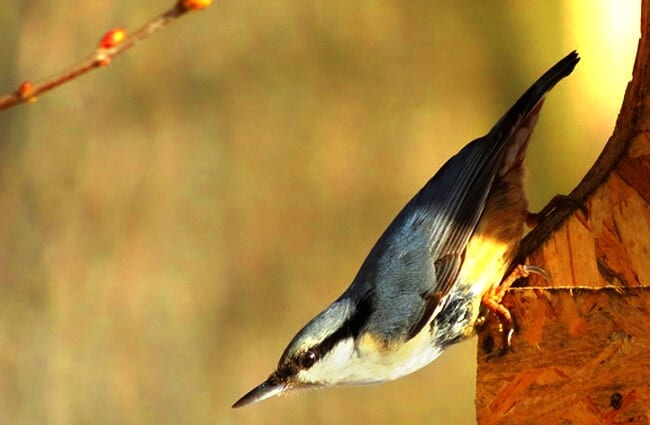
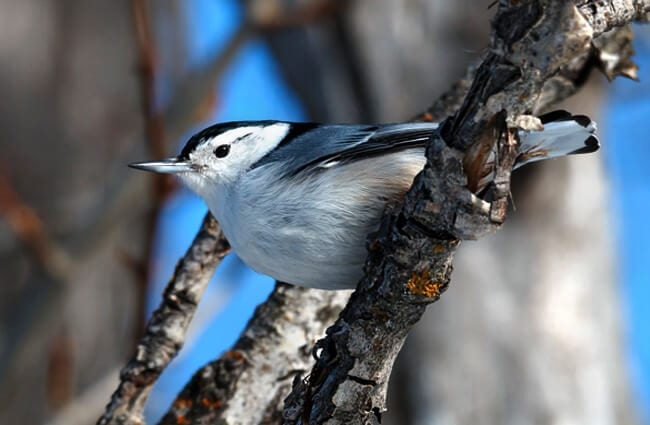
Nuthatches are small to medium-sized birds, generally measuring between four and eight inches in length. Their coloration varies depending on the species, but most exhibit a combination of gray, brown, and white plumage. A defining characteristic is their relatively long, pointed bill, perfectly adapted for extracting insects and seeds. However, the true distinguishing feature is their ability to descend trees headfirst – a skill most other birds cannot master. Observe how they move; a headfirst descent is a telltale sign you’ve spotted a nuthatch. There are several species found across the globe, including the Red-breasted Nuthatch, White-breasted Nuthatch, European Nuthatch, and the Pygmy Nuthatch, each with subtle differences in size, coloration, and range.
Habitat and Distribution
Nuthatches are primarily woodland birds, inhabiting forests and woodlands across North America, Europe, and Asia. They demonstrate a preference for mature forests with a plentiful supply of trees offering crevices and cavities for nesting and foraging. Different species exhibit varying habitat preferences. For example, the White-breasted Nuthatch is commonly found in deciduous and mixed forests, while the Red-breasted Nuthatch favors coniferous forests. Their range extends from the boreal forests of Canada and Alaska to the mountainous regions of the southeastern United States and across Eurasia. They are adaptable birds, sometimes venturing into suburban areas with mature trees.
Diet and Foraging Behavior
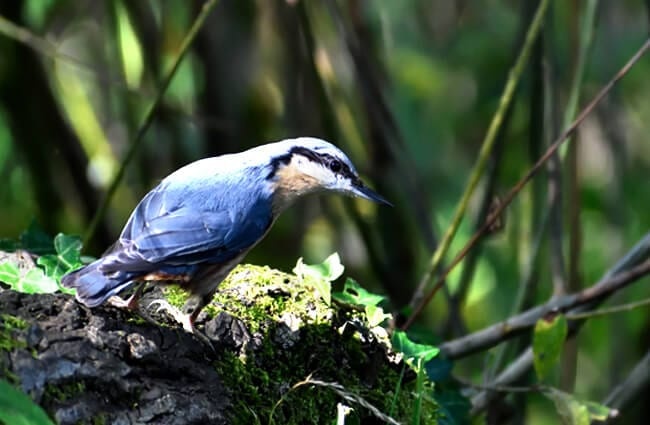
Nuthatches are omnivorous birds with a varied diet. They primarily feed on insects, spiders, and seeds. Their foraging behavior is particularly fascinating. Unlike woodpeckers, which cling vertically to trees, nuthatches can move in any direction, often descending headfirst to probe for insects in bark crevices. They are known to cache seeds and insects in crevices for later consumption, creating a hidden food supply. This behavior is especially important during winter months when food is scarce. They also frequently visit bird feeders, readily consuming sunflower seeds, peanuts, and suet.
Nesting and Reproduction
Nuthatches are typically monogamous, forming long‑term pair bonds. They nest in tree cavities, either natural formations or abandoned woodpecker holes. They often line the cavity with leaves, moss, and animal fur. The female typically lays between five and ten eggs. Incubation lasts around two weeks, and both parents participate in feeding the young. Young nuthatches fledge from the nest after approximately three weeks but continue to rely on their parents for several more weeks. They exhibit a fascinating behavior of smearing mud around the entrance to their nest cavity. The purpose of this “mudding” behavior is believed to be several fold, including camouflaging the nest, strengthening the cavity walls, and potentially deterring predators.
Ecological Role and Interactions
Nuthatches play an important role in forest ecosystems. As insectivores, they help control insect populations, contributing to forest health. Their seed‑caching behavior aids in seed dispersal, promoting forest regeneration. They also serve as prey for larger birds of prey and mammals. Nuthatches often coexist with woodpeckers, and while they share some similar foraging niches, they typically avoid direct competition by focusing on different parts of the tree. They frequently participate in mixed‑species flocks during the winter, foraging alongside other birds. Their presence is often indicative of a healthy, mature forest.
Nuthatches and Other Animals
Besides predators like hawks and owls, nuthatches interact with a variety of other animals. They often benefit from the excavation work of woodpeckers, utilizing abandoned cavities for nesting. They sometimes forage alongside chickadees and titmice, forming mixed‑species flocks. They can also be affected by parasitic mites and other external parasites.
Nuthatches and Human Interaction
Nuthatches are generally not considered a threat to humans. In fact, they can be attracted to bird feeders, providing observers with opportunities to watch their fascinating behavior up close. However, habitat loss and fragmentation pose a significant threat to nuthatch populations. Supporting forest conservation efforts and providing suitable nesting habitat in suburban areas can help ensure the continued survival of these remarkable birds.
Delving Deeper: Advanced Nuthatch Knowledge
Evolutionary History
The evolutionary origins of nuthatches are rooted in the passerine bird lineage. Genetic studies suggest they are most closely related to treecreepers and wallcreepers, sharing a common ancestor that likely inhabited forested environments. Their unique ability to descend trees headfirst is believed to have evolved as an adaptation for accessing food resources that were unavailable to other birds. The diversification of nuthatch species is closely tied to the formation of different forest ecosystems and the availability of suitable nesting cavities.
Species Specific Behaviors
Each nuthatch species exhibits unique behaviors and adaptations. For instance, the Red-breasted Nuthatch is known to plaster pine resin around its nest cavity, potentially as a defense against predators and parasites. The White-breasted Nuthatch is more vocal, frequently using a nasal “yank yank” call. The European Nuthatch often stores food items in crevices sealed with mud, creating a long‑term food supply. Understanding these species‑specific differences is crucial for effective conservation efforts.
Captive Care of Nuthatches
Providing appropriate care for nuthatches in captivity requires careful attention to their specific needs. They require a spacious aviary with plenty of branches and crevices for climbing and foraging. A varied diet consisting of insects, seeds, and nuts is essential. Providing opportunities for natural foraging behavior, such as hiding food items, is crucial for their well‑being. Regular veterinary checkups and preventative care are also important. Avoid overcrowding and provide ample enrichment to stimulate their active minds.
Fun Facts About Nuthatches
- Nuthatches can rotate their feet 180 degrees, allowing them to move effortlessly in any direction on a tree trunk.
- They often cache food in bark crevices, covering them with moss or lichen to conceal them.
- Some species use tools, such as small twigs, to pry insects out of crevices.
- Nuthatches are highly vocal birds, using a variety of calls and songs to communicate.
- They are known to be curious and inquisitive, often approaching observers with interest.
The nuthatch is a testament to the beauty and complexity of the natural world. By understanding their unique adaptations, ecological roles, and conservation needs, we can help ensure that these remarkable birds continue to thrive for generations to come. Their acrobatic feats and resilient spirit are a joy to observe, reminding us of the intricate connections within our forest ecosystems.
![Closeup of a beautiful Red Angus cowPhoto by: U.S. Department of Agriculture [pubic domain]https://creativecommons.org/licenses/by/2.0/](https://animals.net/wp-content/uploads/2020/03/Red-Angus-4-238x178.jpg "Red Angus")
![Closeup of a beautiful Red Angus cowPhoto by: U.S. Department of Agriculture [pubic domain]https://creativecommons.org/licenses/by/2.0/](https://animals.net/wp-content/uploads/2020/03/Red-Angus-4-100x75.jpg "Red Angus")