The world of lagomorphs is a surprisingly diverse one, and among its most familiar members is the Cottontail rabbit. Often seen flitting across lawns or disappearing into brush, these creatures are far more complex and fascinating than many realize. This comprehensive guide delves into the natural history, behavior, and ecological role of the Cottontail, offering insights for students, animal lovers, and aspiring zoologists alike.
What is a Cottontail Rabbit?
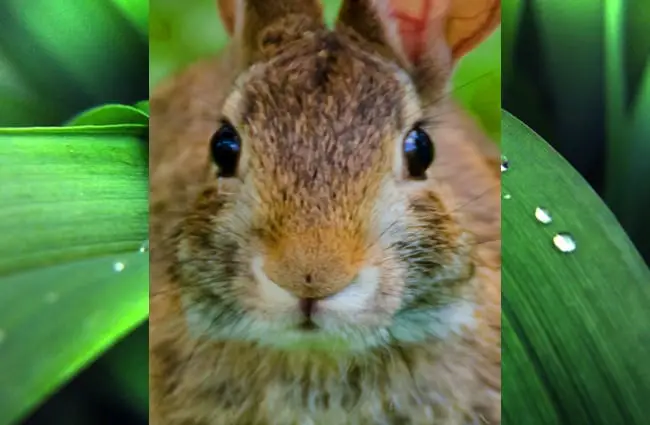
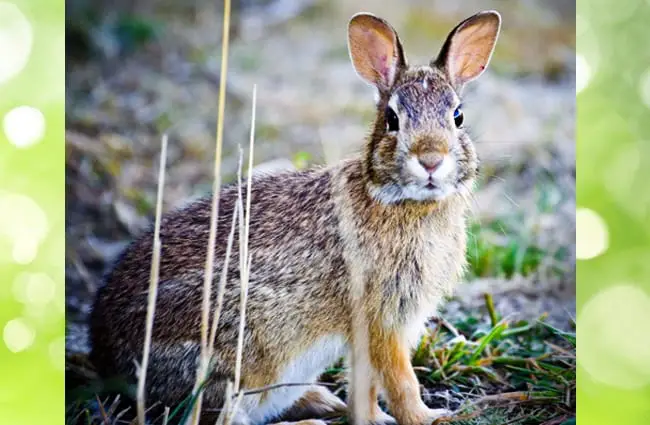
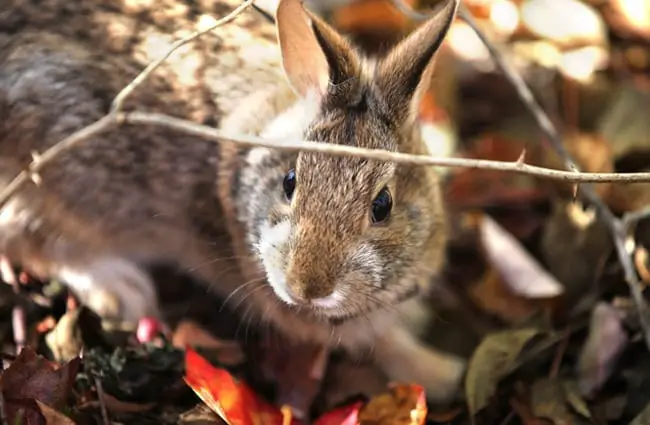
The term “Cottontail” refers to several species within the genus Sylvilagus, most notably the Eastern Cottontail (Sylvilagus floridanus) found throughout eastern North America. These rabbits are named for their distinctive fluffy, white tail resembling a cotton ball. Generally, they are medium sized, typically measuring between 15 and 20 inches in length and weighing between two and four pounds. Their coat color varies with the seasons, shifting from reddish brown in the summer to a grayish brown in the winter, offering valuable camouflage. A key identifying characteristic is the black tip on their ears, though this can sometimes be subtle.
Habitat and Distribution
Cottontails are incredibly adaptable and can thrive in a wide range of habitats. They are commonly found in fields, meadows, thickets, forest edges, and suburban gardens. Their range extends throughout much of North and Central America, with different species occupying varying geographical areas. They prefer areas with ample ground cover for protection from predators, as well as a consistent source of food. The New England Cottontail, for instance, is specifically adapted to thrive in early successional forests, making it a species of conservation concern where those habitats are disappearing.
Diet and Foraging Behavior
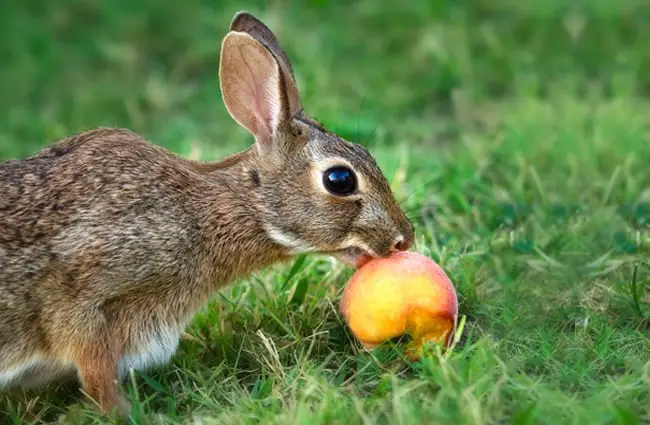
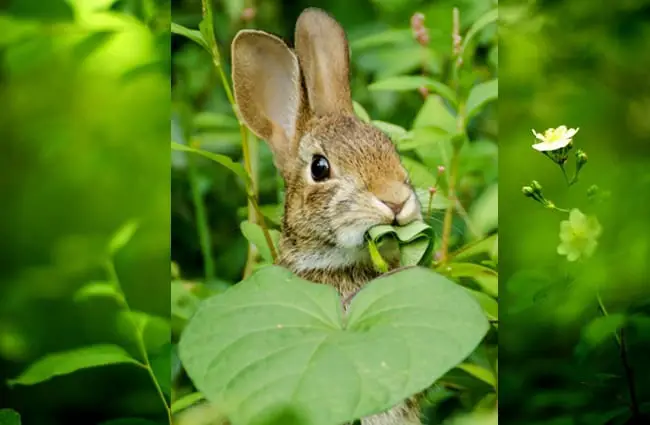
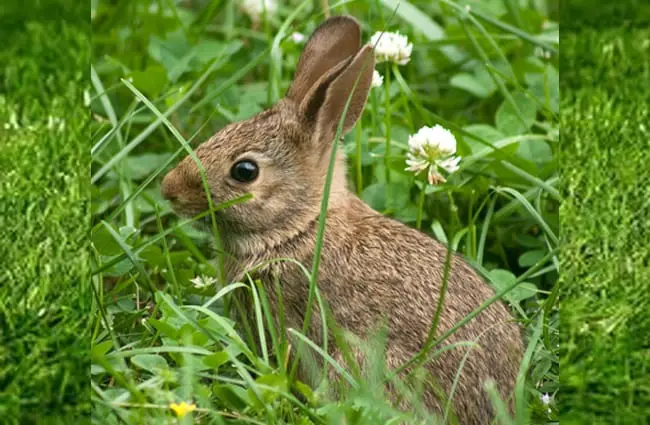
Cottontails are herbivores, and their diet changes with the seasons and availability of plants. In the spring and summer, they feast on tender grasses, clover, wildflowers, and the leaves of shrubs. During the fall and winter, they switch to woody stems, buds, bark, and dried grasses. They are selective feeders, preferring highly nutritious plants when possible. Like all lagomorphs, they practice coprophagy, consuming their own soft fecal pellets to extract additional nutrients. This behavior is often misunderstood but is essential for their digestive health.
Evolutionary History
The evolutionary history of Cottontails is rooted in the broader lineage of lagomorphs, which diverged from rodents around 55 million years ago. The genus Sylvilagus is believed to have originated in North America during the Pleistocene epoch. Fossil evidence suggests that early Cottontails were similar in appearance to modern species, indicating a relatively stable evolutionary trajectory. Their ability to adapt to diverse habitats has likely contributed to their success and widespread distribution.
Reproduction and Life Cycle
Cottontails are known for their prolific breeding. Females can have multiple litters per year, with each litter typically containing four to eight young. Gestation lasts around 28 to 30 days. Young Cottontails, called kits, are born altricial – meaning they are born helpless, blind, and without fur. They remain in a nest, usually a shallow depression lined with grass and fur, for several weeks, relying on their mother for care. They become capable of independent movement within weeks but remain vulnerable to predators for several months.
Mating Rituals and Behavior
During the breeding season, male Cottontails engage in courtship displays, including chasing and boxing. Females assess the strength and vigor of potential mates before selecting one. Cottontails do not form lasting pair bonds, and both males and females will mate with multiple partners. This polygamous mating system is common among lagomorphs.
Ecological Role and Interactions
Cottontails play a vital role in their ecosystems. As herbivores, they influence plant communities by selectively grazing on certain species. They also serve as an important prey species for a wide range of predators, including foxes, coyotes, hawks, owls, and snakes. Their burrowing activities can help aerate the soil and distribute seeds. They also contribute to nutrient cycling through their waste products.
Predator-Prey Dynamics
Cottontails have developed a number of adaptations to avoid predators. These include their camouflage, their ability to run at speeds of up to 30 miles per hour, and their tendency to freeze motionless when threatened. They also rely on their keen senses to detect approaching predators. When faced with imminent danger, they may emit a high-pitched squeal to warn other Cottontails.
Cottontails and Humans
Cottontails have a long history of interaction with humans. They are often considered a pest by gardeners and farmers due to their tendency to feed on crops and ornamental plants. However, they are also a popular game animal for hunters. In some cultures, they are considered a symbol of fertility and good luck. Their soft fur has also been used for clothing and other textiles.
Encountering Cottontails in the Wild
If you encounter a Cottontail in the wild, it is best to observe it from a distance. Avoid approaching or attempting to handle the animal, as this can cause stress. If you are a pet owner, keep your dog or cat on a leash to prevent it from chasing or harassing the Cottontail. If you find an injured or orphaned Cottontail, contact a local wildlife rehabilitation center for assistance.
Cottontails in Captivity
Caring for Cottontails in captivity requires careful attention to their specific needs. They need a spacious enclosure with plenty of room to move around and explore. Their diet should consist of high-quality hay, fresh vegetables, and a small amount of pellets. They also need access to fresh water at all times. Enrichment is crucial to prevent boredom and encourage natural behaviors. Providing tunnels, boxes, and chew toys can help keep them stimulated.
Fascinating Facts About Cottontails
- Cottontails can have up to seven litters per year.
- Their teeth grow continuously throughout their lives.
- They communicate with each other through scent marking and vocalizations.
- Cottontails are crepuscular, meaning they are most active at dawn and dusk.
- They can jump up to 10 feet (about 3 meters) in a single bound.
- Different species of Cottontails vary in size and coloration.
The Cottontail rabbit is a remarkable creature, playing a crucial role in the ecosystems it inhabits. From its adaptable behavior to its prolific breeding, this unassuming herbivore continues to captivate and inspire. Understanding its natural history and ecological significance is essential for ensuring its continued survival in a changing world.
![Closeup of a beautiful Red Angus cowPhoto by: U.S. Department of Agriculture [pubic domain]https://creativecommons.org/licenses/by/2.0/](https://animals.net/wp-content/uploads/2020/03/Red-Angus-4-238x178.jpg "Red Angus")
![Closeup of a beautiful Red Angus cowPhoto by: U.S. Department of Agriculture [pubic domain]https://creativecommons.org/licenses/by/2.0/](https://animals.net/wp-content/uploads/2020/03/Red-Angus-4-100x75.jpg "Red Angus")