The Jewel of the Sky: Unveiling the Marvels of Hummingbirds
In the vast tapestry of avian life, few creatures capture the imagination quite like the hummingbird. These miniature marvels, often mistaken for large insects due to their incredible speed and iridescent shimmer, are a testament to nature’s boundless creativity. From their lightning-fast wingbeats to their specialized feeding habits, hummingbirds represent a pinnacle of evolutionary adaptation, enchanting observers and playing a vital role in their ecosystems across the Americas.
A World of Tiny Wonders: Basic Hummingbird Biology
Defining Characteristics: Size, Speed, and Sparkle
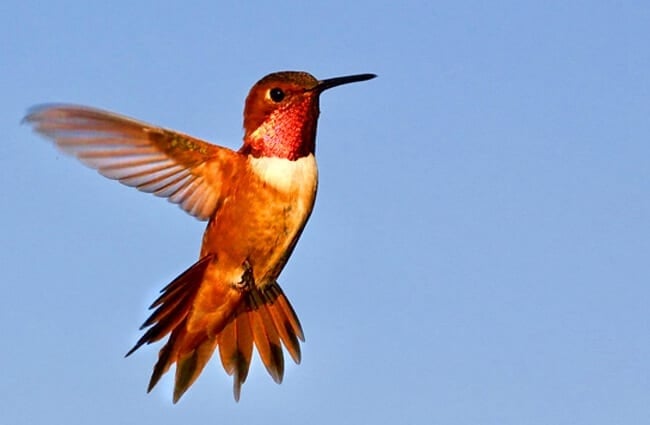
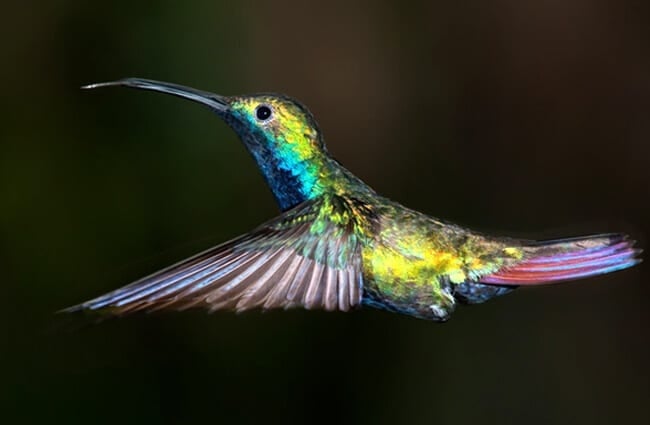
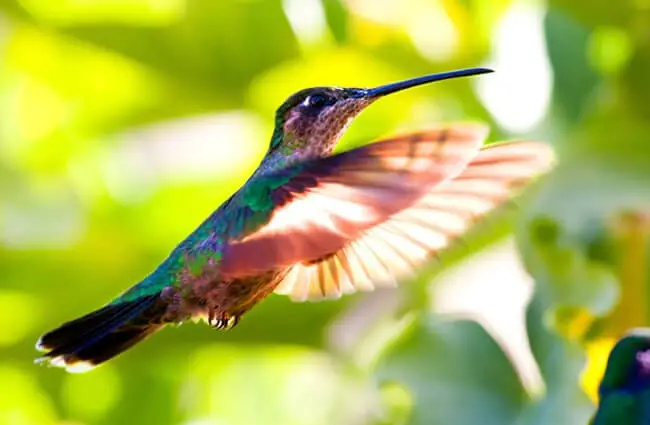
Hummingbirds belong to the family Trochilidae, a group comprising over 360 species, each a unique jewel. They are renowned for being the smallest birds in the world, with some species, like the Bee Hummingbird of Cuba, weighing less than a penny. Their most striking feature is their ability to hover in mid-air, a feat achieved by incredibly rapid wingbeats, ranging from 12 to 80 beats per second, and up to 200 beats per second during courtship dives. This allows them unparalleled agility, enabling them to fly forwards, backwards, sideways, and even upside down. Their vibrant, iridescent plumage, often appearing to change color with the angle of light, is not due to pigment but to structural coloration, where microscopic air bubbles and layers on their feathers refract light like tiny prisms.
Where to Find Them: Hummingbird Habitats
Hummingbirds are exclusively found in the Western Hemisphere, ranging from Alaska to Tierra del Fuego. Their greatest diversity is concentrated in tropical and subtropical regions, particularly around the equator in South America. However, many species undertake impressive migrations, traveling thousands of miles between their breeding grounds in North America and their wintering grounds in Central and South America. These adaptable birds inhabit a wide array of environments:
- Forests: From dense rainforests to temperate woodlands.
- Mountains: Some species thrive at high altitudes, even above the tree line.
- Grasslands and Deserts: Adapted to arid conditions where flowering cacti and succulents provide nectar.
- Urban and Suburban Gardens: Increasingly common visitors to human-modified landscapes, especially where nectar-rich flowers and feeders are present.
For the animal lover hoping to spot these aerial acrobats in the wild, patience and a keen eye are essential. Look for areas with abundant tubular flowers, particularly red or orange ones, as these are often preferred by hummingbirds. Gardens with native plants, especially those that bloom throughout the season, are prime locations. Listen for their distinctive hum, a sound generated by their rapid wingbeats, and watch for quick, darting movements near flowers or feeders, especially during dawn and dusk when they are most active.
The Nectar-Fueled Life: Diet and Feeding Habits
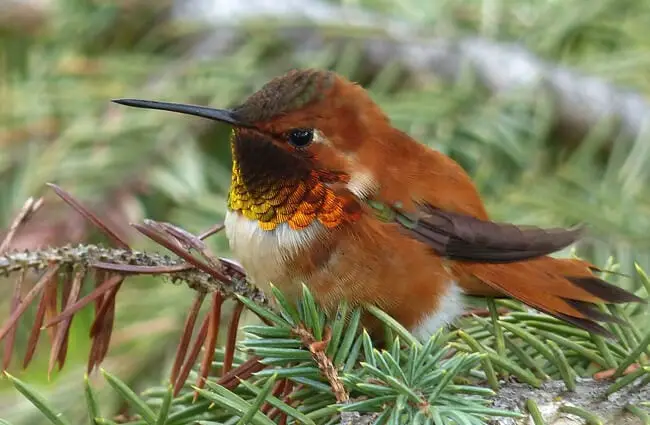
The hummingbird’s diet is primarily composed of nectar, a sugary liquid produced by flowers. Their long, slender bills and specialized grooved tongues are perfectly adapted for reaching deep into blossoms to extract this energy-rich fuel. Unlike other birds that lap up water, a hummingbird’s tongue acts like a tiny pump, drawing nectar up through capillary action and rapid extension and retraction. This high-octane diet is crucial for sustaining their incredibly fast metabolism, which is the highest of any endothermic animal.
While nectar provides the necessary carbohydrates, hummingbirds also require protein, vitamins, and minerals. They obtain these vital nutrients by consuming small insects and spiders, which they catch in flight or glean from foliage. These tiny invertebrates are especially important for growing chicks and for females during egg production. A hummingbird can consume up to twice its body weight in food daily, visiting hundreds or even thousands of flowers to meet its energy demands.
Love in the Air: Mating and Reproduction
Hummingbird courtship is a spectacular display of aerial prowess. Males often perform elaborate dive displays, soaring high into the sky before plummeting towards a perched female, pulling up sharply at the last moment and producing a distinctive sound with their tail feathers. These displays are energy-intensive and serve to demonstrate the male’s fitness.
After mating, the female hummingbird takes on all parental duties. She meticulously constructs a tiny, cup-shaped nest, often no larger than a thimble, using plant down, spider silk, and lichen. The spider silk provides elasticity, allowing the nest to stretch as the chicks grow, while lichen camouflages it against tree bark. Nests are typically built on slender, downward-sloping branches, often over water, for protection from predators.
She lays two tiny, white eggs, each about the size of a coffee bean. Incubation lasts approximately 14 to 23 days, during which the female rarely leaves the nest. Once hatched, the altricial chicks are blind and helpless, requiring constant feeding of nectar and small insects. They fledge after about 18 to 30 days, becoming independent shortly thereafter. The female may raise multiple broods in a single season.
An Ancient Lineage: The Evolutionary Journey of Hummingbirds
The evolutionary history of hummingbirds is a fascinating tale of adaptation and diversification. Genetic studies suggest that hummingbirds originated in South America approximately 22 million years ago, diverging from their closest relatives, the swifts. From this ancestral stock, they rapidly diversified, spreading northwards and colonizing new habitats. Their unique ability to hover and feed on nectar, a trait shared with no other bird family, allowed them to exploit an abundant food source that was largely untapped by other avian species.
This specialization led to a remarkable co-evolutionary relationship with flowering plants. As hummingbirds evolved, so did the flowers they pollinated, resulting in a dazzling array of floral shapes, colors, and nectar compositions tailored to attract these specific pollinators. The long, slender bills of many hummingbird species are a direct result of this co-evolution, perfectly matching the deep corollas of their preferred flowers. This intricate dance between bird and bloom has shaped ecosystems across the Americas for millions of years.
Ecosystem Engineers: Hummingbirds and Their World
Pollinators Extraordinaire
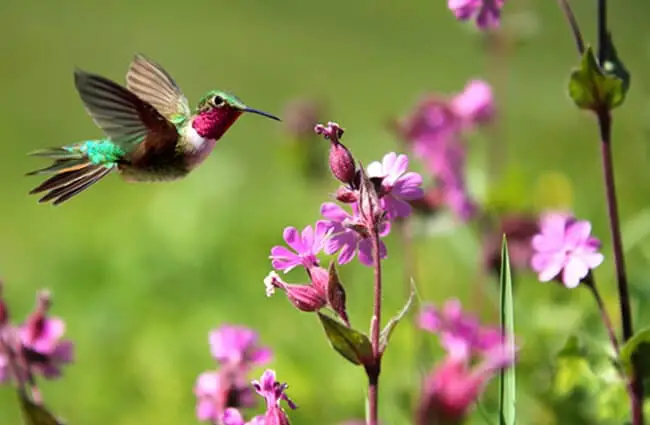
Hummingbirds are indispensable pollinators, playing a critical role in the reproduction of countless plant species. As they move from flower to flower, seeking nectar, pollen grains adhere to their heads and bills, which are then transferred to other blossoms. Many plants have evolved specific traits to attract hummingbirds, including:
- Bright Colors: Especially red, orange, and pink, which are highly visible to hummingbirds but less attractive to insects.
- Tubular Shapes: Designed to accommodate their long bills and tongues, often excluding other pollinators.
- Nectar Composition: Rich in sucrose, a sugar that hummingbirds can efficiently metabolize.
- Lack of Scent: Unlike insect-pollinated flowers, many hummingbird-pollinated flowers have little to no scent, as hummingbirds have a poor sense of smell.
This specialized pollination service is vital for maintaining biodiversity and the health of forest and grassland ecosystems.
Interactions with Other Animals
Despite their small size, hummingbirds are not without their predators and competitors. Larger birds, such as jays, shrikes, and even some raptors, may prey on adult hummingbirds. Their nests and young are vulnerable to snakes, squirrels, and various insect predators like praying mantises. In a fascinating twist, some spiders are known to capture hummingbirds in their webs, especially larger orb weavers.
Competition for nectar resources is fierce. Bees, butterflies, and other nectar-feeding birds often vie for the same flowers. Hummingbirds are highly territorial, especially around prime feeding sites like a patch of flowers or a feeder, aggressively chasing away intruders much larger than themselves to protect their energy source.
Hummingbirds and Humanity: Culture, Conservation, and Coexistence
Cultural Significance
Throughout history, hummingbirds have held a special place in human culture. Indigenous peoples of the Americas revered them as symbols of love, joy, beauty, and resilience. In Aztec mythology, the god Huitzilopochtli, meaning “Hummingbird Left,” was the deity of war, sun, and sacrifice, often depicted wearing hummingbird feathers. For many, seeing a hummingbird is considered a good omen, a sign of hope or a visit from a loved one. Their delicate beauty has inspired countless works of art, poetry, and folklore.
Human Interaction: Feeders and Gardens
Humans often interact with hummingbirds through backyard feeders and gardens. Providing a sugar-water solution (four parts water to one part white granulated sugar, boiled and cooled) can attract these birds, offering a supplementary food source. It is crucial to maintain feeders by cleaning them every few days to prevent mold and bacterial growth, which can be harmful to the birds. Planting native, nectar-rich flowers is an even better way to support them, providing natural food and habitat.
If a hiker encounters a hummingbird in the wild, the best course of action is to observe from a respectful distance. Hummingbirds are generally not aggressive towards humans, but they are wild animals. Do not attempt to touch or feed a wild hummingbird directly, as this can stress the bird or interfere with its natural foraging behaviors. If a hummingbird appears injured or trapped, contact a local wildlife rehabilitator for guidance rather than attempting to intervene yourself.
Conservation Concerns
Despite their adaptability, many hummingbird species face significant conservation challenges. Habitat loss due to deforestation, urbanization, and agricultural expansion is a primary threat, reducing both nesting sites and food sources. The widespread use of pesticides can contaminate nectar and reduce insect populations, impacting their diet. Climate change also poses a risk, potentially altering flowering times and disrupting migratory patterns. Conservation efforts focus on habitat protection, promoting native plant gardening, and reducing pesticide use. Citizen science initiatives, such as tracking hummingbird sightings, also contribute valuable data for research and conservation strategies.
Caring for Captive Hummingbirds: A Zookeeper’s Guide
Caring for hummingbirds in captivity is a highly specialized task, demanding meticulous attention to detail and a deep understanding of their unique physiology. Zookeepers must replicate their natural environment and dietary needs as closely as possible.
Essential Tasks for Zookeepers:
- Dietary Management: Provide a carefully balanced nectar solution, often commercially prepared or a precise sugar-water mix, supplemented with a variety of small insects (e.g., fruit flies, gnats) to ensure complete nutrition. Feeders must be cleaned and refilled multiple times daily to prevent spoilage and bacterial growth.
- Environmental Control: Maintain specific temperature and humidity levels within the enclosure, mimicking their native tropical or subtropical climates. Adequate ventilation is crucial.
- Enclosure Design: Create a spacious, flight-friendly aviary with ample natural light. Incorporate live, non-toxic, nectar-producing plants and perching branches to provide enrichment and a sense of security. Misting systems can help maintain humidity and offer bathing opportunities.
- Health Monitoring: Regularly observe behavior, feeding patterns, and droppings for any signs of illness or stress. Prompt veterinary care from avian specialists is essential for any health concerns.
- Enrichment: Offer varied feeding stations, different types of flowers, and opportunities for natural foraging behaviors to keep the birds mentally and physically stimulated.
What to Avoid:
- Improper Nectar: Never use honey, artificial sweeteners, or red dyes in nectar solutions, as these can be harmful or even fatal to hummingbirds.
- Pesticides: Ensure all plants and insects provided are free from pesticides and other chemicals.
- Stressors: Avoid sudden loud noises, rapid movements, or overcrowding in the enclosure, as hummingbirds are highly sensitive to stress.
- Inadequate Space: Small cages restrict their natural flight patterns and can lead to injury or stress.
- Lack of Hygiene: Neglecting feeder and enclosure cleaning can lead to serious health issues from bacterial or fungal infections.
Beyond the Blink: A Cascade of Hummingbird Facts
The world of hummingbirds is full of astonishing details:
- Heart Rate: A hummingbird’s heart can beat over 1,200 times per minute when active, and slow to 50-180 beats per minute during torpor.
- Torpor: To conserve energy during cold nights or food scarcity, hummingbirds can enter a state of torpor, a deep sleep where their metabolic rate and body temperature drop significantly.
- Brain Size: Hummingbirds have the largest brain-to-body weight ratio of any bird, suggesting high intelligence and complex cognitive abilities, particularly for memory of food sources.
- Longest Migration: The Ruby-throated Hummingbird migrates up to 2,000 miles from Canada and the eastern U.S. to Central America, often crossing the Gulf of Mexico in a single, non-stop flight.
- Feather Count: Despite their small size, hummingbirds have fewer feathers than any other bird species, aiding in their lightweight, aerodynamic flight.
- Sound Production: Many of the sounds associated with hummingbirds, including their “hum,” are produced by their wings, not their vocal cords. Males also use specialized tail feathers to create sounds during courtship.
- Lifespan: While many wild hummingbirds live only a few years, some banded individuals have been recorded living for over 10 years.
- Vision: Hummingbirds have excellent eyesight and can see colors in the ultraviolet spectrum, which is invisible to humans. This helps them locate nectar-rich flowers.
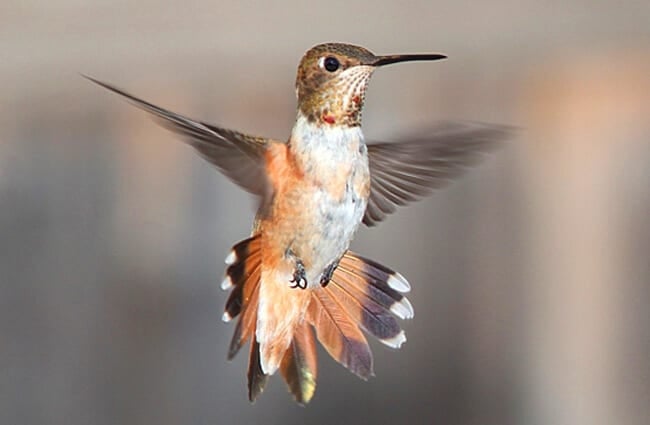
- Hovering Efficiency: Their unique shoulder joint allows their wings to rotate 180 degrees, enabling the figure-eight motion required for sustained hovering.
Embrace the Enchantment
From their dazzling aerial acrobatics to their vital role as pollinators, hummingbirds are truly extraordinary creatures. They remind us of the intricate beauty and delicate balance of the natural world. By understanding their biology, appreciating their ecological contributions, and actively participating in conservation efforts, we can ensure that these tiny, vibrant jewels continue to grace our skies and gardens for generations to come. Take a moment to observe them, learn from them, and be inspired by their boundless energy and resilience.
![Closeup of a beautiful Red Angus cowPhoto by: U.S. Department of Agriculture [pubic domain]https://creativecommons.org/licenses/by/2.0/](https://animals.net/wp-content/uploads/2020/03/Red-Angus-4-238x178.jpg "Red Angus")
![Closeup of a beautiful Red Angus cowPhoto by: U.S. Department of Agriculture [pubic domain]https://creativecommons.org/licenses/by/2.0/](https://animals.net/wp-content/uploads/2020/03/Red-Angus-4-100x75.jpg "Red Angus")