Deep within the vibrant ecosystems of South America, a fascinating group of fish thrives, often unseen yet playing a crucial role in their aquatic homes. These are the Plecos, a common name encompassing hundreds of species within the Loricariidae family, also known as armored catfish. From their distinctive sucker mouths to their bony plates, Plecos are true marvels of adaptation, captivating the curiosity of aquarists, scientists, and nature enthusiasts alike. This exploration delves into the intricate world of these remarkable creatures, uncovering their secrets from evolutionary origins to their complex interactions with both their environment and humanity.
The Armored Wonders of the Aquatic World
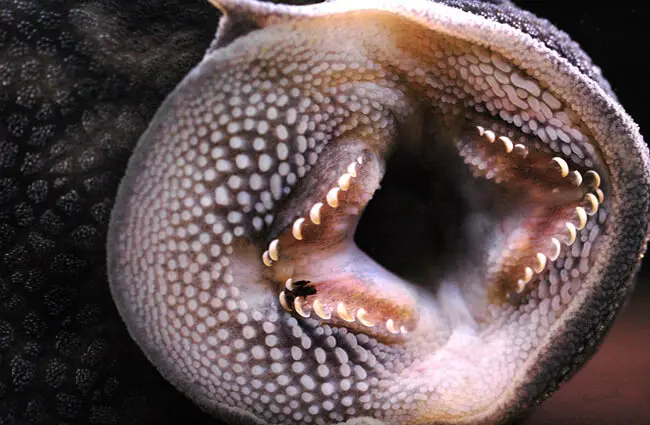
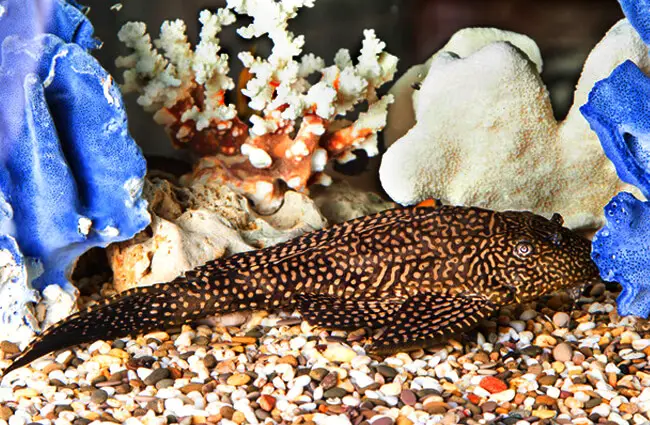
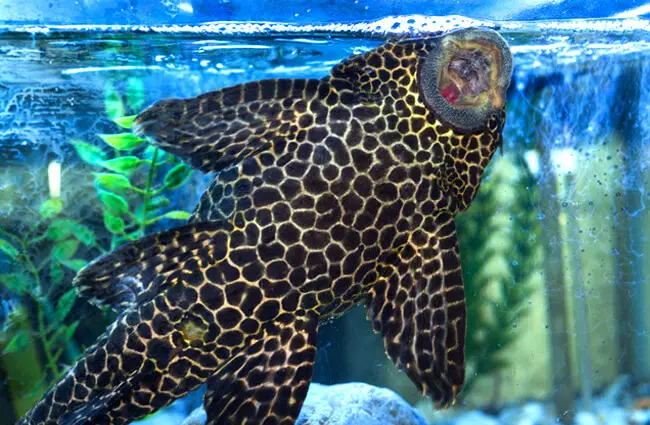
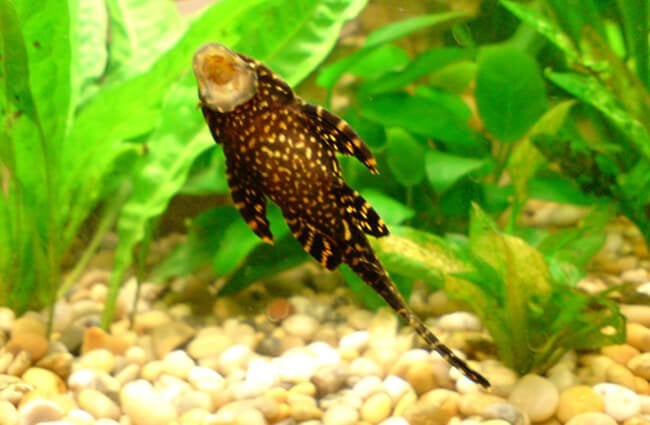
Plecos are not a single species but a diverse family, boasting an incredible array of shapes, sizes, and color patterns. Their most recognizable feature is undoubtedly their ventral sucker mouth, a highly specialized tool for scraping algae and biofilm from surfaces, as well as for clinging to rocks in fast-flowing currents. Unlike many fish, their bodies are covered in bony plates, providing a formidable defense against predators. This natural armor, combined with their often cryptic coloration, allows them to blend seamlessly into their surroundings.
A Glimpse into Their Natural Habitat
The natural domain of Plecos is primarily the freshwater systems of Central and South America. They are most abundant in the Amazon Basin, but their range extends across various river systems, including the Orinoco, Paraná, and coastal rivers. These habitats are incredibly diverse, ranging from clear, fast-flowing mountain streams to murky, slow-moving lowland rivers and even flooded forests. Plecos are masters of camouflage and often nocturnal, making them elusive to casual observers. To find a Pleco in the wild, one would typically need to explore the benthos, the bottom of rivers and streams, often under rocks, driftwood, or amidst dense vegetation. They prefer areas with plenty of hiding spots and surfaces to graze upon. Water parameters vary greatly across their native range, but generally, they thrive in well-oxygenated water with moderate to strong currents, often with a substrate of sand, gravel, or leaf litter.
The Sucker-Mouthed Scavengers
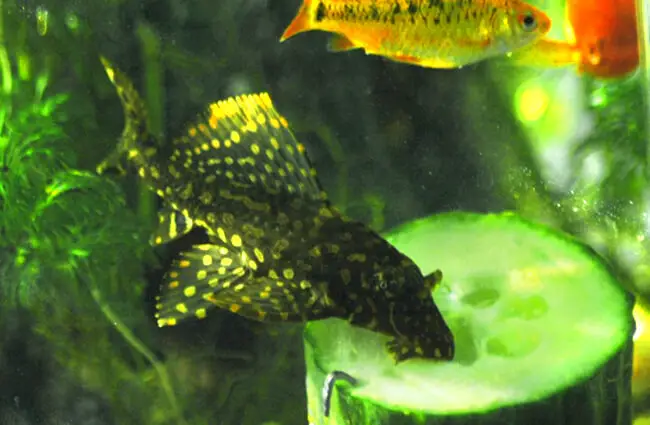
The diet of Plecos is as varied as their species count, though many are famously known as “algae eaters.” While algae and biofilm form a significant part of the diet for many species, particularly the smaller ones, it is a misconception that all Plecos subsist solely on plant matter. Many larger species are omnivores, consuming a wide range of foods including decaying plant matter, detritus, small invertebrates, insect larvae, and even carrion. Some species are primarily wood-eaters, possessing specialized teeth and digestive systems to break down cellulose. Their unique sucker mouth allows them to efficiently rasp food from surfaces, making them important cleaners in their ecosystems. This adaptability in diet is a key factor in their ecological success and widespread distribution.
An Evolutionary Tale of Adaptation
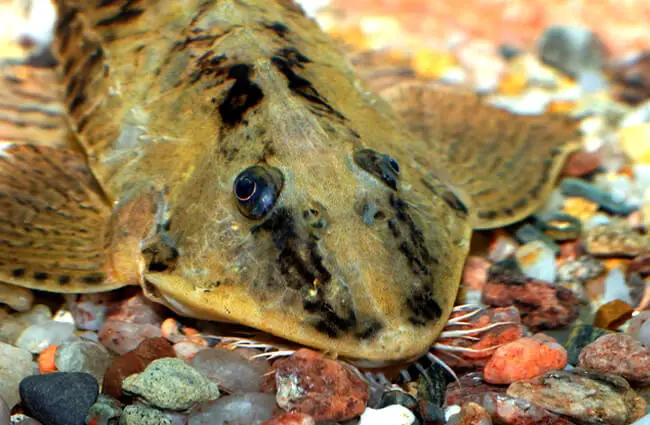
The evolutionary history of Plecos is a testament to the power of natural selection, shaping them into the incredibly specialized fish observed today. Belonging to the order Siluriformes, the catfish, Loricariidae diverged early in their evolutionary lineage, developing their distinctive dermal bony plates, a feature not found in most other catfish families. This armor likely evolved as a defense mechanism against predators in their often turbulent and predator-rich environments. Their unique mouth structure, with its powerful suction and specialized teeth, is another remarkable adaptation, allowing them to exploit food sources unavailable to many other fish. Over millions of years, as South American river systems shifted and diversified, Plecos radiated into hundreds of species, each finely tuned to its specific niche, showcasing an incredible example of adaptive radiation.
From Eggs to Armored Adults
The reproduction process among Plecos is diverse, but many species exhibit parental care. Males often play a significant role, preparing and guarding nesting sites, which can be caves, crevices, or hollow logs. The female deposits her adhesive eggs within these protected spaces, sometimes in clutches numbering in the hundreds. The male then fertilizes the eggs and diligently guards them until they hatch, fanning them with his fins to ensure adequate oxygenation and warding off potential predators. Once hatched, the fry are often miniature versions of their parents, equipped with their own tiny sucker mouths, ready to begin grazing on microalgae and detritus. The growth rate varies significantly between species, with some reaching impressive sizes over several years, while others remain relatively small.
Plecos in the Web of Life
In their native ecosystems, Plecos are vital components of the food web. As primary consumers and detritivores, they play a crucial role in nutrient cycling by consuming algae, biofilm, and decaying organic matter. This helps to keep waterways clean and supports the base of the food chain. Their grazing habits can influence algal growth patterns and the overall health of aquatic vegetation. They also serve as a food source for larger predatory fish, birds, and even mammals, despite their armored protection. Their nocturnal habits and cryptic coloration allow them to coexist with a variety of other aquatic animals, often going unnoticed during the day. Their presence indicates a healthy and functioning freshwater environment.
Plecos and Humanity: A Double-Edged Relationship
The interaction between Plecos and humans is multifaceted, ranging from appreciation in the aquarium hobby to concerns over invasive species. Their unique appearance and perceived utility as “algae eaters” have made them popular aquarium fish worldwide. However, this popularity has also led to significant challenges.
The Aquarium Trade and Beyond
The global aquarium trade has introduced numerous Pleco species to enthusiasts across the globe. Many species are bred in captivity, but a significant number are still wild-caught, impacting native populations. Beyond the aquarium, some larger Pleco species are consumed as food in their native regions, contributing to local economies and sustenance. Their cultural significance, while not as prominent as some other animals, lies primarily in their role as a unique and often misunderstood part of the natural world, inspiring awe and scientific inquiry.
When Worlds Collide: Plecos in Non-Native Waters
Unfortunately, the release of unwanted aquarium Plecos into non-native environments has led to them becoming invasive species in many parts of the world, including Florida, Texas, and parts of Asia. In these new habitats, they can outcompete native species for food and resources, alter habitats by burrowing into riverbanks, and disrupt the delicate balance of local ecosystems. Their armored bodies and lack of natural predators in these new environments contribute to their success as invaders. This highlights the critical importance of responsible pet ownership and never releasing non-native species into the wild.
Practical Encounters and Responsible Stewardship
Understanding Plecos is not just for scientists; it has practical implications for animal lovers, hikers, and zookeepers alike.
Spotting Plecos in Their Wild Domain
For the animal lover hoping to find a Pleco in the wild, patience and a keen eye are essential. Focus on freshwater rivers, streams, and lakes in Central and South America. Look for areas with submerged wood, rocks, or dense aquatic vegetation, particularly in slower-moving sections or eddies. Plecos are often nocturnal, so observing them might require specialized equipment or early morning/late evening excursions. Snorkeling or diving in clear waters can offer the best views, as they are typically found clinging to surfaces on the bottom. Remember to observe from a distance, minimize disturbance, and never attempt to capture or handle wild animals without proper permits and expertise.
A Hiker’s Guide to Wild Pleco Encounters
If a hiker encounters a Pleco in the wild, perhaps washed up on a bank or in a shallow pool, the best course of action is to observe from a respectful distance and leave it undisturbed. These fish are generally harmless to humans. Do not attempt to touch, move, or interfere with the animal. If the fish appears to be in distress or stranded in a clearly unsuitable location (e.g., a drying puddle far from the main water body), it is best to contact local wildlife authorities or conservation groups rather than attempting a rescue yourself, as improper handling can cause more harm. Always prioritize the safety of both the animal and yourself.
The Art and Science of Pleco Care in Captivity
For zookeepers or dedicated aquarists caring for Plecos, understanding their specific needs is paramount. Tasks should include:
- Tank Size and Setup: Provide a spacious aquarium, as many species grow quite large. Include plenty of hiding spots like caves, PVC pipes, and driftwood. Driftwood is particularly important for wood-eating species as a dietary supplement and for digestive health.
- Water Quality: Maintain stable water parameters appropriate for the specific species. This typically involves excellent filtration, regular water changes, and monitoring temperature, pH, and ammonia/nitrite/nitrate levels. Good oxygenation is crucial.
- Diet: Offer a varied diet. While algae wafers are a staple, supplement with fresh vegetables (cucumber, zucchini, blanched spinach), sinking pellets, and occasional protein sources like bloodworms or brine shrimp for omnivorous species. Wood-eaters require access to real wood.
- Compatibility: Research the specific species’ temperament. Some Plecos can be territorial, especially as they mature.
- Observation: Regularly observe their behavior, appetite, and physical condition to detect any signs of illness or stress early.
Tasks to be avoided:
- Overfeeding: This can lead to poor water quality and health issues.
- Inadequate Hiding Spots: Lack of cover causes stress.
- Small Tank Syndrome: Housing a large species in too small an aquarium stunts growth and leads to health problems.
- Releasing into the Wild: Never release a captive Pleco into natural waterways, as this can lead to devastating ecological consequences.
- Ignoring Dietary Needs: Assuming all Plecos are just “algae eaters” can lead to malnutrition for species with different dietary requirements.
Unveiling More Pleco Peculiarities
The world of Plecos is full of intriguing facts:
- Hundreds of Species: The Loricariidae family is one of the largest families of catfish, with over 900 described species and many more awaiting scientific description.
- Armored Bodies: Their bodies are covered in overlapping bony plates, not scales, providing excellent protection.
- Sucker Mouth: This specialized mouth allows them to cling to surfaces in strong currents and efficiently scrape food.
- Nocturnal Nature: Most Plecos are active at night, foraging for food under the cover of darkness.
- Air Breathing: Some species have adapted to breathe atmospheric air, using a modified stomach or intestine, allowing them to survive in low-oxygen environments.
- Size Variation: Plecos range dramatically in size, from a few inches to over three feet in length.
- Coloration: They exhibit a vast array of colors and patterns, from drab browns and blacks to vibrant spots, stripes, and intricate lace-like designs.
- Longevity: Many species can live for 10 to 15 years or even longer in well-maintained aquariums.
- Territoriality: While often perceived as peaceful, some species can be highly territorial, especially males, defending their chosen caves or feeding grounds.
- Burrowing Habits: Certain species are known to burrow into soft substrates or even riverbanks, creating intricate tunnel systems.
The Pleco, in all its armored glory, is far more than just an “algae eater.” It is a testament to nature’s ingenuity, a creature perfectly adapted to its environment, and a vital part of South American aquatic ecosystems. From their ancient evolutionary lineage to their complex interactions with humans, Plecos offer a rich tapestry of biological wonder. Understanding and appreciating these fascinating fish is a step towards fostering greater respect for biodiversity and promoting responsible stewardship of our planet’s precious freshwater resources.
![Closeup of a beautiful Red Angus cowPhoto by: U.S. Department of Agriculture [pubic domain]https://creativecommons.org/licenses/by/2.0/](https://animals.net/wp-content/uploads/2020/03/Red-Angus-4-238x178.jpg "Red Angus")

![Closeup of a beautiful Red Angus cowPhoto by: U.S. Department of Agriculture [pubic domain]https://creativecommons.org/licenses/by/2.0/](https://animals.net/wp-content/uploads/2020/03/Red-Angus-4-100x75.jpg "Red Angus")