The Enigmatic Zonkey: A Striped Marvel of the Animal Kingdom
Imagine a creature that embodies the rugged resilience of a donkey and the striking elegance of a zebra. This is no mythical beast, but a living, breathing marvel known as the zonkey. A fascinating hybrid, the zonkey captures the imagination with its unique blend of features, often sporting the sturdy body of a donkey adorned with the distinctive stripes of a zebra, typically concentrated on its legs, neck, and sometimes its torso. These captivating animals are a testament to the intricate dance of genetics and the surprising outcomes that can arise when different species meet.
While not a species in its own right, the zonkey, also known by names like zedonk, zebroid, or zonk, represents a cross between a zebra and a donkey. Its existence sparks curiosity not only among animal enthusiasts but also within the scientific community, offering insights into genetic compatibility and the boundaries of speciation. From its rare appearances in the wild to its more common presence in human care, the zonkey is a creature that consistently prompts questions and admiration.
Unveiling the Zonkey: Basic Biology and Appearance
What Exactly is a Zonkey?
A zonkey is a hybrid animal resulting from the mating of a zebra and a donkey. The term “zonkey” is a portmanteau of its parent species. Typically, the sire is a zebra and the dam is a donkey, though the reverse cross can also occur. This genetic pairing produces an animal that inherits traits from both parents, creating a mosaic of characteristics that are both familiar and exotic. These hybrids are part of a broader category known as “zebroids,” which includes any cross between a zebra and another equine, such as a zorse (zebra and horse) or a zony (zebra and pony).
A Coat of Many Stripes: Appearance
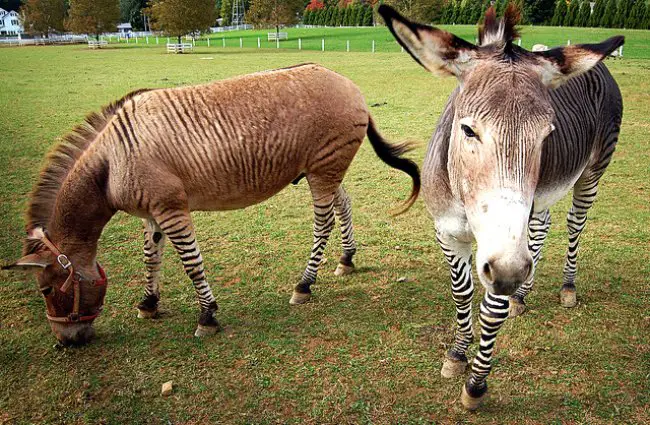
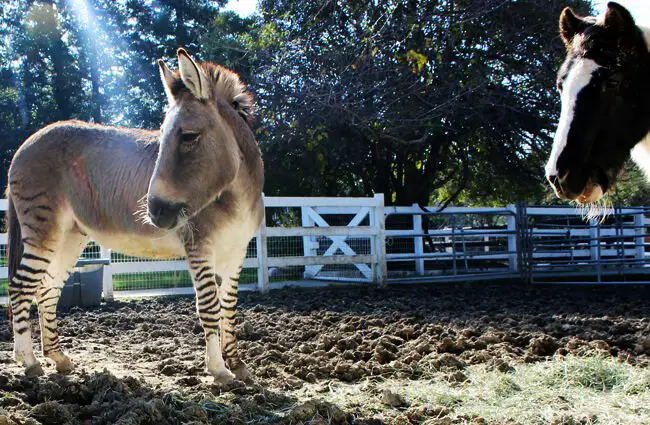
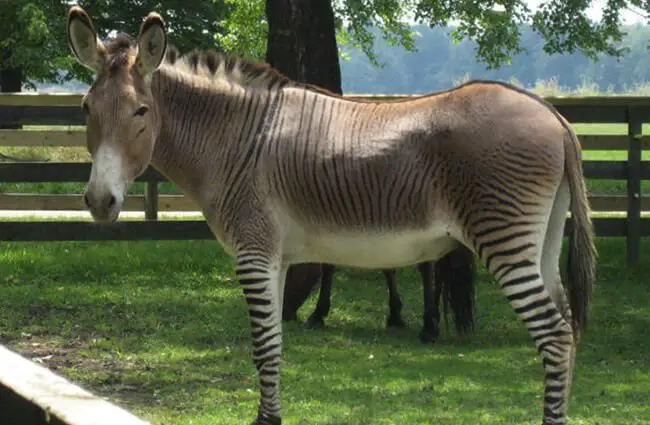
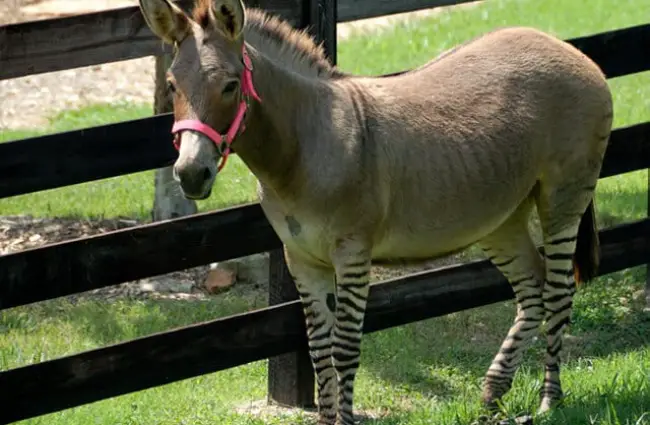
The appearance of a zonkey is perhaps its most striking feature. They generally possess the body shape and size of their donkey parent, often with the characteristic long ears and sturdy build. However, their coat is where the zebra influence truly shines. While the base color might be a solid brown, grey, or tan like a donkey, distinct zebra stripes are almost always present. These stripes are most commonly observed on the legs, extending up to the shoulders and flanks, and often appear on the neck and head. The intensity and coverage of the stripes can vary greatly from one zonkey to another, making each individual a unique work of art. Some may have very bold, extensive striping, while others might only display faint patterns on their lower limbs. Their tails typically resemble a donkey’s, with a tuft at the end, rather than the fully striped tail of a zebra.
Where the Wild Things Aren’t (Usually): Habitat and Distribution
Natural Occurrence: A Rare Phenomenon
The concept of a zonkey roaming freely in the wild is largely a romantic notion. While zebras and donkeys can coexist in certain regions of Africa, particularly where domestic donkeys have been introduced or where wild asses overlap with zebra territories, natural hybridization is exceedingly rare. Such an event would require a zebra and a donkey to not only encounter each other but also to overcome species barriers to mate successfully. Most documented cases of zonkeys have occurred in controlled environments, such as zoos, animal sanctuaries, or private breeding facilities, where human intervention facilitates the crossbreeding. Therefore, an animal lover hoping to spot a zonkey in its “natural habitat” would likely be searching in vain, as these hybrids do not form self-sustaining wild populations.
Captive Environments: Home Away From Home
For those eager to observe a zonkey, captive environments are the primary location. Zoos across the globe occasionally house these unique animals, often as part of educational exhibits highlighting genetic diversity and hybridization. Private breeders, sometimes driven by curiosity or a desire for novelty, also contribute to the zonkey population. These captive settings provide the necessary conditions for their survival, including shelter, food, and veterinary care, which would be challenging for a hybrid to secure independently in the wild. The controlled nature of these environments also allows for careful study of their behavior and physiology.

The Zonkey’s Plate: Diet and Foraging
Herbivorous Habits: A Grazer’s Life
Like both their zebra and donkey parents, zonkeys are strict herbivores. Their diet primarily consists of fibrous plant material. In any environment, whether wild or captive, their digestive system is adapted to process grasses, leaves, shrubs, and other vegetation. In a hypothetical wild scenario, a zonkey would spend a significant portion of its day grazing, much like its equine relatives, moving across landscapes to find suitable forage. Access to fresh water is also crucial for their survival and digestive health.
Feeding in Captivity: A Balanced Approach
For zookeepers caring for a zonkey, providing a balanced and appropriate diet is paramount. This typically involves a high-fiber diet consisting mainly of good quality hay, supplemented with specialized equine pellets designed to meet their nutritional requirements. Fresh vegetables and fruits can be offered in moderation as treats. Constant access to clean, fresh water is essential. Mineral blocks can also be provided to ensure they receive necessary trace elements. Overfeeding or providing an imbalanced diet can lead to health issues, so careful monitoring of their intake and body condition is a key task for any zookeeper.
The Unsung Story: Evolution and Genetics
A Tale of Two Chromosomes: Genetic Hybridization
The existence of the zonkey is a fascinating chapter in the study of genetics, though it is important to clarify that zonkeys do not represent an evolutionary lineage in the traditional sense. Evolution refers to the gradual change in heritable characteristics of biological populations over successive generations, leading to new species. Zonkeys, however, are a product of hybridization between two distinct species, a zebra and a donkey, which typically have different chromosome numbers. Zebras can have between 32 and 46 chromosomes depending on the species, while donkeys possess 62 chromosomes. When these two species mate, their offspring, the zonkey, inherits a mixed set of chromosomes, resulting in an odd number. This chromosomal incompatibility is the primary reason why zonkeys, like mules (horse-donkey hybrids), are almost always sterile. Their reproductive cells cannot undergo proper meiosis to produce viable gametes, effectively preventing them from having offspring of their own.
Why Hybrids Matter: Insights into Speciation
While zonkeys do not contribute to a new evolutionary path, their very existence offers invaluable insights to aspiring zoologists and geneticists. The study of hybrids helps us understand the mechanisms of speciation, particularly the genetic barriers that prevent different species from interbreeding successfully or producing fertile offspring. It highlights the importance of chromosome number and structure in maintaining species integrity. Zonkeys serve as a living example of how genetic differences, even between closely related species, can lead to reproductive isolation, a critical factor in the formation of distinct species over evolutionary time.
Life Cycle and Reproduction: A Sterile Beauty
The Reproductive Roadblock: Sterility
One of the most defining biological characteristics of a zonkey is its inability to reproduce. As discussed, the significant difference in chromosome numbers between zebras and donkeys results in a zonkey having an uneven number of chromosomes. This genetic imbalance disrupts the process of meiosis, which is essential for producing functional sperm or egg cells. Consequently, zonkeys are almost universally sterile, meaning they cannot have offspring. This is a common trait among many interspecies hybrids, such as the well-known mule, which is also sterile. While there have been extremely rare, unconfirmed anecdotal reports of female hybrids producing offspring, these are exceptional cases and not the norm for zonkeys.
Mating Behavior: Instinct Without Offspring
Despite their sterility, zonkeys may still exhibit natural mating behaviors. They can display courtship rituals and attempt to mate, driven by instinct and hormonal cycles. However, these attempts will not result in pregnancy. This aspect is important for zookeepers to understand, as it influences social dynamics within an enclosure. While they cannot reproduce, providing appropriate social interaction with other equids is crucial for their psychological well-being.
Zonkeys in the Wild: Ecosystem Role and Interactions
A Minimal Footprint: Ecological Impact
Given their extreme rarity in the wild and their inability to reproduce, zonkeys have virtually no discernible contribution to any ecosystem. They do not form stable populations, participate in food webs as a consistent prey or predator, or play a role in seed dispersal or vegetation management in the way true wild species do. Their existence is primarily a biological curiosity rather than an ecological factor. If a zonkey were to exist in a wild setting, its ecological role would be indistinguishable from that of a donkey or zebra, depending on which parent’s traits were more dominant in its behavior and foraging habits, but its individual impact would be negligible.
Interactions with Other Animals
In a hypothetical wild scenario, a zonkey’s interactions with other animals would likely mirror those of its parent species. It would be a herbivore, potentially prey for large carnivores like lions or hyenas in African environments. However, its hybrid nature might pose social challenges. Zebra herds are highly structured, and a zonkey might not be fully accepted into a zebra group due to its differing appearance and behavior. Similarly, donkeys, whether wild or feral, might also view a zonkey as an outsider. This social ambiguity could make a wild zonkey more vulnerable or solitary, further diminishing its chances of long-term survival and interaction within a complex ecosystem.
Zonkeys and Humanity: Culture, Interaction, and Care
A Cultural Curiosity: Zonkeys in History and Modernity
Zonkeys have long held a place in human culture, primarily as objects of fascination and novelty. Their striking appearance makes them popular attractions in zoos and circuses, where they often draw crowds eager to witness this unusual hybrid. Historically, some zebroids were bred for practical purposes, with the hope of combining the zebra’s resistance to certain African diseases with the donkey’s docility and strength. While they can be trained for riding or as pack animals, they are generally less common for these roles than mules, which are often preferred for their consistent temperament and strength. Today, their contribution to human culture is largely one of wonder and education, highlighting the diversity of life and the outcomes of genetic crosses.
Human Interaction: From Breeding to Encounter
Human interaction with zonkeys primarily revolves around their breeding and care in captive settings. Intentional breeding programs, often for exhibition, are responsible for most zonkeys. Ethical considerations surrounding the breeding of hybrids, particularly sterile ones, are a topic of discussion among animal welfare advocates. For a hiker who might, against all odds, encounter a zonkey in the wild, the advice is similar to encountering any wild or feral equid: observe from a respectful distance, do not approach, attempt to feed, or provoke the animal. While donkeys can be docile, zebras are wild animals with strong defensive instincts, and a zonkey’s temperament can be an unpredictable mix of both. Safety dictates caution and non-interference.
The Zookeeper’s Guide: Caring for a Zonkey
Caring for a zonkey in captivity requires a comprehensive understanding of equine husbandry, blending the needs of both zebras and donkeys. Aspiring zoologists and current zookeepers will find the following guidelines useful:
- Enclosure: A spacious and secure enclosure is essential, providing ample room for exercise and exploration. It must include a sturdy shelter to protect the zonkey from adverse weather conditions, such as extreme heat, cold, rain, or strong winds. The fencing should be robust enough to contain an animal that can be as strong as a donkey and as spirited as a zebra.
- Diet: As herbivores, their diet should be high in fiber. This means providing good quality hay as the primary food source, available throughout the day. Supplement with specialized equine pellets formulated for their nutritional needs. Fresh, clean water must be accessible at all times. Mineral blocks can also be offered to ensure adequate intake of essential nutrients.
- Social Needs: Zonkeys are social animals and thrive with companionship. Ideally, they should be housed with other equids, such as donkeys, zebras, or even other zonkeys, if available. Social isolation can lead to stress and behavioral issues. Careful introductions are necessary to ensure compatibility.
- Health Monitoring: Regular veterinary check-ups are crucial. This includes routine vaccinations, deworming, and monitoring for common equine ailments. Hoof care is particularly important, requiring regular trimming by a farrier to prevent lameness. Dental care, including floating (filing down sharp points on teeth), is also vital for proper digestion.
- Behavioral Enrichment: To prevent boredom and promote natural behaviors, provide various forms of enrichment. This can include toys, puzzle feeders, varied terrain within the enclosure, and opportunities for dust bathing. Regular exercise and mental stimulation contribute significantly to their overall well-being.
- Avoid:
- Overfeeding: This can lead to obesity and related health problems like laminitis.
- Isolation: Keeping a zonkey alone without social interaction can cause psychological distress.
- Stressful Environments: Loud noises, constant changes, or aggressive enclosure mates should be avoided.
- Forcing Interactions: While social, forcing human interaction or interaction with incompatible animals can lead to stress or injury.
Fascinating Facts About Zonkeys
The world of zonkeys is full of intriguing details that continue to captivate:
- Hybrid Vigor: Some hybrids, including zonkeys, can exhibit “hybrid vigor,” meaning they may be hardier or more resistant to certain diseases than either parent species. However, this is not universally true for all zonkeys.
- Unique Stripe Patterns: No two zonkeys have identical stripe patterns, much like human fingerprints or zebra stripes. Each individual is truly unique.
- Temperament Mix: A zonkey’s temperament can be a fascinating blend of its parents. They might inherit the stubbornness and resilience of a donkey, combined with the wilder, more unpredictable nature of a zebra. This can make them challenging to train compared to a domestic horse or donkey.
- Lifespan: With proper care in captivity, zonkeys can live a lifespan comparable to donkeys, typically ranging from 20 to 30 years.
- Rarity: Despite their growing popularity, zonkeys remain relatively rare animals, especially compared to mules.
- Different Names: The name “zonkey” is most common, but depending on the specific parentage and region, they might also be called a “zedonk” (zebra x donkey), “zebrule” (zebra x mule), or “zorse” (zebra x horse).
- Historical Accounts: There are historical records and even artistic depictions of zebroids dating back centuries, indicating a long-standing human fascination with these striped hybrids.
Conclusion: The Striped Enigma Continues to Captivate
The zonkey stands as a remarkable testament to the diversity and complexity of the animal kingdom. While not a naturally evolving species, its existence as a hybrid offers a unique window into genetic compatibility, species boundaries, and the enduring human fascination with the unusual. From its striking appearance to its sterile nature, every aspect of the zonkey tells a story of two species meeting in an unexpected way. Whether admired in a zoo, studied by an aspiring zoologist, or simply pondered by an animal lover, the zonkey continues to be a striped enigma that enriches our understanding of life on Earth.
![Closeup of a beautiful Red Angus cowPhoto by: U.S. Department of Agriculture [pubic domain]https://creativecommons.org/licenses/by/2.0/](https://animals.net/wp-content/uploads/2020/03/Red-Angus-4-238x178.jpg "Red Angus")
![Closeup of a beautiful Red Angus cowPhoto by: U.S. Department of Agriculture [pubic domain]https://creativecommons.org/licenses/by/2.0/](https://animals.net/wp-content/uploads/2020/03/Red-Angus-4-100x75.jpg "Red Angus")