Deep within the ancient landscapes of Australia, a creature of remarkable resilience and charm carves out a subterranean existence. Often mistaken for a small bear or a giant rodent, the wombat is in fact a unique marsupial, a master architect of the underground, and an enduring symbol of the continent’s extraordinary biodiversity. These stocky, powerful diggers are far more than just cute faces; they are vital components of their ecosystems, possessing an array of fascinating adaptations that allow them to thrive in challenging environments.
For anyone captivated by the natural world, understanding the wombat offers a window into the intricacies of evolution and the sheer wonder of life’s diverse forms. From their powerful digging claws to their distinctive cube-shaped droppings, every aspect of a wombat’s life tells a story of survival and specialization.
An Introduction to the Wombat: Australia’s Burrowing Marvel
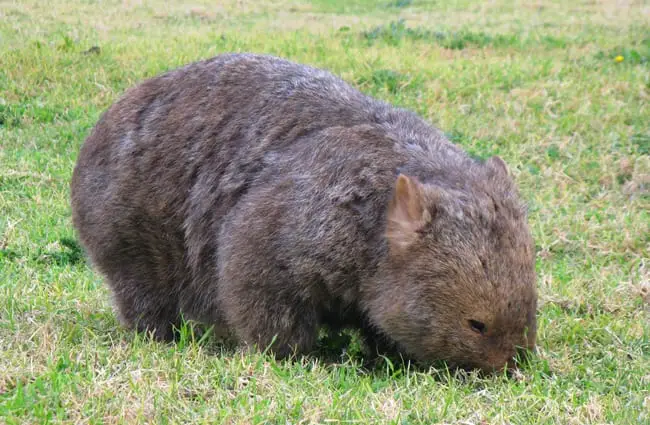
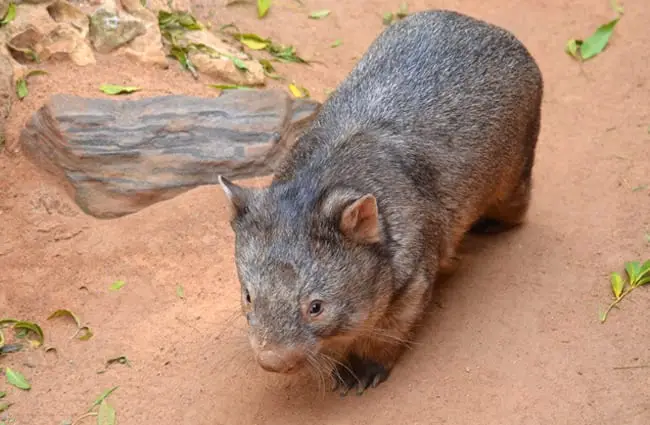
Wombats belong to the family Vombatidae, a group of marsupials endemic to Australia. There are three recognized species, each with its own distinct characteristics and distribution:
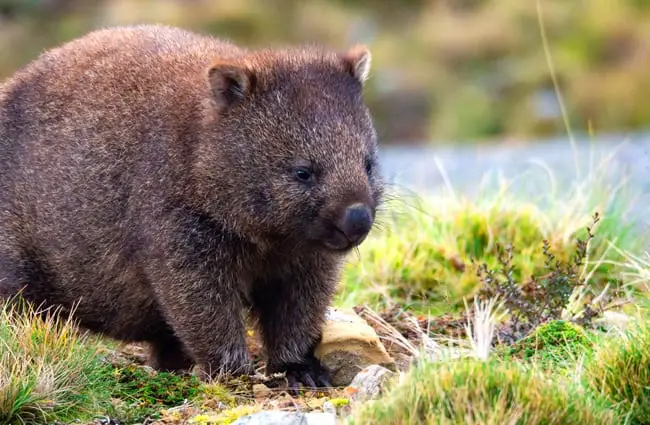
- Common Wombat (Vombatus ursinus): Also known as the Bare-nosed Wombat, this is the most widespread species, found in southeastern Australia and Tasmania. It is characterized by its coarse fur and a bare, black nose.
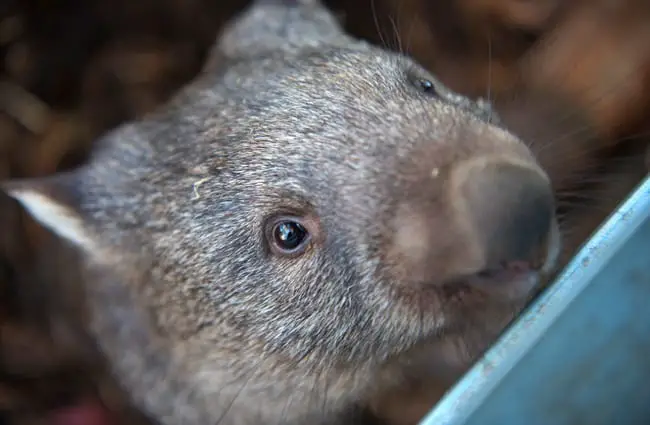
- Southern Hairy-nosed Wombat (Lasiorhinus latifrons): Distinguished by its soft, silky fur and a hairy nose, this species inhabits semi-arid grasslands of South Australia.
- Northern Hairy-nosed Wombat (Lasiorhinus krefftii): Critically endangered, this species is one of the rarest mammals in the world, with a tiny population confined to a single national park in Queensland. It shares the hairy nose trait with its southern cousin but is generally larger.
These robust animals are built for digging, possessing short, powerful legs and broad feet equipped with long, strong claws. Their compact, muscular bodies can weigh between 20 to 35 kilograms (44 to 77 pounds) and measure up to 1.3 meters (4.3 feet) in length, making them the second-largest marsupials after kangaroos.
Where Wombats Call Home: Habitat and Distribution
Wombats are found across various habitats in eastern and southern Australia, including Tasmania. Their preferred environments are typically temperate forests, woodlands, and heathlands, where the soil is suitable for burrowing and there is ample vegetation for grazing. The Southern Hairy-nosed Wombat, however, has adapted to more arid and semi-arid grasslands. To find a wombat in the wild, one must venture into these regions, particularly at dawn, dusk, or night, as they are primarily nocturnal creatures.
- Common Wombat: Thrives in wetter, forested areas, often near creeks or rocky outcrops, from coastal regions to alpine zones. Look for their distinctive burrows in national parks and reserves across New South Wales, Victoria, and Tasmania.
- Southern Hairy-nosed Wombat: Prefers drier, open mallee scrub and grasslands in South Australia. Their burrows are often found in warrens, which can house multiple individuals.
- Northern Hairy-nosed Wombat: Exclusively found in Epping Forest National Park (Scientific) in central Queensland, a highly protected area.
Observing wombats requires patience and respect for their natural behavior. Approaching quietly and maintaining a safe distance is crucial to avoid disturbing them. Their burrows are often identifiable by the large mounds of excavated soil at the entrance.
The Wombat’s Menu: Diet and Foraging Habits
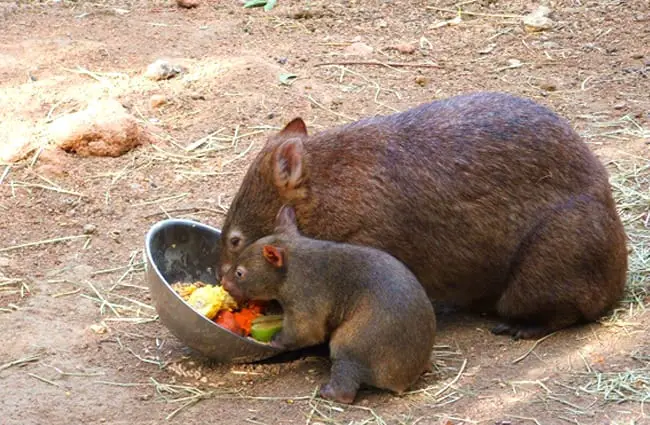
Wombats are strict herbivores, meaning their diet consists entirely of plant matter. Their powerful jaws and continuously growing, rodent-like incisors are perfectly adapted for grinding tough vegetation. Their primary food sources include:
- Grasses
- Roots
- Herbs
- Bark
- Fungi
They forage predominantly at night, using their keen sense of smell to locate food. Their digestive system is remarkably efficient, allowing them to extract maximum nutrients from low-quality forage. This slow digestion process, which can take up to 14 days, is an adaptation to their often nutrient-poor diet and helps them conserve water, particularly important for species in drier environments.
A Life Underground: Behavior and Lifestyle
Wombats are renowned for their burrowing prowess. They are largely solitary animals, each maintaining an extensive network of tunnels and chambers that can stretch up to 30 meters (100 feet) long and 3.5 meters (11 feet) deep. These burrows serve multiple critical functions:
- Shelter: Protection from predators such as dingoes and Tasmanian devils.
- Temperature Regulation: A stable microclimate, offering refuge from extreme heat in summer and cold in winter.
- Rearing Young: A safe nursery for their joeys.
While generally solitary, Common Wombats may sometimes share burrows, especially during colder periods. Southern Hairy-nosed Wombats, however, are known to live in extensive warrens, with multiple individuals occupying different burrows within the same system. Wombats are territorial, marking their home ranges with scent trails and their distinctive cube-shaped droppings, which they strategically place on elevated spots to maximize visibility.
Delving Deeper: Wombat Biology and Ecology
Beyond their basic habits, wombats present a wealth of fascinating biological and ecological insights, making them a compelling subject for aspiring zoologists and researchers.
An Ancient Lineage: Wombat’s Evolutionary History
Wombats are part of the order Diprotodontia, which includes kangaroos, wallabies, and koalas. Their evolutionary journey traces back millions of years, with fossil evidence suggesting their ancestors were much larger, including the extinct giant marsupial Diprotodon, often referred to as a “giant wombat.” Modern wombats evolved specialized adaptations for their burrowing lifestyle, diverging from their arboreal koala relatives. Their robust skeletal structure, powerful limb musculature, and unique dental formula are all hallmarks of a lineage perfected for a life spent digging and grazing.
The three extant species represent distinct evolutionary paths, with the hairy-nosed wombats showing adaptations to drier, more open environments compared to the common wombat’s preference for wetter forests. The critically endangered status of the Northern Hairy-nosed Wombat highlights the fragility of these ancient lineages in the face of modern environmental pressures.
The Cycle of Life: Mating and Reproduction
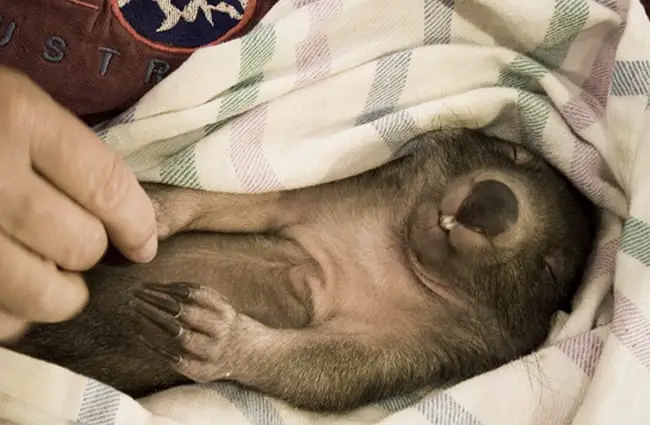
Wombats are typically solitary, coming together only for mating. The breeding season can vary by species and environmental conditions, but generally occurs from autumn to winter. After a gestation period of approximately 20-22 days, the female gives birth to a single, tiny, underdeveloped joey, typical of marsupials. The joey immediately crawls into its mother’s backward-facing pouch.
The backward-facing pouch is a crucial adaptation for a burrowing animal. It prevents soil from entering the pouch while the mother is digging, protecting the vulnerable joey. The joey remains in the pouch for about 6 to 10 months, suckling milk and continuing its development. After leaving the pouch, it continues to be nursed and cared for by the mother for several more months, often staying close to her burrow until it is fully weaned and independent, usually around 15-18 months of age. Wombats typically reach sexual maturity around two years old and can live for 15 to 20 years in the wild, and even longer in captivity.
Ecosystem Engineers: Wombat’s Contribution and Interactions
Wombats play a significant role in their ecosystems, often referred to as “ecosystem engineers” due to their extensive burrowing activities. Their digging:
- Aerates the soil: Improves soil structure and water penetration, benefiting plant growth.
- Distributes nutrients: Brings organic matter to the surface and mixes soil layers.
- Creates microhabitats: Abandoned burrows provide shelter for a wide array of other animals, including reptiles, amphibians, small mammals, and birds, especially during bushfires or extreme weather events.
Their interactions with other animals are generally limited due to their solitary and nocturnal nature. Predators include dingoes and Tasmanian devils, particularly targeting young or sick individuals. Wombats have a formidable defense mechanism: when threatened, they will dive headfirst into a burrow, using their heavily reinforced, bony rump to block the entrance. This makes it incredibly difficult for predators to dislodge them, and they can deliver powerful kicks with their hind legs.
Wombats and Humanity: Culture, Conservation, and Coexistence
The unique nature of wombats has led to various interactions with humans, from cultural appreciation to the challenges of conservation and direct encounters.
Wombat’s Contribution to Human Culture
Wombats hold a special place in Australian culture. They are often depicted in children’s books, folklore, and as mascots, symbolizing resilience, strength, and the quirky charm of Australian wildlife. Their distinctive appearance and often placid demeanor have made them beloved figures, representing the unique marsupial fauna of the continent. Indigenous Australian cultures have long recognized and respected wombats, incorporating them into their stories and traditions.
Interacting with Wombats: What to Do in the Wild
For hikers and animal lovers hoping to encounter a wombat in the wild, remember that these are wild animals. While generally shy, a cornered or threatened wombat can be surprisingly powerful and aggressive. Their strong teeth and claws, designed for digging, can inflict serious injury. If you encounter a wombat:
- Maintain Distance: Observe from afar. Do not attempt to approach, touch, or feed it.
- Do Not Corner: Ensure the animal has a clear escape route.
- Night Driving: Be extremely cautious when driving in wombat habitats at night. Wombats are often victims of road accidents. If you see a wombat on the road, slow down and give it space. If you find an injured wombat, contact local wildlife rescue services immediately.
- Respect Burrows: Do not disturb or enter wombat burrows.
Caring for Wombats in Captivity: A Zookeeper’s Guide
Caring for wombats in a zoological setting requires specialized knowledge to meet their unique needs. Zookeepers play a crucial role in their welfare, education, and conservation efforts.
- Habitat Design: Enclosures must replicate their natural burrowing environment. This means providing deep, diggable substrate (e.g., sand, soil, clay mix) and artificial burrows or tunnels for shelter and enrichment. Temperature regulation within these burrows is vital.
- Diet: A captive diet should closely mimic their natural herbivorous intake, consisting primarily of fresh grasses, hay, and a small amount of species-appropriate browse. Commercial wombat pellets can supplement their diet, but fresh forage is paramount for dental health and digestive function. Avoid sugary fruits or processed foods.
- Enrichment: Opportunities for natural behaviors are essential. This includes digging opportunities, scattered food to encourage foraging, and novel scents or objects to stimulate their senses.
- Health Monitoring: Regular veterinary checks are crucial. Wombats are susceptible to sarcoptic mange, a parasitic skin disease that can be fatal if untreated. Zookeepers must be vigilant for signs of mange (crusting skin, hair loss, scratching) and administer appropriate treatment. Dental health is also important due to their continuously growing teeth.
- Social Considerations: As largely solitary animals, individual enclosures or carefully managed pairings are often preferred, especially for Common Wombats. Hairy-nosed species may tolerate small groups if sufficient space and burrows are provided.
A Huge List of Interesting Wombat Facts
- Cube-Shaped Poo: Wombats are famous for producing cube-shaped droppings. This unique shape is thought to prevent their scat from rolling off rocks and logs, helping them mark their territory effectively.
- Backward Pouch: Unlike kangaroos, a wombat’s pouch opens backward, preventing soil from entering while the mother digs.
- Bony Rump: Their pelvic area is reinforced with a thick plate of cartilage and bone, which they use as a shield to block burrow entrances from predators.
- Powerful Diggers: They can dig up to a meter (3 feet) of tunnel in a single night.
- Long Lifespan: Wombats can live for 15-20 years in the wild and over 25 years in captivity.
- Slow Metabolism: They have one of the slowest metabolisms of any mammal, taking up to 14 days to digest a meal, which helps them conserve energy and water.
- Excellent Sense of Smell: Wombats rely heavily on their sense of smell to find food and navigate in the dark.
- Fast Runners: Despite their stocky build, they can run at speeds of up to 40 km/h (25 mph) over short distances.
- Nocturnal: They are primarily active at night, avoiding the heat of the day.
- Solitary Nature: Most species are solitary, except during mating or when young are dependent on their mothers.
- Critically Endangered Species: The Northern Hairy-nosed Wombat is one of the world’s rarest mammals, with fewer than 300 individuals remaining.
- Dental Adaptations: Their incisors grow continuously, much like a rodent’s, to cope with their abrasive diet.
- Water Conservation: Wombats are highly efficient at conserving water, extracting most of their moisture from their food.
- Burrow Sharing: While generally solitary, Common Wombats may sometimes share burrows, especially in cold weather. Southern Hairy-nosed Wombats often live in communal warrens.
Conclusion: Appreciating Australia’s Subterranean Architects
The wombat, in all its sturdy, burrowing glory, stands as a testament to the incredible diversity and adaptability of life on Earth. From their vital role as ecosystem engineers, shaping the very ground beneath our feet, to their endearing presence in Australian culture, these marsupials offer endless fascination. Understanding their biology, behavior, and the challenges they face is not just a scientific endeavor; it is an invitation to appreciate the intricate web of life and our shared responsibility in its preservation. Whether you are a student researching their unique adaptations, an animal lover hoping for a glimpse in the wild, or a zookeeper dedicated to their care, the world of the wombat promises discovery and a deeper connection to the wild heart of Australia.
![Closeup of a beautiful Red Angus cowPhoto by: U.S. Department of Agriculture [pubic domain]https://creativecommons.org/licenses/by/2.0/](https://animals.net/wp-content/uploads/2020/03/Red-Angus-4-238x178.jpg "Red Angus")

![Closeup of a beautiful Red Angus cowPhoto by: U.S. Department of Agriculture [pubic domain]https://creativecommons.org/licenses/by/2.0/](https://animals.net/wp-content/uploads/2020/03/Red-Angus-4-100x75.jpg "Red Angus")