The Willet, a striking shorebird instantly recognizable by its bold black and white wing pattern, is a fascinating creature of coastal habitats. This guide delves into the world of the Willet, exploring its biology, behavior, ecology, and relationship with humans. Whether you are a seasoned ornithologist, a curious nature enthusiast, or simply stumbled upon this beautiful bird, this article provides a comprehensive understanding of this remarkable species.
Understanding the Willet
Basic Characteristics
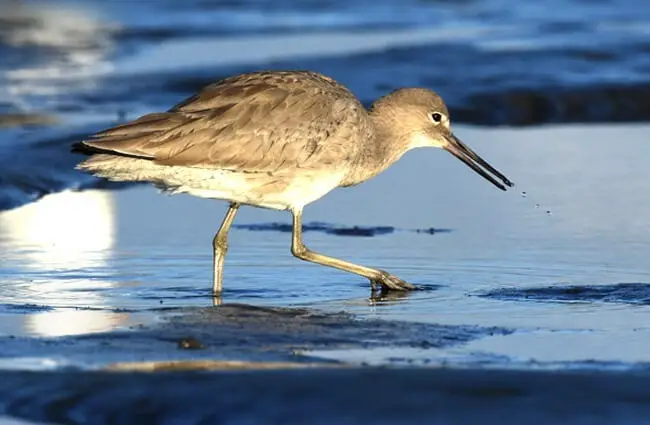
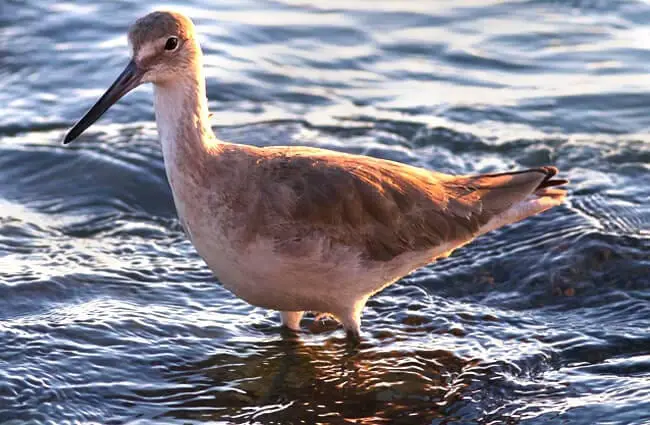
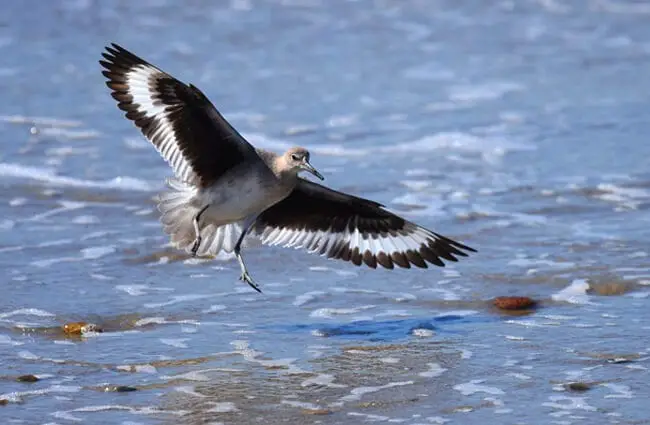
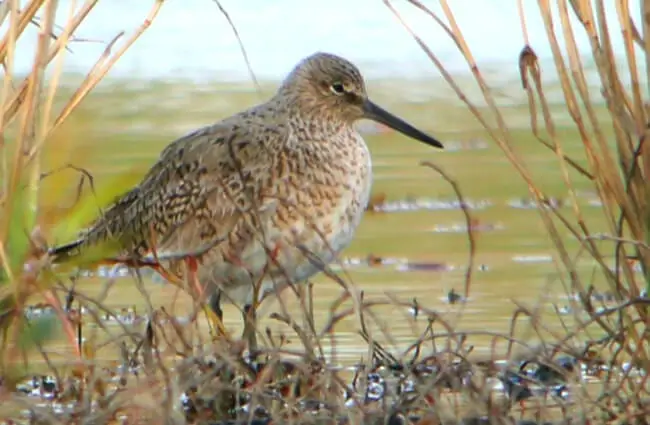
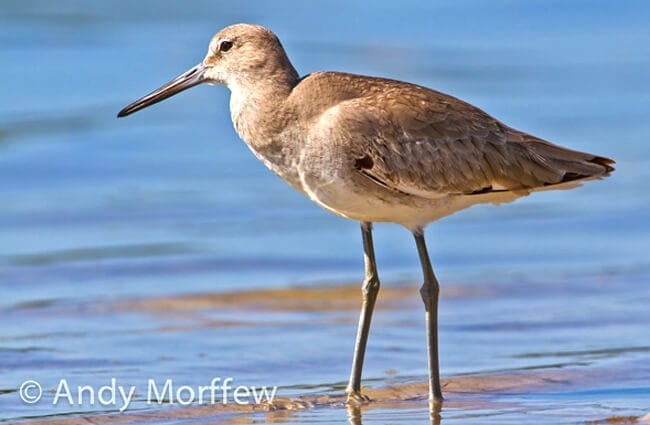
The Willet (Tringa semipalmata) belongs to the sandpiper family, Scolopacidae. Adult Willets measure between 11 to 12 inches in length, with a wingspan of roughly 16 inches. They exhibit a relatively slender build, long legs perfectly adapted for wading, and a noticeable, slightly decurved bill. Their plumage is generally gray on the upperparts and white below, but the most distinctive feature is the dramatic black and white pattern on their wings, visible during flight. There are two subspecies, the Eastern Willet and the Western Willet, exhibiting subtle differences in plumage and breeding ranges.
Habitat and Distribution
Willet populations thrive in coastal habitats throughout North America. Eastern Willets typically breed along the Atlantic coast, from Nova Scotia to Florida, favoring salt marshes and estuaries. Western Willets breed along the Pacific coast, from Alaska to Baja California, inhabiting similar wetland environments. During the non breeding season, both subspecies migrate south to the Gulf Coast, the Caribbean islands, and the coasts of Central America. They prefer shallow, muddy or sandy flats, salt marshes, and mangrove swamps. Their habitat selection is strongly tied to the availability of invertebrate prey.
Life History of the Willet
Diet and Foraging Behavior
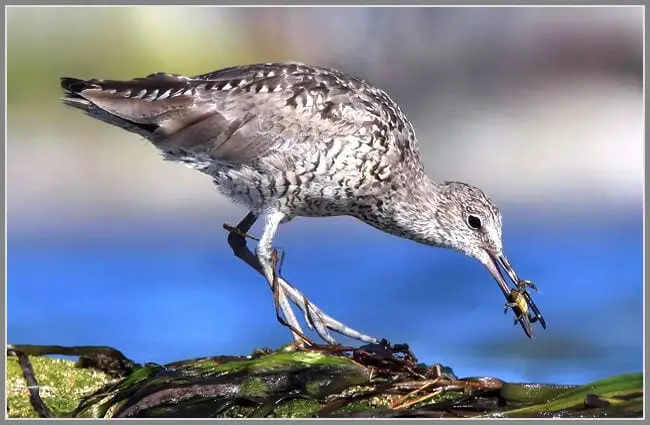
Willets are opportunistic feeders, primarily consuming invertebrates found in mudflats and shallow water. Their diet includes marine worms, crustaceans, mollusks, and insects. They employ a unique foraging technique known as “bill probing,” rapidly opening and closing their bill while wading in the substrate to detect prey. They also use their sensitive bills to feel for prey buried in the mud. Willets are highly efficient foragers, capable of consuming a significant amount of food each day to fuel their active lifestyle.
Reproduction and Nesting
Willets are generally monogamous, often forming long-term pair bonds. Breeding season typically begins in April or May. They construct simple ground nests, often concealed in dense vegetation within salt marshes. The nests are shallow depressions lined with grasses and other plant material. The female typically lays four to five eggs, which are buff-colored with dark brown markings. Both parents share incubation duties, lasting approximately 23 to 26 days. Chicks are precocial, meaning they are relatively mobile and independent soon after hatching. However, they rely on parental care for several weeks, receiving food and protection from predators.
Evolutionary History
The evolutionary history of the Willet, like many shorebirds, is complex and still being investigated. The Scolopacidae family has ancient origins, with fossil records dating back to the Eocene epoch. Willets likely diverged from other sandpiper lineages millions of years ago, adapting to specialized foraging niches in coastal environments. The distinct wing patterns observed in Willets may have evolved as a form of visual signaling during courtship displays or as a means of camouflage in the dynamic coastal landscape. Genetic studies are ongoing to further refine our understanding of Willet evolutionary relationships.
Willet Ecology and Interactions
Role in the Ecosystem
Willets play an important role in coastal ecosystems as both predators and prey. They help regulate invertebrate populations, contributing to the health and balance of wetland habitats. They also serve as a food source for larger predators, such as raptors, foxes, and raccoons. Willet nesting sites often support a diverse community of plant and animal species. Their foraging activities can influence nutrient cycling and sediment dynamics in coastal areas.
Interactions with Other Animals
Willets frequently interact with other shorebird species, often foraging in mixed-species flocks. They compete for food resources with similar species, such as sandpipers and plovers. Willets occasionally exhibit aggressive behavior towards other birds, defending their foraging territories or nesting sites. They can also be preyed upon by larger birds of prey, such as Peregrine Falcons and Ospreys.
Willet and Humans
Cultural Significance
In some coastal communities, Willets have cultural significance, often featuring in local folklore and traditions. Their distinctive call, a loud and penetrating “pill-will-willet,” has inspired numerous place names and literary references. Native American tribes often viewed Willets as symbols of resilience and adaptability, reflecting their ability to thrive in challenging coastal environments.
Conservation Status and Threats
The IUCN Red List categorizes the Willet as Least Concern. While Willet populations are currently considered stable, they face several threats, including habitat loss, sea level rise, and pollution. Coastal development, wetland drainage, and erosion are reducing available breeding and foraging habitat. Sea level rise is inundating low-lying salt marshes, further shrinking critical habitat. Pollution, including oil spills and plastic debris, can harm Willet populations directly or through bioaccumulation in the food chain. Conservation efforts are focused on protecting and restoring coastal wetlands, mitigating pollution, and promoting sustainable coastal management practices.
Encountering a Willet in the Wild
If you encounter a Willet while hiking or exploring coastal areas, observe it from a distance to avoid disturbing its behavior. Do not approach nesting sites or attempt to handle the bird. Keep pets on a leash to prevent them from harassing Willets. Report any sightings of injured or distressed birds to local wildlife authorities.
Caring for Willets in Captivity
For zookeepers and aviculturists caring for Willets in captivity, providing a spacious enclosure that mimics their natural wetland habitat is crucial. The enclosure should include shallow pools of water, muddy substrate, and plenty of vegetation for foraging and nesting. A varied diet of invertebrates, such as shrimp, worms, and crustaceans, is essential. Regular veterinary care, including parasite control and disease monitoring, is vital to maintain the bird’s health. Providing environmental enrichment, such as logs, rocks, and plant material, can stimulate natural behaviors and improve the bird’s well-being.
The Willet, with its striking appearance and fascinating behavior, is a true emblem of coastal ecosystems. By understanding its life history, ecological role, and the threats it faces, we can contribute to its conservation and ensure that this remarkable bird continues to thrive for generations to come.
![Closeup of a beautiful Red Angus cowPhoto by: U.S. Department of Agriculture [pubic domain]https://creativecommons.org/licenses/by/2.0/](https://animals.net/wp-content/uploads/2020/03/Red-Angus-4-238x178.jpg "Red Angus")
![Closeup of a beautiful Red Angus cowPhoto by: U.S. Department of Agriculture [pubic domain]https://creativecommons.org/licenses/by/2.0/](https://animals.net/wp-content/uploads/2020/03/Red-Angus-4-100x75.jpg "Red Angus")