The Whitetail Deer, Odocoileus virginianus, is a creature of remarkable adaptability and grace, a familiar sight across much of North America. From the dense forests of Canada to the arid landscapes of Mexico, this iconic mammal has not only thrived but has become an integral part of countless ecosystems and human cultures. Its distinctive white tail, raised like a flag when alarmed, is just one of many fascinating features that make the Whitetail Deer a subject of endless intrigue for naturalists, researchers, and casual observers alike.
Understanding the Whitetail Deer offers a window into the intricate balance of nature, revealing insights into animal behavior, ecological dynamics, and the complex relationship between wildlife and human civilization. This comprehensive guide delves into every facet of their existence, from their ancient origins to their daily routines, providing a rich tapestry of knowledge for anyone eager to learn more about these magnificent animals.
A Glimpse into the Whitetail World: Identification and Habitat
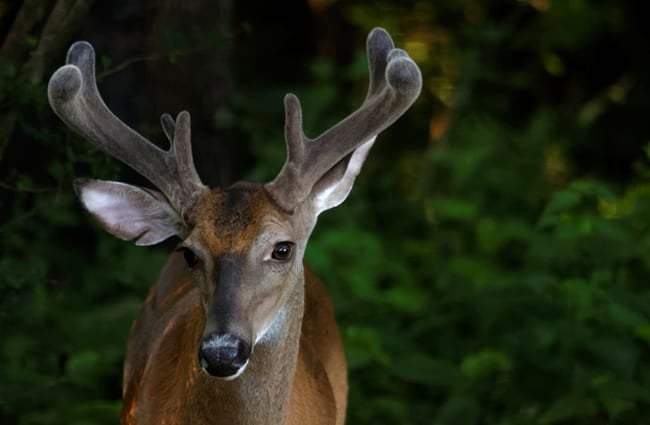
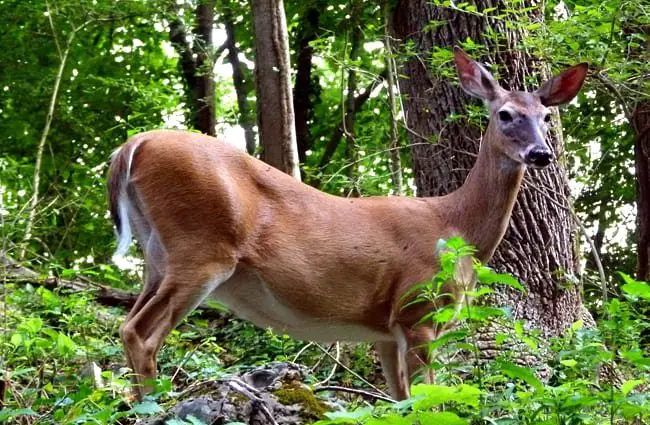
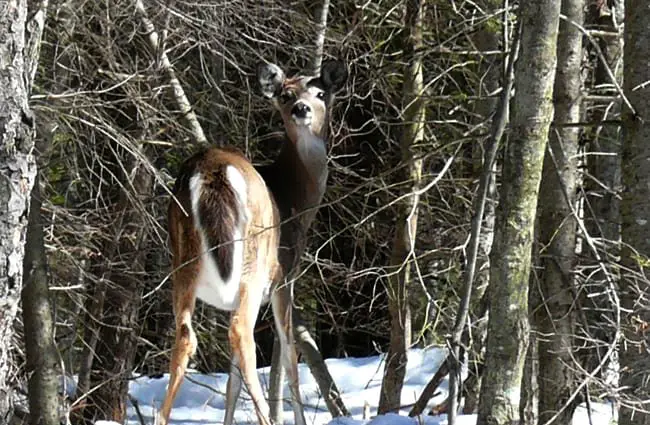
Whitetail Deer are easily recognizable. Adults typically stand between 3 to 3.5 feet tall at the shoulder and can weigh anywhere from 100 to 300 pounds, with bucks generally larger than does. Their coat color varies seasonally, from a reddish-brown in summer to a grayish-brown in winter, providing excellent camouflage. The most distinguishing feature, of course, is the broad, white underside of their tail, which they flash as a warning signal when startled, hence their common name.
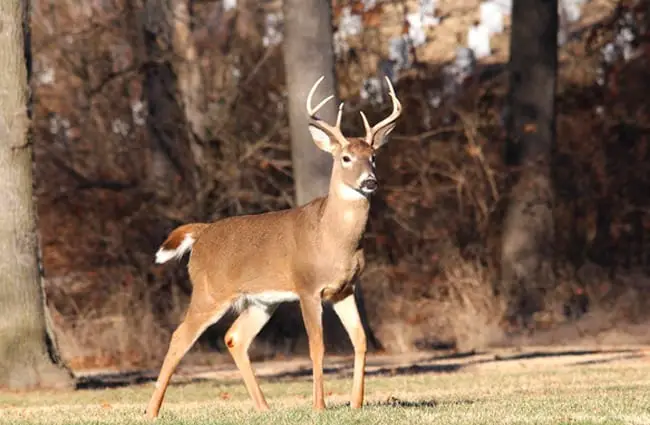
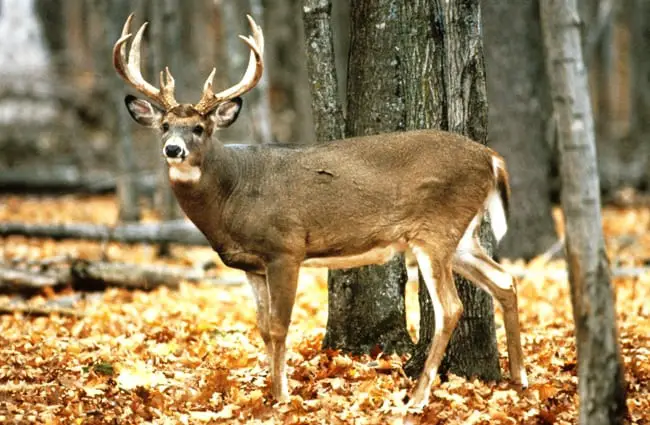
Males, known as bucks, grow antlers annually, typically beginning in spring and shedding them in late winter. These antlers, covered in a vascularized skin called velvet during growth, are primarily used for sparring with other bucks during the breeding season. The size and complexity of antlers are influenced by age, genetics, and nutrition.
Where Whitetails Roam: Their Diverse Habitats
The Whitetail Deer boasts the widest distribution of any deer species in the Americas, spanning from southern Canada through the United States and into Central and South America. Their incredible adaptability allows them to thrive in a vast array of environments, from dense deciduous and coniferous forests to open prairies, agricultural fields, and even suburban areas.
Preferred habitats often include areas with a mosaic of cover and food sources, such as forest edges, clearings, and riparian zones. These environments provide ample forage, protective cover from predators and harsh weather, and access to water. Their ability to adapt to human-modified landscapes is a testament to their resilience, though it also brings them into more frequent contact with people.
The Whitetail’s Menu: A Herbivore’s Feast
As ruminant herbivores, Whitetail Deer have a specialized digestive system that allows them to process a wide variety of plant matter. Their diet is highly seasonal and opportunistic, reflecting the availability of food in their environment. They are primarily browsers, meaning they prefer to eat leaves, twigs, shoots, and buds from woody plants, rather than grazing on grasses.
- Spring and Summer: Their diet consists of lush, green vegetation, including tender leaves, forbs (non-woody flowering plants), and agricultural crops like alfalfa, soybeans, and corn. They also consume fruits and berries when available.
- Autumn: Acorns, chestnuts, and other hard mast become a crucial food source, providing essential fats and carbohydrates to build up reserves for winter.
- Winter: When other food sources are scarce, they rely on woody browse, such as twigs and buds from trees and shrubs. They may also dig through snow to find fallen leaves or dormant plants.
This varied diet ensures they receive the necessary nutrients throughout the year, supporting their growth, reproduction, and survival.
Life’s Journey: Mating, Reproduction, and Social Dynamics
The life of a Whitetail Deer is a fascinating cycle of growth, survival, and reproduction, deeply intertwined with the changing seasons.
The Rut: A Seasonal Spectacle
The breeding season, known as the “rut,” typically occurs in autumn, from late October through December, peaking in November in many regions. During this time, bucks undergo significant physiological and behavioral changes. Their necks swell, their testosterone levels surge, and they become highly active, searching for receptive does. Bucks will rub their antlers on trees and shrubs, creating “rubs,” and scrape the ground with their hooves, urinating on the exposed earth to leave scent markers. These actions communicate their presence and dominance to other deer.
Bucks engage in sparring matches, pushing and shoving with their antlers to establish dominance and secure mating rights. While these encounters can be intense, serious injury is rare. Does, on the other hand, enter estrus for a short period, typically 24-36 hours, and if not successfully bred, will cycle again approximately 28 days later.
The Miracle of New Life: Fawning Season
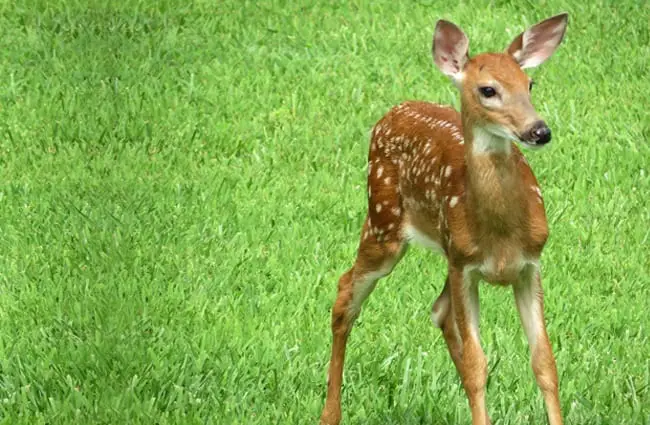
After a gestation period of approximately 200 days (about 6.5 to 7 months), does give birth in late spring or early summer, typically in May or June. First-time mothers usually have a single fawn, while older, well-nourished does often give birth to twins, and occasionally triplets. Fawns are born spotted, providing excellent camouflage against the dappled sunlight of the forest floor. They weigh between 4 to 8 pounds at birth.
For the first few weeks, fawns are left hidden by their mother, who returns periodically to nurse them. This strategy minimizes the risk of predators detecting the vulnerable fawns, as the mother’s scent is more likely to attract attention. Fawns are able to stand and walk within hours of birth, and their spots gradually fade as they mature, disappearing by their first winter. They remain with their mother for about a year, learning essential survival skills before dispersing to establish their own territories.
Social Structure and Behavior
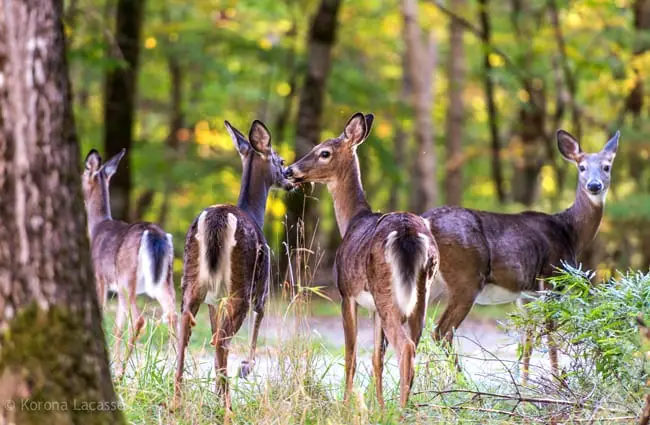
Whitetail Deer are generally considered semi-social animals. Does typically live in matriarchal family groups consisting of a mother, her fawns, and often her yearling offspring. These groups provide safety in numbers and facilitate the transfer of knowledge. Bucks, outside of the rut, tend to be more solitary or form small bachelor groups. During the rut, these social structures become more fluid as bucks roam widely and does may temporarily join larger groups.
Communication among Whitetails is complex, involving a combination of vocalizations, scent marking, and body language. The iconic tail flag is a visual alarm, while snorts and stomps serve as auditory warnings. Scent glands on their legs, forehead, and between their hooves are used to leave chemical messages, conveying information about identity, reproductive status, and alarm.
Whitetails in the Web of Life: Ecosystem Contributions and Interactions
As a prominent herbivore, the Whitetail Deer plays a significant role in shaping its environment and interacting with other species.
Ecological Impact
Whitetail Deer are primary consumers, meaning they feed on plants and are a crucial link in the food chain. Their browsing habits can influence forest regeneration and plant diversity. In areas with high deer populations, intense browsing can alter understory vegetation, reduce the abundance of certain plant species, and impact forest structure. This can, in turn, affect other wildlife that relies on those plants for food or cover.
Conversely, deer also contribute to seed dispersal by consuming fruits and passing seeds through their digestive system, helping to spread plant species across their range.
Predator-Prey Dynamics
Whitetail Deer are a vital food source for a variety of predators. Major natural predators include wolves, coyotes, bobcats, and black bears, particularly preying on fawns or weakened adults. Their keen senses of smell and hearing, coupled with their speed and agility, are their primary defenses against these threats. The presence of healthy deer populations supports these predator populations, contributing to the overall health and balance of the ecosystem.
An Ancient Lineage: The Evolution of Whitetail Deer
The evolutionary history of the Whitetail Deer is a testament to its enduring success. Belonging to the family Cervidae, which includes all deer species, Odocoileus virginianus has a lineage stretching back millions of years. Early deer ancestors originated in Asia and spread across continents. The genus Odocoileus, which also includes the Mule Deer, evolved in North America. Whitetail Deer have adapted over millennia to a wide range of climates and habitats, developing traits such as their distinctive tail, efficient digestive system, and reproductive strategies that allow them to thrive in diverse environments.
Their ability to rapidly reproduce and adapt to changing landscapes, including those altered by human activity, has contributed to their widespread distribution and robust populations today.
Whitetails and Humanity: A Complex Relationship
The interaction between Whitetail Deer and humans is multifaceted, ranging from cultural significance to practical challenges.
Contribution to Human Culture
Whitetail Deer have long held a significant place in human culture. For indigenous peoples across North America, deer were a primary source of food, clothing, tools, and spiritual inspiration. Their images are found in ancient art and their stories woven into folklore and traditions. Today, deer hunting remains a deeply rooted cultural and recreational activity for millions, contributing significantly to local economies and wildlife management efforts. Beyond hunting, deer are admired for their beauty and grace, symbolizing wilderness and nature in art, literature, and popular culture.
Interaction with Humans: Challenges and Coexistence
As human populations expand and encroach upon deer habitats, interactions become more frequent and sometimes problematic.
- Agricultural and Garden Damage: Deer can cause significant damage to crops, gardens, and landscaping, leading to economic losses for farmers and frustration for homeowners.
- Vehicle Collisions: Deer-vehicle collisions are a serious concern, especially during the rut when deer are more active. These incidents pose risks to human safety and result in substantial property damage.
- Disease Transmission: Deer can be hosts for ticks that transmit diseases like Lyme disease, posing a public health concern in areas with high deer populations.
- Conservation and Management: Wildlife agencies actively manage deer populations through hunting regulations, habitat management, and public education to maintain healthy herds and mitigate conflicts with humans.
Effective coexistence requires understanding deer behavior, implementing deterrents where necessary, and supporting responsible wildlife management practices.
Practical Insights for Deer Enthusiasts and Professionals
Finding Whitetail Deer in the Wild
For animal lovers hoping to spot a Whitetail Deer, patience and a keen understanding of their habits are key.
- Timing is Everything: Deer are crepuscular, meaning they are most active during dawn and dusk. These are the best times to observe them as they move between bedding areas and feeding grounds.
- Habitat Hotspots: Focus on areas where forest edges meet open fields, clearings, or agricultural lands. Riparian zones (areas along rivers or streams) are also prime locations due to abundant food and water.
- Look for Signs: Even if you do not see a deer, you can find evidence of their presence. Look for tracks in soft ground, deer scat (pellets), browse lines on trees and shrubs (where deer have eaten leaves and twigs), and rubs or scrapes left by bucks.
- Be Quiet and Still: Deer have excellent hearing and smell. Move slowly and quietly, wear natural colors, and use binoculars to observe from a distance without disturbing them.
Encountering Whitetail Deer: What to Do
If you encounter a Whitetail Deer while hiking or exploring, remember these guidelines:
- Maintain Distance: Always observe deer from a respectful distance. Do not approach them, especially if they appear to be stressed or have fawns nearby.
- Avoid Startling: If a deer is unaware of your presence, continue to move slowly and speak softly to avoid startling it. A sudden movement or loud noise could cause it to flee rapidly.
- Never Feed Wild Deer: Feeding deer can habituate them to humans, leading to increased conflicts and potential health issues for the deer. It can also concentrate deer in unnatural numbers, increasing disease transmission.
- Fawns are Not Abandoned: If you see a fawn alone, it is almost certainly not abandoned. Its mother is likely nearby, foraging or resting. Do not touch or attempt to “rescue” fawns, as human scent can cause the mother to reject them.
- Safety First: If a deer appears aggressive (rare, but possible, especially with bucks during the rut or does protecting fawns), slowly back away and give it plenty of space.
Caring for Whitetail Deer in Captivity: A Zookeeper’s Guide
For zookeepers and wildlife professionals, caring for Whitetail Deer involves specialized knowledge and dedication to their welfare.
Essential Tasks for Captive Care:
- Nutritional Management: Provide a balanced diet mimicking their natural browsing habits, including high-quality browse, commercial deer pellets, and supplemental hay. Adjust diet seasonally to meet changing energy needs. Ensure constant access to fresh water.
- Enclosure Design: Design spacious enclosures with ample room for movement, natural vegetation for browsing and cover, and sheltered areas for protection from elements. Fencing must be robust and tall enough to prevent escape.
- Health Monitoring: Conduct regular veterinary checks, including parasite control, vaccinations, and monitoring for signs of illness or injury. Pay close attention to hoof health and antler development in bucks.
- Social Grouping: House deer in appropriate social groups. Does and fawns can be kept together, while bucks may need separate enclosures outside the rut to prevent aggression.
- Environmental Enrichment: Provide enrichment items such as browse piles, puzzle feeders, and varied terrain to stimulate natural behaviors and prevent boredom.
- Reproductive Management: Carefully manage breeding programs to maintain genetic diversity and prevent overpopulation.
What to Avoid in Captive Care:
- Inappropriate Diet: Avoid feeding human foods or diets high in simple carbohydrates, which can lead to digestive issues and health problems.
- Over-Handling: Minimize direct handling to reduce stress, as deer are naturally wary. Use positive reinforcement for necessary procedures.
- Overcrowding: Ensure adequate space per animal to prevent stress, aggression, and the rapid spread of disease.
- Lack of Cover: Deer need places to hide and feel secure. An open, barren enclosure will cause chronic stress.
- Ignoring Behavioral Cues: Pay attention to changes in behavior that may indicate stress, illness, or social conflict.
A Huge List of Interesting Whitetail Deer Facts
- Whitetail Deer can run at speeds up to 30-40 miles per hour and leap over obstacles up to 9 feet high.
- Their sense of smell is incredibly acute, estimated to be 500 to 1,000 times better than a human’s.
- Deer have excellent night vision, thanks to a reflective layer behind their retina called the tapetum lucidum.
- A buck’s antlers are the fastest growing tissue on any mammal, capable of growing up to an inch per day during peak development.
- Fawns are born with approximately 300 white spots, which help them blend into their surroundings.
- The Whitetail Deer is the state animal of nine U.S. states.
- They are excellent swimmers and will readily cross rivers and lakes.
- Deer communicate through a variety of vocalizations, including snorts, bleats, grunts, and whistles.
- Their large ears can rotate independently to pinpoint sounds.
- Whitetail Deer typically live 6-8 years in the wild, though some can live up to 10-12 years in protected environments.
- The “flagging” of their white tail serves not only as an alarm but also as a visual signal for fawns to follow their mother through dense vegetation.
- Deer have a four-chambered stomach, similar to cows, allowing them to digest tough plant material.
- During the rut, bucks can lose a significant amount of body weight due to their intense activity and reduced feeding.
- Whitetail Deer populations have rebounded significantly from historical lows in the early 20th century, largely due to conservation efforts and habitat management.
Conclusion: The Enduring Legacy of the Whitetail Deer
The Whitetail Deer, with its elegant form and remarkable resilience, stands as a testament to nature’s enduring power. From its intricate role in the ecosystem as a browser and prey animal to its deep cultural ties with humanity, this species offers endless avenues for study and appreciation. Whether you are a student embarking on a research paper, an aspiring zoologist seeking deeper understanding, a nature enthusiast hoping for a glimpse in the wild, or a zookeeper dedicated to their care, the Whitetail Deer provides a rich and rewarding subject. By continuing to learn about and respect these incredible animals, we ensure their continued presence in our landscapes and our lives for generations to come.
![Closeup of a beautiful Red Angus cowPhoto by: U.S. Department of Agriculture [pubic domain]https://creativecommons.org/licenses/by/2.0/](https://animals.net/wp-content/uploads/2020/03/Red-Angus-4-238x178.jpg "Red Angus")
![Closeup of a beautiful Red Angus cowPhoto by: U.S. Department of Agriculture [pubic domain]https://creativecommons.org/licenses/by/2.0/](https://animals.net/wp-content/uploads/2020/03/Red-Angus-4-100x75.jpg "Red Angus")