The avian world boasts a stunning array of species, but few possess the ethereal beauty and intriguing habits of the waxwing. These captivating birds, often described as silky plumaged wanderers, are a delight to observe and a testament to the wonders of natural adaptation. This exploration delves into the life of the waxwing, from its defining characteristics and ecological role to its fascinating behaviors and cultural significance.
Understanding the Waxwing: A Family of Elegance
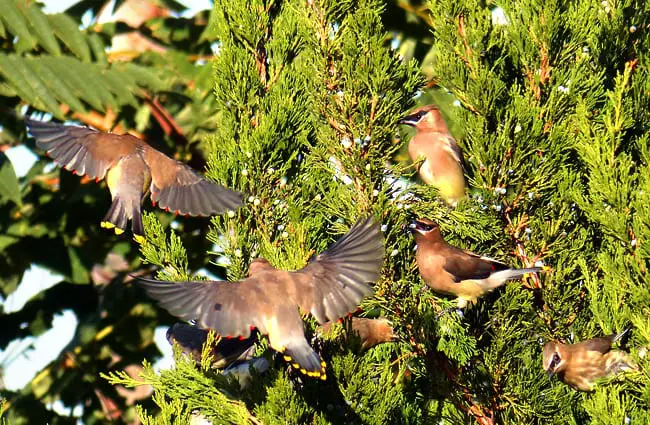
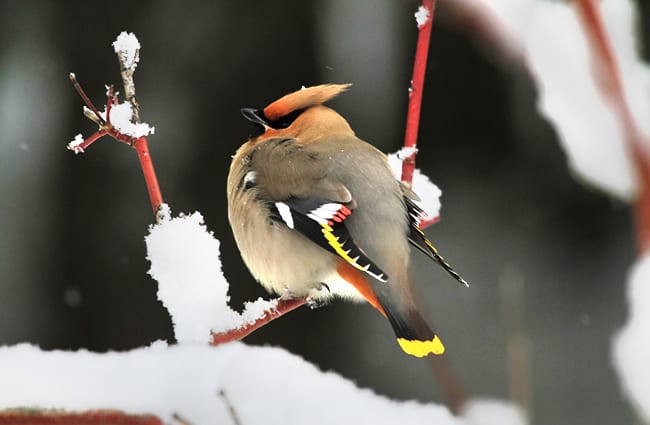
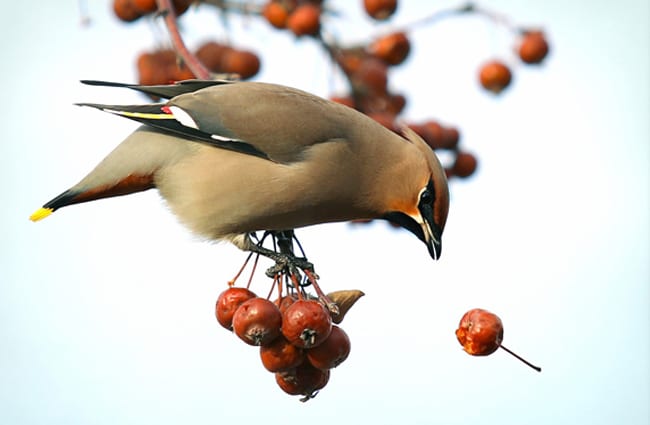
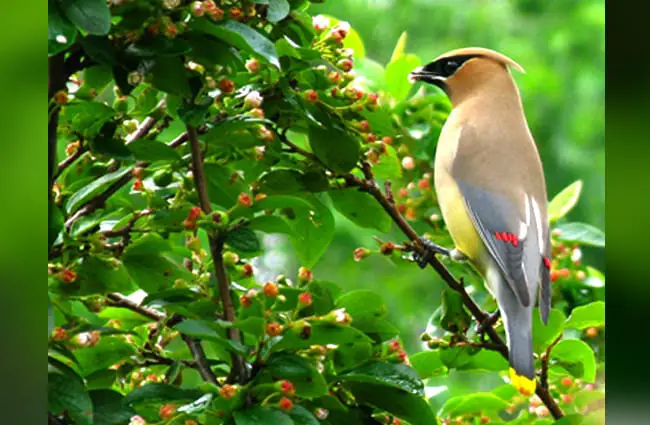
The name “waxwing” refers to a group of birds within the family Bombycillidae. There are three distinct species: the bohemian waxwing, the cedar waxwing, and the Japanese waxwing. All share a characteristic that gives them their name – waxy red tips on some of their secondary wing feathers, appearing like sealed wax droplets. These “wax” tips are more prominent in males, especially bohemian waxwings, and their number can indicate the bird’s age and health. These birds are medium sized, generally between 15 and 28 centimeters in length, and typically exhibit a sleek, crested appearance. Their plumage is predominantly soft gray and brown, offering excellent camouflage, contrasted by a black mask and throat. The cedar waxwing, found primarily in North America, is slightly smaller and more common than its bohemian cousin, which favors northern latitudes.
Habitat and Distribution
Waxwings demonstrate remarkable adaptability in their habitat preferences. While the bohemian waxwing thrives in boreal forests, taiga, and mountainous regions of Europe and Asia, the cedar waxwing occupies a broader range that includes open woodlands, orchards, and urban environments across North America. The Japanese waxwing is found in East Asia. Both species are highly nomadic, following food sources and often congregating in large flocks. This nomadic behavior means waxwings may appear irregularly in certain areas, making sightings particularly special. They prefer areas with abundant berry-producing trees and shrubs, offering a consistent food supply.
Diet and Foraging Behavior
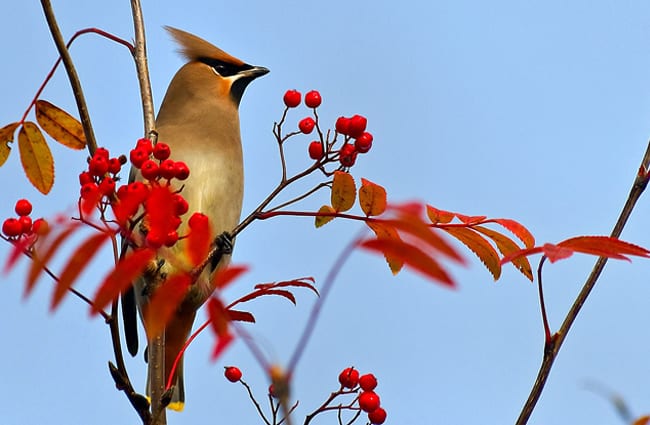
Waxwings are predominantly frugivorous, meaning their diet consists largely of fruit. Berries, cherries, and other small fruits form the cornerstone of their meals. However, they are not strictly fruit eaters. During the breeding season, they supplement their diet with insects, providing essential protein for developing chicks. They are renowned for their ability to consume large quantities of berries, and their digestive systems are adapted to process the fruit quickly, sometimes passing the seeds relatively quickly, making them effective seed dispersers. Interestingly, waxwings have a unique method of extracting juice from berries. They can swallow berries whole and then squeeze the juice from them using the muscles in their throat, discarding the seeds and pulp.
Life Cycle: Reproduction and Development
Waxwings are generally monogamous, forming pair bonds that may last for multiple breeding seasons. The breeding season varies depending on the species and geographic location, but typically occurs in late spring or summer. Nests are constructed by both parents and are typically cup-shaped structures built in the crotch of a tree branch. They are made from twigs, grasses, and lined with soft materials like fur or feathers.
Nesting and Chick Rearing
A clutch usually consists of 3 to 5 pale blue or gray eggs speckled with brown. Both parents participate in incubation, which lasts around 12 to 14 days. Chicks are altricial, meaning they are born helpless and require extensive parental care. Parents feed the chicks regurgitated fruit and insects. Young waxwings fledge, or leave the nest, after about 14 to 16 days, but continue to be fed by their parents for several weeks. The survival rate of young waxwings is relatively low, with many succumbing to predation, starvation, or harsh weather conditions.
Ecological Role and Interactions
Waxwings play a crucial role in seed dispersal, contributing to the regeneration of plant communities. By consuming fruits and excreting seeds in different locations, they help to spread plant life across the landscape. Their foraging habits also benefit other animals. They often feed in flocks, creating opportunities for other bird species to join and benefit from the disturbed fruit. Waxwings are themselves prey for birds of prey, such as hawks and falcons, as well as mammals like foxes and weasels.
Interactions with Humans
Historically, waxwings have been admired for their beauty and have featured in folklore and art. In some cultures, they are considered symbols of good luck or spiritual messengers. However, their fondness for berries can occasionally bring them into conflict with humans, particularly in orchards or gardens. Large flocks of waxwings can strip berry bushes quickly, causing economic losses. The birds’ droppings can also be a nuisance. However, the benefits they provide through seed dispersal and their aesthetic appeal generally outweigh the negative impacts.
Waxwing: A Deeper Dive
Evolutionary History
The evolutionary history of the Bombycillidae family is still being researched. Molecular studies suggest that waxwings are most closely related to the silky flycatchers (Ptiliogonatidae). The family likely originated in the northern hemisphere, diversifying over millions of years. The distinctive waxy wingtips are believed to have evolved as a form of display, attracting mates and signaling individual health and quality.
Conservation Status
While not currently considered globally threatened, some waxwing populations are experiencing declines due to habitat loss, climate change, and pesticide use. Protecting and restoring suitable habitats, reducing pesticide use, and mitigating the effects of climate change are essential for ensuring the long term survival of these captivating birds.
Care in Captivity
For zookeepers and aviculturists, providing appropriate care for waxwings requires careful attention to their specific needs. They require spacious aviaries with plenty of perches, branches, and vegetation. Their diet should consist of a variety of fruits, berries, and insects, supplemented with vitamins and minerals. Maintaining high standards of hygiene are essential to prevent the spread of disease. Providing enrichment, such as novel food items and toys, can help to stimulate their natural behaviors. Regular veterinary checkups are crucial for monitoring their health and wellbeing.
The waxwing, with its elegant plumage and intriguing behaviors, continues to captivate ornithologists and bird enthusiasts alike. By understanding their ecology, life history, and conservation needs, we can ensure that these beautiful birds continue to grace our skies for generations to come.
![Closeup of a beautiful Red Angus cowPhoto by: U.S. Department of Agriculture [pubic domain]https://creativecommons.org/licenses/by/2.0/](https://animals.net/wp-content/uploads/2020/03/Red-Angus-4-238x178.jpg "Red Angus")

![Closeup of a beautiful Red Angus cowPhoto by: U.S. Department of Agriculture [pubic domain]https://creativecommons.org/licenses/by/2.0/](https://animals.net/wp-content/uploads/2020/03/Red-Angus-4-100x75.jpg "Red Angus")