Unveiling the World of Voles: More Than Just Tiny Rodents
Often overlooked in favor of their flashier rodent cousins, voles are fascinating creatures that play a crucial role in numerous ecosystems. These small mammals, belonging to the subfamily Arvicolinae, are found across a wide range of habitats, and their behaviors and life histories are surprisingly complex. This guide provides a comprehensive look at the world of voles, from their evolutionary origins to their interactions with humans.
What Exactly Is a Vole?
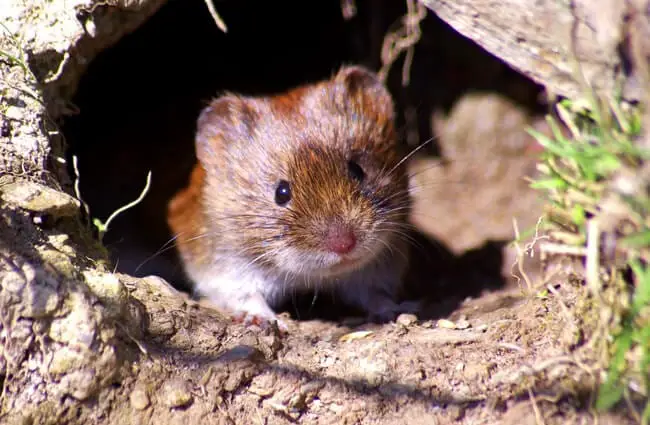
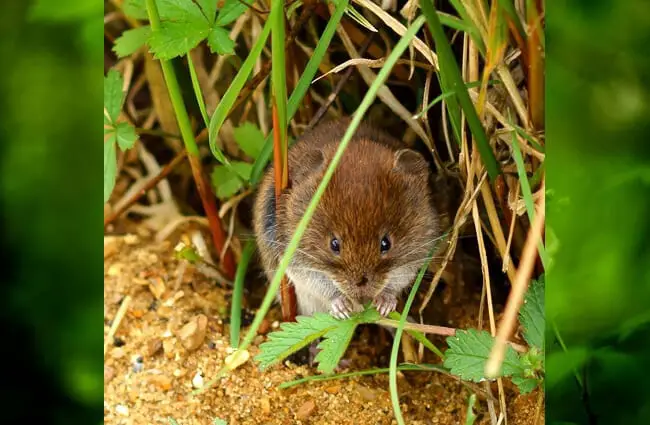
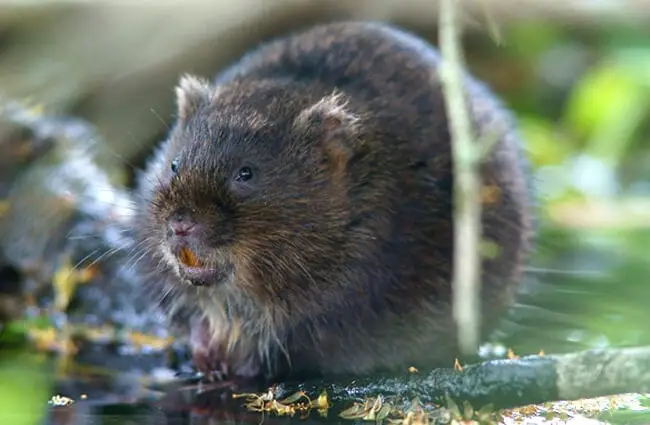
Voles are small rodents distinguished from mice and rats by their shorter tails, stockier bodies, and generally more rounded heads. They possess small eyes and ears, often concealed in their fur. Their fur is typically dense and velvety, providing excellent insulation. There are many different species of vole, with the most common including meadow voles, woodland voles, and water voles. Each species has adapted to specific environments and exhibits unique behavioral traits.
A Glimpse into Vole Evolution
The evolutionary history of voles is a story of adaptation and diversification. Their ancestors likely originated in Eurasia, and over millions of years they spread across North America and other regions. Fossil records indicate that early voles were similar to modern lemmings and likely inhabited tundra-like environments. As the climate changed, different vole lineages adapted to a wider range of habitats, leading to the diverse array of species we see today. Their ability to thrive in varying landscapes demonstrates the power of natural selection.
Habitat and Distribution: Where Do Voles Live?
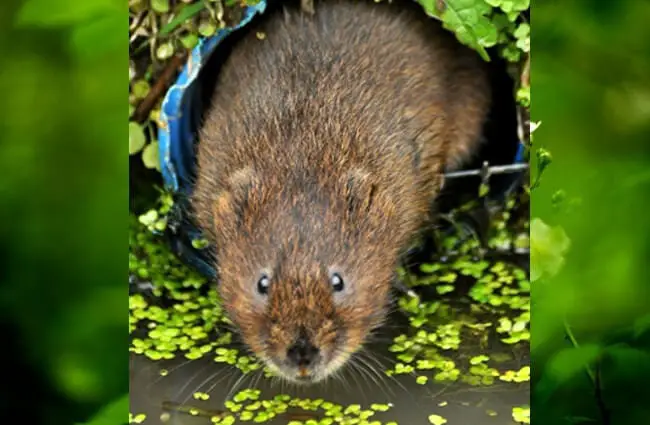
Voles exhibit a remarkable range of habitat preferences. Meadow voles, as their name suggests, favor grasslands and meadows, constructing intricate tunnel systems beneath the vegetation. Woodland voles inhabit forests and woodlands, utilizing leaf litter and undergrowth for cover. Water voles, on the other hand, are semi‑aquatic, residing near streams, rivers, and ponds. They are found in North America, Europe, and Asia, with different species dominating specific geographical regions.
Vole Diet: What Do They Eat?
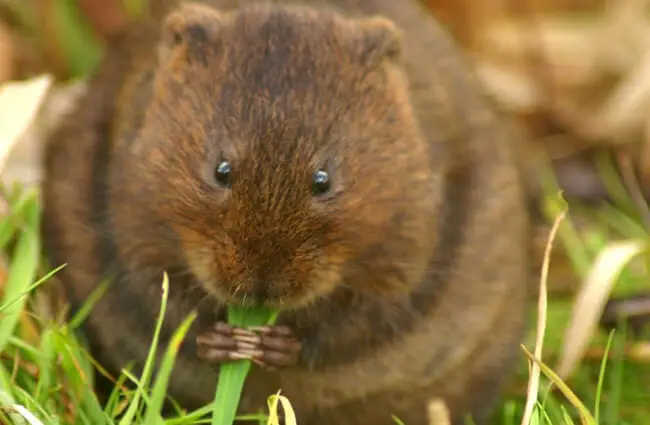
Voles are primarily herbivores, with their diet consisting of grasses, roots, seeds, and other plant material. They are opportunistic feeders, however, and may occasionally consume insects or snails. Their constantly growing incisors require regular wear, and gnawing on vegetation helps keep them in check. Water voles, in particular, have a fondness for aquatic plants. The availability of food plays a significant role in vole population dynamics.
Reproduction and Life Cycle
Voles are known for their high reproductive rates. They can breed throughout much of the year, producing multiple litters of pups. Gestation periods are relatively short, typically lasting around three to four weeks. A litter can consist of anywhere from three to ten pups, which are born blind and helpless. Pups are weaned within a few weeks and become independent relatively quickly. This rapid reproduction contributes to the vole’s ecological impact.
Ecological Roles and Interactions
Voles play a crucial role in many ecosystems. Their burrowing activities help to aerate the soil and promote plant growth. They serve as an important food source for a wide range of predators, including hawks, owls, foxes, and snakes. Furthermore, voles contribute to seed dispersal, aiding in plant propagation. Their presence or absence can significantly influence the structure and function of their habitats.
Voles and Humans: A Complicated Relationship
The relationship between voles and humans is multifaceted. While voles are not typically considered dangerous, their high reproductive rates can sometimes lead to population outbreaks, causing damage to crops, gardens, and lawns. This can result in conflicts with humans, who may resort to pest control measures. However, voles also contribute to ecosystem health, and their presence can be beneficial in certain contexts. Understanding these complexities is crucial for effective management.
Spotting Voles in the Wild: A Guide for Nature Enthusiasts
If you hope to observe voles in their natural habitat, consider exploring grasslands, meadows, woodlands, and areas near water sources. Look for signs of vole activity, such as burrow entrances, well‑worn paths, and gnawed vegetation. Voles are most active during dawn and dusk, so these are the best times to search. Remember to observe from a distance and avoid disturbing their habitat.
Vole Specifics for Zookeepers and Animal Care Professionals
Caring for voles in captivity requires providing a spacious enclosure with ample bedding material for burrowing. The diet should consist of high‑quality rodent pellets supplemented with fresh vegetables, fruits, and seeds. Enrichment is essential to stimulate natural behaviors, such as providing tunnels, nesting materials, and opportunities for foraging. Water should be available at all times, preferably in a sipper bottle. Regular health checks are crucial to detect any signs of illness or injury. Avoid overcrowding and provide separate enclosures for dominant individuals to minimize stress and aggression.
Fascinating Vole Facts
- Some vole species exhibit monogamous behavior, forming long‑term pair bonds.
- Voles are known to cache food for later consumption, creating hidden stores of seeds and roots.
- Certain vole species are highly vocal, communicating with each other through a variety of chirps, squeaks, and whistles.
- Voles play a role in the diet of many endangered predators, highlighting their importance for biodiversity.
- Water voles have experienced significant population declines in recent decades due to habitat loss and predation.
Encountering a Vole: What Should You Do?
If you encounter a vole while hiking or exploring the outdoors, it is best to observe from a distance and avoid approaching or disturbing it. Voles are generally shy and non‑aggressive, and will typically flee if threatened. Avoid handling voles, as they can carry diseases. If a vole appears sick or injured, contact a local wildlife rehabilitation center for assistance.
The Future of Vole Research and Conservation
Continued research is essential to better understand vole ecology, behavior, and conservation needs. Monitoring population trends, identifying key threats, and implementing effective habitat management strategies are crucial for ensuring the long‑term survival of these fascinating creatures. Raising public awareness about the importance of voles and their role in ecosystems is also vital for fostering conservation efforts. By working together, we can help to protect voles and the habitats they depend on.
![Closeup of a beautiful Red Angus cowPhoto by: U.S. Department of Agriculture [pubic domain]https://creativecommons.org/licenses/by/2.0/](https://animals.net/wp-content/uploads/2020/03/Red-Angus-4-238x178.jpg "Red Angus")
![Closeup of a beautiful Red Angus cowPhoto by: U.S. Department of Agriculture [pubic domain]https://creativecommons.org/licenses/by/2.0/](https://animals.net/wp-content/uploads/2020/03/Red-Angus-4-100x75.jpg "Red Angus")