The Vaquita: A Ghost of the Sea and a Beacon of Hope
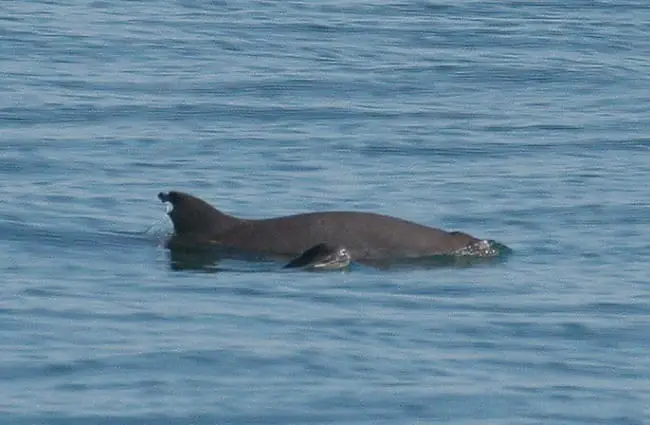
In the shimmering, turquoise waters of the Upper Gulf of California lives a creature of profound mystery and heartbreaking rarity: the Vaquita. This diminutive porpoise, often called the “panda of the sea” due to its distinctive eye patches, is not just a fascinating marine mammal; it is a symbol of our planet’s biodiversity crisis. Its story is one of unique evolution, elusive beauty, and an urgent race against time.
Unveiling the Vaquita: A Portrait of Rarity
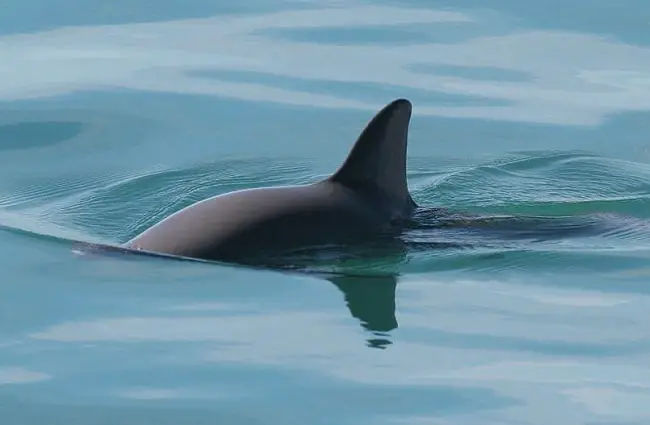
The Vaquita (Phocoena sinus) stands as the smallest cetacean in the world, a true marvel of marine adaptation. Adults typically reach lengths of about 1.5 meters (5 feet) and weigh around 50 kilograms (110 pounds), making them notably smaller than their dolphin cousins. Their sleek, torpedo-shaped bodies are perfectly adapted for navigating their shallow, coastal habitat. Distinguishing features include a dark ring around each eye, dark patches on their lips that give the appearance of a perpetual smile, and a dark stripe running from their chin to their pectoral fins. Their dorsal fin is unusually large and triangular, a characteristic that helps differentiate them from other porpoise species.
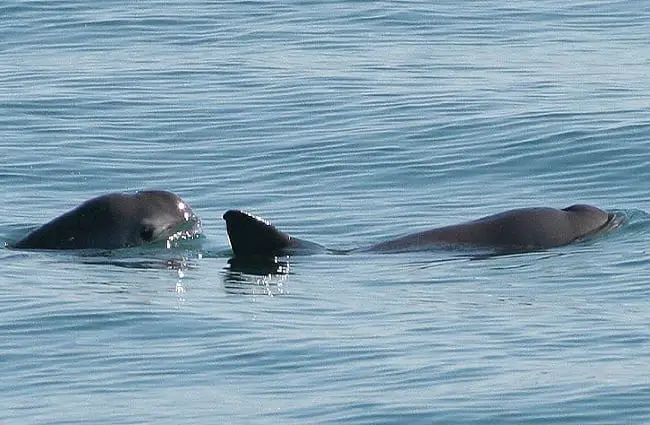
Unlike many cetaceans that travel in large, boisterous pods, Vaquitas are shy and solitary creatures, often observed alone or in small groups of two or three. This elusive nature, combined with their critically low numbers, makes them incredibly difficult to study and even harder to spot in the wild.
A Home Like No Other: The Vaquita’s Exclusive Habitat
The Vaquita’s world is incredibly specific and tragically small. This species is endemic to a tiny corner of our planet: the northernmost part of the Gulf of California, also known as the Sea of Cortez, off the coast of Mexico. This unique marine environment is characterized by shallow, turbid waters, often less than 50 meters (164 feet) deep, with strong tidal currents and a rich supply of nutrients flowing in from the Colorado River delta. The water temperature here fluctuates significantly throughout the year, from cool in winter to warm in summer, a range that the Vaquita is uniquely adapted to endure.
This restricted range means that the Vaquita’s survival is inextricably linked to the health of this specific ecosystem. Any disturbance or threat within this small area has a disproportionately large impact on the entire species. The habitat provides a unique blend of conditions suitable for their preferred prey and offers protection from larger predators, though human activities have unfortunately become the most significant threat.
An Ancient Lineage: The Vaquita’s Evolutionary Journey
The Vaquita’s evolutionary history is a fascinating tale of adaptation and isolation. As a member of the porpoise family (Phocoenidae), it shares a common ancestor with other porpoises, diverging from dolphins millions of years ago. Porpoises are generally smaller and more robust than dolphins, with spade-shaped teeth instead of conical ones. The Vaquita is believed to have evolved in relative isolation within the Gulf of California, adapting over millennia to the specific conditions of its shallow, nutrient-rich waters. This isolation has led to its unique genetic makeup and specialized adaptations, making it a distinct and irreplaceable branch on the tree of life.
Its small size and specific habitat preferences are key evolutionary traits. The turbid waters may have favored its highly developed echolocation system, allowing it to navigate and hunt effectively in low visibility. The Vaquita’s lineage underscores the importance of unique regional ecosystems in fostering biodiversity.
The Vaquita’s Menu: A Glimpse into its Diet and Ecosystem Role
As a predator at the top of its localized food web, the Vaquita plays an important role in maintaining the balance of its ecosystem. Its diet consists primarily of small, bottom-dwelling fish and cephalopods found in its shallow habitat. Studies of stomach contents have revealed a preference for species such as croakers, grunts, squid, and various types of crustaceans. Vaquitas use their sophisticated echolocation abilities to locate prey in the often murky waters, emitting high-frequency clicks and interpreting the returning echoes to form a detailed acoustic map of their surroundings.
By preying on these species, Vaquitas help regulate their populations, contributing to the overall health and stability of the Upper Gulf’s marine community. Their presence indicates a healthy and productive ecosystem, making their decline a warning sign for the entire region.
Life’s Cycle: Mating, Reproduction, and the Future of the Species
The reproductive cycle of the Vaquita is slow, a factor that significantly hinders its recovery from critically low numbers. Vaquitas typically reach sexual maturity around three to six years of age. Mating is thought to occur in the spring and summer months, followed by a gestation period of approximately 10 to 11 months. Females give birth to a single calf, usually between February and April, in the warmer, calmer waters of their habitat.
Calves are nursed for an extended period, possibly up to a year, during which they learn essential survival skills from their mothers. The interval between births for a female Vaquita is estimated to be around two years, meaning that even under ideal conditions, population growth is inherently slow. This low reproductive rate makes every individual Vaquita incredibly precious and every loss a devastating blow to the species’ future.
Vaquitas and Humanity: A Complex and Tragic Interaction
The interaction between Vaquitas and humans is a poignant narrative of unintended consequences and a desperate struggle for survival. Unlike many charismatic megafauna, Vaquitas have never been hunted directly for their meat or blubber, nor have they played a significant role in traditional human cultures or folklore. Their elusive nature and restricted habitat meant they remained largely unknown to the wider world until their plight became critical.
The primary threat to the Vaquita is accidental entanglement in gillnets used for fishing, particularly those targeting the Totoaba fish. The Totoaba, an endangered species itself, is highly prized in illegal markets, especially in Asia, for its swim bladder, which is believed to have medicinal properties. Despite a ban on gillnets in the Vaquita’s habitat, illegal fishing persists, leading to the tragic bycatch of these porpoises. This interaction is purely negative, driven by human demand for another species, inadvertently pushing the Vaquita to the brink of extinction.
Conservation efforts, spearheaded by Mexican authorities and international organizations, involve patrolling the exclusion zone, removing illegal nets, and developing alternative fishing gear. However, the economic pressures on local fishing communities and the lucrative nature of the illegal Totoaba trade present immense challenges.
For the Aspiring Zoologist: Deeper Insights into Vaquita Biology
For those aspiring to delve deeper into marine biology, the Vaquita offers a compelling case study in specialized adaptation and conservation challenges.
- Acoustic Communication: Vaquitas communicate and navigate using high-frequency clicks, much like bats. Their vocalizations are distinct from other porpoises, further highlighting their unique evolutionary path. Studying these acoustics is crucial for monitoring their presence and understanding their behavior in their turbid environment.
- Physiological Adaptations: Their robust body shape and large dorsal fin are thought to be adaptations for navigating strong currents and shallow waters. Their ability to tolerate a wide range of water temperatures is also a testament to their resilience within their specific habitat.
- Genetic Bottleneck: The extremely small population size has led to a severe genetic bottleneck. While some studies suggest Vaquitas may have historically low genetic diversity, the current situation raises concerns about inbreeding depression and the species’ long-term viability. Understanding their genetic health is paramount for future conservation strategies.
Encountering a Vaquita: What to Do (and Why It’s Unlikely)
For the animal lover dreaming of spotting a Vaquita in the wild, or the hypothetical hiker who might encounter one, it is crucial to understand the reality of their situation. Finding a Vaquita in the wild is extraordinarily difficult, bordering on impossible, due to their critically low numbers and shy nature. The current population is estimated to be fewer than 15 individuals, confined to a small, protected area of the Upper Gulf of California.
Where and How to Find One:
The only place Vaquitas exist is in the Upper Gulf of California, Mexico. However, active searches by the public are strongly discouraged and, in fact, restricted. The area is heavily monitored by conservationists and authorities to protect the remaining individuals from any disturbance, including well-meaning observers. Any attempt to locate them would likely interfere with critical research and protection efforts. The best way to “find” a Vaquita is to support conservation organizations working directly on their protection.
If You Hypothetically Encounter a Vaquita:
Should an unimaginably rare encounter occur (for instance, if you were part of an authorized research team), the protocol would be clear:
- Maintain Distance: Keep a significant distance to avoid disturbing the animal.
- Observe Silently: Avoid sudden movements, loud noises, or any actions that could cause stress.
- Do Not Interact: Never attempt to touch, feed, or swim with the animal. Wild animals, especially endangered ones, should be left undisturbed.
- Report to Authorities: If you are part of an authorized group, follow established reporting procedures to document the sighting without compromising the animal’s well-being.
For the general public, encountering a Vaquita is not a realistic scenario, and the focus should remain on supporting their survival through conservation.
Caring for a Vaquita in Captivity: A Zookeeper’s Hypothetical Challenge
The idea of caring for a Vaquita in captivity is a complex and largely theoretical discussion. Currently, there are no Vaquitas in captivity, and the species is considered unsuitable for such an environment due to its extreme shyness, specialized habitat needs, and the immense stress that capture would impose on such a critically endangered population. However, if a hypothetical scenario arose where a Vaquita needed temporary captive care (e.g., for rehabilitation after injury), a zookeeper would face unprecedented challenges.
Tasks and Considerations:
- Habitat Replication: Recreating the specific shallow, turbid, and temperature-variable waters of the Upper Gulf of California would be extremely difficult. Water quality, salinity, and temperature would need constant, precise monitoring.
- Dietary Needs: Providing a consistent supply of their specific prey species (small bottom-dwelling fish, squid) would be essential, requiring careful sourcing and nutritional analysis.
- Stress Reduction: Vaquitas are incredibly sensitive. Any captive environment would need to be designed to minimize stress, with quiet surroundings, ample space, and minimal human interaction. Acoustic monitoring would be vital to assess their well-being.
- Veterinary Care: Developing specialized veterinary protocols for a species never before kept in captivity would require extensive research and collaboration with marine mammal experts.
- Social Structure: Understanding and replicating their solitary or small-group social dynamics would be crucial.
What to Avoid:
- Forced Interaction: Any attempts at training, public display, or excessive handling would be detrimental.
- Unsuitable Enclosures: Small, barren tanks would be entirely inappropriate.
- Inconsistent Environment: Fluctuations in water quality, temperature, or noise levels would be highly stressful.
- Inadequate Diet: Feeding inappropriate or insufficient food would lead to health issues.
The consensus among conservationists is that the Vaquita’s best chance for survival lies in protecting its natural habitat and eliminating the threats within it, rather than attempting captive breeding or rescue, which carries too high a risk for such a fragile population.
A Huge List of Interesting Vaquita Facts
The Vaquita, despite its rarity, is full of fascinating details:
- Smallest Cetacean: It holds the record as the smallest of all whales, dolphins, and porpoises.
- Endemic to One Place: Its entire natural range is limited to a small area of the Upper Gulf of California, making it one of the most geographically restricted marine mammals.
- “Panda of the Sea”: This nickname comes from the distinctive dark rings around its eyes.
- Shy and Elusive: Vaquitas are notoriously difficult to spot, preferring to avoid boats and human presence.
- Unique Dorsal Fin: Its tall, triangular dorsal fin is a key identifying feature.
- High-Frequency Echolocation: They navigate and hunt using sophisticated sonar, emitting clicks at frequencies higher than most other porpoises.
- Critically Endangered: With fewer than 15 individuals remaining, it is the most endangered marine mammal on Earth.
- Bycatch Victim: The primary threat to its survival is accidental entanglement in illegal gillnets, particularly those set for the Totoaba fish.
- Slow Reproduction: Females give birth to only one calf every two years, hindering population recovery.
- Discovered Recently: The Vaquita was only formally described as a species in 1958, making it a relatively recent scientific discovery.
- No Captive Individuals: There are no Vaquitas in zoos or aquariums, and conservation efforts focus solely on protecting them in their natural habitat.
- Indicator Species: Its health reflects the overall health of the Upper Gulf of California ecosystem.
The Future of the Vaquita: A Call to Action
The story of the Vaquita is a stark reminder of the delicate balance of our ecosystems and the profound impact of human activities. This small, shy porpoise, a unique product of millions of years of evolution, stands on the precipice of extinction. Its survival is not just a matter for scientists and conservationists; it is a global responsibility.
Protecting the Vaquita means protecting its unique habitat, supporting sustainable fishing practices, and combating illegal wildlife trade. It means empowering local communities and fostering a global understanding of why every species, no matter how small or elusive, holds intrinsic value and contributes to the rich tapestry of life on Earth. The Vaquita’s fight for survival is our fight for a healthier planet, a testament to our commitment to preserving the wonders of the natural world for generations to come.
![Closeup of a beautiful Red Angus cowPhoto by: U.S. Department of Agriculture [pubic domain]https://creativecommons.org/licenses/by/2.0/](https://animals.net/wp-content/uploads/2020/03/Red-Angus-4-238x178.jpg "Red Angus")
![Closeup of a beautiful Red Angus cowPhoto by: U.S. Department of Agriculture [pubic domain]https://creativecommons.org/licenses/by/2.0/](https://animals.net/wp-content/uploads/2020/03/Red-Angus-4-100x75.jpg "Red Angus")