
The natural world is a tapestry woven with countless wonders, and among its most dazzling threads are the tiger beetles. These captivating insects, often overlooked, are true marvels of evolution, embodying speed, precision, and a predatory prowess that earns them their formidable name. From their iridescent armor to their lightning-fast hunts, tiger beetles offer a glimpse into the intricate dance of life and survival in miniature.
Join us on an exploration of these fascinating creatures, delving into their lives, their role in the ecosystem, and what makes them such compelling subjects for both seasoned zoologists and curious nature enthusiasts alike.
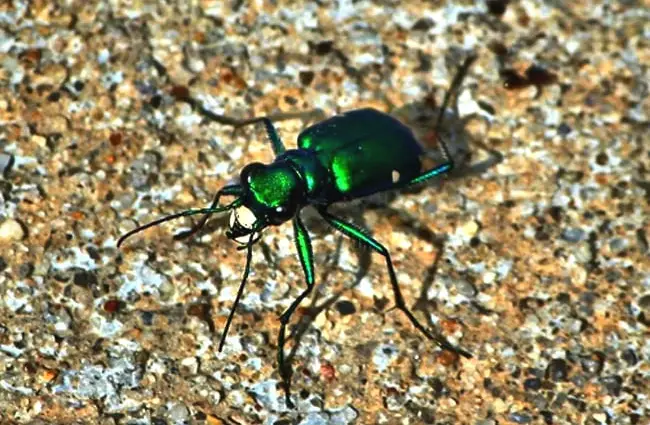
Meet the Tiger Beetle: Nature’s Sprinting Jewel
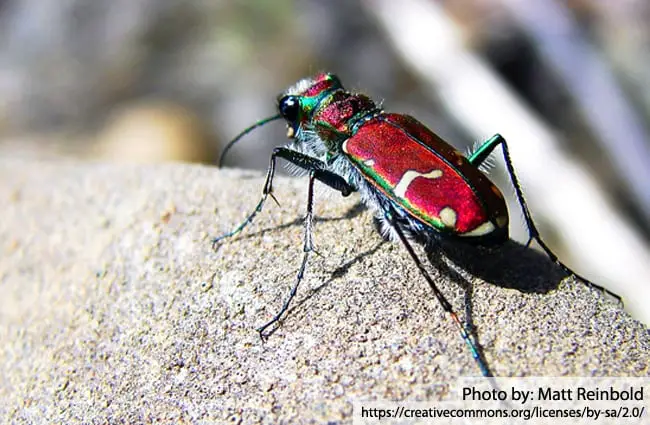
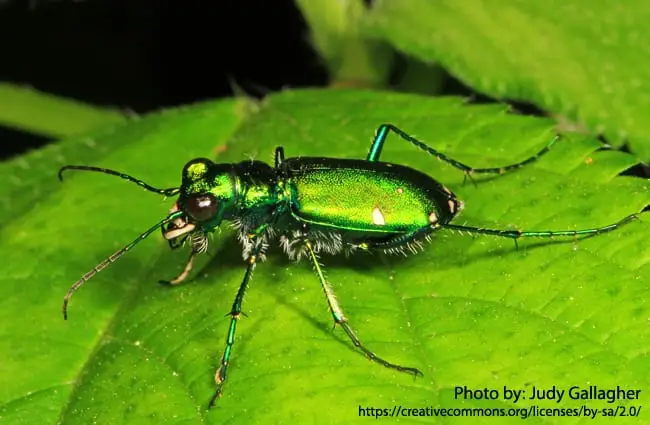
Tiger beetles, scientifically classified within the family Carabidae and subfamily Cicindelinae, are a diverse group of beetles renowned for their striking appearance and incredible speed. With over 2,600 known species found across the globe, they exhibit a remarkable array of colors, often metallic greens, blues, coppers, and purples, making them living jewels of the insect world.
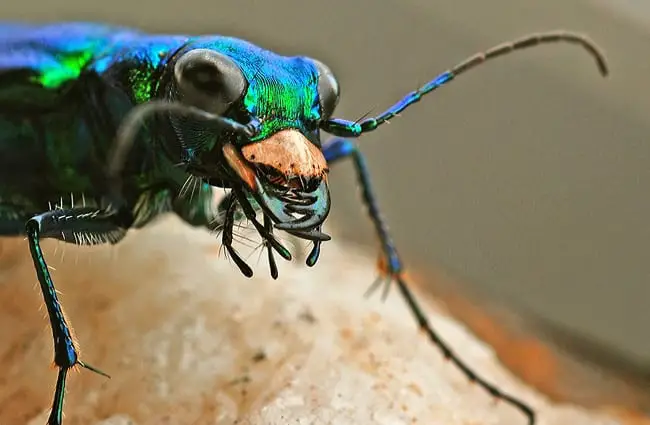
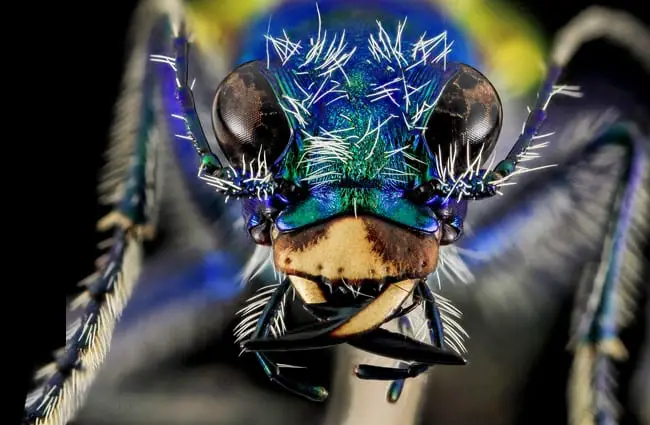
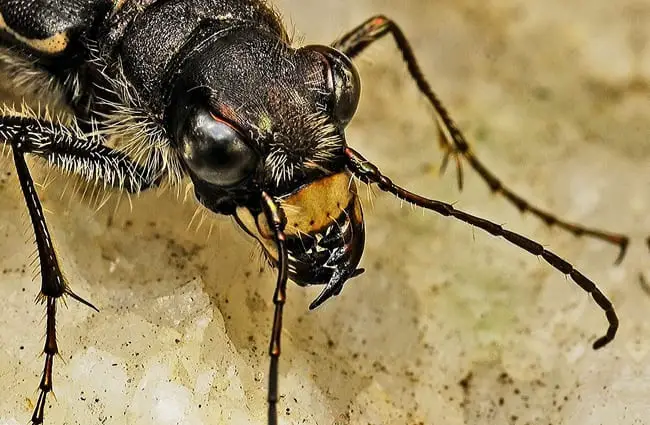
Their most distinguishing features include large, prominent eyes that provide excellent vision, long, slender legs built for rapid locomotion, and powerful, sickle-shaped mandibles designed for capturing prey. These attributes combine to create an insect that is not only beautiful but also an exceptionally efficient predator.
A Blur of Motion: The Speed Demons of the Insect World
One of the most astonishing facts about adult tiger beetles is their incredible speed. Some species can run at speeds exceeding 5.6 miles per hour relative to their body size, making them among the fastest land animals on Earth in proportion to their length. This blistering pace, however, comes with a unique challenge: they run so fast that their eyes cannot process visual information quickly enough. This phenomenon, often termed “blind running,” means they must periodically stop to reorient themselves and locate their prey before resuming the chase. It is a testament to their evolutionary adaptations, balancing extreme speed with the necessity of precise hunting.
Where to Find Them: Habitats and Distribution
Tiger beetles are cosmopolitan, meaning they can be found on nearly every continent, with the exception of Antarctica. Their adaptability allows them to thrive in a wide range of environments, though they generally prefer open, sunny habitats where they can easily spot and pursue prey.
- Sandy Shores and Riverbanks: Many species are specialists of sandy habitats, including ocean beaches, lake shores, and riverbanks. The loose substrate is ideal for digging their larval burrows.
- Desert Landscapes: Arid regions host several unique species adapted to extreme temperatures and sparse vegetation.
- Forest Paths and Clearings: Some tiger beetles prefer the dappled sunlight of forest edges, trails, and clearings, often blending in with leaf litter.
- Salt Flats and Alkaline Soils: Certain species have evolved to tolerate harsh, saline environments.
For an animal lover hoping to spot a tiger beetle in the wild, the best approach is to visit these preferred habitats on a warm, sunny day. Look for movement on the ground, as their metallic sheen often catches the light. They are typically active during the day, especially when temperatures are favorable for their high-speed pursuits.
The Hunter’s Life: Diet and Predatory Strategies
Both adult and larval tiger beetles are voracious predators, playing a crucial role in controlling insect populations within their ecosystems. Their diet primarily consists of other small invertebrates.
Adult Diet
Adult tiger beetles are active hunters, relying on their keen eyesight and speed to ambush or chase down prey. Their diet includes:
- Flies
- Ants
- Small caterpillars
- Spiders
- Other small insects
Once caught, the prey is quickly dispatched with their powerful mandibles, which are capable of crushing exoskeletons.
Larval Diet and Ambush Tactics
The larval stage of the tiger beetle is equally fascinating and predatory, though their hunting strategy differs significantly. Tiger beetle larvae are ambush predators, living in vertical burrows in the soil. They are equipped with a unique, flattened head that acts as a trapdoor, perfectly camouflaged with the surrounding substrate. A hook-like structure on their fifth abdominal segment allows them to anchor themselves firmly within their burrow.
When an unsuspecting insect, such as an ant or a small beetle, walks past the burrow entrance, the larva lunges out with astonishing speed, seizing the prey with its powerful mandibles and dragging it back into the burrow to consume. This sit-and-wait strategy is highly effective and demonstrates a remarkable adaptation to their subterranean lifestyle.
Life’s Journey: Mating and Reproduction
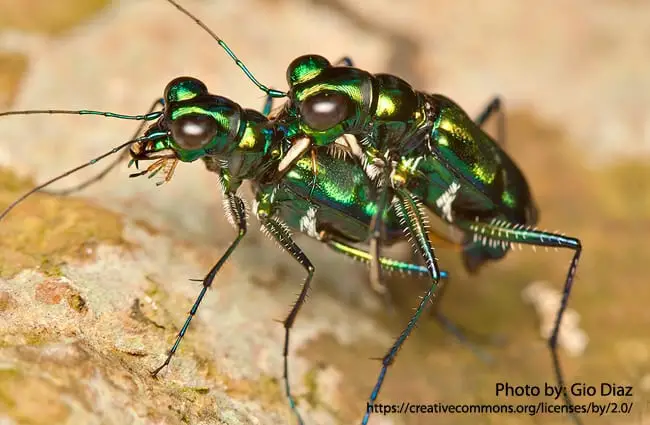
The life cycle of a tiger beetle involves complete metamorphosis, progressing through egg, larva, pupa, and adult stages. The reproductive process is a complex dance, often beginning with the male’s pursuit of a female.
Courtship and Mating
During courtship, the male often uses his mandibles to grasp the female’s thorax, holding her firmly in place during copulation. This behavior can sometimes appear aggressive, but it is a common part of their mating ritual, ensuring successful reproduction. After mating, the female lays her eggs individually in the soil, often choosing locations with suitable conditions for larval development, such as moist, sandy substrates.
Larval Development and Pupation
Once hatched, the larvae immediately begin constructing their characteristic vertical burrows. They will typically undergo several instars, or developmental stages, growing larger with each molt. This larval stage can last for one to several years, depending on the species and environmental conditions, during which they remain hidden predators in their burrows.
When fully grown, the larva seals its burrow and pupates within a specially constructed chamber. During pupation, the insect undergoes a dramatic transformation, reorganizing its body plan from a worm-like larva to a winged adult. After a period of weeks or months, the adult beetle emerges, ready to begin its aerial and terrestrial life, mate, and continue the cycle.
An Ancient Lineage: Evolutionary History
Tiger beetles boast an ancient lineage, with fossil records indicating their presence dating back tens of millions of years. Their evolutionary success can be attributed to a combination of highly effective predatory adaptations, including their speed, vision, and powerful mandibles, as well as their ability to adapt to diverse habitats.
The iridescent coloration seen in many species is not just for show. It is believed to serve multiple purposes, including camouflage by breaking up their outline against varied backgrounds, thermoregulation by reflecting sunlight, and potentially signaling to mates or deterring predators. The intricate patterns and colors are a testament to millions of years of natural selection, refining these insects into the efficient and beautiful creatures we see today.
Ecosystem Contributions and Interactions
Tiger beetles are more than just pretty faces and fast runners; they are vital components of their ecosystems.
- Pest Control: As prolific predators of other insects, both adults and larvae help regulate populations of various invertebrates, including potential agricultural pests.
- Food Source: While formidable hunters, tiger beetles themselves become prey for a variety of animals, including birds, lizards, frogs, and larger predatory insects. They form an important link in the food web.
- Bioindicators: Due to their specific habitat requirements and sensitivity to environmental changes, some tiger beetle species are considered excellent bioindicators. Their presence or absence can signal the health and quality of an ecosystem, making them valuable subjects for ecological monitoring.
Tiger Beetles and Humanity
Cultural Significance
While not as widely recognized as butterflies or honeybees, tiger beetles have captured the attention of entomologists and collectors for centuries due to their beauty and unique behaviors. Their striking colors have inspired jewelry designs and artistic representations, particularly in cultures that appreciate the intricate beauty of insects. In some regions, their presence is simply a part of the natural landscape, observed and appreciated by those who take the time to notice the smaller wonders of the world.
Encountering a Tiger Beetle in the Wild
For hikers and nature enthusiasts, encountering a tiger beetle is a delightful experience. These insects are generally harmless to humans. If you spot one, the best course of action is simply to observe it from a respectful distance. They are often quite skittish and will fly or run away if approached too closely. There is no need to intervene or attempt to handle them, as their powerful mandibles, while not a threat to humans, can deliver a pinch if they feel threatened. Simply enjoy the spectacle of their speed and iridescent beauty.
Caring for Tiger Beetles in Captivity
Keeping tiger beetles in captivity is primarily undertaken by researchers or highly experienced entomologists, as they have very specific needs. They are not suitable as typical pets. For a zookeeper or researcher tasked with their care, several critical factors must be managed:
- Enclosure: A spacious terrarium with ample substrate mimicking their natural habitat is essential. For ground-dwelling adults, a mix of sand and soil is ideal. For larvae, deep, undisturbed soil or sand is crucial for burrow construction.
- Temperature and Humidity: These must be carefully controlled to match the species’ native environment. Many species require warm temperatures and specific humidity levels, often achieved through misting or a water dish.
- Diet: Live prey is a must. Adult tiger beetles require a constant supply of small, live insects such as crickets, fruit flies, or small mealworms. Larvae will require live prey dropped near their burrow entrances.
- Lighting: A full-spectrum light source can be beneficial, mimicking natural sunlight cycles.
- Avoidance:
- Do not house multiple adult males together unless the enclosure is very large, as they can be territorial.
- Avoid handling them excessively, as it causes stress and can damage their delicate bodies.
- Do not feed them dead insects, as they are primarily attracted to movement.
- Ensure the enclosure is escape-proof, as they are agile and can fly.
A Huge List of Interesting Facts About Tiger Beetles
- Blinding Speed: As mentioned, some species are so fast they temporarily “blind” themselves while running, requiring them to stop and reorient.
- Exceptional Vision: Despite the “blind running” phenomenon, their large compound eyes provide an almost 360-degree field of vision, crucial for spotting prey and predators.
- Mandible Power: Their mandibles are incredibly strong and sharp, capable of cleanly severing the heads of their prey.
- Iridescent Colors: The vibrant, metallic colors are structural, meaning they are created by the microscopic structure of their exoskeleton reflecting light, rather than pigments.
- Global Diversity: With over 2,600 species, they are found in almost every terrestrial habitat worldwide, from deserts to rainforests.
- Larval Traps: Tiger beetle larvae are often called “doodlebugs” in some regions, a name also applied to antlion larvae, due to their similar pit-trap hunting methods.
- Long Lifespan (for an insect): While adults may only live for a few months, the larval stage can last for several years, making their total lifespan relatively long for an insect.
- Habitat Specificity: Many species are highly specialized to particular microhabitats, making them sensitive indicators of environmental health.
- Flight Capabilities: Most adult tiger beetles are excellent flyers, using their wings to escape danger or move between hunting grounds.
- Chemical Defenses: Some species can produce defensive chemicals when threatened, deterring predators.
- Nocturnal Hunters: While most are diurnal, a few species are active at night, adapted to hunt under moonlight.
From their dazzling appearance to their incredible hunting prowess, tiger beetles are truly one of nature’s most captivating creations. They remind us that even the smallest inhabitants of our planet hold immense ecological significance and offer endless opportunities for discovery and appreciation. So, the next time you are out in nature, keep an eye out for these sprinting jewels; you might just witness a miniature marvel in action.




![Closeup of a beautiful Red Angus cowPhoto by: U.S. Department of Agriculture [pubic domain]https://creativecommons.org/licenses/by/2.0/](https://animals.net/wp-content/uploads/2020/03/Red-Angus-4-100x75.jpg "Red Angus")


