
The tiger, a creature of unparalleled majesty and power, stands as an enduring symbol of the wild. Its striking striped coat, piercing gaze, and formidable presence have captivated human imagination for millennia. Far more than just a beautiful predator, the tiger is a keystone species, an apex hunter whose very existence shapes the ecosystems it inhabits. Delving into the world of the tiger reveals a complex tapestry of biology, behavior, and ecological significance, offering profound insights into the natural world.
The Striped Monarch: An Introduction to Tiger Biology
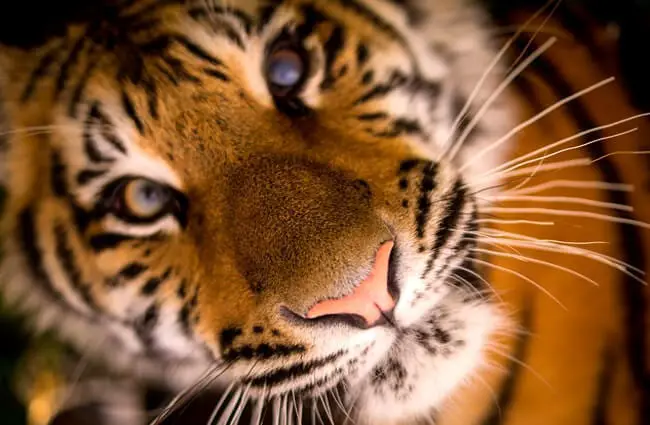
Tigers, scientifically known as Panthera tigris, are the largest of all wild cats, renowned for their distinctive orange to reddish-ochre coats marked with a unique pattern of dark, vertical stripes. These stripes are not merely superficial; they extend to the skin itself, providing exceptional camouflage within the dappled light of their forest and grassland habitats. Each tiger’s stripe pattern is as unique as a human fingerprint, allowing for individual identification.
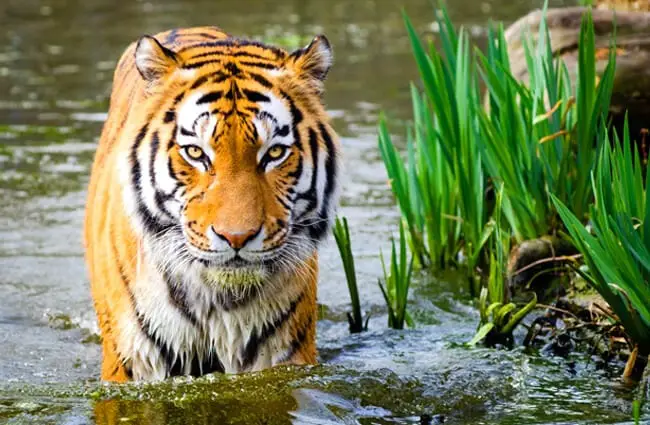
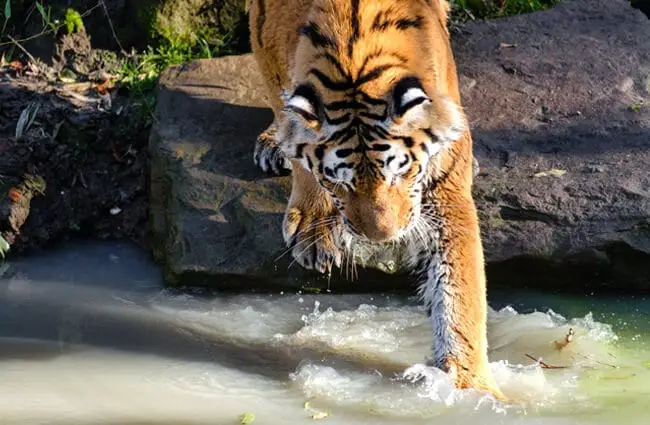
These magnificent felines possess powerful bodies built for ambush hunting. Their muscular limbs, sharp retractable claws, and formidable jaws equipped with long canines are perfectly adapted for taking down large prey. Tigers are also surprisingly agile and strong swimmers, often taking to water to cool off or to pursue prey.
Tiger Subspecies: A Tapestry of Diversity
Historically, nine tiger subspecies roamed Asia, each adapted to its specific environment. Tragically, three of these, the Bali, Javan, and Caspian tigers, are now extinct. The remaining six subspecies are critically endangered, highlighting the urgent need for conservation efforts:
- Bengal Tiger (Panthera tigris tigris): Found primarily in India, Bangladesh, Nepal, and Bhutan.
- Indochinese Tiger (Panthera tigris corbetti): Inhabits parts of Thailand, Myanmar, Laos, Vietnam, Cambodia, and Malaysia.
- Malayan Tiger (Panthera tigris jacksoni): Endemic to the Malay Peninsula.
- Sumatran Tiger (Panthera tigris sumatrae): Exclusively found on the Indonesian island of Sumatra.
- Siberian Tiger (Panthera tigris altaica): Also known as the Amur tiger, it is the largest subspecies, found in the Russian Far East and northeastern China.
- South China Tiger (Panthera tigris amoyensis): Believed to be functionally extinct in the wild, with only a few individuals remaining in captivity.
Beyond these recognized subspecies, genetic studies continue to refine our understanding of tiger populations, revealing subtle distinctions and relationships that are crucial for targeted conservation strategies.
A Journey Through Time: Tiger Evolution
The evolutionary history of the tiger is a fascinating journey spanning millions of years. While the exact lineage is still debated among scientists, genetic evidence suggests that the genus Panthera, which includes lions, jaguars, leopards, and tigers, originated in Asia. The earliest tiger-like fossils have been found in China, dating back approximately two million years.
Tigers likely evolved from a common ancestor with other big cats, adapting over time to become the solitary, stripe-patterned hunters we know today. Their expansion across Asia was influenced by climatic shifts and the availability of prey, leading to the diversification into various subspecies, each uniquely suited to its regional habitat. The iconic stripes, for instance, are thought to have evolved as a highly effective camouflage in the dense vegetation of their ancestral forests.
Where the Wild Things Roam: Tiger Habitat and Distribution
Tigers are incredibly adaptable, occupying a diverse range of habitats across Asia, from the frigid taiga forests of Siberia to the tropical rainforests of Sumatra and the mangrove swamps of the Sundarbans. Their historical range was vast, stretching from Turkey in the west to Russia’s Pacific coast in the east, and south to the Indonesian islands.
Today, their distribution is severely fragmented, with populations confined to isolated pockets. Key habitats include:
- Tropical and Subtropical Forests: Dense cover, abundant prey, and access to water are crucial.
- Grasslands and Savannas: Areas with tall grasses provide excellent camouflage for stalking prey.
- Mangrove Swamps: The Sundarbans, a unique ecosystem shared by India and Bangladesh, is home to tigers adapted to a semi-aquatic life.
- Temperate Forests: The Siberian tiger thrives in the snowy, coniferous forests of the Russian Far East.
For an animal lover hoping to find a tiger in the wild, the experience is incredibly rare and requires careful planning, ethical considerations, and often, significant financial investment. The best places for potential sightings are protected national parks and reserves in countries like India (e.g., Ranthambore, Bandhavgarh, Corbett), Nepal (e.g., Bardia, Chitwan), and Russia (e.g., Sikhote-Alin Biosphere Reserve). It is imperative to always go with experienced, reputable guides who prioritize the animals’ welfare and follow strict park regulations. Remember, observing a tiger in its natural habitat is a privilege, not a guarantee, and requires immense patience and respect for wildlife.
The Apex Predator’s Plate: Tiger Diet and Hunting
As obligate carnivores, tigers rely entirely on meat for their sustenance. They are apex predators, meaning they sit at the very top of their food chain, playing a vital role in maintaining the health and balance of their ecosystems. Their diet is incredibly varied, depending on the region and availability of prey, but typically consists of large and medium-sized ungulates.
Common prey animals include:
- Deer species (sambar, chital, barking deer)
- Wild boar
- Buffalo and gaur
- Antelope
- Occasionally, smaller animals like monkeys, peafowl, and even fish or crocodiles.
Tigers are solitary hunters, primarily active at dawn, dusk, and throughout the night. They employ a stealthy ambush strategy, using their powerful muscles and camouflage to stalk prey silently before launching a sudden, explosive attack. They typically aim for the neck or throat to deliver a swift, fatal bite. A successful hunt can provide a tiger with enough food for several days, and they often drag their kill to a secluded spot to feed undisturbed.
The Circle of Life: Mating and Reproduction
Tigers are generally solitary animals, coming together only for mating. Females typically reach sexual maturity around three to four years of age, while males mature slightly later, at four to five years. Mating can occur year-round, but there may be peaks in certain seasons depending on the region.
When a female is receptive, she will signal her readiness through scent marking and vocalizations. Males will compete for the right to mate, sometimes engaging in fierce battles. After a successful mating, the pair will separate, and the male plays no role in raising the cubs.
The gestation period for a tigress is approximately 93 to 112 days, after which she gives birth to a litter of two to four cubs in a secluded den, often in dense vegetation, caves, or rocky crevices. The cubs are born blind and helpless, weighing only about 2 to 3 pounds. Their survival depends entirely on their mother’s care and protection.
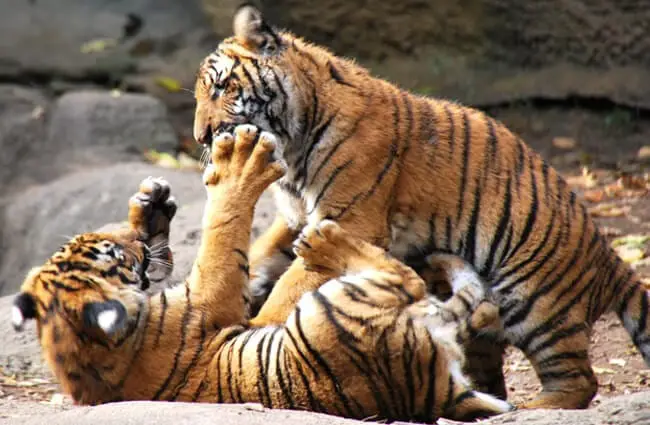
The mother tiger is fiercely protective and dedicated. She nurses her cubs for about three to six months, gradually introducing them to meat. For the next 18 to 24 months, she teaches them essential hunting and survival skills. During this period, the cubs learn by observing and mimicking their mother, practicing stalking, pouncing, and killing techniques. Once they are proficient hunters and capable of fending for themselves, they disperse to establish their own territories, continuing the cycle of life in the wild.
Tigers in the Web of Life: Ecosystem Contributions and Interactions
As apex predators, tigers are indispensable to the health and biodiversity of their ecosystems. Their presence signifies a thriving environment, often acting as an “umbrella species” whose conservation benefits countless other species sharing their habitat.
Their primary contribution is regulating prey populations. By preying on herbivores, tigers prevent overgrazing, which in turn allows vegetation to flourish. This balance supports a wider array of plant and animal life, from insects to smaller predators. Without tigers, herbivore populations could explode, leading to habitat degradation and a cascade of negative effects throughout the food web.
Tigers interact with a variety of other animals, though usually in a predatory or territorial context. They compete with other large carnivores like leopards and dholes (Asian wild dogs) for prey, though direct confrontations are rare. Scavengers like jackals and vultures often benefit from tiger kills, cleaning up carcasses and preventing disease spread. Their presence also influences the behavior of smaller animals, keeping them vigilant and contributing to natural selection.
Tigers and Humanity: Culture, Conflict, and Coexistence
The tiger’s powerful image has deeply permeated human culture across Asia and beyond. It is a creature revered, feared, and admired, embodying strength, courage, and majesty.
Tiger’s Contribution to Human Culture
In many Asian cultures, the tiger is a sacred animal, often associated with deities, royalty, and protection. It features prominently in:
- Mythology and Folklore: Tales of tiger gods, spirits, and shapeshifters are common, reflecting both awe and respect.
- Art and Literature: From ancient cave paintings to modern novels, the tiger is a recurring motif symbolizing power, beauty, and the untamed wild.
- Symbolism: It is a national animal for several countries, including India, Bangladesh, Malaysia, and South Korea. In Chinese astrology, the Tiger is one of the 12 zodiac animals, representing bravery and ambition.
- Traditional Medicine: Tragically, tiger parts have been falsely believed to possess medicinal properties, driving a devastating illegal wildlife trade.
Tiger’s Interaction with Humans and Safety
Historically, human and tiger territories overlapped significantly, leading to both reverence and conflict. As human populations expand and habitats shrink, interactions become more frequent and often perilous.
For a hiker encountering a tiger in the wild, immediate actions are crucial for safety:
- Stay Calm: Panic can provoke an attack.
- Do NOT Run: Running can trigger a chase instinct.
- Make Yourself Look Big: Raise your arms, open your jacket, and stand tall.
- Make Noise: Speak loudly and firmly, but do not scream.
- Maintain Eye Contact: This can deter an attack, as predators prefer to ambush.
- Back Away Slowly: Do not turn your back. Keep facing the tiger and slowly retreat.
- Do NOT Crouch or Bend Over: This can make you appear like prey.
- If Attacked: Fight back aggressively with anything you have. Aim for the eyes and nose.
Most tigers avoid humans, and attacks are rare, usually occurring when a tiger is injured, old, defending cubs, or startled. Respecting their space and understanding their behavior is paramount.
Fascinating Facts About Tigers
The world of tigers is full of incredible details that highlight their unique adaptations and behaviors:
- Powerful Roar: A tiger’s roar can be heard up to two miles away.
- Unique Stripes: No two tigers have the same stripe pattern. These stripes are also on their skin, not just their fur.
- Nocturnal Hunters: While they can be active during the day, tigers primarily hunt at night.
- Excellent Swimmers: Unlike most domestic cats, tigers love water and are strong swimmers, often hunting in rivers and lakes.
- Solitary Nature: Tigers are largely solitary, except during mating or when a mother is raising cubs.
- Territorial: They maintain large territories, marking them with scent, urine, and claw marks.
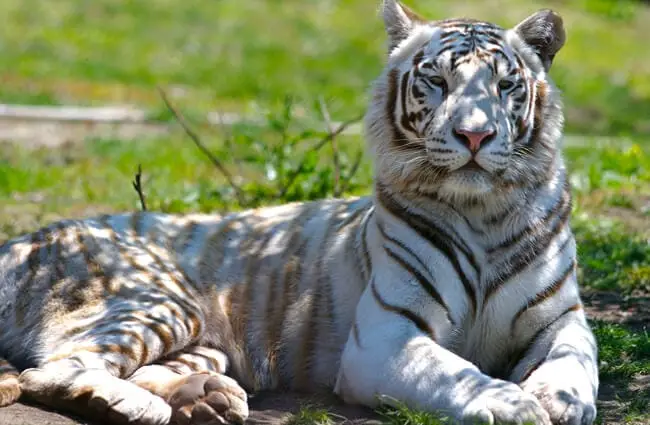
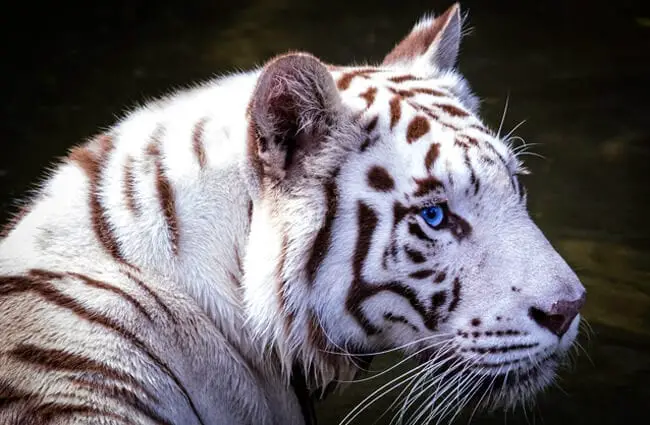
- “White Tigers”: These are not a separate subspecies but a genetic mutation of the Bengal tiger, lacking the orange pigment. They are extremely rare in the wild.
- False Eyespots: Many tigers have white spots on the back of their ears, resembling eyes, which may help deter predators or communicate with cubs.
- Silent Stalkers: Despite their size, tigers can move incredibly quietly through dense undergrowth.
- Long Lifespan: In the wild, tigers can live for 10 to 15 years, and even longer in captivity.
- Powerful Jaws: Their bite force is one of the strongest among all land mammals.
- Leap of Faith: Tigers can leap up to 20 feet in a single bound.
Expert Insights: For Aspiring Zoologists and Zookeepers
For those dedicated to the study and care of these magnificent animals, a deeper understanding of tiger biology and behavior is essential.
For Aspiring Zoologists
A career studying tigers involves a blend of field research, conservation science, and genetics. Key areas of focus often include:
- Population Dynamics: Monitoring tiger numbers, birth rates, and mortality to assess conservation success.
- Habitat Ecology: Studying how tigers utilize their environment, their preferred prey, and the impact of habitat fragmentation.
- Behavioral Ethology: Observing and analyzing tiger social structures (or lack thereof), hunting techniques, communication, and reproductive behaviors.
- Conservation Genetics: Using genetic tools to understand population connectivity, inbreeding issues, and the genetic health of wild populations.
- Human-Wildlife Conflict Mitigation: Developing strategies to reduce conflicts between tigers and local communities.
Fieldwork often involves camera trapping, radio telemetry, and scat analysis, requiring patience, resilience, and a deep commitment to conservation ethics. Understanding the complex interplay between tigers, their prey, and human populations is crucial for effective research and conservation.
For Zookeepers Caring for Tigers in Captivity
Caring for tigers in a zoological setting is a demanding yet rewarding profession that requires extensive knowledge and dedication. The primary goal is to provide an environment that promotes the tiger’s physical and psychological well-being.
Essential Zookeeper Tasks:
- Dietary Management: Providing a meticulously balanced diet of high-quality meat, often supplemented with vitamins and minerals, to mimic their natural carnivorous diet. Portions are carefully controlled based on age, activity level, and health.
- Habitat Maintenance: Daily cleaning of enclosures, ensuring fresh water is always available, and maintaining a stimulating environment with appropriate substrate, climbing structures, and water features.
- Behavioral Enrichment: Crucial for mental stimulation. This includes providing toys, puzzle feeders, novel scents, varying feeding times, and opportunities for exploration within the enclosure.
- Health Monitoring: Daily observation for any changes in behavior, appetite, or physical condition. Assisting veterinarians with routine check-ups, vaccinations, and medical procedures, often requiring specialized training in animal restraint and positive reinforcement.
- Record Keeping: Meticulous documentation of diet, behavior, health, and enrichment activities.
- Public Education: Engaging with visitors to educate them about tigers, their conservation status, and the zoo’s role in protecting them.
What to Avoid:
- Direct Unprotected Contact: Tigers are powerful predators, and direct contact without protective barriers is extremely dangerous and unprofessional.
- Inconsistent Routine: Tigers thrive on routine. Sudden, unexplained changes can cause stress.
- Lack of Enrichment: A sterile, unchanging environment leads to boredom, stereotypic behaviors, and poor welfare.
- Overfeeding or Underfeeding: Both can lead to serious health issues.
- Ignoring Behavioral Cues: Zookeepers must be highly attuned to a tiger’s body language and vocalizations to understand its mood and needs.
- Breeding Without Genetic Planning: Responsible zoos participate in Species Survival Plans (SSPs) to maintain genetic diversity and ensure healthy captive populations.
The role of a zookeeper is not just about feeding and cleaning; it is about being a dedicated advocate for the species, ensuring their welfare, and contributing to global conservation efforts.
The Future of the Tiger: A Call to Action
The tiger, a creature of immense beauty and ecological importance, faces an uncertain future. Habitat loss, poaching for illegal wildlife trade, and human-wildlife conflict have driven populations to critically low numbers. Yet, dedicated conservation efforts, ranging from anti-poaching patrols and habitat restoration to community engagement and captive breeding programs, offer a beacon of hope.
Understanding the tiger’s intricate biology, its vital role in the ecosystem, and its profound cultural significance is the first step towards ensuring its survival. By supporting conservation initiatives, promoting sustainable practices, and educating others, humanity can play a crucial role in safeguarding these magnificent striped monarchs for generations to come. The roar of the tiger is a sound that must echo through our wild places forever.
![Closeup of a beautiful Red Angus cowPhoto by: U.S. Department of Agriculture [pubic domain]https://creativecommons.org/licenses/by/2.0/](https://animals.net/wp-content/uploads/2020/03/Red-Angus-4-238x178.jpg "Red Angus")




![Closeup of a beautiful Red Angus cowPhoto by: U.S. Department of Agriculture [pubic domain]https://creativecommons.org/licenses/by/2.0/](https://animals.net/wp-content/uploads/2020/03/Red-Angus-4-100x75.jpg "Red Angus")