
Beneath the shimmering surface of our oceans, a creature of ancient lineage glides with an ethereal grace, captivating all who encounter it. The stingray, often misunderstood yet undeniably magnificent, represents a triumph of evolution, perfectly adapted to its aquatic realm. From its distinctive flattened body to its iconic defensive barb, this cartilaginous marvel holds a wealth of secrets for those curious enough to delve into its world. Join us on an exploration of the stingray, uncovering its life, its role, and its enduring appeal.
The Enigmatic Stingray: An Ocean Marvel
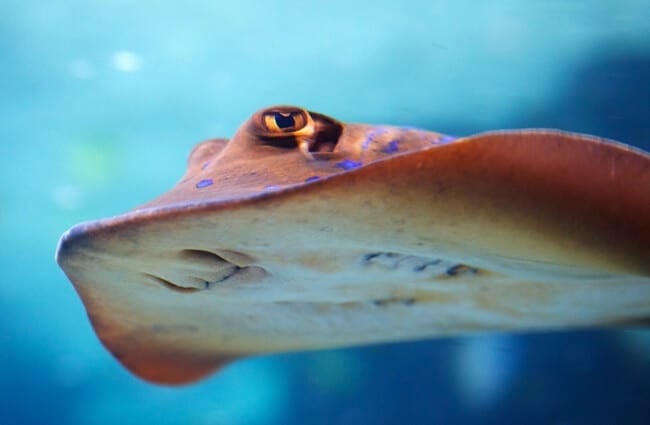
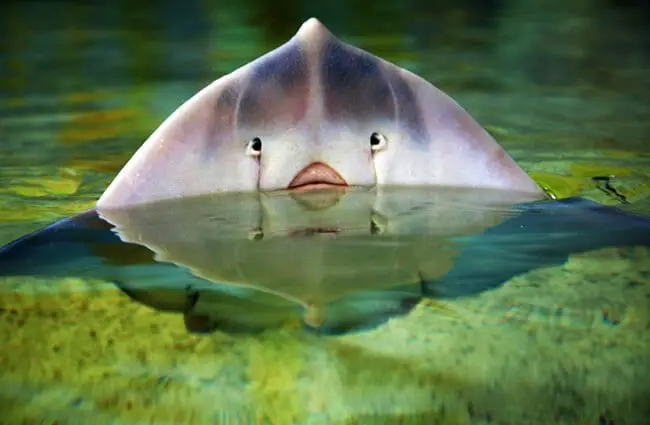
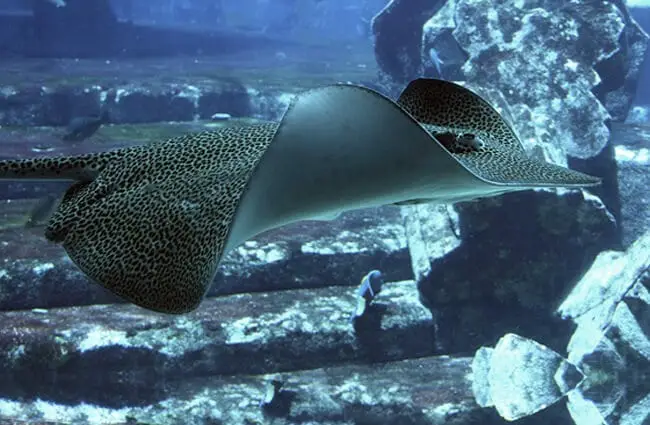
Stingrays belong to the superorder Batoidea, a group of cartilaginous fish closely related to sharks. They are characterized by their flattened bodies, which are essentially enlarged pectoral fins fused to their heads, giving them a disc-like or rhomboidal shape. Their eyes are typically located on top of their bodies, providing a wide field of vision for spotting predators, while their mouths, nostrils, and gill slits are positioned on their undersides, perfectly suited for their bottom-dwelling lifestyle.
The most famous feature, and the source of their name, is the barbed sting or spine located on their whip-like tail. This serrated spine, often coated in venomous mucus, is a purely defensive tool, used only when the ray feels threatened or is accidentally stepped upon. It is not an aggressive weapon, but rather a last resort for protection against larger predators or perceived dangers.
Where the Ocean’s Flyers Glide: Habitat and Distribution
Stingrays are incredibly diverse, inhabiting a wide range of aquatic environments across the globe. The vast majority are marine, found in tropical and subtropical waters worldwide. Their preferred habitats often include shallow coastal areas, sandy flats, seagrass beds, and coral reefs, where they can easily camouflage themselves by burying in the substrate. Some species, however, venture into deeper ocean waters, while a select few have even adapted to freshwater environments, such as the impressive freshwater stingrays of South America.
For the aspiring animal lover hoping to encounter these magnificent creatures in their natural habitat, coastal regions with clear, warm waters are prime locations. Popular spots include the Caribbean Sea, the Great Barrier Reef in Australia, and various tropical Pacific islands. When searching, look for areas with sandy bottoms near reefs or seagrass beds. Remember to observe from a respectful distance and always practice responsible wildlife viewing to minimize disturbance.
Evolutionary Journey: A Glimpse into Ancient Waters
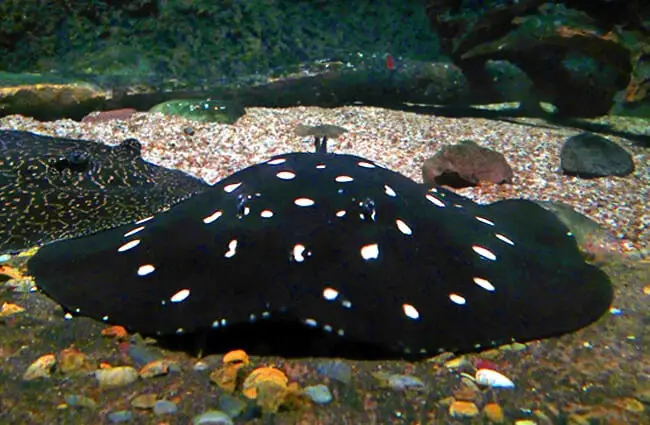
The evolutionary history of stingrays is a fascinating tale stretching back millions of years. As members of the Chondrichthyes class, they share a common ancestor with sharks, a lineage that dates back over 400 million years. The earliest ray fossils appear in the Jurassic period, around 150 million years ago, suggesting a long and successful evolutionary path. Their cartilaginous skeletons, while making fossilization less common than for bony fish, have allowed them to adapt and thrive in diverse marine ecosystems.
Over millennia, stingrays evolved their distinctive flattened body plan, which is an adaptation for a benthic, or bottom-dwelling, lifestyle. This morphology allows them to efficiently glide along the seabed, hide from predators, and ambush prey. Their close relatives, the skates, share many similarities but typically lack the venomous barb and often have more pronounced dorsal fins.
Masters of the Seabed Hunt: Diet and Feeding Habits
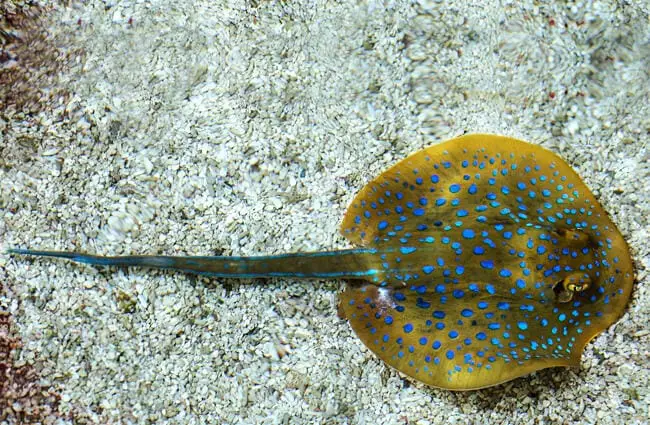
Stingrays are opportunistic carnivores, with a diet primarily consisting of invertebrates found on or within the seabed. Their typical menu includes a variety of mollusks, such as clams, oysters, and snails, as well as crustaceans like crabs and shrimp. Smaller fish are also a common part of their diet. Their feeding strategy is remarkably efficient: they often use their pectoral fins to stir up the sand, revealing buried prey. Once located, they use their powerful jaws and flattened teeth, which are designed for crushing shells, to consume their meal.
Many species employ a unique suction feeding technique, creating a vacuum with their mouths to pull prey directly from the sand. This specialized feeding behavior makes them important components of marine food webs, helping to regulate populations of benthic invertebrates and contributing to the overall health and balance of their ecosystems.
The Cycle of Life Beneath the Waves: Mating and Reproduction
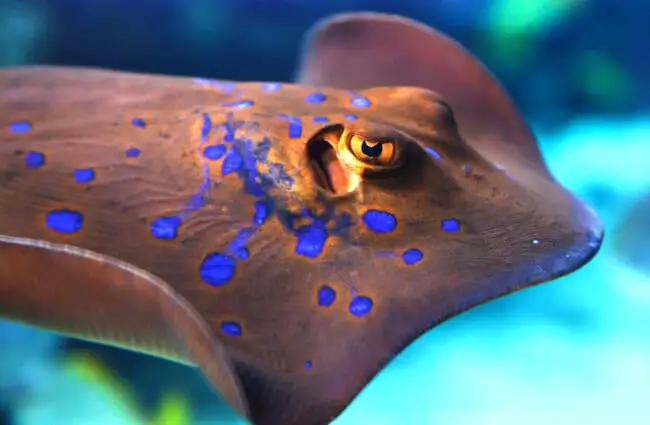
Stingray reproduction is a fascinating process, differing significantly from many bony fish. They exhibit internal fertilization, where the male uses specialized pelvic fins called claspers to transfer sperm to the female. Following successful mating, most stingray species are ovoviviparous. This means the eggs hatch internally within the mother’s uterus, and the developing embryos are nourished by a yolk sac, and in some cases, by uterine milk secreted by the mother.
Gestation periods vary by species but can range from a few months to over a year. Females typically give birth to live young, known as “pups,” which are miniature versions of the adults, fully formed and capable of fending for themselves from birth. Litter sizes can range from one to over a dozen pups, depending on the species. This reproductive strategy, offering greater protection to the developing young, contributes to the survival of stingray populations.
Architects of the Aquatic World: Ecosystem Role and Interactions
Stingrays play a crucial role in the health and dynamics of marine ecosystems. As bottom-dwelling predators, they help control populations of various invertebrates, preventing any single species from dominating. Their foraging activities, which involve disturbing the seabed, can also aerate sediments and redistribute nutrients, influencing the growth of seagrasses and other benthic organisms. This makes them important “ecosystem engineers.”
While they are predators, stingrays also serve as prey for larger marine animals, including sharks, seals, and some species of large bony fish. Their interactions with other animals can also be symbiotic. For example, cleaner fish often remove parasites from stingrays, benefiting both parties. Their presence or absence can be an indicator of ecosystem health, making them valuable subjects for ecological study.
Stingrays and Humans: Coexistence and Caution
Cultural Significance
Throughout history, stingrays have woven their way into human culture. In some coastal communities, their unique form has inspired art, mythology, and folklore. Their strength and elusive nature have made them symbols of protection, grace, and adaptability. Indigenous cultures in various parts of the world have long held them in reverence, incorporating them into their spiritual beliefs and traditional practices. Their distinctive skeletal structures have also been used in crafts and tools.
Interaction and Safety
Encounters between humans and stingrays are most common in shallow coastal waters where both enjoy the warm, sandy bottoms. The vast majority of these interactions are harmless. Stingrays are not aggressive creatures; their sting is purely a defensive mechanism. Most stings occur when a person accidentally steps on a camouflaged ray buried in the sand. To avoid such an encounter, especially in known stingray habitats, it is highly recommended to perform the “stingray shuffle.” This involves shuffling one’s feet along the bottom rather than lifting them, which gives any buried ray a chance to swim away before being stepped on.
Should a sting occur, it is important to remain calm. The venom, while painful, is rarely life-threatening to humans. The primary concern is the wound itself and the potential for secondary infection. First aid typically involves immersing the affected area in hot water (as hot as can be tolerated without scalding) to denature the protein-based venom, which helps alleviate pain. Medical attention should be sought to ensure the barb fragments are removed and to prevent infection.
From a conservation perspective, many stingray species face threats from overfishing, habitat degradation, and climate change. Sustainable fishing practices and the protection of critical habitats are essential for ensuring the survival of these remarkable animals.
Fascinating Facts and Expert Insights: Beyond the Basics
Sensory Marvels
Stingrays possess an array of sophisticated sensory organs that allow them to thrive in their environment. Beyond their eyes, which are useful for detecting movement above, they rely heavily on electroreception. Like sharks, they have specialized organs called Ampullae of Lorenzini, which are jelly-filled pores that detect the faint electrical fields generated by the muscle contractions of their prey, even when buried in the sand. This “sixth sense” makes them incredibly efficient hunters in low-visibility conditions. They also have a keen sense of smell and a lateral line system to detect vibrations in the water.
Behavioral Quirks
Many stingray species exhibit fascinating behaviors. Their ability to bury themselves almost completely in the sand, often leaving only their eyes exposed, is a masterclass in camouflage, protecting them from predators and allowing them to ambush unsuspecting prey. While many are solitary, some species are known to gather in large groups, particularly during mating seasons or in areas rich with food. Certain species also undertake seasonal migrations, traveling vast distances to warmer waters or breeding grounds.
A Zookeeper’s Guide to Stingray Care
Caring for stingrays in a captive environment requires specialized knowledge and dedication to replicate their natural conditions as closely as possible. For aspiring zoologists or current zookeepers, here are key considerations:
- Enclosure Requirements:
- Space: Stingrays require large, expansive tanks with ample floor space for swimming and burying. The tank dimensions should accommodate their disc width and allow for comfortable turning.
- Substrate: A deep layer of fine, soft sand is crucial to allow them to exhibit natural burying behaviors, which is vital for their well-being and stress reduction.
- Water Quality: Pristine water quality is paramount. This includes maintaining stable salinity, temperature, pH, and undetectable levels of ammonia, nitrite, and nitrate. Robust filtration systems are essential.
- Tank Decor: Keep decor minimal and smooth to prevent injury to their delicate skin. Avoid sharp edges or abrasive materials.
- Diet in Captivity:
- A varied diet of high-quality seafood, such as shrimp, squid, clams, and various fish, is necessary. Food should be offered in appropriate sizes to prevent choking.
- Supplements, particularly vitamins and minerals, may be required to ensure a balanced diet.
- Feeding should mimic natural foraging, sometimes by scattering food on the sand to encourage natural hunting behaviors.
- Health Monitoring and Ailments:
- Regular observation for changes in behavior, appetite, skin lesions, or abnormal swimming patterns is critical.
- Common issues can include bacterial or fungal infections, parasitic infestations, and injuries from tank mates or inadequate enclosure design.
- Veterinary care specializing in aquatic animals is essential for diagnosis and treatment.
- Enrichment:
- Providing environmental enrichment, such as varying feeding locations or introducing novel, safe objects, can stimulate natural behaviors and prevent boredom.
- Handling Precautions:
- When handling stingrays for medical examinations or tank maintenance, extreme caution must be exercised due to their venomous barb. Specialized techniques and protective gear are necessary to ensure the safety of both the animal and the zookeeper.
Conclusion: Guardians of the Ocean Floor
From their ancient origins to their vital role in modern marine ecosystems, stingrays are truly remarkable creatures. Their graceful movements, unique adaptations, and often misunderstood nature make them subjects of endless fascination for zoologists, animal lovers, and curious minds alike. Understanding and appreciating these ocean floor guardians is not just about satisfying our curiosity; it is about recognizing their importance and committing to their conservation, ensuring that future generations can continue to marvel at the enigmatic beauty of the stingray.
![Closeup of a beautiful Red Angus cowPhoto by: U.S. Department of Agriculture [pubic domain]https://creativecommons.org/licenses/by/2.0/](https://animals.net/wp-content/uploads/2020/03/Red-Angus-4-238x178.jpg "Red Angus")


![Closeup of a beautiful Red Angus cowPhoto by: U.S. Department of Agriculture [pubic domain]https://creativecommons.org/licenses/by/2.0/](https://animals.net/wp-content/uploads/2020/03/Red-Angus-4-100x75.jpg "Red Angus")