The Agile Acrobats of the Wild: Unraveling the Secrets of Squirrels
From bustling city parks to the quiet depths of ancient forests, squirrels are ubiquitous, charming creatures that capture our attention with their boundless energy and acrobatic prowess. These nimble rodents, members of the Sciuridae family, are far more than just cute nut-hoarders. They are vital components of ecosystems, masters of survival, and subjects of endless fascination for naturalists and casual observers alike. Let us embark on a journey to explore the multifaceted world of the squirrel, uncovering their habits, history, and profound impact on the natural world.
Meet the Family: Diversity in the Squirrel Kingdom
The term “squirrel” encompasses a surprisingly diverse group of mammals, boasting over 200 species worldwide. While most people picture the bushy-tailed tree dwellers, the Sciuridae family includes three main types, each with unique adaptations to their environment:
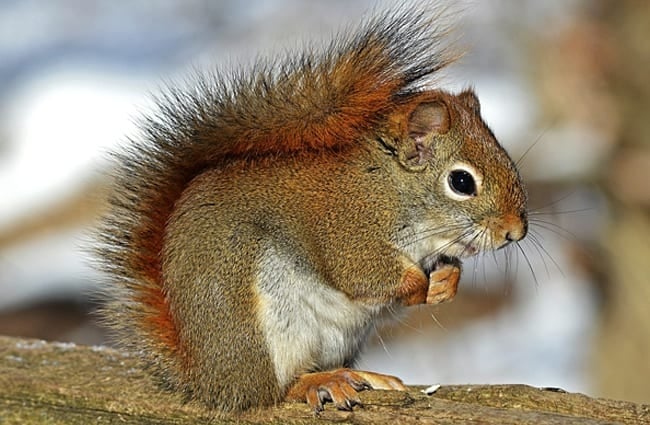
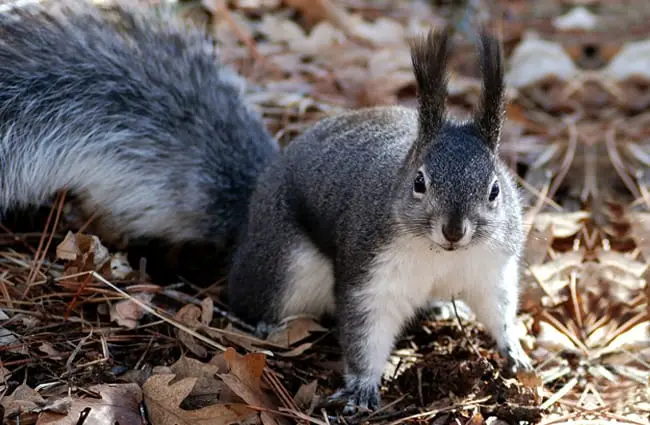
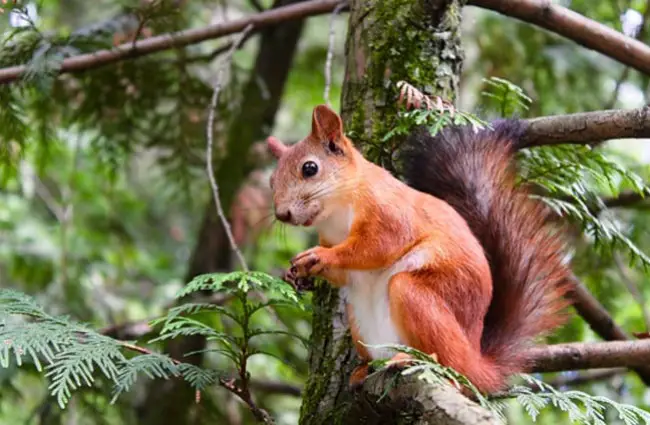
- Tree Squirrels: These are the most recognizable, known for their arboreal lifestyle. Species like the Eastern Gray Squirrel, Red Squirrel, and Fox Squirrel are adept climbers, spending most of their lives in trees. They are characterized by their long, bushy tails, which serve multiple purposes from balance to communication.
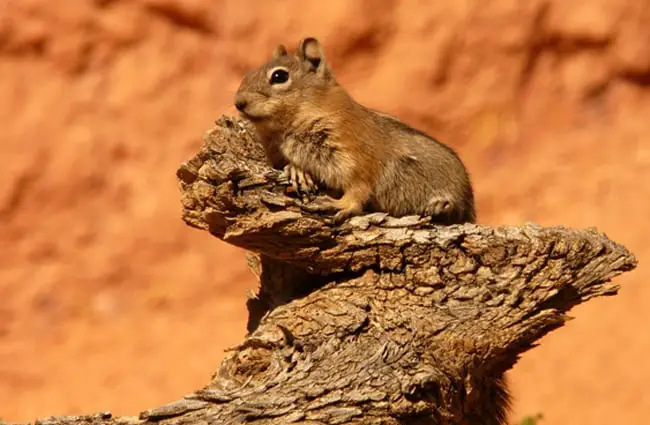
- Ground Squirrels: As their name suggests, these squirrels primarily live on or under the ground. Prairie dogs, marmots, and chipmunks are all examples of ground squirrels. They often live in burrows, sometimes forming extensive colonies, and their tails are typically shorter and less bushy than their tree-dwelling cousins.
- Flying Squirrels: The nocturnal marvels of the squirrel world, flying squirrels do not actually fly but glide. They possess a specialized membrane of skin, called a patagium, stretching from their wrists to their ankles, allowing them to soar between trees with remarkable precision.
These fascinating creatures vary significantly in size, from the tiny African Pygmy Squirrel, weighing just a few grams, to the hefty Alpine Marmot, which can tip the scales at over 8 kilograms. Despite their differences, they all share common rodent characteristics, including continuously growing incisors.
Where to Find Them: Habitats and Home Ranges
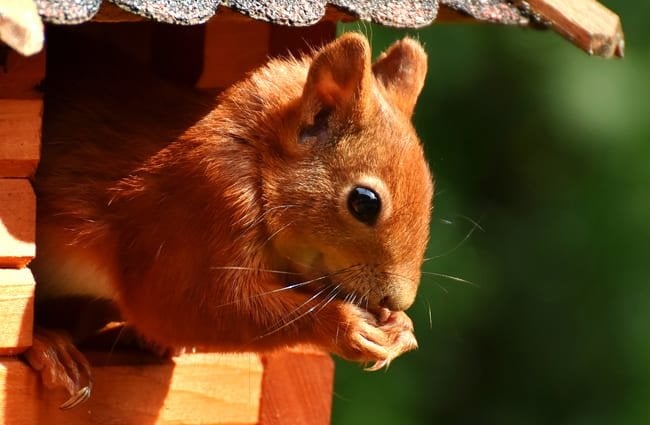
Squirrels are incredibly adaptable and can be found on nearly every continent, with the notable exceptions of Australia and Antarctica. Their habitats are as varied as the species themselves:
- Forests and Woodlands: Tree squirrels thrive in deciduous and coniferous forests, where an abundance of trees provides shelter, food, and protection from predators. They prefer areas with a good mix of nut-bearing trees like oaks, hickories, and walnuts.
- Grasslands and Prairies: Ground squirrels, such as prairie dogs and groundhogs, inhabit open grasslands, meadows, and even deserts. Their subterranean burrows offer refuge from extreme temperatures and predators.
- Urban and Suburban Environments: Many tree squirrel species, particularly the Eastern Gray Squirrel, have successfully adapted to human-dominated landscapes. Parks, gardens, and backyards with mature trees and readily available food sources become their urban sanctuaries.
For animal lovers hoping to spot a squirrel in the wild, the best approach is to visit local parks, forests, or nature reserves during daylight hours. Look for signs of their activity: gnawed nuts, chattering calls, and the rustling of leaves in trees. Patience and quiet observation are key. Ground squirrels are often easier to spot in open fields, especially near their burrow entrances.
The Squirrel’s Menu: A Diverse Diet
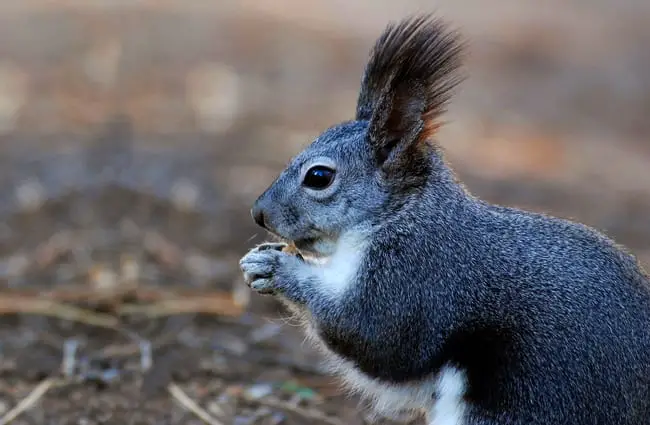
Squirrels are primarily herbivores, but many species exhibit an opportunistic omnivorous diet. Their food choices are largely dictated by their environment and the season:
- Nuts and Seeds: This is the quintessential squirrel food. Acorns, walnuts, hickory nuts, pecans, and pine seeds are crucial for their survival, especially during colder months. Their powerful jaws and sharp incisors are perfectly adapted for cracking tough shells.
- Fruits and Berries: Seasonal fruits like apples, cherries, and various berries provide essential vitamins and sugars.
- Fungi: Mushrooms and truffles are a surprisingly common part of a squirrel’s diet, and they play a role in dispersing fungal spores.
- Plant Material: Buds, flowers, leaves, and even bark can supplement their diet, particularly when other food sources are scarce.
- Insects and Small Vertebrates: Showing their omnivorous side, squirrels will occasionally eat insects, bird eggs, nestlings, and even small rodents if the opportunity arises. This protein boost is especially important for pregnant or lactating females.
Their foraging behavior is legendary. Squirrels are known for burying caches of food, a practice called “scatter hoarding.” While they possess an impressive spatial memory to retrieve these hidden treasures, they do not find every single one, inadvertently contributing to seed dispersal and forest regeneration.
Love in the Trees: Mating and Reproduction
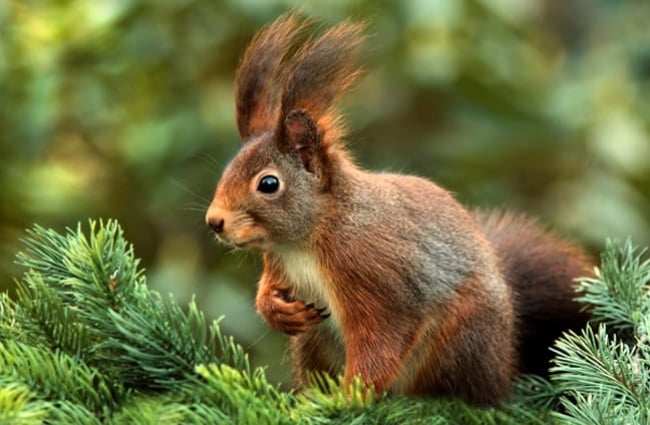
Squirrel reproduction varies by species and climate, but generally follows a similar pattern. Most tree squirrels have two breeding seasons per year, typically in late winter/early spring and again in mid-summer. Ground squirrels often have a single breeding season after emerging from hibernation.
- Courtship: Mating rituals often involve elaborate chases, with multiple males pursuing a single female through the trees. The fastest and most persistent male usually wins the right to mate.
- Gestation: After a gestation period of approximately 35-45 days, the female gives birth to a litter of “kits” or “pups.” Litter sizes can range from 1 to 8, with an average of 2-4.
- Nesting: Tree squirrels build nests called “dreys” high in tree branches, constructed from twigs, leaves, and moss, often lined with softer materials. They may also use tree cavities. Ground squirrels, conversely, give birth and raise their young in underground burrows.
- Parental Care: The female squirrel is solely responsible for raising the young. Kits are born blind, hairless, and completely dependent. They are weaned after 8-10 weeks and typically become independent around 10-12 weeks of age.
- Lifespan: In the wild, squirrels face numerous challenges, and their average lifespan is relatively short, often 1-2 years. However, individuals can live much longer, with some reaching 5-6 years, and even up to 10-12 years in captivity.
Ecosystem Engineers: Squirrels’ Role in Nature
Squirrels are more than just charismatic backyard visitors; they play crucial roles in their ecosystems:
- Seed Dispersal: Their habit of burying nuts and seeds for later consumption, and then forgetting some of them, is a primary mechanism for tree and plant propagation. This “accidental gardening” helps forests regenerate and expand.
- Food Source: Squirrels are a significant prey item for a wide array of predators, including hawks, owls, foxes, coyotes, bobcats, and snakes. They form an important link in the food chain, transferring energy from plants to carnivores.
- Soil Aeration: Ground squirrels, through their burrowing activities, help aerate the soil, improve water penetration, and mix organic matter, benefiting plant growth.
- Fungal Spore Dispersal: By consuming fungi, squirrels help spread spores, which are essential for the health of many forest ecosystems, particularly for mycorrhizal fungi that form symbiotic relationships with tree roots.
Their interactions with other animals are complex. They compete with other seed-eaters like jays and mice for food resources. Their alarm calls can also alert other species to the presence of predators, acting as an early warning system for the forest community.
A Glimpse into the Past: Squirrel Evolution
The evolutionary history of squirrels is a testament to their adaptability and success. The earliest known squirrel-like rodents appeared during the Eocene epoch, approximately 50 million years ago. These ancient ancestors were likely small, arboreal creatures, similar to modern flying squirrels or chipmunks.
Over millions of years, the Sciuridae family diversified, adapting to various ecological niches. The development of specialized teeth for gnawing, powerful hind legs for jumping, and the iconic bushy tail for balance and communication were key evolutionary innovations. The separation into tree, ground, and flying squirrel lineages reflects different adaptive strategies to exploit distinct environments. Their widespread distribution across continents also points to their ancient origins and successful dispersal events throughout geological time.
Squirrels and Humanity: From Pest to Cultural Icon
Our relationship with squirrels is a fascinating blend of admiration and occasional frustration. In urban settings, they are often seen as charming wildlife, providing entertainment with their antics. However, their tendency to raid bird feeders, chew on garden plants, or even nest in attics can lead to them being perceived as pests.
Culturally, squirrels hold a special place. They appear in folklore as clever, industrious, or sometimes mischievous characters. From Beatrix Potter’s Squirrel Nutkin to various cartoon characters, their lively personalities have made them popular figures in literature and media. Their image often symbolizes preparedness, agility, and the bounty of nature.
For the Hiker: Observing Responsibly
When encountering squirrels in the wild, hikers should remember that these are wild animals. Observe them from a respectful distance. Avoid feeding them, as this can lead to dependence on human food, aggression, and can be detrimental to their health. Enjoy their natural behaviors without interference.
Caring for Captive Squirrels: A Zookeeper’s Perspective
Caring for squirrels in a captive environment, such as a zoo or wildlife rehabilitation center, requires specialized knowledge to ensure their well-being. The goal is to replicate their natural environment and dietary needs as closely as possible.
- Diet: A balanced diet is paramount. This should include a variety of unshelled nuts (hazelnuts, walnuts, pecans), seeds (pumpkin, sunflower in moderation), fresh fruits and vegetables (apples, berries, leafy greens), and high-quality rodent chow. Supplementation with calcium and vitamin D3 is often necessary to prevent metabolic bone disease. Avoid sugary treats, processed foods, and excessive amounts of peanuts, which are not true nuts and can be unhealthy.
- Enrichment: Squirrels are highly active and intelligent. Their enclosure must provide ample opportunities for climbing, jumping, and foraging. This includes branches, ropes, platforms, and substrate for digging. Puzzle feeders that require effort to extract food are excellent for mental stimulation.
- Shelter: Provide secure nesting boxes or hollow logs for resting and sleeping. For social species, ensure adequate space and multiple hiding spots to prevent stress.
- Social Needs: Depending on the species, squirrels can be solitary or social. Ground squirrels often thrive in colonies, while some tree squirrels are more solitary outside of breeding season. Understand the specific social requirements of the species being cared for.
- Health Monitoring: Regular veterinary check-ups are essential. Watch for signs of illness such as lethargy, changes in appetite, fur loss, or unusual behavior. Maintain strict hygiene protocols for enclosures.
What to Avoid: Never offer chocolate, caffeine, or avocado, as these are toxic. Avoid feeding excessive amounts of corn, which is low in nutrients and high in phosphorus, potentially leading to calcium deficiencies. Do not house different species of squirrels together unless specifically advised by experts, as this can lead to stress or aggression. Ensure the enclosure is predator-proof and escape-proof.
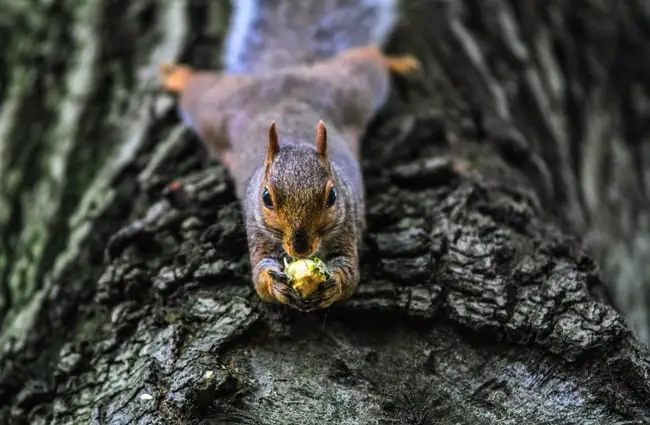
Fascinating Facts and Adaptations
- Memory Masters: Squirrels can remember the locations of thousands of buried nuts, often using landmarks and spatial cues.
- The Versatile Tail: A squirrel’s bushy tail is a multi-tool. It acts as a counterbalance for climbing and jumping, a warm blanket in cold weather, a sunshade, and a communication device, flicking to signal alarm or excitement.
- Dental Dynamo: Like all rodents, a squirrel’s incisors grow continuously throughout its life. They must constantly gnaw to keep their teeth at a manageable length.
- Acrobatic Feats: Their strong claws, flexible ankles, and powerful hind legs allow them to scale trees, leap between branches, and even descend headfirst, rotating their ankles 180 degrees.
- Mimicry: Squirrels are known to perform “deceptive caching,” pretending to bury a nut to fool potential thieves, only to hide it elsewhere later.
- Chatterboxes: Squirrels communicate through a complex repertoire of barks, chirps, and tail flicks, each conveying different messages about territory, predators, or food.
Conclusion: Appreciating Our Nimble Neighbors
From their ancient lineage to their modern-day adaptability, squirrels are truly remarkable creatures. They are not just charming residents of our parks and forests but integral players in the delicate balance of nature. Understanding their lives, their contributions, and their challenges deepens our appreciation for the biodiversity that surrounds us. So, the next time a squirrel darts across your path or chitters from a tree branch, take a moment to marvel at this agile acrobat, a testament to the enduring wonders of the wild.
![Closeup of a beautiful Red Angus cowPhoto by: U.S. Department of Agriculture [pubic domain]https://creativecommons.org/licenses/by/2.0/](https://animals.net/wp-content/uploads/2020/03/Red-Angus-4-238x178.jpg "Red Angus")

![Closeup of a beautiful Red Angus cowPhoto by: U.S. Department of Agriculture [pubic domain]https://creativecommons.org/licenses/by/2.0/](https://animals.net/wp-content/uploads/2020/03/Red-Angus-4-100x75.jpg "Red Angus")