Ancient Mariners: A Comprehensive Guide to Sea Turtles
For over 100 million years, sea turtles have gracefully navigated the world’s oceans. These magnificent reptiles represent a lineage stretching back to the time of the dinosaurs, and their survival story is one of remarkable adaptation and resilience. But today, these ancient mariners face unprecedented threats. This guide delves into the fascinating world of sea turtles, exploring their biology, behavior, conservation status, and how we can help ensure their continued survival.
What Exactly Is a Sea Turtle?
Sea turtles are reptiles characterized by their streamlined shells and powerful flippers. Unlike their land‑dwelling cousins, sea turtles have evolved to thrive in the marine environment. There are seven recognized species of sea turtles:
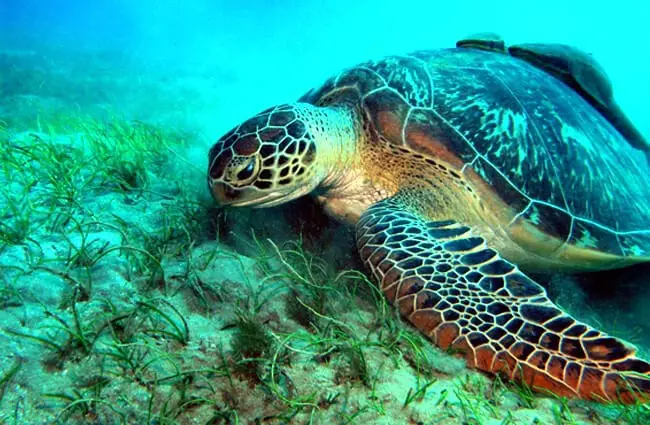
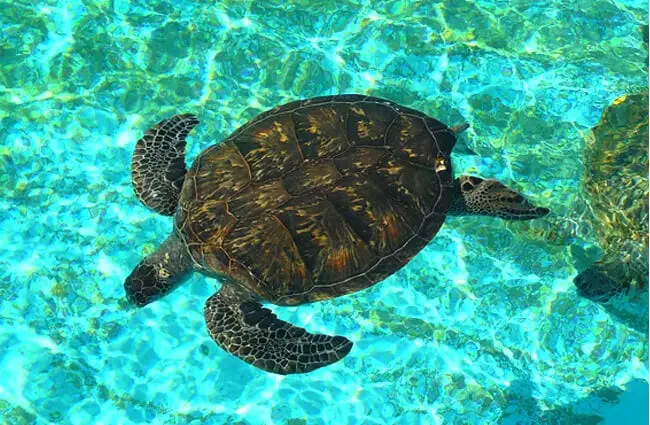
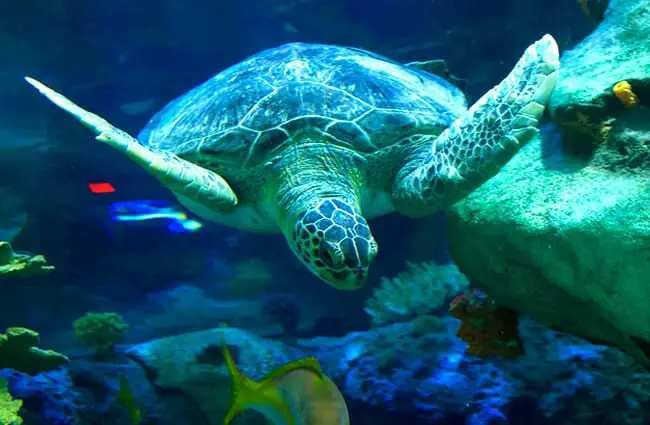
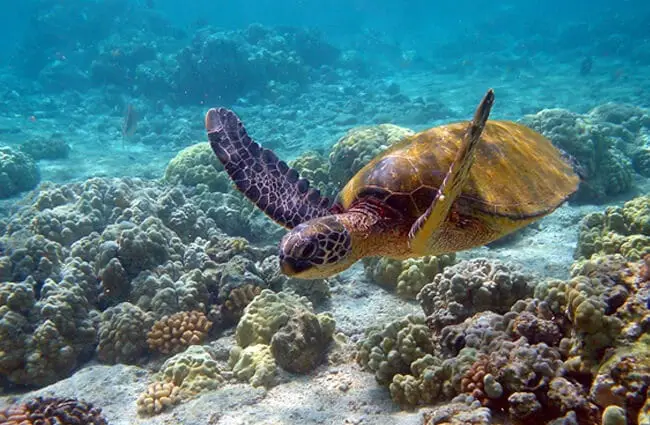
- Green Turtle (Chelonia mydas): Named for the greenish color of their fat, these herbivores primarily feed on seagrass and algae.
- Loggerhead Turtle (Caretta caretta): Known for their large heads and strong jaws, loggerheads are opportunistic feeders, consuming crabs, shellfish, and jellyfish.
- Kemp’s Ridley Turtle (Lepidochelys kempii): The smallest and most endangered sea turtle species, Kemp’s ridleys nest primarily on the Gulf of Mexico, with large arribada events on beaches in Texas and Mexico.
- Olive Ridley Turtle (Lepidochelys olivacea): Famous for their “arribadas,” mass nesting events where thousands of females come ashore to lay eggs simultaneously.
- Hawksbill Turtle (Eretmochelys imbricata): Distinguished by their sharp, pointed beak, hawksbills feed primarily on sponges, playing a crucial role in maintaining coral reef health.
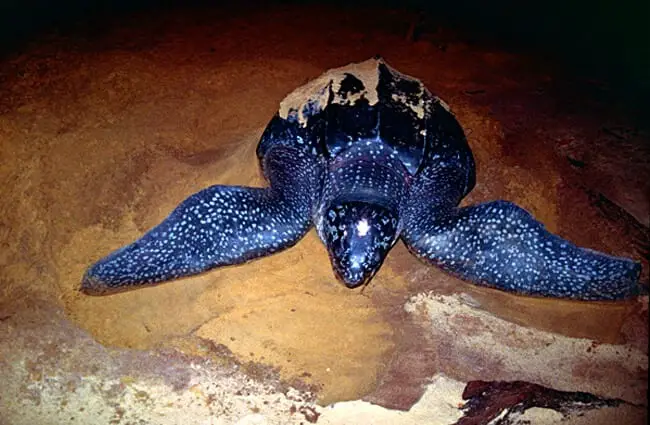
- Leatherback Turtle (Dermochelys coriacea): The largest sea turtle and one of the largest reptiles on Earth, leatherbacks lack a hard shell and instead have a leathery carapace.
- Flatback Turtle (Natator depressus): Endemic to Australia, flatbacks have a flattened carapace and feed on soft‑bodied invertebrates.
Habitat and Distribution
Sea turtles inhabit all of the world’s oceans, from warm tropical waters to cooler temperate regions. Their distribution varies depending on the species. Loggerheads and Kemp’s ridleys are commonly found in the Atlantic Ocean, especially in the Gulf of Mexico, while green turtles inhabit tropical and subtropical seas worldwide. Leatherbacks have the widest distribution, migrating vast distances between feeding and nesting grounds and venturing into colder waters. Nesting beaches are crucial habitats and are typically found on remote, sandy shores. The quality and availability of nesting sites directly impact population health.
A Journey Through Time: Evolution of Sea Turtles
The evolutionary history of sea turtles dates back to the late Jurassic period, over 150 million years ago. Their ancestors were terrestrial reptiles that gradually adapted to a marine lifestyle. The earliest sea turtles possessed a partial shell and webbed feet. Over millions of years, their shells became more streamlined, their limbs transformed into flippers, and they developed physiological adaptations for living in saltwater. Fossil evidence reveals that ancient sea turtles were even larger than modern species. Their evolutionary success is a testament to their adaptability and resilience, but it also highlights their vulnerability to environmental changes.
What’s on the Menu? Diet and Feeding Habits
Sea turtle diets vary depending on the species and life stage. Green turtles are primarily herbivores, grazing on seagrass and algae. Loggerheads are opportunistic carnivores, feeding on crabs, shellfish, jellyfish, and even sea cucumbers. Hawksbills have a specialized diet consisting mainly of sponges, which they meticulously remove from coral reefs. Leatherbacks are unique in that they feed almost exclusively on jellyfish, consuming massive quantities of these gelatinous creatures. Flatbacks feed on soft‑bodied invertebrates such as jellyfish, sea cucumbers, and soft corals. Their feeding habits play important roles in maintaining the health and balance of marine ecosystems.
Love and Reproduction: Mating and Nesting
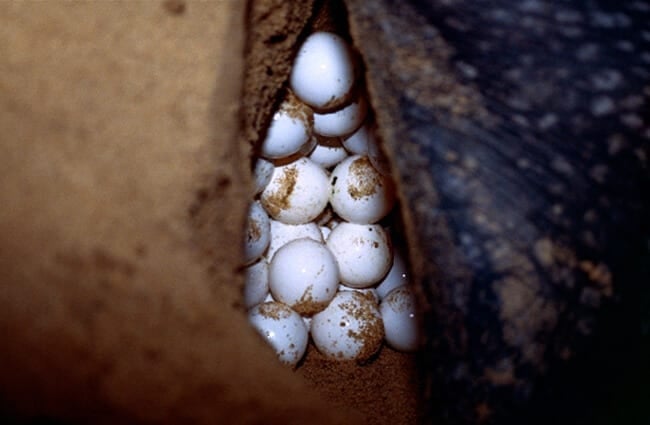
Sea turtles have a complex mating and nesting process. Males and females typically gather in breeding grounds, engaging in elaborate courtship displays. Mating occurs in the water. Females return to the same nesting beaches year after year, guided by an incredible sense of navigation. At night, they emerge from the ocean, dig nests in the sand, and lay clutches of 50 to 200 eggs. The eggs incubate for about two months, with temperature influencing the sex of the hatchlings. Once hatched, the tiny turtles race toward the ocean, facing a gauntlet of predators. Only a small fraction survive to adulthood.
Ecosystem Engineers: Sea Turtles and the Marine World
Sea turtles play vital roles in maintaining the health and biodiversity of marine ecosystems. Green turtles graze on seagrass, preventing overgrowth and promoting healthy seagrass beds, which serve as nurseries for many fish species. Hawksbills feed on sponges, preventing them from smothering coral reefs. Loggerheads help control jellyfish populations. Leatherbacks contribute to nutrient cycling by consuming jellyfish and excreting nutrients. By influencing these ecosystems, sea turtles support a wide range of marine life.
Sea Turtles and Humans: A Complicated Relationship
Historically, humans have hunted sea turtles for their meat, eggs, and shells. Today, the greatest threats to sea turtles include habitat destruction, entanglement in fishing gear, plastic pollution, and climate change. Coastal development destroys nesting beaches, while fishing gear can trap and drown turtles. Plastic pollution poses a significant threat, as turtles often mistake plastic bags for jellyfish. Rising sea levels and changing temperatures also disrupt nesting patterns and threaten coral reef ecosystems.
Encountering a Sea Turtle: What to Do (and Not Do)
If you are fortunate enough to encounter a sea turtle in the wild, observe from a respectful distance. Do not approach, touch, or disturb the animal. Avoid using flash photography. If you witness a turtle entangled in fishing gear or injured, contact local wildlife authorities or a marine conservation organization. Never attempt to free the animal yourself, as this could cause further harm.
Caring for Sea Turtles in Captivity
Caring for sea turtles in captivity requires specialized knowledge and resources. Enclosures must be large and provide a varied environment with appropriate water quality, temperature, and lighting. Diets must be carefully formulated to meet the nutritional needs of each species. Regular veterinary care is essential to monitor health and prevent disease. Enrichment activities are important to stimulate natural behaviors. Avoid overcrowding and unnecessary human interaction.
Fascinating Facts About Sea Turtles
- Sea turtles can hold their breath for several hours, depending on the species and activity level.
- They navigate using the Earth’s magnetic field, allowing them to return to the same nesting beaches year after year.
- The sex of sea turtle hatchlings is determined by the temperature of the nest. Warmer temperatures produce more females, while cooler temperatures produce more males.
- Leatherback turtles are endothermic, meaning they can regulate their body temperature, unlike most reptiles.
- Sea turtles have existed for over 100 million years, predating many other marine animals.
- Some species of sea turtles can live for over 80 years.
The Future of Sea Turtles
The survival of sea turtles depends on our collective efforts to address the threats they face. Protecting nesting beaches, reducing plastic pollution, improving fishing practices, and mitigating climate change are crucial steps. By supporting marine conservation organizations, advocating for stronger environmental policies, and making sustainable choices in our daily lives, we can help ensure that these ancient mariners continue to grace our oceans for generations to come.
![Closeup of a beautiful Red Angus cowPhoto by: U.S. Department of Agriculture [pubic domain]https://creativecommons.org/licenses/by/2.0/](https://animals.net/wp-content/uploads/2020/03/Red-Angus-4-238x178.jpg "Red Angus")

![Closeup of a beautiful Red Angus cowPhoto by: U.S. Department of Agriculture [pubic domain]https://creativecommons.org/licenses/by/2.0/](https://animals.net/wp-content/uploads/2020/03/Red-Angus-4-100x75.jpg "Red Angus")