
The world teems with incredible creatures, many of which often go unnoticed beneath our feet or hidden within the dappled light of a forest floor. Among these elusive wonders is the salamander, an amphibian marvel that has captivated scientists and nature enthusiasts for centuries. Far from being mere lizards, these fascinating beings represent an ancient lineage, boasting an array of astonishing adaptations and playing vital roles in their ecosystems. Prepare to dive into the secretive, vibrant world of salamanders, uncovering their habitats, life cycles, and the surprising ways they interact with our world.
What Exactly is a Salamander? A Glimpse into Amphibian Life
Salamanders belong to the order Caudata, a group of amphibians characterized by their lizard-like appearance, slender bodies, blunt snouts, and, most notably, their tails. Unlike reptiles, amphibians possess moist, glandular skin that is permeable to water and gases, a characteristic crucial to their survival. This unique skin allows them to breathe not only through lungs or gills but also directly through their skin, a process known as cutaneous respiration.
There are over 700 known species of salamanders, exhibiting an incredible diversity in size, color, and lifestyle. From the tiny, lungless salamanders that can fit on a fingertip to the colossal Chinese Giant Salamander, which can grow over five feet long, these creatures demonstrate nature’s boundless creativity. Their vibrant skin patterns, often a warning sign to predators, range from brilliant reds and yellows to subtle greens and browns, allowing them to blend seamlessly into their surroundings or stand out with striking beauty.
Where Do Salamanders Live? Unveiling Their Secret Habitats
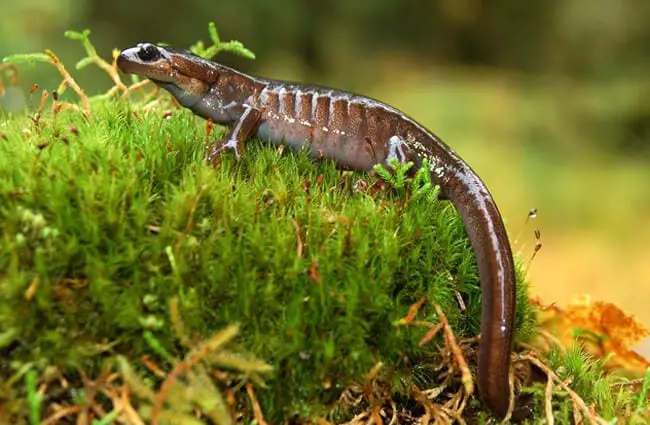
Salamanders are masters of adaptation, inhabiting a wide range of environments across the globe, though they are predominantly found in the Northern Hemisphere. Their survival hinges on moisture, making them common residents of damp forests, wetlands, streams, and even underground caves. Understanding their habitat preferences is key for anyone hoping to observe these shy creatures in the wild.
- Terrestrial Salamanders: Many species spend most of their adult lives on land, seeking refuge under rocks, logs, leaf litter, or within burrows. They are often nocturnal, emerging during damp nights or after rainfall to hunt. Look for them in humid woodlands, especially near water sources.
- Aquatic Salamanders: Some salamanders, like newts, spend their entire lives or significant portions of it in water. They can be found in ponds, lakes, slow-moving streams, and even temporary pools. Their bodies are often streamlined, and some retain gills throughout their lives.
- Semi-Aquatic Salamanders: These species bridge the gap, moving between aquatic breeding grounds and terrestrial foraging areas. They require both a suitable water body for reproduction and moist land for daily activities.
For the aspiring animal lover or hiker hoping to find a salamander, patience and a keen eye are essential. Focus your search in areas with high humidity, ample cover, and proximity to clean water. Gently lift rocks or logs in damp areas, always returning them carefully to their original position to avoid disturbing their habitat. Remember, observation from a distance is always best, ensuring minimal disturbance to these sensitive amphibians.
The Salamander’s Menu: What Do They Eat?
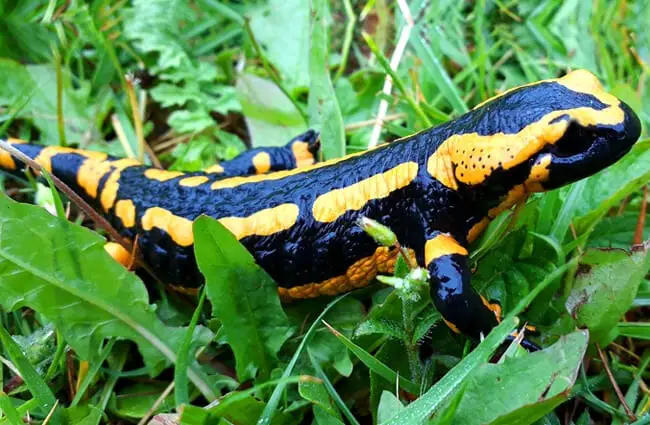
Salamanders are opportunistic carnivores, playing a crucial role in controlling insect populations within their ecosystems. Their diet is primarily composed of small invertebrates, making them efficient pest controllers in many natural settings. What they eat largely depends on their size, habitat, and the availability of prey.
- Typical Prey Items:
- Insects: Beetles, crickets, flies, ants, insect larvae.
- Worms: Earthworms, bloodworms.
- Slugs and Snails: Smaller gastropods.
- Spiders: Various arachnids.
- Other Invertebrates: Millipedes, centipedes, small crustaceans.
- Larger Salamanders: Some larger species may consume smaller salamanders or tadpoles.
- Feeding Strategies: Most salamanders employ a “sit and wait” ambush strategy, patiently waiting for unsuspecting prey to pass by. Once an opportunity arises, they use their sticky tongues to snatch their meal with remarkable speed. Aquatic species may lunge at prey or use suction feeding to capture food in the water.
Life’s Cycle: Mating and Reproduction
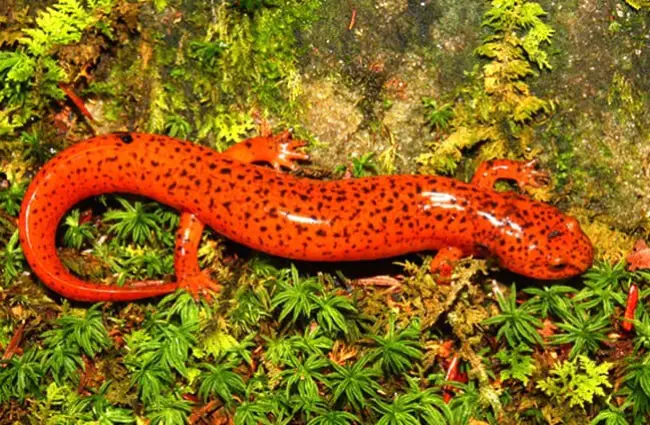
The reproductive strategies of salamanders are as diverse as the species themselves, yet they share a common thread of intricate courtship rituals and a reliance on water, at least for a portion of their life cycle. Understanding these processes is vital for students researching amphibian biology.
- Courtship Rituals: Many salamander species engage in elaborate courtship displays to attract mates. These can involve complex dances, pheromone release, and physical interactions. Males often try to entice females with specific movements or by rubbing glands against them.
- Spermatophore Transfer: Internal fertilization is common among salamanders, but it often occurs without direct copulation. The male deposits a packet of sperm, called a spermatophore, on the substrate. The female then picks up this spermatophore with her cloaca, allowing for fertilization of her eggs internally.
- Egg Laying:
- Aquatic Eggs: Many species lay their eggs in water, attaching them to submerged vegetation, rocks, or depositing them in jelly-like masses. These eggs typically hatch into aquatic larvae.
- Terrestrial Eggs: Some salamanders lay their eggs on land, often in moist soil, under logs, or in burrows. These eggs may have thicker casings to prevent desiccation, and some species exhibit parental care, guarding the eggs until they hatch.
- Larval Stage and Metamorphosis: Most salamanders hatch as aquatic larvae, resembling miniature fish with external gills, a finned tail, and often undeveloped limbs. They live in water, feeding on small invertebrates, until they undergo metamorphosis. This transformation involves losing their gills, developing lungs, and adapting to a more terrestrial or adult aquatic lifestyle.
- Neoteny: The Eternal Youth: A fascinating aspect of salamander biology is neoteny, where certain species retain larval characteristics, such as external gills, and remain fully aquatic even as adults, becoming reproductively mature without undergoing metamorphosis. The most famous example is the axolotl, a critically endangered species that has become a cornerstone of regenerative medicine research due to its remarkable ability to regrow limbs, organs, and even parts of its brain.
An Ancient Lineage: Salamander Evolution
The evolutionary history of salamanders stretches back hundreds of millions of years, placing them among the most ancient tetrapods on Earth. Their journey from aquatic ancestors to diverse modern forms offers a compelling narrative for aspiring zoologists and evolutionary biologists.
- Amphibian Origins: Salamanders share a common ancestor with frogs and caecilians, all descending from early tetrapods that transitioned from water to land during the Devonian period, approximately 3
![Closeup of a beautiful Red Angus cowPhoto by: U.S. Department of Agriculture [pubic domain]https://creativecommons.org/licenses/by/2.0/](https://animals.net/wp-content/uploads/2020/03/Red-Angus-4-238x178.jpg "Red Angus")


![Closeup of a beautiful Red Angus cowPhoto by: U.S. Department of Agriculture [pubic domain]https://creativecommons.org/licenses/by/2.0/](https://animals.net/wp-content/uploads/2020/03/Red-Angus-4-100x75.jpg "Red Angus")