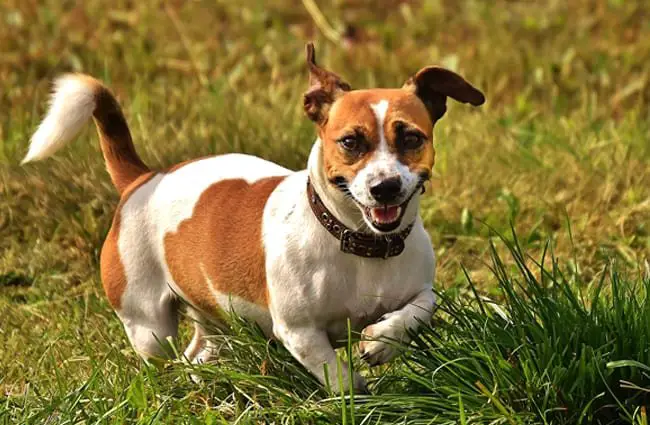
The Jack Russell Terrier, a breed brimming with energy, intelligence, and a distinctive personality, has captivated dog lovers for generations. Often simply called a “Russell Terrier,” this small canine powerhouse possesses a history as fascinating as its boundless enthusiasm. Understanding the breed’s origins, characteristics, and needs is key to providing a fulfilling life for these remarkable dogs. This guide delves into the world of the Russell Terrier, offering a comprehensive overview for prospective owners and dedicated enthusiasts.
A History Rooted in the Hunt
The story of the Russell Terrier begins in the 19th century in England with Reverend John Russell, a parson who loved fox hunting. He sought to create a working terrier that could bolt foxes from their dens during hunts without disturbing the fox itself. The ideal terrier would be game, intelligent, and possess incredible stamina. Russell’s early lines were based on a white and tan terrier named Trump, known for his exceptional hunting abilities and temperament. These dogs were bred for function, not appearance. Over time, the breed evolved, with different strains emerging. It is important to note that the “Jack Russell” originally referred to the type of terrier, rather than a strictly defined breed. Different kennels developed slightly varying characteristics.
From Working Dog to Companion Animal
For many years, the Russell Terrier remained primarily a working dog. They were not designed as lapdogs or show dogs. Their task was arduous and required courage, agility, and an unwavering drive. However, as fox hunting declined, the breed gradually transitioned into the role of companion animal. This shift brought increased attention to conformation and standardization, leading to the recognition of different kennel club varieties. The American Kennel Club (AKC) recognized the Russell Terrier in 2001, distinguishing it from the Parson Russell Terrier, which is slightly larger and more consistently sized.
Physical Characteristics
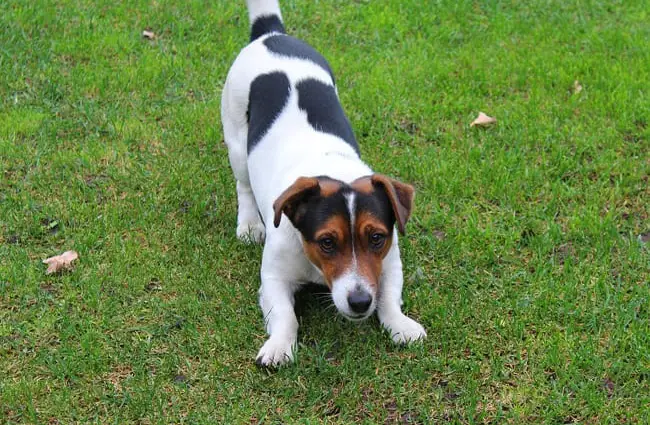
Russell Terriers are small but powerfully built dogs. Their compact frame is packed with muscle, enabling them to navigate challenging terrain and pursue prey with remarkable speed.
Size and Weight
Typically, Russell Terriers stand between 10 and 15 inches tall at the shoulder. Their weight generally falls between 13 and 17 pounds, though there can be some variation depending on lineage and individual genetics.
Coat and Color
The coat of a Russell Terrier is dense, slightly wiry, and weather‑resistant, providing protection from the elements during outdoor work. The predominant color is white, with markings of black, tan, or a combination of both. The amount of white should be substantial. Broken coats—patches of different textures—are common and acceptable.
Body Structure
Russell Terriers have a narrow chest and a well‑sprung ribcage. Their legs are straight and strong, enabling them to cover ground quickly. The tail is traditionally docked, but undocked tails are becoming increasingly common. Their ears can be button or drop shaped.
Temperament and Behavior
The Russell Terrier’s personality is as vibrant as its appearance. They are known for being intelligent, energetic, and independent. Their spirited nature makes them delightful companions, but it also requires a dedicated owner who understands their unique needs.
Energy Levels and Exercise
These dogs have exceptionally high energy levels. They require a significant amount of daily exercise to stay happy and healthy. This could include brisk walks, runs, playtime in a secure yard, or participation in dog sports such as agility or flyball. Without sufficient exercise, they can become bored, destructive, and develop behavioral problems. It is not enough to simply let them out into the yard; they need mental and physical stimulation.
Intelligence and Trainability
Russell Terriers are highly intelligent, but their independent nature can sometimes make training a challenge. They respond well to positive reinforcement methods, whereas harsh or forceful techniques can be counterproductive. Consistency and patience are key. Early socialization is crucial to help them develop into well‑adjusted adults. They are prone to thinking for themselves and will test boundaries.
Prey Drive and Digging
The Russell Terrier’s strong prey drive is a remnant of its hunting heritage. They may chase small animals such as squirrels, rabbits, and cats. It is important to keep them on a leash when in public areas and to provide secure fencing in the yard. Digging is another common behavior, as they instinctively seek to unearth prey. Providing a designated digging area can help redirect this natural instinct.
Caring for a Russell Terrier
Providing proper care for a Russell Terrier involves more than just food and shelter. It requires a commitment to meeting their physical, mental, and emotional needs.
Grooming
The Russell Terrier’s coat is relatively low maintenance. Regular brushing once or twice a week helps remove loose hair and keep the coat healthy. They may need occasional bathing, but over bathing can strip the coat of its natural oils. Nail trimming and ear cleaning should be performed as needed.
Nutrition
A high‑quality, balanced diet is essential for maintaining a Russell Terrier’s health. Choose a food that is specifically formulated for small breed dogs. Monitor their weight and adjust the amount of food accordingly. Avoid giving them table scraps or other unhealthy treats.
Health Concerns
Russell Terriers are generally healthy dogs, but they can be prone to certain conditions such as lens luxation, patellar luxation, and deafness. Responsible breeders screen their dogs for these conditions before breeding. Regular veterinary checkups are important for detecting and treating any health problems early.
Mental Stimulation
Russell Terriers are intelligent and require mental stimulation to prevent boredom and destructive behaviors. Puzzle toys, training games, and interactive play sessions can help keep their minds engaged. Providing them with opportunities to learn new things and solve problems will enhance their quality of life.
Advanced Considerations for Enthusiasts
For those deeply interested in the breed, understanding the nuances of lineage and working ability can be rewarding.
Working Lines vs. Show Lines
Within the Russell Terrier world, distinct lines exist. Working lines retain a stronger focus on the original hunting abilities. These dogs are often bred for performance in earthdog trials or other working dog events. Show lines prioritize conformation to breed standards, with a greater emphasis on appearance. While both types can make wonderful companions, it is important to understand the differences when choosing a puppy.
Earthdog Trials
Earthdog trials are a popular activity for Russell Terriers, allowing them to showcase their natural hunting instincts. The trials involve navigating an underground tunnel system to locate a simulated quarry. This is an excellent way to provide mental and physical stimulation while honoring the breed’s heritage.
The Russell Terrier, with its boundless energy, intelligence, and affectionate nature, offers a unique and rewarding companionship. Understanding their history, physical characteristics, temperament, and needs is crucial for providing them with a fulfilling life. With proper care, training, and plenty of love, a Russell Terrier will undoubtedly enrich the lives of those fortunate enough to share their home.
![Closeup of a beautiful Red Angus cowPhoto by: U.S. Department of Agriculture [pubic domain]https://creativecommons.org/licenses/by/2.0/](https://animals.net/wp-content/uploads/2020/03/Red-Angus-4-100x75.jpg "Red Angus")