From the frosty expanses of the Arctic to the heart of festive folklore, the reindeer, known scientifically as Rangifer tarandus, stands as an emblem of resilience and adaptation. More than just a symbol of winter magic, these magnificent cervids are biological marvels, perfectly engineered for survival in some of the planet’s harshest environments. Join us on a journey to uncover the fascinating world of the reindeer, exploring its deep history, intricate biology, and profound connections with both the natural world and human culture.
Whether you are a student researching their unique adaptations, an animal lover dreaming of a wild encounter, an aspiring zoologist seeking deeper insights, a hiker navigating their territory, or a dedicated zookeeper ensuring their well-being, this comprehensive guide will illuminate the extraordinary life of the reindeer.
The Arctic Wanderer: Reindeer’s Habitat and Distribution
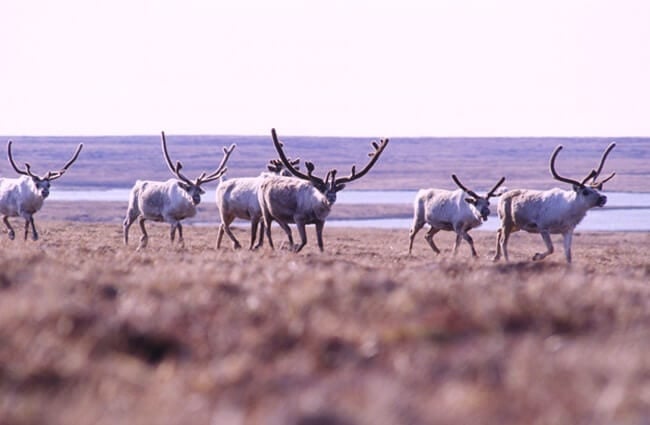
Reindeer are truly creatures of the cold, inhabiting the circumpolar regions of the Northern Hemisphere. Their vast range spans across the Arctic tundra, boreal forests (taiga), and mountainous areas of North America, Europe, and Asia. In North America, they are often referred to as caribou, particularly the wild populations.
Where to Find Reindeer in the Wild
For the animal lover hoping to witness these majestic animals in their natural element, understanding their preferred habitats is key. Reindeer thrive in environments characterized by:
- Tundra: Open, treeless plains with permafrost, abundant in lichens, mosses, and low-growing shrubs. This is a primary summer grazing ground.
- Taiga (Boreal Forest): Dense coniferous forests, offering shelter from harsh winds and predators, especially during winter.
- Mountainous Regions: Some populations, like those in Scandinavia, inhabit alpine areas, moving between higher elevations in summer and lower, more sheltered valleys in winter.
Specific regions renowned for their reindeer populations include:
- Alaska and Northern Canada: Home to vast herds of caribou, particularly the barren-ground caribou.
- Scandinavia (Norway, Sweden, Finland): Wild reindeer still roam, alongside large populations of semi-domesticated reindeer managed by the indigenous Sami people.
- Siberia and Mongolia: Various subspecies inhabit these extensive northern territories.
The best time to observe reindeer often coincides with their seasonal migrations. Spring and autumn can offer spectacular views of large herds on the move, while summer provides opportunities to see them grazing on lush tundra vegetation. Winter sightings might be more challenging but can reveal their incredible adaptations to snow and ice.
A Forager’s Feast: Reindeer’s Diet and Nutritional Adaptations
Reindeer are herbivores, and their diet is a testament to their adaptability in environments where food can be scarce, especially in winter. Their digestive system is highly specialized to extract nutrients from tough, fibrous plant matter.
What Reindeer Eat
The reindeer’s diet varies significantly with the seasons:
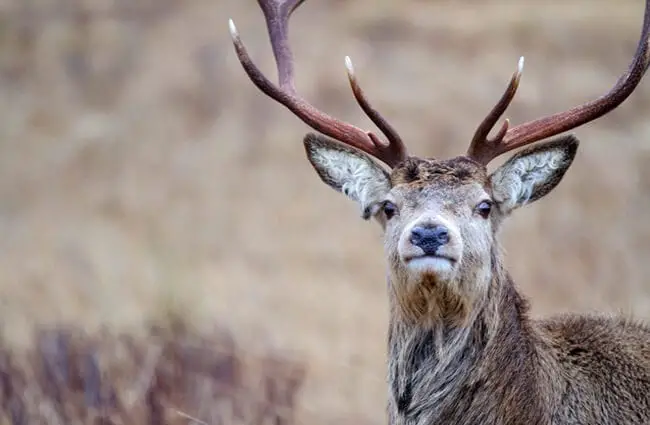
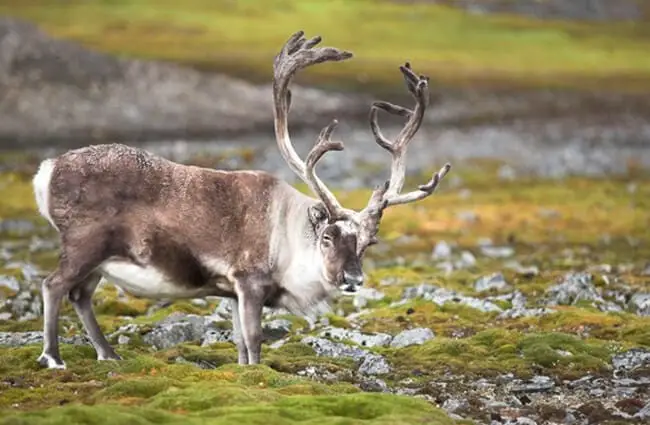
- Winter Diet: This is where their unique foraging skills truly shine. Lichens, particularly “reindeer moss” (a type of lichen), form the cornerstone of their winter diet. They possess an exceptional sense of smell to locate lichens beneath deep snow, which they then access by digging with their broad hooves. They also consume dried grasses, sedges, and dwarf shrubs.
- Summer Diet: With the arrival of warmer weather, the tundra bursts with life, offering a richer and more varied menu. Reindeer feast on fresh grasses, sedges, leaves of willows and birches, mushrooms, and even some aquatic plants. This period of abundant food allows them to build up crucial fat reserves for the lean winter months.
Reindeer also have a fascinating ability to digest lichens, which are notoriously difficult for most mammals to process, thanks to specialized microorganisms in their rumen. This adaptation is critical for their survival in the Arctic.
An Ancient Lineage: Reindeer’s Evolutionary History
The evolutionary journey of the reindeer is deeply intertwined with the glacial cycles of the Pleistocene epoch. Their ancestors likely originated in Eurasia and spread across the Bering land bridge into North America. This long history in cold climates has sculpted them into the ultimate cold-weather survivors.
Fossil records indicate that reindeer have been present for hundreds of thousands of years, adapting to successive ice ages. Their ability to thrive in harsh, open landscapes, coupled with their migratory behavior, allowed them to colonize vast areas. The various subspecies we observe today, from the small Svalbard reindeer to the large barren-ground caribou, reflect localized adaptations to specific environmental pressures over millennia.
The Cycle of Life: Mating and Reproduction
The reindeer’s reproductive cycle is a dramatic annual event, perfectly timed with the seasons to maximize calf survival.
The Rut: A Battle of Antlers
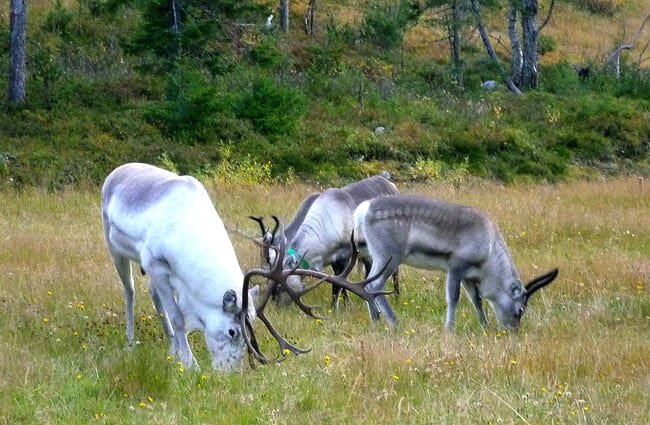
The mating season, known as the rut, typically occurs in autumn, from late September to early November. During this time, male reindeer (bulls) engage in fierce competition for access to females (cows). Bulls grow impressive antlers, which they use in sparring matches to establish dominance. These battles, while often spectacular, can be exhausting and lead to significant weight loss for the males.
Gestation and Calf Birth
After a gestation period of approximately 7.5 months, calves are born in late spring or early summer, usually in May or June. This timing is crucial, as it coincides with the flush of new vegetation, providing ample food for the lactating mothers and a relatively mild environment for the vulnerable newborns.
- Single Calf: Cows typically give birth to a single calf, though twins are rare.
- Rapid Development: Reindeer calves are precocial, meaning they are born relatively well-developed. They can stand and even run within hours of birth, a vital adaptation for escaping predators and keeping up with the migratory herd.
- Maternal Care: The mother-calf bond is strong, with the cow providing milk and protection. Calves are weaned after several months but may stay with their mothers for up to a year.
Guardians of the Tundra: Reindeer’s Ecosystem Role
Reindeer are not just inhabitants of their environment; they are integral architects of the Arctic ecosystem, influencing vegetation, nutrient cycles, and predator populations.
Herbivory and Vegetation Dynamics
As primary consumers, reindeer exert significant grazing pressure on tundra and taiga vegetation. Their selective foraging can alter plant community composition, promoting the growth of certain species while suppressing others. Their digging for lichens in winter also disturbs the snow cover and soil, impacting microbial activity and nutrient availability.
Predator-Prey Interactions
Reindeer are a crucial food source for top predators in the Arctic, including:
- Wolves: Large packs of wolves often follow reindeer herds, preying on the old, young, or weak. This interaction is a classic example of natural selection at work.
- Bears: Both grizzly bears and polar bears will prey on reindeer, particularly calves or individuals weakened by winter.
- Wolverines and Lynx: These smaller predators may also target calves or scavenge on carcasses.
The migratory patterns of reindeer are often a strategy to outmaneuver predators, moving to calving grounds that offer some protection or simply outrunning their pursuers across vast distances.
A Partnership Through Time: Reindeer and Humans
Few animals have shaped human cultures in the Arctic as profoundly as the reindeer. For thousands of years, indigenous peoples have relied on reindeer for survival, fostering a unique and enduring relationship.
Reindeer’s Contribution to Human Culture
The reindeer’s influence extends far beyond mere sustenance:
- Domestication and Herding: The Sami people of Scandinavia and the Nenets of Siberia are renowned for their traditional reindeer herding. Reindeer provide milk, meat, hides for clothing and shelter, and antlers for tools and crafts. They are also used for transportation, pulling sleds across snowy landscapes.
- Transportation: Reindeer sleds have been a vital mode of transport in the Arctic for centuries, enabling travel across vast, snow-covered terrains.
- Spiritual and Artistic Significance: Reindeer feature prominently in the folklore, art, and spiritual beliefs of many northern cultures, symbolizing resilience, abundance, and the spirit of the wild.
- Modern Symbolism: Globally, reindeer are most famously associated with Christmas and Santa Claus, a cultural phenomenon that has elevated them to iconic status worldwide.
Human Interaction with Wild Reindeer
Interactions with wild reindeer require respect and caution:
- For Hikers and Outdoor Enthusiasts:
- Observe from a Distance: Always maintain a safe and respectful distance. Reindeer are wild animals and can be unpredictable if startled.
- Avoid Disturbing Herds: Do not approach or attempt to feed wild reindeer. Disturbing them, especially during calving season or winter when energy reserves are low, can be detrimental to their survival.
- Be Aware of Your Surroundings: In areas with large herds, be mindful of your presence and avoid blocking their migratory paths.
- Conservation Challenges: Wild reindeer populations face numerous threats from human activities, including habitat loss and fragmentation due to resource extraction, climate change impacting their food sources and migration routes, and increased human disturbance. Conservation efforts are crucial to protect these iconic species.
Caring for Captive Reindeer: A Zookeeper’s Guide
Caring for reindeer in a captive environment presents unique challenges and responsibilities, demanding a deep understanding of their natural history and specific needs.
Essential Zookeeper Tasks and Considerations
- Dietary Management:
- Mimic Natural Diet: Provide a diet rich in fiber, mimicking their natural forage. High-quality hay should be a staple.
- Lichen Supplementation: In winter or year-round, provide specialized reindeer pellets or actual lichens to ensure proper nutrition, especially for their unique digestive system.
- Mineral Supplements: Ensure access to appropriate mineral blocks, particularly those rich in selenium and copper, which are vital for antler growth and overall health.
- Seasonal Adjustments: Adjust feed quantities based on season, age, and reproductive status, increasing calories during rut and gestation.
- Enclosure Design:
- Spacious and Varied: Reindeer require large enclosures with varied terrain, including open areas for grazing and sheltered spots for rest and protection from elements.
- Substrate: Provide soft, natural substrates like soil, sand, or wood chips to protect their hooves.
- Temperature Control: While cold-adapted, provide shade in summer and shelter from extreme wind and precipitation in winter. Access to snow is beneficial for natural behaviors.
- Water Access: Constant access to fresh, clean water is essential.
- Social Structure:
- Herd Animals: Reindeer are social animals and should ideally be housed in small herds to allow for natural social interactions.
- Rut Management: During the rut, monitor male interactions closely, as aggression can escalate. Separate individuals if necessary to prevent injury.
- Health Monitoring and Veterinary Care:
- Regular Health Checks: Daily observation for changes in appetite, behavior, gait, or signs of illness.
- Parasite Control: Implement a robust deworming program, as reindeer are susceptible to various internal and external parasites.
- Hoof Care: Regular hoof trimming may be necessary to prevent overgrowth, especially if natural wear is insufficient.
- Antler Management: Observe antler growth and shedding. While generally a natural process, ensure no injuries occur during velvet shedding or sparring.
- Vaccinations: Follow veterinary recommendations for vaccinations against common cervid diseases.
- Enrichment:
- Foraging Opportunities: Scatter food, hide treats, or provide browse (safe branches and leaves) to encourage natural foraging behaviors.
- Environmental Enrichment: Introduce new scents, objects, or changes to the enclosure layout to stimulate curiosity.
- Social Enrichment: Ensure appropriate social groupings.
What to Avoid in Captive Reindeer Care
- Overfeeding or Inappropriate Diet: Avoid diets high in simple carbohydrates or excessive protein, which can lead to digestive issues like acidosis or laminitis.
- Isolation: Housing reindeer alone can lead to stress and behavioral problems, as they are herd animals.
- Small or Barren Enclosures: Lack of space and environmental complexity can result in boredom, stereotypic behaviors, and poor physical condition.
- Ignoring Social Dynamics: Failure to manage rutting males or integrate new individuals carefully can lead to injury or chronic stress.
- Lack of Veterinary Oversight: Neglecting regular health checks and preventative care can lead to serious health issues.
Fascinating Facts About Reindeer
The reindeer is a creature of endless wonder. Here is a compilation of intriguing facts that highlight their extraordinary adaptations and unique place in the natural world:
- Antlers on Both Sexes: Reindeer are the only species of deer where both males and females typically grow antlers. Female antlers are generally smaller and may be retained through winter, while males usually shed theirs after the rut.
- Specialized Hooves: Their large, crescent-shaped hooves are perfectly adapted for their environment. They spread widely to distribute weight on snow and soft ground, and the sharp edges provide traction on ice. In winter, the pads shrink and harden, exposing the hoof rim for better grip.
- Incredible Sense of Smell: Reindeer can detect lichens buried under several feet of snow, a crucial skill for winter survival.
- Eye Color Change: Reindeer eyes change color seasonally. In summer, they are golden, reflecting light. In winter, they turn blue, scattering light and enhancing their vision in the perpetual twilight of the Arctic.
- Thick, Insulating Coat: Their fur consists of two layers: a dense undercoat for warmth and long, hollow guard hairs that trap air, providing exceptional insulation and even buoyancy for swimming.
- Long Migrations: Some populations undertake epic annual migrations, traveling hundreds or even thousands of kilometers between summer and winter grounds, making them one of the longest-migrating terrestrial mammals.
- Nose Adaptations: Reindeer have a highly vascularized nose, which warms the cold air they breathe before it reaches their lungs, preventing heat loss. It also helps to condense moisture from exhaled air, conserving water.
- Clicking Knees: As they walk, a tendon in their knees makes a distinctive clicking sound. This sound is thought to help herd members stay together in low visibility conditions, like blizzards or dense fog.
- Unique Digestive System: Their four-chambered stomach is highly efficient at breaking down tough plant matter, especially lichens, thanks to specialized bacteria.
- Swimming Prowess: Despite their size, reindeer are excellent swimmers, capable of crossing wide rivers and even sea channels during their migrations. Their hollow hairs aid in buoyancy.
- Vocalizations: Reindeer communicate through a variety of sounds, including grunts, snorts, and bellows, particularly during the rut.
- Longevity: In the wild, reindeer can live for 10 to 15 years, and sometimes longer in captivity under optimal conditions.
- Subspecies Diversity: There are numerous subspecies of reindeer, each adapted to slightly different ecological niches, from the small Svalbard reindeer to the large woodland caribou.
Conclusion: The Enduring Spirit of the North
The reindeer is a testament to nature’s ingenuity, a creature perfectly sculpted by millennia of Arctic challenges. From its specialized hooves and unique diet to its profound cultural significance and complex ecosystem role, every aspect of its life tells a story of survival and adaptation. As we continue to learn more about these magnificent animals, our appreciation for their resilience and the delicate balance of their northern homes only deepens. Understanding the reindeer is not just about studying an animal; it is about understanding the very spirit of the wild, cold north, and our shared responsibility to protect it for generations to come.
![Closeup of a beautiful Red Angus cowPhoto by: U.S. Department of Agriculture [pubic domain]https://creativecommons.org/licenses/by/2.0/](https://animals.net/wp-content/uploads/2020/03/Red-Angus-4-238x178.jpg "Red Angus")
![Closeup of a beautiful Red Angus cowPhoto by: U.S. Department of Agriculture [pubic domain]https://creativecommons.org/licenses/by/2.0/](https://animals.net/wp-content/uploads/2020/03/Red-Angus-4-100x75.jpg "Red Angus")