The raven, a creature of striking intelligence and enigmatic beauty, has captivated human imagination for millennia. Far more than just a large black bird, the Common Raven (Corvus corax) is a master of adaptation, a complex communicator, and a vital thread in the tapestry of countless ecosystems. From ancient myths to modern scientific studies, its presence evokes both awe and curiosity. This article delves into the fascinating world of the raven, exploring its life, its lore, and its enduring impact on our planet.
Unveiling the Raven: Basic Facts and Identification
Often confused with its smaller cousin, the crow, the raven stands out with several distinct features. Understanding these differences is key to appreciating this magnificent bird.
What is a Raven?
The Common Raven, scientifically known as Corvus corax, is the largest passerine bird in the world. Passerines, or perching birds, are characterized by their specialized feet designed for gripping branches. Ravens are members of the Corvidae family, which also includes crows, jays, and magpies, all renowned for their intelligence.
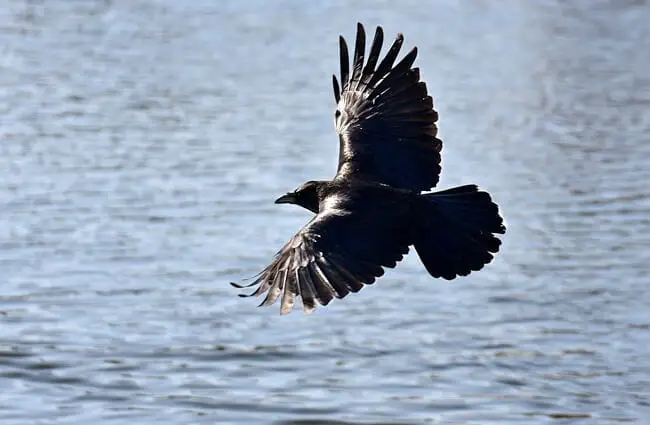
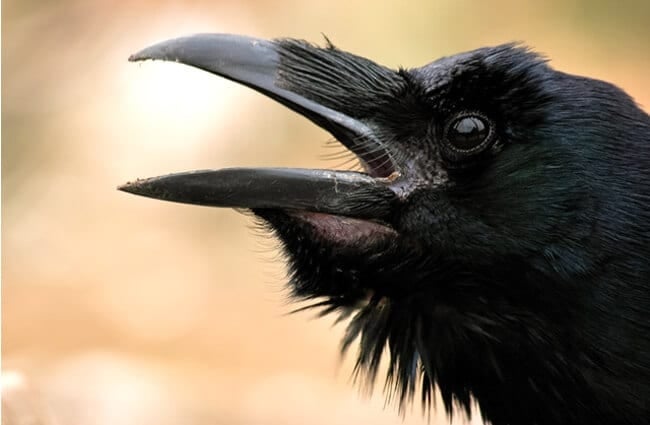
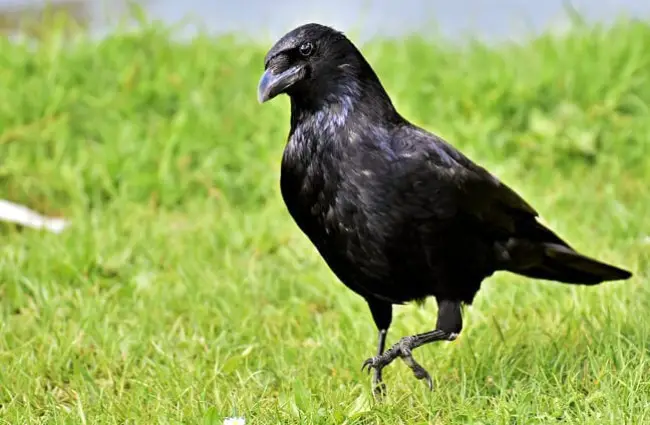
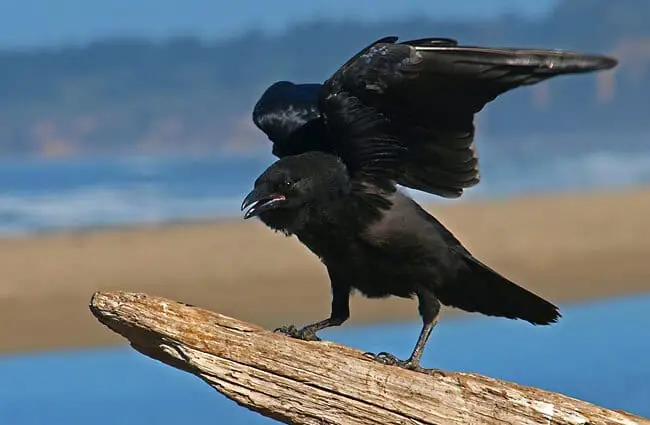
- Appearance: Ravens are entirely black, from their feathers to their beak and legs. Their plumage often has an iridescent sheen, appearing purple or blue in certain lights.
- Size: These are substantial birds, typically measuring 56 to 69 cm (22 to 27 inches) in length with a wingspan of 118 to 150 cm (46 to 59 inches). They can weigh between 0.69 to 2 kg (1.5 to 4.4 lbs).
- Distinctive Features: Look for their thick, shaggy throat feathers (hackles), a heavy, slightly curved beak, and a wedge-shaped tail in flight. Crows, by contrast, have a fan-shaped tail.
Where Do Ravens Live? A Global Wanderer’s Habitat
Ravens boast one of the largest distributions of any passerine bird, thriving across a vast array of environments. Their adaptability is truly remarkable, allowing them to inhabit diverse landscapes across the Northern Hemisphere.
- Geographic Range: Common Ravens can be found throughout North America, Europe, Asia, and North Africa. They are truly cosmopolitan birds.
- Preferred Habitats:
- Forests: From dense coniferous forests to mixed woodlands, providing nesting sites and foraging opportunities.
- Mountains: High altitudes, rocky cliffs, and remote wilderness areas are favored for their isolation and vantage points.
- Coasts: Coastal cliffs and shorelines offer abundant food sources, including carrion and marine invertebrates.
- Deserts: Surprisingly, ravens can adapt to arid environments, often found near water sources or human settlements.
- Tundra and Arctic Regions: Their thick plumage and resourceful nature allow them to survive in extreme cold.
- Urban and Suburban Areas: Increasingly, ravens are adapting to human-modified landscapes, especially where food waste is accessible.
- Finding Ravens in the Wild: To spot a raven, look for large, soaring black birds with a distinctive deep, guttural “cronk-cronk” call. They often perch on high vantage points like power poles, tall trees, or cliff edges. Their presence is a good indicator of a healthy, diverse ecosystem.
What Do Ravens Eat? The Ultimate Opportunist’s Diet
Ravens are omnivores and highly opportunistic feeders, a trait that contributes significantly to their widespread success. Their diet is incredibly varied, reflecting their ability to exploit almost any available food source.
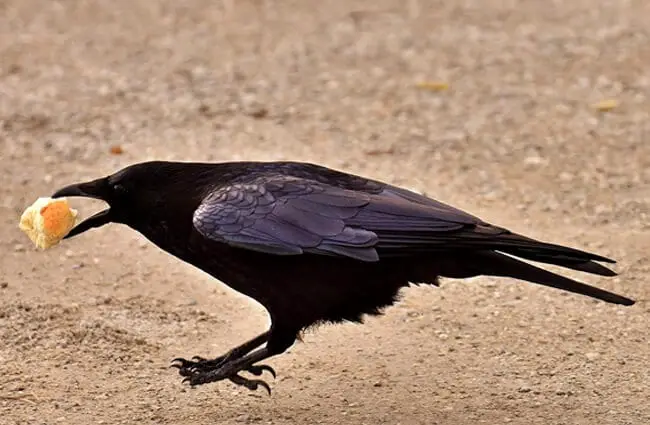
- Carrion: A significant portion of their diet consists of carrion, making them crucial scavengers in many ecosystems. They help clean up carcasses, preventing the spread of disease.
- Small Animals: They actively hunt small mammals (like rodents), birds, eggs, insects, and amphibians.
- Plant Matter: Berries, fruits, grains, and seeds are also consumed, especially when other food sources are scarce.
- Invertebrates: Insects, spiders, and other invertebrates form a regular part of their diet.
- Human-Related Food: In areas with human presence, ravens readily scavenge from landfills, dumpsters, and picnic areas.
This diverse diet highlights their ecological role as both predators and scavengers, contributing to nutrient cycling and ecosystem health.
Encountering a Raven in the Wild: What to Do
For hikers and nature enthusiasts, encountering a raven can be a memorable experience. These birds are generally wary but can be curious.
- Observe from a Distance: Maintain a respectful distance to avoid disturbing the bird. Use binoculars for a closer look.
- Do Not Feed Wild Ravens: Feeding wild animals can lead to dependency, alter their natural behaviors, and expose them to dangers from humans or vehicles.
- Appreciate Their Presence: Simply enjoy the sight and sound of these intelligent creatures. Their calls and aerial displays are fascinating to witness.
- If a Raven Approaches: While uncommon, a curious raven might approach. Do not offer food or try to pet it. Simply continue on your way, and the bird will likely move on.
Beyond the Basics: Raven Intelligence, Reproduction, and Ecology
The raven’s reputation for intelligence is well-earned. Scientific studies continually reveal the depth of their cognitive abilities, placing them among the smartest animals on the planet.
Raven Intelligence and Behavior
Ravens exhibit a suite of behaviors that demonstrate advanced problem-solving skills, complex communication, and social intelligence.
- Problem-Solving: They have been observed using tools, such as dropping stones to raise water levels to reach food, or using sticks to probe for insects. They can also solve multi-step puzzles to access rewards.
- Communication: Ravens possess an incredibly diverse vocal repertoire, with over 15 to 30 distinct calls used for various purposes, including alarm calls, contact calls, and even mimicry. They can communicate about food sources, predators, and social status.
- Social Behavior: Young ravens often form non-breeding flocks, where they learn social dynamics and foraging techniques. Mated pairs are monogamous and highly territorial.
- Play: Ravens are known to engage in playful behaviors, such as sliding down snowy slopes, playing “keep-away” with objects, and even engaging in aerial acrobatics purely for enjoyment.
- Memory: They have excellent spatial memory, remembering the locations of cached food and potential threats.
Mating and Reproduction: A Lifelong Bond
Ravens typically form monogamous pair bonds that can last for life. Their breeding cycle is a testament to their dedication and parental care.
- Courtship: Courtship rituals involve elaborate aerial displays, mutual preening, and vocalizations. Pairs often reinforce their bond by flying together in synchronized patterns.
- Nesting: Nests are large, bulky structures made of sticks, branches, and mud, lined with softer materials like fur, grass, and moss. They are typically built on high, inaccessible locations such as cliff ledges, tall trees, or human-made structures like power line towers.
- Eggs and Incubation: Females usually lay 3 to 7 eggs, which are pale blue-green with brown speckles. The female primarily incubates the eggs for about 18 to 21 days, while the male brings her food.
- Raising Young: Both parents are involved in feeding the altricial (helpless at birth) chicks. The young fledge (leave the nest) after 5 to 7 weeks but remain dependent on their parents for several more weeks, learning essential survival skills.
Raven’s Evolutionary History
The genus Corvus, to which ravens belong, is believed to have originated in Asia and subsequently spread across the globe. Genetic studies suggest that the Common Raven itself is a relatively ancient species, with its lineage diverging from other corvids millions of years ago. Its remarkable adaptability to diverse climates and food sources has allowed it to thrive and diversify across continents, leading to several recognized subspecies.
Ravens in the Ecosystem: Keystone Scavengers and More
The raven’s contribution to its ecosystem is multifaceted and crucial. They play several vital roles that impact other animals and the overall health of their environment.
- Scavengers: As primary scavengers, ravens help to remove carrion from the landscape, preventing the buildup of decaying matter and potentially limiting the spread of diseases. This role is particularly important in wilderness areas.
- Seed Dispersers: By consuming fruits and berries, ravens can inadvertently disperse seeds, aiding in plant propagation.
- Predators: They help control populations of small mammals and insects, contributing to the balance of prey species.
- Interactions with Other Animals:
- Wolves and Bears: Ravens often follow large predators like wolves and bears, waiting for them to make a kill so they can scavenge the leftovers. They may even alert these predators to potential prey.
- Other Scavengers: They compete with other scavengers like coyotes and eagles for food, but their intelligence often gives them an edge.
- Prey Species: Small birds and mammals recognize ravens as a threat and often react with alarm calls when they are present.
Ravens and Humanity: Culture, Care, and Conservation
The raven’s intelligence and striking appearance have ensured its prominent place in human culture and history.
Raven’s Contribution to Human Culture
Across cultures and continents, the raven has been a powerful symbol, embodying a wide range of meanings.
- Mythology and Folklore:
- Native American Cultures: Often revered as a trickster god, creator figure, or bringer of light and knowledge.
- Norse Mythology: Huginn (thought) and Muninn (memory) were Odin’s two ravens, who flew across the world and brought him news.
- Celtic Mythology: Associated with war, prophecy, and the goddess Morrigan.
- Biblical References: Ravens fed the prophet Elijah, and a raven was sent by Noah from the ark.
- Literature and Art: From Edgar Allan Poe’s iconic poem “The Raven” to appearances in modern fantasy, these birds continue to inspire artists and writers.
- Symbolism: Ravens symbolize wisdom, mystery, death, prophecy, intelligence, and transformation.
Raven’s Interaction with Humans
The relationship between ravens and humans is complex and varies greatly depending on the context.
- Coexistence: In many rural and wilderness areas, ravens coexist peacefully with humans, often benefiting from human activities like farming (scavenging crop waste) or hunting (scavenging gut piles).
- Urban Adaptation: Ravens are increasingly adapting to urban environments, where they can be seen scavenging in parks, landfills, and even residential areas.
- Conflict: Occasionally, ravens can be perceived as pests, particularly by farmers concerned about crop damage or livestock predation (though this is rare for healthy livestock). Their intelligence can also lead to conflicts when they learn to exploit human resources, like opening trash bins.
- Conservation: While the Common Raven is not globally endangered, local populations can face threats from habitat loss, persecution, and poisoning. Understanding their ecological role is crucial for their continued protection.
Caring for a Raven in Captivity: A Zookeeper’s Guide
Caring for a raven in a zoological setting requires specialized knowledge and a deep understanding of their complex needs.
- Enclosure Design:
- Spaciousness: Ravens require large enclosures that allow for flight and exploration.
- Enrichment: Provide a variety of perches at different heights, natural substrates, and climbing opportunities.
- Security: Enclosures must be secure to prevent escape and protect from external threats.
- Diet:
- Varied Diet: Mimic their wild omnivorous diet with a mix of high-quality commercial bird pellets, fresh fruits, vegetables, insects, small rodents (prey items), and occasional carrion.
- Supplementation: Ensure adequate calcium and vitamin supplementation, especially for breeding birds.
- Behavioral Enrichment:
- Puzzle Feeders: Provide food in puzzle feeders to stimulate their problem-solving abilities.
- Novel Objects: Introduce new toys, branches, or objects regularly to prevent boredom.
- Social Interaction: If housed in pairs or groups, monitor social dynamics. Human interaction, if appropriate, can also be enriching.
- Training: Positive reinforcement training can be used for husbandry behaviors and mental stimulation.
- Health Monitoring:
- Regular Vet Checks: Routine veterinary examinations are essential.
- Feather and Beak Health: Monitor for signs of stress or nutritional deficiencies.
- Hygiene: Maintain a clean enclosure to prevent disease.
- What to Avoid:
- Isolation: Ravens are social creatures; prolonged isolation can lead to stress.
- Monotonous Environment: Lack of enrichment can result in stereotypic behaviors.
- Inappropriate Diet: Feeding only one type of food or human junk food can lead to nutritional deficiencies.
- Handling Stress: Minimize unnecessary handling, as it can be stressful for the birds.
A Huge List of Interesting Raven Facts
Dive deeper into the world of ravens with these captivating tidbits:
- Ravens can live for a surprisingly long time, up to 20 years in the wild and over 40 years in captivity.
- They are known to cache food, hiding it for later consumption, and will often pretend to cache food to deceive other ravens.
- Ravens have been observed mimicking the calls of other birds, animals, and even human speech.
- They are excellent fliers, capable of complex aerial maneuvers, including barrel rolls and flying upside down.
- A group of ravens is often called an “unkindness” or a “conspiracy,” reflecting their mysterious reputation.
- Young ravens often engage in “gang” behavior, harassing larger predators to steal food.
- They have been documented using gestures, such as pointing with their beaks, to communicate with each other.
- Ravens can recognize individual human faces and remember interactions, both positive and negative.
- Their powerful beaks are capable of tearing tough hides and cracking nuts.
- Ravens are one of the few bird species known to play, often engaging in elaborate games.
The Enduring Allure of the Raven
From their soaring flights over rugged landscapes to their clever problem-solving in urban settings, ravens continue to fascinate and inspire. Their intelligence, adaptability, and complex social lives make them truly exceptional creatures. Whether observed in the wild, studied in a research setting, or admired in cultural narratives, the Common Raven stands as a powerful symbol of nature’s ingenuity and enduring mystery. Understanding and appreciating these magnificent birds enriches our own connection to the natural world and reminds us of the intricate beauty that surrounds us.
![Closeup of a beautiful Red Angus cowPhoto by: U.S. Department of Agriculture [pubic domain]https://creativecommons.org/licenses/by/2.0/](https://animals.net/wp-content/uploads/2020/03/Red-Angus-4-238x178.jpg "Red Angus")
![Closeup of a beautiful Red Angus cowPhoto by: U.S. Department of Agriculture [pubic domain]https://creativecommons.org/licenses/by/2.0/](https://animals.net/wp-content/uploads/2020/03/Red-Angus-4-100x75.jpg "Red Angus")