Deep within the misty embrace of Central America’s cloud forests lives a bird so breathtaking, so utterly magnificent, it seems plucked from the pages of a myth. This is the Resplendent Quetzal, a creature whose vibrant plumage and elusive nature have captivated humanity for millennia. Far more than just a pretty face, the Quetzal is a vital thread in the intricate tapestry of its ecosystem, a living legend, and a powerful symbol of the wild.
For anyone from the casual birdwatcher to the dedicated zoologist, understanding the Quetzal offers a window into the wonders of biodiversity and the delicate balance of nature. Let us embark on a journey to uncover the secrets of this avian jewel, from its dazzling appearance to its ancient lineage and the critical role it plays in its world.
Unveiling the Resplendent Quetzal: A Vision in Green and Red
A Dazzling Appearance
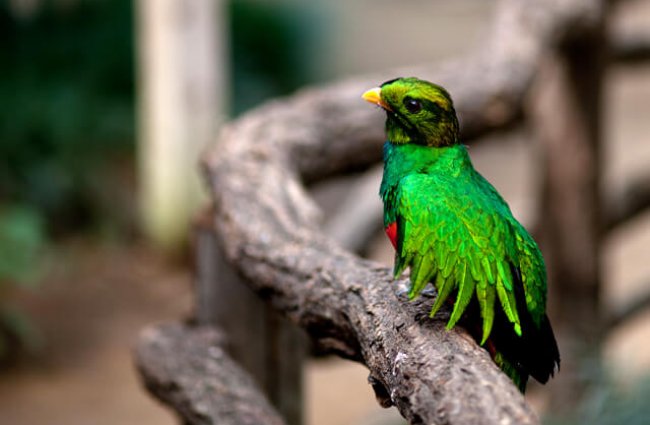
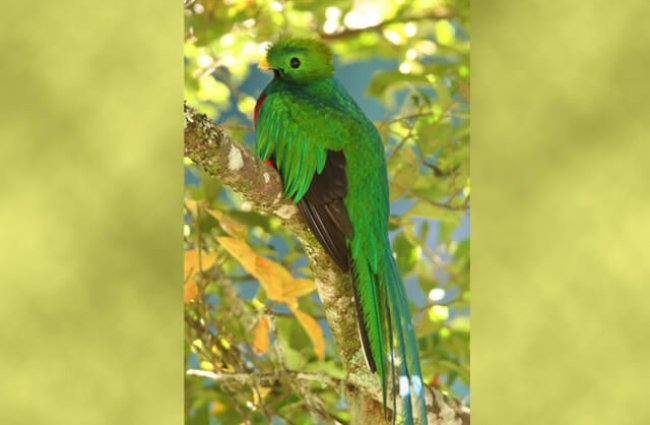
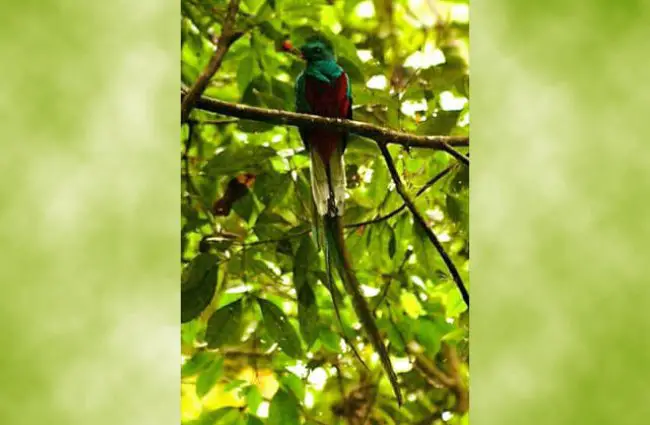
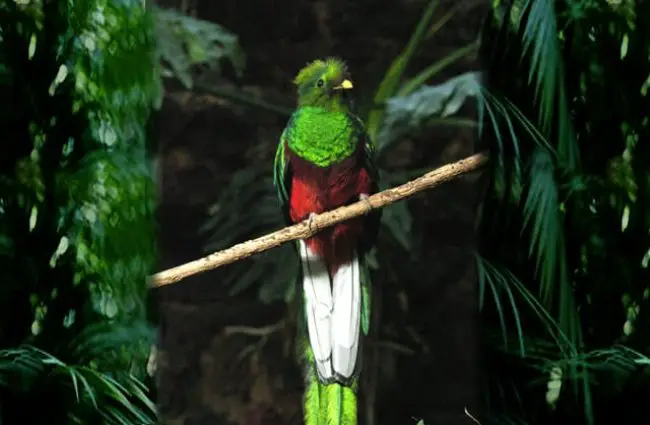
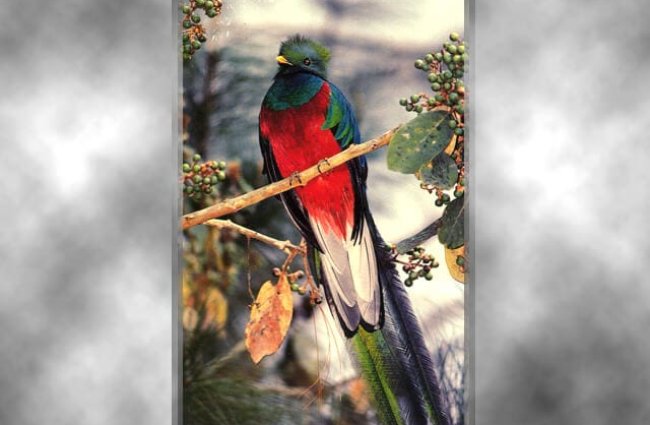
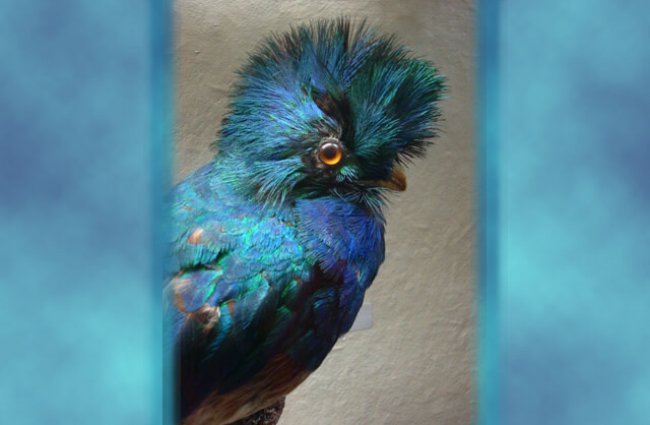
The Resplendent Quetzal (Pharomachrus mocinno) is arguably one of the most visually striking birds on Earth. Males are particularly famous for their iridescent green plumage, which shimmers with hints of gold, blue, and purple depending on the light. This vibrant green contrasts dramatically with a brilliant crimson breast and belly. Their heads are adorned with a crest of bristly green feathers, and perhaps their most iconic feature is the pair of elongated upper tail coverts, which can extend up to three feet (one meter) beyond the actual tail, flowing gracefully behind them in flight.
Females, while still beautiful, are more subdued. They lack the long tail coverts and the prominent crest, and their green plumage is less iridescent, often appearing duller. Their breasts are typically grey or brown, with only a hint of red on the lower belly. Both sexes possess a distinctive yellow bill, though the male’s is brighter. These birds are medium-sized, typically measuring about 14 to 16 inches (36 to 40 cm) in body length, not including the male’s impressive tail streamers.
Where the Quetzal Calls Home: Cloud Forest Sanctuaries
The Quetzal is a denizen of the Neotropics, specifically inhabiting the humid, high-altitude cloud forests of Mesoamerica. Its range extends from southern Mexico, through Guatemala, Honduras, El Salvador, Nicaragua, and Costa Rica, down to western Panama. These cloud forests are characterized by persistent mist, high humidity, and a rich diversity of plant life, including towering trees draped in epiphytes like mosses, ferns, and orchids.
These birds typically reside at elevations ranging from 4,000 to 7,000 feet (1,200 to 2,100 meters) above sea level. The specific microclimates and abundant food sources found in these unique ecosystems are crucial for the Quetzal’s survival. They are altitudinal migrants, moving to lower elevations during the non-breeding season in search of food, but always remaining within the cloud forest biome.
The Quetzal’s Menu: A Fruity Feast with a Side of Protein
The diet of the Resplendent Quetzal is highly specialized, revolving primarily around fruits, particularly those of the avocado family (Lauraceae). Wild avocados, often smaller than their cultivated cousins, are a critical food source, especially during the breeding season. The Quetzal has a unique feeding strategy: it plucks the fruit, swallows it whole, and later regurgitates the large seed, effectively dispersing it throughout the forest. This makes the Quetzal an invaluable seed disperser, playing a key role in the regeneration of its forest habitat.
While fruits constitute the bulk of their diet, Quetzals are not exclusively frugivorous. They supplement their meals with a variety of insects, including wasps, ants, and larvae, particularly when feeding their young, who require protein for rapid growth. Occasionally, they may also consume small frogs or lizards. This varied diet ensures they receive all necessary nutrients, especially during demanding periods like nesting.
Life Cycle and Social Dynamics of the Quetzal
Courtship and Nesting: A Dance in the Canopy
The breeding season for Quetzals typically occurs between March and June, coinciding with the peak availability of their preferred fruits. During this time, males engage in spectacular courtship displays, flying in undulating patterns through the forest canopy, their long tail streamers trailing behind them, accompanied by their distinctive, low-pitched calls. These calls, often described as a soft “whee-o whee-o” or “kwa-kwa-kwa,” help attract mates and establish territories.
Quetzals are cavity nesters, but unlike many birds, they do not excavate their own nests from scratch. Instead, they seek out existing holes in decaying tree trunks, often those left by woodpeckers, and then enlarge them using their strong bills. Both parents share the responsibilities of incubation, which lasts about 17 to 18 days. The male’s long tail feathers are often folded back into the nest cavity during incubation, sometimes protruding from the entrance.
Typically, two pale blue eggs are laid. Once hatched, the altricial chicks are blind and featherless, completely dependent on their parents. Both male and female diligently feed the young a diet rich in insects and small vertebrates initially, transitioning to more fruit as the chicks mature. Fledging occurs after about three weeks, but the young birds remain with their parents for some time, learning essential foraging skills before venturing out on their own.
A Solitary Existence, Except When It Counts
Outside of the breeding season, Resplendent Quetzals are generally solitary birds. They maintain individual territories, though these may overlap. Their elusive nature and preference for dense forest cover make them challenging to observe. During the breeding period, however, pairs form strong bonds, working together to raise their young. Once the chicks fledge and become independent, the pair bond dissolves, and the birds return to their solitary lives until the next breeding season. This solitary behavior helps minimize competition for resources in their often-fragile habitat.
The Quetzal’s Place in the Web of Life and Time
An Ancient Lineage: The Trogon Family Tree
The Resplendent Quetzal belongs to the family Trogonidae, an ancient and distinct group of birds found in tropical and subtropical forests worldwide. Trogons are characterized by their unique foot structure, known as heterodactyl, where the first and second toes point backward, and the third and fourth toes point forward. This adaptation is highly specialized for perching and climbing on tree trunks and branches, allowing them to maneuver effectively in their arboreal habitat.
Fossil evidence suggests that trogons have a long evolutionary history, dating back tens of millions of years. The Quetzal’s specialized diet of fruits, particularly Lauraceae, indicates a co-evolutionary relationship with these plants, highlighting the deep ecological connections that have shaped its biology over vast stretches of time. Its iridescent plumage is also a result of complex feather structures that scatter light, a trait shared by many ancient bird lineages.
Ecosystem Engineer: Seed Dispersal and Forest Health
The Quetzal is more than just a beautiful bird; it is a keystone species in its cloud forest ecosystem. Its role as a primary disperser of large-seeded fruits, especially wild avocados, is critical for the health and regeneration of the forest. By consuming fruits and regurgitating the seeds far from the parent plant, Quetzals help prevent overcrowding and facilitate the spread of these vital tree species. Without effective seed dispersers like the Quetzal, the composition and structure of the cloud forest could drastically change, impacting countless other species that rely on these trees for food and shelter.
Its interactions extend to other animals as well. While primarily a frugivore, its occasional consumption of insects helps regulate insect populations. It also forms part of the food chain, potentially falling prey to raptors like ornate hawk-eagles or mammals such as tayras or arboreal snakes, particularly when nesting. This intricate web of interactions underscores the Quetzal’s integral role in maintaining the biodiversity and ecological balance of its habitat.
The Quetzal and Humanity: A Tapestry of Myth and Modernity
For centuries, the Resplendent Quetzal has held profound cultural significance for the indigenous peoples of Mesoamerica. The ancient Maya and Aztec civilizations revered the Quetzal as a sacred bird, associating it with the god Quetzalcoatl, the feathered serpent deity of wind, air, and learning. Its vibrant green feathers were considered more precious than gold, used to adorn the headdresses of royalty and priests, symbolizing fertility, wealth, and freedom. It was believed that the Quetzal could not survive in captivity, a myth that further cemented its status as a symbol of liberty.
Today, the Quetzal remains a powerful national symbol. It is the national bird of Guatemala, and its image graces the country’s flag and coat of arms. The Guatemalan currency is even named the “Quetzal.” This deep cultural connection has fostered a sense of pride and a growing awareness of the need for its conservation. However, modern human interactions also pose significant threats, primarily habitat destruction through deforestation for agriculture, logging, and development. Climate change also presents a looming danger, as it alters the delicate conditions of the cloud forests.
Encountering the Quetzal: Tips for Birdwatchers and Hikers
Where and When to Spot This Elusive Beauty
For animal lovers and aspiring zoologists hoping to glimpse a Resplendent Quetzal in the wild, patience and preparation are key. The best time to see them is during their breeding season, typically from March to June, when males are more active and vocal. Prime locations known for Quetzal sightings include:
- Costa Rica: Monteverde Cloud Forest Biological Preserve, Los Quetzales National Park, San Gerardo de Dota.
- Guatemala: Biotopo del Quetzal (Mario Dary Rivera Protected Biotope).
- Mexico: El Triunfo Biosphere Reserve (Chiapas).
- Panama: Volcán Barú National Park, Los Quetzales Trail (Boquete).
Hiring a local guide who knows the birds’ habits and territories significantly increases your chances of a successful sighting. Early mornings are often the most active times for Quetzals, as they forage for food.
Respectful Encounters: A Hiker’s Guide
If you are fortunate enough to encounter a Quetzal in the wild, remember that you are a guest in its home. Responsible wildlife viewing is paramount:
- Stay on Designated Trails: This minimizes disturbance to the habitat and prevents accidental harm to plants and animals.
- Maintain a Respectful Distance: Use binoculars or a telephoto lens for close-up views. Never approach a Quetzal, especially if it is nesting or feeding young.
- Be Quiet and Still: Loud noises or sudden movements can scare the birds away and cause unnecessary stress.
- Do Not Feed Wildlife: Offering food can alter their natural foraging behaviors and make them dependent on humans, which is detrimental to their survival.
- Leave No Trace: Pack out everything you pack in. Do not leave any trash or disturb the natural environment.
Observing a Quetzal in its natural habitat is a privilege. By following these guidelines, you contribute to its conservation and ensure that future generations can also experience the magic of this extraordinary bird.
The Quetzal in Captivity: Challenges and Responsibilities for Zookeepers
A Delicate Balance: Replicating the Cloud Forest
Caring for a Resplendent Quetzal in captivity presents significant challenges, making them rare in zoos. Their specialized habitat requirements and sensitive nature demand meticulous attention from zookeepers. Key tasks and considerations include:
- Enclosure Design: Quetzals require very large, vertically oriented enclosures that mimic the dense, multi-layered structure of a cloud forest. This includes live trees, abundant foliage, and climbing branches.
- Environmental Control: Maintaining the precise environmental conditions of a cloud forest is crucial. This means high humidity (often 80-90%), specific temperature ranges (typically cool, around 60-70°F or 15-21°C), and adequate air circulation. Misting systems and humidifiers are often employed.
- Dietary Management: Replicating their complex diet is paramount. Zookeepers must provide a variety of fresh, ripe fruits, with a strong emphasis on avocado and other Lauraceae fruits when available. This is supplemented with high-quality insect protein (crickets, mealworms, waxworms) and specialized avian vitamin and mineral supplements to ensure complete nutrition.
- Stress Reduction: Quetzals are highly sensitive to stress. Enclosures should be designed to offer ample hiding spots and minimize human disturbance. Quiet environments are preferred, and interactions with keepers should be calm and predictable.
- Social Needs: While generally solitary, careful consideration must be given to pair housing during breeding season, ensuring compatibility and providing sufficient space to avoid aggression.
Breeding Programs and Conservation Efforts
Breeding Resplendent Quetzals in captivity is notoriously difficult, with very few successful instances globally. This underscores the importance of protecting their wild populations. Zoos that house Quetzals often participate in Species Survival Plans (SSPs) or similar conservation breeding programs, aiming to maintain genetic diversity and contribute to scientific research. These programs also serve an educational purpose, raising public awareness about the species and the threats it faces. However, the primary focus for Quetzal conservation remains habitat protection and restoration in the wild.
Fascinating Facts About the Quetzal
- The name “Quetzal” comes from the Nahuatl word “quetzalli,” meaning “large, brilliant tail feather” or “precious, beautiful.”
- Quetzals are part of the Trogonidae family, which includes other vibrant birds found in tropical regions worldwide.
- Their iridescent colors are not due to pigments, but rather to the microscopic structure of their feathers, which scatters light in a phenomenon called structural coloration.
- Unlike most birds, Quetzals have heterodactyl feet, with two toes pointing forward and two backward, perfectly adapted for gripping tree bark.
- The male’s spectacular tail streamers are actually elongated upper tail coverts, not the tail feathers themselves. These grow back each year after molting.
- Quetzals are known for their relatively quiet and melodious calls, often described as a soft, mournful whistle.
- They are considered an indicator species, meaning their presence or absence can signal the health of the cloud forest ecosystem.
- Despite their striking appearance, Quetzals are surprisingly difficult to spot in the wild due to their preference for dense canopy and their ability to remain motionless for long periods.
A Symbol of Wilderness and Hope
The Resplendent Quetzal stands as a magnificent testament to the beauty and complexity of the natural world. From its shimmering plumage and specialized diet to its ancient lineage and profound cultural significance, every aspect of this bird tells a story of adaptation, interdependence, and enduring wonder. It is a living jewel, a vital seed disperser, and a powerful symbol of freedom and the pristine wilderness of the cloud forests.
As we continue to learn more about the Quetzal, its challenges, and its critical role in the ecosystem, our responsibility to protect it becomes ever clearer. Safeguarding its cloud forest home is not just about preserving a single species; it is about protecting an entire, irreplaceable biome that benefits countless other creatures and ultimately, humanity itself. The future of the Resplendent Quetzal, and the magic it brings to our world, rests in our hands.
![Closeup of a beautiful Red Angus cowPhoto by: U.S. Department of Agriculture [pubic domain]https://creativecommons.org/licenses/by/2.0/](https://animals.net/wp-content/uploads/2020/03/Red-Angus-4-238x178.jpg "Red Angus")
![Closeup of a beautiful Red Angus cowPhoto by: U.S. Department of Agriculture [pubic domain]https://creativecommons.org/licenses/by/2.0/](https://animals.net/wp-content/uploads/2020/03/Red-Angus-4-100x75.jpg "Red Angus")