The world’s oceans teem with life, and among its most captivating inhabitants are porpoises. Often confused with their dolphin cousins, porpoises represent a unique branch of marine mammal evolution, boasting distinctive characteristics and playing crucial roles in oceanic ecosystems. This guide delves into the fascinating world of porpoises, exploring their biology, behavior, habitats, and conservation status, offering insights for students, animal enthusiasts, and aspiring zoologists alike.
What is a Porpoise?
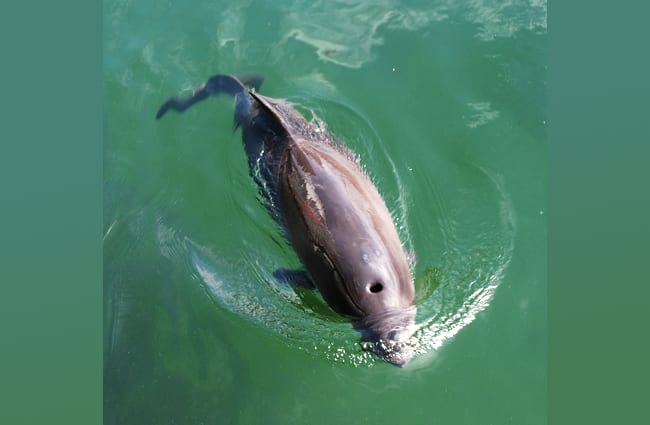
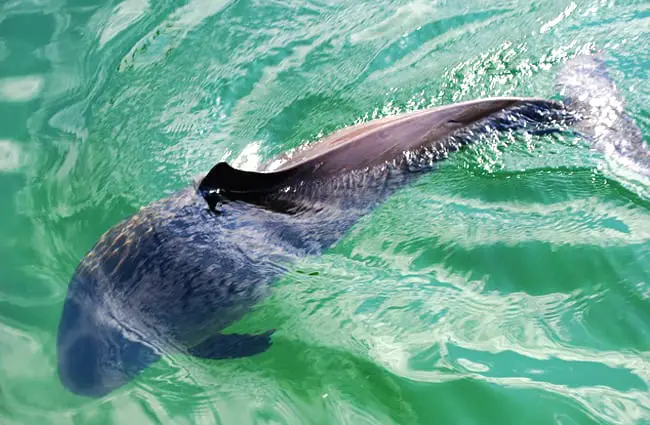
Porpoises are small toothed whales belonging to the family Phocoenidae. There are six recognized species of porpoise, each adapted to specific oceanic environments. They are characterized by their generally smaller size, stockier bodies, and triangular dorsal fins, setting them apart from the more familiar bottle nosed dolphins. Porpoises generally have blunter snouts, while dolphins typically possess prominent beaks.
Species of Porpoise
The six species of porpoise are:
- Harbor Porpoise (Phocoena phocoena): The most widely distributed species, found in cool temperate and subarctic waters of the North Atlantic and North Pacific.
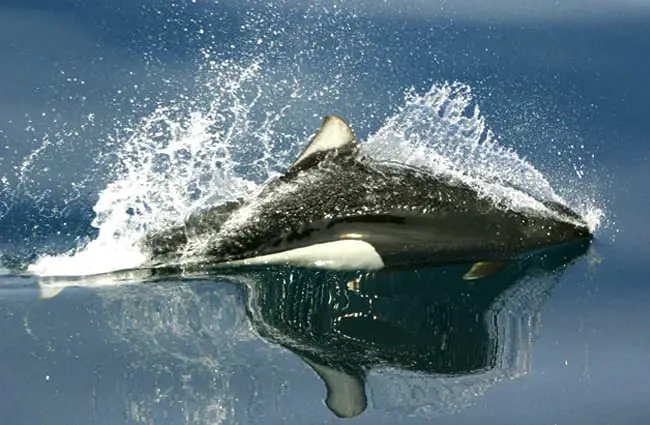
- Dall’s Porpoise (Phocoenoides dalli): Known for its distinctive black and white coloration and high swimming speeds, inhabiting the North Pacific and North Atlantic.
- Spectacled Porpoise (Phocoena dioptrica): Found in the southern Pacific Ocean, notable for its dark rings around the eyes.
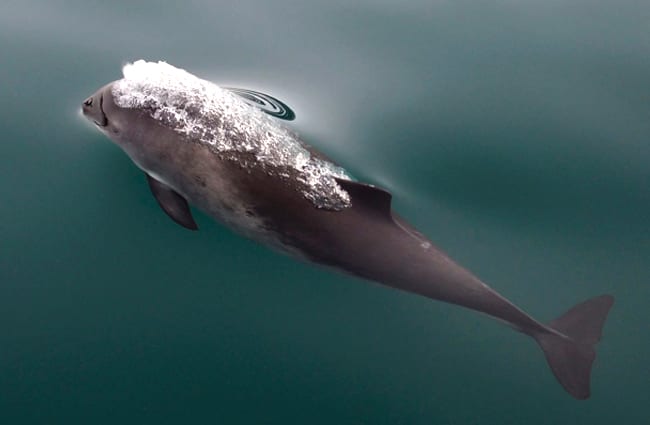
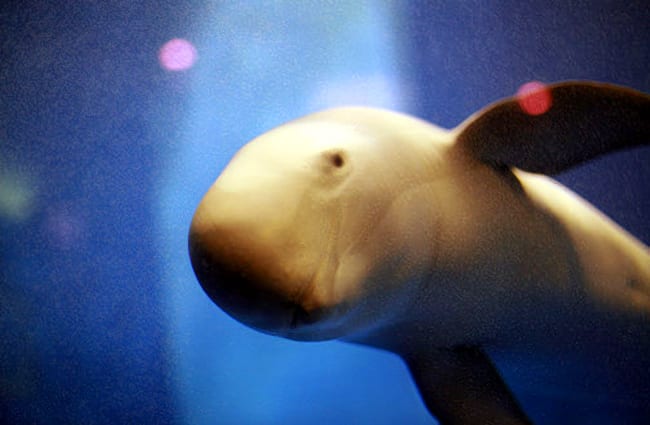
- Vaquita (Phocoena sinus): The most endangered marine mammal, endemic to the Gulf of California.
- Finless Porpoise (Neophocaena asiaeorientalis): Lacking a dorsal fin, found in coastal waters of East Asia.
- Burmeister’s Porpoise (Phocoena spinipinnis): Found in the southeastern Pacific Ocean off the coasts of South America.
Porpoise Habitat and Distribution
Porpoises exhibit diverse habitat preferences, ranging from cold coastal waters to warmer open ocean environments. Their distribution largely depends on species and water temperature. The harbor porpoise, for example, prefers the cooler waters of the North Atlantic and North Pacific, frequently found in bays, estuaries, and near shorelines. Dall’s porpoise inhabits the North Pacific, often associating with currents and upwelling zones. The vaquita’s range is tragically limited to a small section of the Gulf of California, while the finless porpoise is found in the coastal waters of East Asia, including rivers and estuaries.
Evolutionary History
The evolutionary history of porpoises, like that of all cetaceans, traces back to land‑dwelling mammals roughly 50 million years ago. Early ancestors gradually adapted to aquatic life, developing streamlined bodies, flippers, and blowholes. The Phocoenidae family, to which all porpoises belong, is believed to have diverged from other cetaceans during the Miocene epoch, roughly 23 to 5 million years ago. Fossil evidence suggests that early porpoises were similar in size and shape to modern species, indicating a relatively stable evolutionary trajectory.
Diet and Foraging Behavior
Porpoises are carnivores, primarily feeding on fish and squid. Their diet varies depending on species, location, and prey availability. Harbor porpoises consume a wide range of small fish and squid, while Dall’s porpoises are known to feed on lanternfish and other deep‑sea species. Porpoises employ various foraging strategies, including echolocation to locate prey in murky waters. They often hunt in groups, cooperatively herding fish or squid before consuming them. Their teeth are simple, spade shaped, designed for grasping rather than chewing.
Social Behavior and Communication
Porpoises are generally less social than dolphins, often observed in smaller groups or alone. However, they do exhibit social interactions, particularly during mating season or when foraging cooperatively. Communication plays a crucial role in their social lives, with porpoises using a combination of vocalizations and body language to convey information. They produce a variety of clicks, whistles, and burst pulsed sounds, which are used for echolocation and communication. These sounds travel through water, allowing porpoises to communicate over significant distances.
Reproduction and Life Cycle
Porpoises typically reach sexual maturity between three and five years of age. Mating behavior varies among species, but generally involves males pursuing females and engaging in elaborate displays. Gestation periods range from 10 to 12 months, resulting in the birth of a single calf. Calves are nursed by their mothers for several months, learning essential survival skills. Porpoises have relatively slow reproductive rates, making them vulnerable to population declines. Lifespans vary among species, with some porpoises living for over 20 years.
Ecological Role and Interactions
Porpoises play important roles in marine ecosystems, acting as both predators and prey. As predators, they help regulate populations of fish and squid, contributing to the overall health and balance of the ecosystem. They also serve as prey for larger predators, such as sharks and orcas. Porpoises interact with other marine animals in various ways. They sometimes associate with other cetaceans, such as dolphins and whales, and may even engage in cooperative foraging. They also compete with other predators for resources.
Porpoises and Humans
Historically, porpoises were hunted for their meat and blubber, but commercial whaling has largely ceased. Today, the main threats to porpoises are habitat loss, pollution, entanglement in fishing gear, and climate change. Entanglement in gillnets and other fishing gear is a major source of mortality, particularly for the vaquita, which is critically endangered. Pollution, including plastic pollution and chemical contaminants, can harm porpoises’ health and reproductive success. Climate change is altering ocean temperatures and prey distributions, impacting porpoise populations.
Conservation Efforts
Numerous conservation efforts are underway to protect porpoises. These include establishing marine protected areas, reducing pollution, improving fishing gear, and conducting research to better understand porpoise populations and threats. International collaborations are essential to address transboundary issues, such as bycatch and pollution. Public awareness campaigns are also important to educate people about the importance of porpoise conservation.
Interesting Porpoise Facts
- Porpoises have spade shaped teeth, while dolphins have conical shaped teeth.
- Dall’s porpoises are among the fastest swimming cetaceans, capable of reaching speeds of over 30 miles per hour.
- The vaquita is the world’s most endangered marine mammal, with fewer than 20 individuals remaining.
- Finless porpoises lack a dorsal fin, making them unique among cetaceans.
- Porpoises use echolocation to navigate and find prey in murky waters.
Encountering a Porpoise
If you are lucky enough to encounter a porpoise while boating or swimming, observe it from a distance and avoid approaching it. Do not attempt to feed or touch the animal. Report any sightings to local marine mammal stranding networks. If you encounter an injured or stranded porpoise, contact the appropriate authorities immediately.
Porpoises are remarkable creatures, playing vital roles in marine ecosystems. By understanding their biology, behavior, and threats, we can work together to ensure their survival for generations to come. Their quiet elegance and crucial place in the ocean’s web of life warrant our respect, admiration, and dedicated conservation efforts.
![Closeup of a beautiful Red Angus cowPhoto by: U.S. Department of Agriculture [pubic domain]https://creativecommons.org/licenses/by/2.0/](https://animals.net/wp-content/uploads/2020/03/Red-Angus-4-238x178.jpg "Red Angus")

![Closeup of a beautiful Red Angus cowPhoto by: U.S. Department of Agriculture [pubic domain]https://creativecommons.org/licenses/by/2.0/](https://animals.net/wp-content/uploads/2020/03/Red-Angus-4-100x75.jpg "Red Angus")