The porcupine, a creature synonymous with its formidable coat of quills, is far more than just a prickly enigma. These fascinating rodents, found across diverse landscapes from dense forests to arid deserts, embody a remarkable story of adaptation, survival, and ecological significance. Often misunderstood, the porcupine holds a unique place in the animal kingdom, captivating scientists and nature enthusiasts alike with its distinctive appearance and intriguing behaviors.
Delving into the world of porcupines reveals a complex tapestry of life, from their ancient evolutionary roots to their crucial roles in modern ecosystems. Whether you are a student researching their dietary habits, an aspiring zoologist eager to understand their social structures, or simply an animal lover hoping to catch a glimpse of one in the wild, this comprehensive guide will unravel the mysteries of these spiky marvels.
Meet the Porcupine: A Prickly Introduction
Porcupines are rodents belonging to the order Rodentia, characterized by their most striking feature: a coat of sharp, barbed quills. These specialized hairs serve as a potent defense mechanism against predators. Globally, there are about two dozen species of porcupines, broadly categorized into two main groups: Old World porcupines (family Hystricidae) and New World porcupines (family Erethizontidae).
Old World porcupines, native to Africa, Asia, and parts of Europe, are generally larger, more terrestrial, and have quills that are often clustered and can be quite long. New World porcupines, found in North and South America, are typically smaller, more arboreal (tree-dwelling), and possess shorter, barbed quills that are interspersed with fur. Both groups, despite their geographical separation and some morphological differences, share the iconic quill defense.
These animals vary in size depending on the species, ranging from the relatively small prehensile-tailed porcupines, weighing just a few pounds, to the impressive African crested porcupine, which can tip the scales at over 60 pounds. Their coloration typically ranges from shades of brown to black, often with lighter quills that provide a stark contrast, serving as a warning display.
Lifespan and General Characteristics
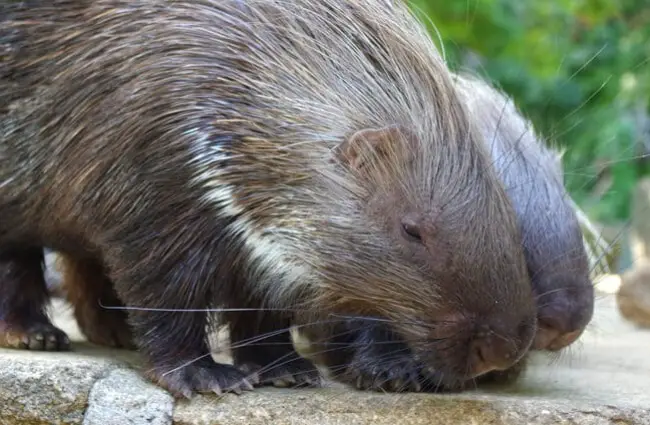
In the wild, porcupines typically live for 5 to 7 years, though some individuals can reach up to 10 years. In captivity, with optimal care and protection from predators, their lifespan can extend significantly, sometimes reaching 15 to 20 years. They possess strong claws for climbing and digging, and many New World species have a prehensile tail that acts as a fifth limb, aiding in their arboreal lifestyle.
Where the Wild Quills Roam: Habitat and Distribution
Porcupines are incredibly adaptable creatures, thriving in a wide array of habitats across three continents. Their distribution is a testament to their resilience and ability to exploit diverse ecological niches.
Global Reach: Old World vs. New World
- Old World Porcupines: These species are primarily found across Africa, southern Asia, and parts of Europe. Their habitats include:
- Tropical and temperate forests.
- Grasslands and savannas.
- Rocky outcrops and mountainous regions.
- Deserts and semi-arid environments.
They often seek shelter in caves, rock crevices, abandoned burrows, or dens they excavate themselves.
- New World Porcupines: Predominantly found throughout North and South America. Their preferred environments include:
- Coniferous and deciduous forests.
- Riparian zones (areas along rivers and streams).
- Shrublands and chaparral.
- Even some tundra and desert fringes.
North American porcupines (Erethizon dorsatum) are highly arboreal, spending much of their time in trees, where they feed and rest. They may also den in hollow logs, rock crevices, or abandoned buildings.
Finding Porcupines in the Wild
For the dedicated animal lover hoping to spot a porcupine, understanding their habits is key. Porcupines are primarily nocturnal, meaning they are most active from dusk till dawn. During the day, they typically rest in their dens or high up in trees. To increase your chances of an encounter:
- Time of Day: Plan your search for late evening or early morning.
- Location: Focus on forested areas, especially those with a mix of deciduous and coniferous trees. Look for signs of their presence, such as stripped bark on trees, which indicates their feeding activity.
- Signs: Keep an eye out for scat (droppings) or quills shed on the ground. In winter, tracks in the snow can lead to their den sites.
- Patience: Porcupines are generally solitary and can be elusive. A quiet approach and keen observation are essential.
The Porcupine’s Plate: Diet and Foraging Habits
Porcupines are herbivores, meaning their diet consists entirely of plant matter. Their strong jaws and continuously growing incisors are perfectly adapted for gnawing through tough vegetation. Their dietary preferences can vary significantly between species and seasons, reflecting the availability of food in their respective habitats.
A Menu of Greens and Bark
- Primary Diet:
- Bark: Especially during winter months when other food sources are scarce, porcupines will strip and consume the inner bark (cambium layer) of trees. They show a preference for certain species like pine, hemlock, spruce, and fir in North America.
- Leaves and Buds: In warmer months, leaves, young shoots, and tree buds form a significant part of their diet.
- Fruits and Berries: Seasonal fruits and berries are eagerly consumed when available.
- Nuts and Seeds: These provide valuable energy and nutrients.
- Roots and Tubers: Dug up from the ground, these offer sustenance, particularly for terrestrial species.
- Aquatic Plants: Some porcupine species have been observed feeding on water lilies and other aquatic vegetation.
- Nutritional Needs: Porcupines have a particular craving for sodium. They will often seek out salt licks, chew on shed antlers, or even gnaw on wooden tools, canoe paddles, or vehicle tires that have absorbed salt from human sweat or road salt. This sodium intake is crucial for their physiological functions.
Life with Quills: Behavior and Adaptations
The porcupine’s life revolves around its unique defense mechanism and its solitary, nocturnal existence. Their behaviors are finely tuned to ensure survival in often challenging environments.
Nocturnal and Solitary Nature
Most porcupine species are solitary animals, preferring to forage and rest alone. While they may occasionally be seen in small groups, especially during mating season or around a particularly good food source, they generally do not form complex social structures. Their nocturnal activity helps them avoid many diurnal predators and the heat of the day in warmer climates.
The Quill Defense: A Masterclass in Protection
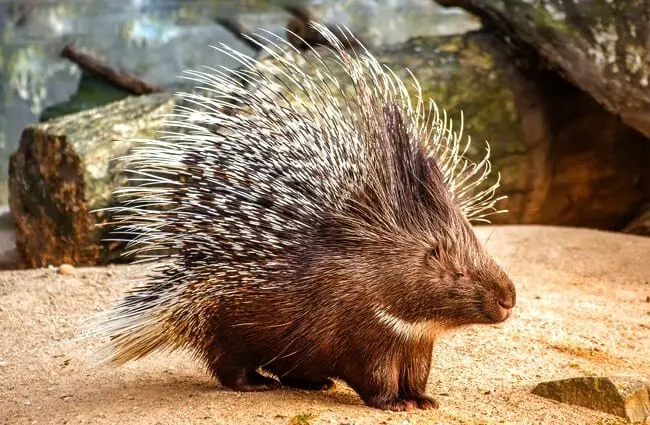
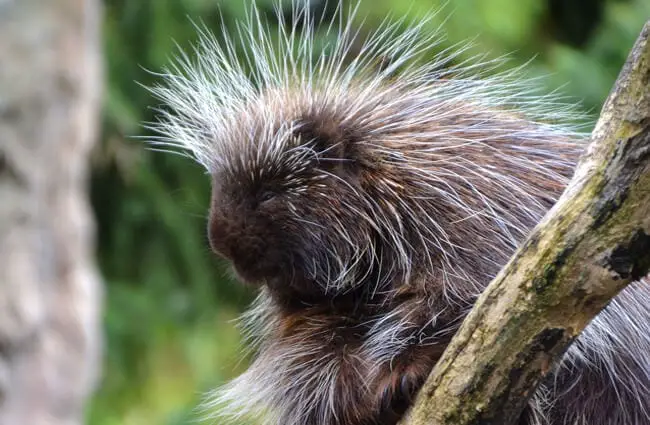
The quills are undoubtedly the porcupine’s most famous feature. These are not thrown, as popular myth suggests, but are instead modified hairs that are loosely attached to the skin. When threatened, a porcupine will typically:
- Raise its Quills: This makes the animal appear larger and more intimidating.
- Turn its Back: Presenting its most heavily quilled area to the threat.
- Lash its Tail: If a predator gets too close, the porcupine may lash its tail, embedding quills into the attacker.
Each quill is hollow, lightweight, and tipped with microscopic barbs. These barbs act like tiny fishhooks, making the quill incredibly difficult to remove once embedded. The quills are constantly shed and regrown, ensuring a fresh supply. This defense is highly effective against most predators, teaching them a painful lesson to avoid future encounters.
Other Adaptations
- Climbing Prowess: New World porcupines are excellent climbers, aided by strong claws and, in many species, a prehensile tail. This allows them to access food in trees and escape terrestrial predators.
- Vocalizations: Porcupines communicate through a variety of sounds, including grunts, moans, growls, and teeth chattering, especially when agitated or during courtship.
- Scent Marking: They use scent to mark territories and communicate reproductive status.
Predators
Despite their formidable defense, porcupines do have predators. In North America, the fisher is a specialized predator known for its ability to flip a porcupine onto its back to attack its vulnerable underside. Other predators include coyotes, bobcats, mountain lions, and great horned owls, which can attack from above, avoiding the quills.
The Circle of Life: Mating and Reproduction
Porcupine reproduction is a fascinating process, particularly their unique courtship rituals designed to navigate the challenge of mating with a quill-covered partner.
Courtship and Mating
Mating season typically occurs in late fall or early winter. Male porcupines engage in elaborate courtship displays to attract females, which can include vocalizations, scent marking, and even a “rain dance” where the male sprays urine over the female. If receptive, the female will flatten her quills and raise her tail, allowing the male to approach without injury. This delicate dance ensures successful reproduction.
Gestation and Birth
After a gestation period of approximately 7 months (around 210 days), a single offspring, known as a “porcupette,” is typically born. Twins are rare. Porcupettes are remarkably precocial, meaning they are born relatively well-developed and self-sufficient. They are born with soft quills that harden within hours of birth, providing immediate protection.
Parental Care and Development
The mother porcupine provides care for her porcupette for several months, teaching it foraging skills and guiding it to safe den sites. The young porcupine grows rapidly, becoming independent by about 5 to 6 months of age, though it may stay near its mother for a longer period. Sexual maturity is reached around 1 to 2 years of age.
A Glimpse into the Past: Porcupine Evolution
The evolutionary journey of porcupines is a compelling tale of adaptation within the diverse order of rodents. Their lineage traces back millions of years, showcasing a remarkable divergence that led to the Old World and New World groups.
Rodent Origins and Divergence
Porcupines belong to the suborder Hystricomorpha, which includes other large rodents like guinea pigs and capybaras. Fossil evidence suggests that the Old World and New World porcupines diverged from a common ancestor approximately 30 to 40 million years ago. This separation likely occurred when early hystricomorphs rafted across the Atlantic Ocean from Africa to South America, leading to the evolution of New World species, while their Old World counterparts continued to evolve in Afro-Eurasia.
The Evolution of Quills
The development of quills is a classic example of convergent evolution, where similar traits evolve independently in different lineages. Both Old World and New World porcupines developed their spiky defense from modified hairs, but the specific structure and arrangement of these quills show distinct evolutionary paths. This adaptation proved highly successful, allowing them to thrive in environments with various predators.
Porcupines in the Ecosystem: Roles and Interactions
Despite their solitary nature, porcupines play several important roles within their ecosystems, influencing vegetation and serving as a food source for specialized predators.
Herbivores and Forest Dynamics
As herbivores, porcupines impact plant communities through their feeding habits. By stripping bark, they can girdle and kill trees, particularly during winter. While this might seem destructive, it can create snags and open up forest canopies, benefiting other wildlife that rely on deadwood or increased light. They also consume seeds and fruits, contributing to seed dispersal, though their primary role is often as a consumer of vegetation.
Prey for the Persistent
Porcupines are a vital food source for a select group of predators that have evolved strategies to overcome their quill defense. This predator-prey dynamic helps regulate porcupine populations and maintains the health of the ecosystem by supporting carnivore populations.
Porcupines and Humanity: Encounters and Coexistence
Human interaction with porcupines is varied, ranging from casual observation to direct management, and even cultural appreciation.
Encountering a Porcupine in the Wild
For hikers and outdoor enthusiasts, encountering a porcupine can be a memorable experience. If you are fortunate enough to spot one:
- Observe from a Distance: Always maintain a respectful distance. Porcupines are not aggressive, but they will defend themselves if they feel threatened.
- Do Not Approach: Never try to touch or corner a porcupine. Its quills are its only defense, and it will use them.
- Keep Pets Leashed: Dogs are particularly susceptible to getting quilled due to their curious nature. If your pet gets quilled, seek veterinary attention immediately; do not attempt to remove them yourself, as the barbs can cause further injury.
- Enjoy the Sighting: Appreciate these unique creatures from afar.
Cultural Significance
Porcupines have woven their way into human culture, particularly among indigenous peoples. Their quills have been used for centuries in traditional crafts, such as decorative embroidery on clothing, baskets, and ceremonial items. In some cultures, the porcupine symbolizes protection, resilience, or even a trickster spirit in folklore.
Porcupines in Captivity: A Zookeeper’s Guide
Caring for porcupines in a zoo setting requires specialized knowledge and attention to their unique needs:
- Enclosure Design:
- Space: Provide ample space for movement, climbing, and foraging.
- Climbing Structures: For arboreal species, sturdy branches, logs, and platforms are essential.
- Substrate: A deep, natural substrate (soil, mulch, sand) allows for digging and natural behaviors.
- Dens: Offer multiple secure, private den boxes or hollow logs for resting and shelter.
- Safety: Ensure all enclosure materials are robust and cannot be gnawed through.
- Diet:
- Variety: A diverse diet of fresh vegetables (leafy greens, carrots, sweet potatoes), fruits (apples, berries), and high-fiber browse (tree branches with leaves) is crucial.
- Bark: Provide fresh bark regularly, especially species they would consume in the wild.
- Supplements: Ensure adequate calcium and vitamin D3, and consider a sodium supplement if needed, under veterinary guidance.
- Dental Health: Hard browse and chew toys are vital for wearing down their continuously growing incisors.
- Enrichment:
- Foraging: Scatter food, hide treats, or use puzzle feeders to encourage natural foraging behaviors.
- Sensory: Introduce new scents, textures, and sounds.
- Physical: Provide opportunities for climbing, digging, and exploring.
- Handling and Safety:
- Minimize Direct Contact: Direct handling should be minimized and only performed by trained professionals using appropriate protective gear.
- Training: Positive reinforcement training can facilitate routine care, such as voluntary weigh-ins or shifting between enclosures.
- Veterinary Care: Regular health checks are essential, with particular attention to dental health and foot care.
A Spiky Compendium: Interesting Porcupine Facts
Here is a collection of fascinating tidbits about these quill-covered creatures:
- Quill Count: A single porcupine can have over 30,000 quills on its body.
- Antibiotic Quills: Some species of porcupines produce quills with natural antibiotic properties, which may help prevent infection if they accidentally quill themselves.
- Excellent Swimmers: Porcupines are surprisingly good swimmers. Their hollow quills provide buoyancy, allowing them to float effortlessly.
- Unique Dentition: Like all rodents, porcupines have continuously growing incisors that they must wear down by gnawing.
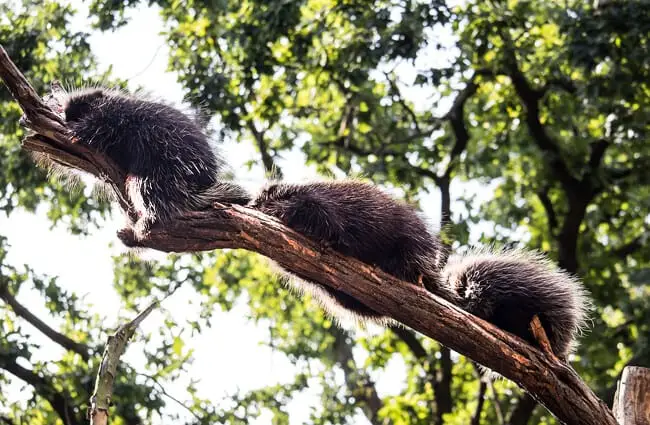
- Winter Dens: In colder climates, porcupines may share communal winter dens to conserve body heat, a rare instance of social behavior for these solitary animals.
- Slow and Steady: Porcupines are not built for speed. Their primary defense is their quills, so they move at a slow, deliberate pace.
- Prehensile Tail Masters: Many New World porcupines, such as the Brazilian porcupine, possess a prehensile tail that can grip branches, acting as a powerful fifth limb for climbing and hanging.
- Salt Seekers: Their strong craving for sodium can lead them to chew on anything salty, including human sweat-soaked tools or even vehicle parts that have been exposed to road salt.
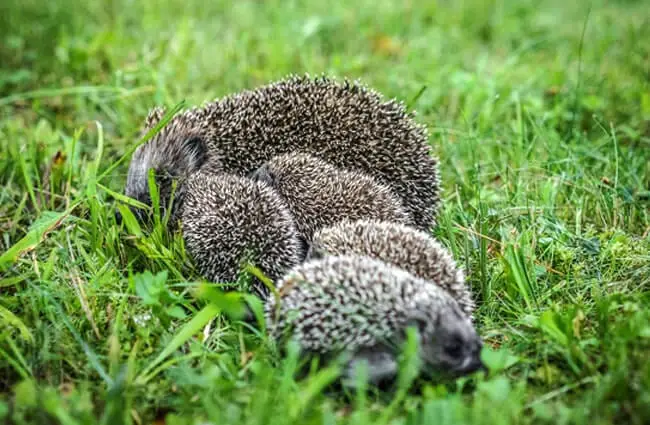
- Not Related to Hedgehogs: Despite their spiky appearance, porcupines are not closely related to hedgehogs or echidnas. They are rodents, while hedgehogs are insectivores and echidnas are monotremes.
- Porcupette Quills: Baby porcupines are born with soft quills that harden within hours, providing them with immediate protection from predators.
The Enduring Appeal of the Porcupine
From their ancient lineage to their intricate ecological roles, porcupines are truly remarkable animals. Their iconic quills, a testament to millions of years of evolutionary refinement, serve as a powerful reminder of nature’s ingenuity in defense. Whether observed in their natural habitat, studied in an academic setting, or cared for in a zoological park, the porcupine continues to inspire awe and curiosity.
Understanding these prickly creatures not only enriches our appreciation for biodiversity but also underscores the importance of coexistence and conservation. The porcupine, with its quiet strength and unique adaptations, remains a captivating symbol of resilience in the wild world.
![Closeup of a beautiful Red Angus cowPhoto by: U.S. Department of Agriculture [pubic domain]https://creativecommons.org/licenses/by/2.0/](https://animals.net/wp-content/uploads/2020/03/Red-Angus-4-238x178.jpg "Red Angus")
![Closeup of a beautiful Red Angus cowPhoto by: U.S. Department of Agriculture [pubic domain]https://creativecommons.org/licenses/by/2.0/](https://animals.net/wp-content/uploads/2020/03/Red-Angus-4-100x75.jpg "Red Angus")