Plovers represent a fascinating group of shorebirds, captivating observers with their unique behaviors and ecological roles. These birds, generally small to medium in size, are found across diverse habitats worldwide. This comprehensive guide delves into the world of plovers, exploring their characteristics, behaviors, habitats, and interactions with both the environment and humans.
What is a Plover?
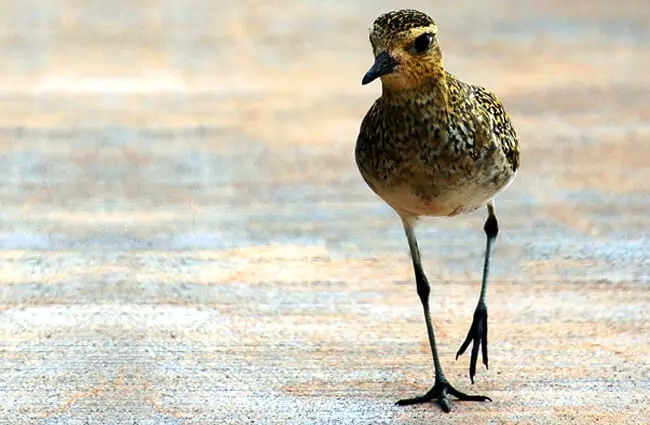
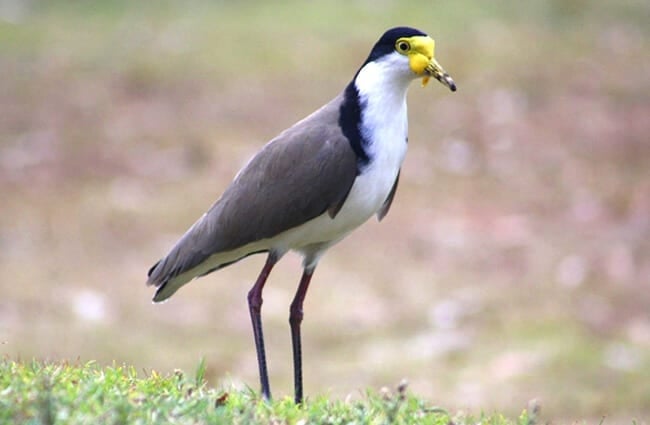
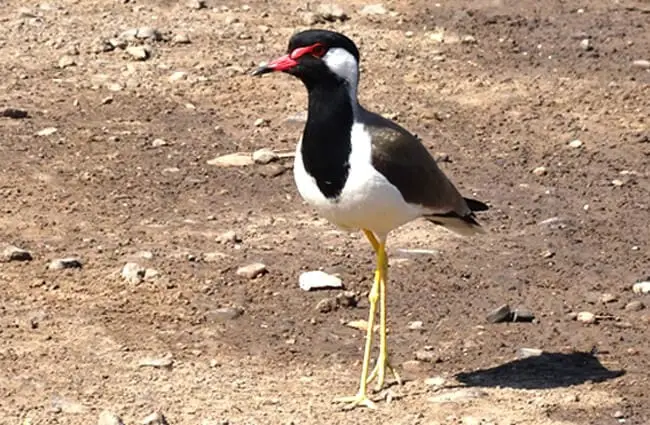
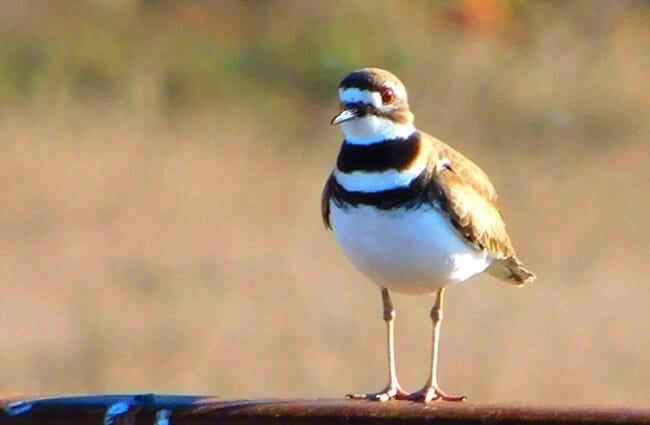
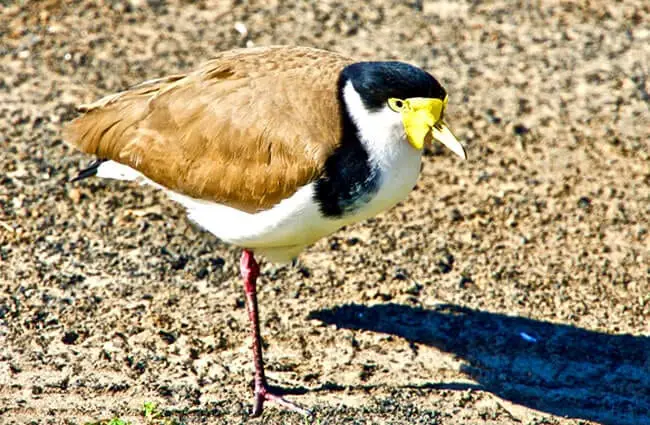
The name “plover” doesn’t define a single species, but rather a group of birds belonging to the family Charadriidae. There are roughly 68 species of plovers, each adapted to specific environments and exhibiting unique characteristics. Generally, plovers are recognized by their relatively short bills, legs, and a preference for open habitats like grasslands, beaches, and mudflats.
Identifying Characteristics
Plovers typically display mottled or patterned plumage, often in shades of brown, gray, and white, providing excellent camouflage in their natural surroundings. A key identifier is their deliberate, often rapid, running on the ground, interspersed with short flights. Their flight patterns are usually direct and purposeful. Many species also exhibit a distinctive bobbing head movement while walking, giving them a charming appearance.
Plover Habitats and Distribution
Plovers demonstrate remarkable adaptability, inhabiting a wide array of environments. Coastal plovers, like the American Plover, frequent sandy beaches, tidal flats, and saltmarshes. Inland species, such as the Upland Plover, prefer grasslands, prairies, and agricultural fields. Some plovers are highly migratory, undertaking long journeys between breeding and wintering grounds, while others are resident in their ranges year-round. Their global distribution spans across continents, with species found in North and South America, Europe, Asia, Africa, and Australia.
Diet and Foraging Behavior
Plovers are primarily insectivores, feeding on insects and other invertebrates. Their diet consists of insects, crustaceans, worms, mollusks, and small aquatic organisms. They employ a variety of foraging techniques, often running rapidly to snatch prey from the ground or probing into soft substrates with their bills. Some species also glean insects from vegetation or pick them off the surface of the water. Plovers are opportunistic feeders, adjusting their diet based on the availability of prey in their habitat.
A Specialized Diet: The Upland Plover
The Upland Plover is an interesting case, as it feeds almost exclusively on earthworms. It has a particularly long bill adapted for reaching deep into the soil to extract these worms. Their foraging strategy is distinct, often involving a purposeful walk through grasslands, meticulously searching for the subtle signs of earthworm activity.
Reproduction and Life Cycle
Plovers exhibit a variety of breeding strategies. Most species are monogamous, forming pair bonds that may last for multiple breeding seasons. They typically nest on the ground, often in open areas with good visibility. The nests are usually simple scrapes lined with vegetation, pebbles, or other materials. The female typically lays a clutch of one to four eggs, which are incubated by both parents. Chicks are precocial, meaning they are able to walk and feed themselves shortly after hatching. Parents provide care and protection to their offspring until they are independent.
Distraction Displays
Many plover species exhibit elaborate distraction displays to protect their nests and young. These displays often involve feigning injury, such as dragging a wing or calling loudly, to lure predators away from the nest. This behavior is a remarkable example of parental care and a testament to the bird’s instinct to protect its offspring.
Plovers and the Ecosystem
Plovers play an important role in their ecosystems. As insectivores, they help control populations of insects and other invertebrates, contributing to the balance of the food web. They also serve as prey for larger birds of prey and mammals, contributing to the energy flow within the ecosystem. Their presence or absence can be an indicator of environmental health. A decline in plover populations may signal habitat degradation or pollution.
Plover Evolution and Taxonomy
Plovers belong to the family Charadriidae, a diverse group of shorebirds with a complex evolutionary history. Fossil records indicate that the family originated during the Paleocene epoch, over 60 million years ago. Over time, the family diversified into various genera and species, adapting to a wide range of habitats. Their evolutionary relationships are still being studied, with ongoing research using genetic and morphological data. The classification of plovers has undergone revisions over the years, reflecting the increasing understanding of their evolutionary relationships.
Interactions with Humans
Human activities have significant impacts on plover populations. Habitat loss and degradation, due to urbanization, agriculture, and coastal development, are major threats. Pollution, including pesticides and heavy metals, can also harm plovers and their prey. Climate change is another growing concern, altering habitats and impacting food availability. Conservation efforts, such as habitat restoration, protection of nesting sites, and reduction of pollution, are crucial for ensuring the long-term survival of plovers.
Responsible Birdwatching
When observing plovers, it’s important to practice responsible birdwatching. Maintain a respectful distance from nesting birds and avoid disturbing their habitat. Use binoculars or spotting scopes to observe birds from afar. Avoid using flash photography, as it can startle birds. Report any signs of disturbance or illegal activity to the appropriate authorities.
Plovers in Culture
Plovers have cultural significance in various parts of the world. In some cultures, they are seen as symbols of good luck, prosperity, or renewal. Their distinctive calls and flight patterns have inspired folklore and mythology. Plovers are also popular subjects in art, literature, and music. Their presence in cultural traditions reflects the long-standing relationship between humans and these fascinating birds.
What to do if you encounter a Plover
If you encounter a plover, especially near its nest, the best course of action is to observe from a distance. Do not approach the bird or its nest. If the bird displays signs of distress, such as agitated behavior or alarm calls, slowly move away. If you find an injured or orphaned plover, contact a local wildlife rehabilitation center for assistance.
Plovers represent a remarkable group of shorebirds, playing vital roles in ecosystems and captivating observers with their unique behaviors. Understanding their characteristics, habitats, and conservation needs is crucial for ensuring their survival for generations to come.
![Closeup of a beautiful Red Angus cowPhoto by: U.S. Department of Agriculture [pubic domain]https://creativecommons.org/licenses/by/2.0/](https://animals.net/wp-content/uploads/2020/03/Red-Angus-4-238x178.jpg "Red Angus")
![Closeup of a beautiful Red Angus cowPhoto by: U.S. Department of Agriculture [pubic domain]https://creativecommons.org/licenses/by/2.0/](https://animals.net/wp-content/uploads/2020/03/Red-Angus-4-100x75.jpg "Red Angus")