In the vibrant world of freshwater fish, few species capture the imagination quite like the Platy. These small, energetic, and brilliantly colored fish are more than just popular aquarium inhabitants; they are fascinating biological subjects with a rich natural history and a significant role in both their native ecosystems and human culture. From their evolutionary journey in the sun-drenched waters of Central America to their intricate reproductive strategies and their surprising contributions to scientific understanding, the Platy offers a captivating glimpse into the wonders of aquatic life.
The Platy: A Jewel of Freshwater Ecosystems
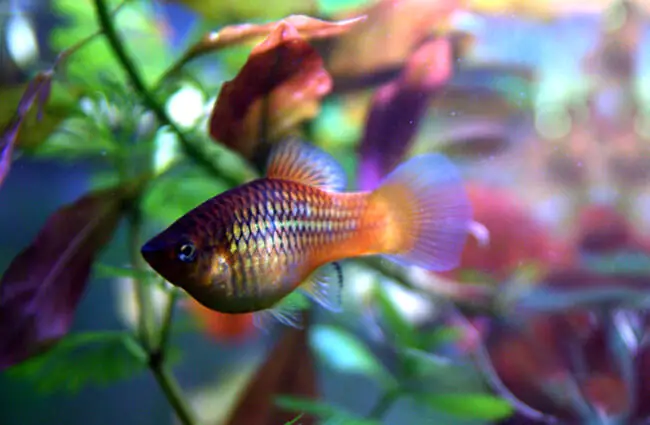
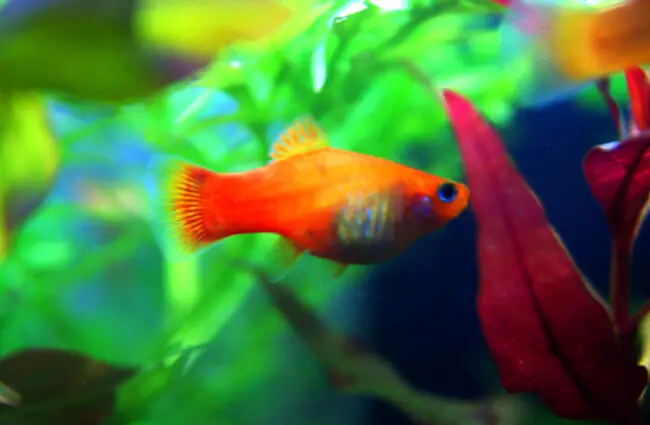
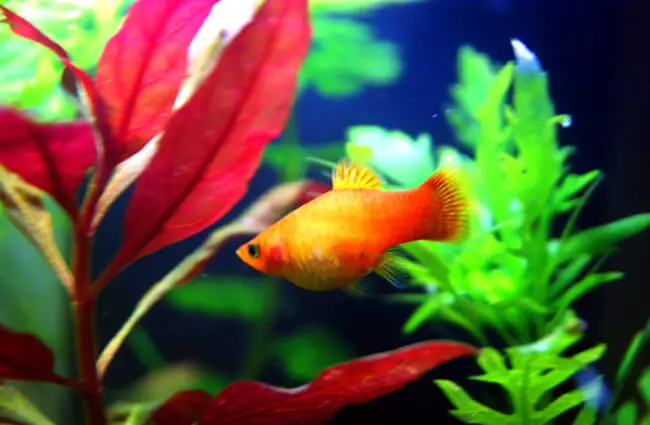
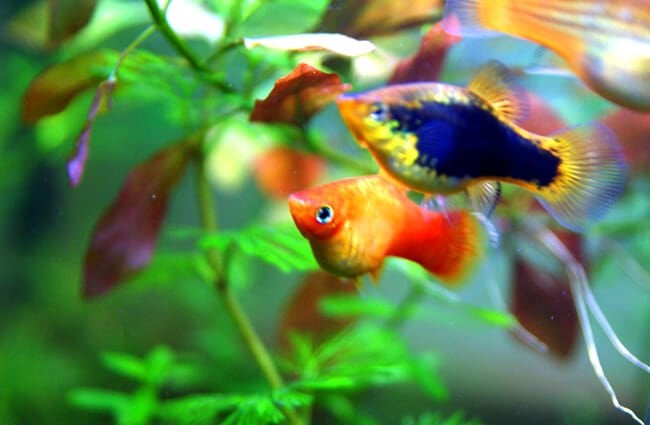
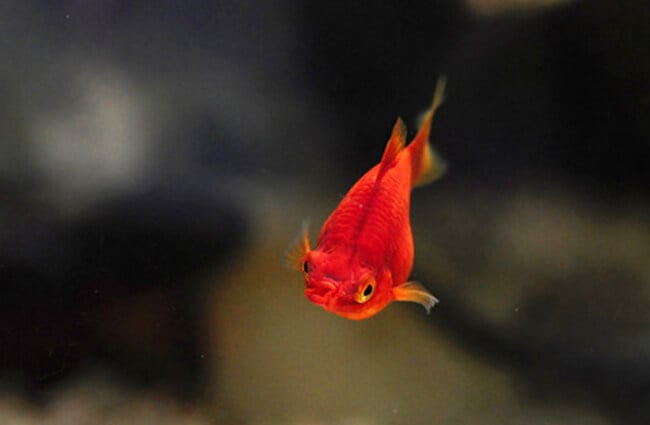
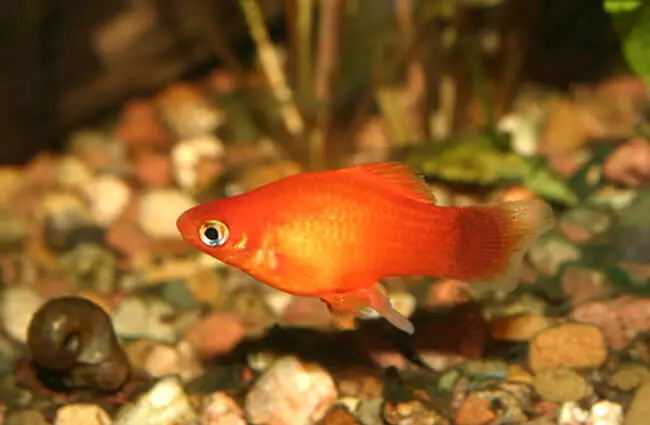
Known scientifically within the genus Xiphophorus, Platies are a group of small, vivacious freshwater fish belonging to the family Poeciliidae. While several species exist, the most commonly encountered in the aquarium trade are often hybrids derived from the Southern Platyfish (Xiphophorus maculatus) and the Variatus Platyfish (Xiphophorus variatus). These charming creatures typically reach an adult size of 1.5 to 2.5 inches (3.8 to 6.3 cm), making them ideal for a variety of aquatic settings. Their most striking feature is their incredible diversity of coloration and fin shapes, a testament to both natural variation and extensive selective breeding. From fiery reds and sunny yellows to deep blues and intricate patterns, Platies truly live up to their reputation as living jewels.
Where the Wild Platies Roam: Habitat and Distribution
To truly understand the Platy, one must first explore its natural domain. Wild Platy populations are primarily found in the warm, freshwater systems of Mexico and Central America. Their geographical range extends from Veracruz, Mexico, through Guatemala and Belize, reaching into parts of Honduras. These resilient fish thrive in a variety of aquatic environments, preferring slow-moving or stagnant waters. Typical habitats include:
-
Rivers and Streams: Especially the calmer, vegetated edges.
-
Canals and Ditches: Often man-made, providing stable conditions.
-
Springs and Ponds: Clear, consistent water sources.
-
Swamps and Marshes: Areas rich in aquatic plants and detritus.
In these environments, Platies seek out areas with dense vegetation, which provides both shelter from predators and a rich source of food. The water in their native habitats is typically alkaline, with a pH ranging from 7.0 to 8.0, and moderately hard. Temperatures generally remain warm, between 70°F and 79°F (21°C and 26°C), reflecting their tropical origins. An animal lover hoping to find a Platy in the wild should focus on these regions and seek out clear, shallow, slow-moving waters with abundant aquatic plants, observing patiently from a distance to spot these often camouflaged beauties.
A Glimpse into Platy Evolution
The evolutionary history of the Platy is deeply intertwined with its family, the Poeciliidae, a group renowned for its live-bearing reproduction. Unlike many fish that lay eggs, Platies give birth to live, free-swimming young, a trait that has conferred significant evolutionary advantages in their often predator-rich environments. This adaptation means the developing embryos are protected internally, increasing their chances of survival. Platies are closely related to other popular livebearers like Guppies, Mollies, and Swordtails, sharing a common ancestor. In fact, Platies and Swordtails (also *Xiphophorus* species) are so closely related that they can interbreed, producing fertile offspring. This close genetic relationship has made them valuable subjects for studies in genetics, speciation, and evolutionary biology, particularly concerning sex determination and coloration patterns. Their lineage represents a successful branch of freshwater fish that adapted to thrive by investing heavily in the early survival of their offspring.
What’s on the Platy Menu? Diet and Foraging
Platies are classic omnivores, a dietary flexibility that contributes to their success in diverse habitats. In the wild, their diet is varied and opportunistic, reflecting the availability of food sources in their environment. Aspiring zoologists and students researching Platy diet will find that these fish consume a mix of plant matter and small invertebrates. Their natural foraging includes:
-
Algae: Grazing on various forms of algae that grow on rocks, plants, and submerged surfaces.
-
Detritus: Consuming decaying plant matter and organic debris, playing a role in nutrient cycling.
-
Small Invertebrates: Such as insect larvae, small crustaceans, and other tiny aquatic organisms.
-
Plant Matter: Nibbling on soft aquatic plants.
This diverse diet makes them adaptable and helps them thrive even when specific food sources are scarce. In an ecosystem, their omnivorous habits position them as both primary consumers (eating plants and algae) and secondary consumers (eating small invertebrates), making them an integral part of the food web.
The Dance of Life: Platy Mating and Reproduction
The reproductive process of Platies is one of their most fascinating characteristics. As livebearers, they exhibit internal fertilization, and the females carry the developing embryos inside their bodies until they are fully formed and capable of independent swimming. This process involves a distinct sexual dimorphism:
-
Males: Possess a modified anal fin called a gonopodium, a rod-like structure used to transfer sperm to the female.
-
Females: Are typically larger and rounder, especially when gravid (pregnant), and have a fan-shaped anal fin.
Courtship involves the male pursuing the female, often displaying his vibrant colors. Once fertilized, the female undergoes a gestation period of approximately 28 to 30 days, though this can vary with temperature and individual fish. At the end of this period, she gives birth to between 20 and 80 live fry, which are miniature versions of the adults, fully capable of swimming and feeding immediately. Parental care is minimal to non-existent; in fact, adult Platies, including the mother, may prey on their own fry. This high reproductive rate and the advanced development of the fry are key to their survival strategy in the wild, ensuring that a sufficient number of offspring reach maturity despite predation pressures.
Platy in the Grand Tapestry of Life
Ecosystem Contributions and Interspecies Dynamics
Despite their small size, Platies play a vital role in their native ecosystems. Their omnivorous diet helps control algae growth and insect populations, contributing to the overall health and balance of aquatic environments. By consuming detritus, they also aid in the decomposition process, recycling nutrients back into the ecosystem. Furthermore, Platies serve as a crucial food source for a variety of larger predators, including:
This position in the food web highlights their importance in transferring energy through different trophic levels. Their rapid reproduction ensures a continuous supply of prey, supporting the predator populations. Interspecies interactions also include competition for food and territory with other small fish, though their adaptability often allows them to coexist successfully.
Platy and Humanity: A Shared Journey
The interaction between Platies and humans is extensive and multifaceted. Perhaps their most prominent role is within the global aquarium trade. Their vibrant colors, peaceful temperament, and ease of care make them perennial favorites for both novice and experienced aquarists. This popularity has led to extensive selective breeding, resulting in the astonishing array of color morphs and fin variations seen today, far beyond what is found in the wild. Beyond the hobby, Platies have also made significant contributions to scientific research. Their relatively short generation time, ease of breeding, and clear genetic traits have made them model organisms for studies in:
-
Genetics: Particularly in understanding sex determination and inheritance of color patterns.
-
Evolution: Providing insights into speciation and adaptation.
-
Cancer Research: Certain *Xiphophorus* species are naturally prone to melanoma, making them valuable for studying the genetic basis of cancer.
Culturally, Platies represent the joy and accessibility of keeping aquatic life, fostering a connection to nature for countless individuals. Their presence in homes and laboratories underscores their dual identity as both beloved pets and important scientific subjects.
Practical Insights for Platy Enthusiasts
Finding Platies in Their Natural Home
For the dedicated animal lover or aspiring zoologist eager to observe Platies in their natural habitat, careful planning and respect for the environment are paramount. As mentioned, their native range spans Mexico and Central America. To find them:
-
Target Regions: Focus on states like Veracruz in Mexico, or countries like Guatemala and Belize.
-
Identify Habitats: Seek out slow-moving rivers, clear streams, canals, ditches, and springs with abundant aquatic vegetation. Avoid fast-flowing or heavily polluted waters.
-
Observation Techniques: Approach quietly and slowly. Use polarized sunglasses to reduce glare on the water’s surface. Look for movement among submerged plants or near the water’s edge. A small dip net can be used for temporary, gentle observation if permitted and done ethically, but always release the fish unharmed.
-
Ethical Considerations: Never disturb the habitat, collect fish without proper permits, or introduce foreign species. Observe from a distance and leave no trace.
Encountering a Wild Platy: A Hiker’s Guide
If a hiker is fortunate enough to encounter a Platy in the wild, perhaps while exploring a stream in Central America, the best course of action is simple: observe and appreciate. These small fish are harmless and pose no threat. Here’s what to do:
-
Observe Quietly: Stand still and watch their natural behavior. Notice their colors, how they interact with their environment, and their foraging habits.
-
Do Not Disturb: Avoid touching the water, throwing objects, or attempting to catch the fish. Their habitat is delicate.
-
Respect the Environment: Ensure no litter is left behind and that the natural surroundings are preserved. Take only pictures, leave only footprints.
An encounter with a wild Platy is a special moment, a reminder of the biodiversity thriving in freshwater ecosystems. It is an opportunity to connect with nature and understand the origins of a fish often seen only in aquariums.
The Art of Platy Care: A Zookeeper’s Handbook
Caring for Platies in a captive environment, whether in a home aquarium or a zoo exhibit, requires attention to detail to ensure their health and well-being. A zookeeper or dedicated aquarist should perform the following tasks and avoid common pitfalls:
-
Habitat Simulation:
-
Tank Size: A minimum of a 10-gallon (38-liter) tank for a small group, with larger tanks preferred for more individuals or mixed communities.
-
Substrate: Fine gravel or sand is suitable.
-
Plants and Decor: Provide plenty of live or artificial plants, driftwood, and rocks to create hiding spots and mimic their natural, vegetated habitat. Floating plants are also beneficial for fry protection.
-
-
Water Parameters:
-
Temperature: Maintain a stable temperature between 72°F and 78°F (22°C and 26°C).
-
pH: Keep the pH slightly alkaline, between 7.0 and 8.0.
-
Hardness: Moderate to hard water (10-25 dGH) is ideal.
-
Filtration: A good quality filter is essential to maintain water clarity and remove waste. Sponge filters are excellent for tanks with fry.
-
Water Changes: Perform regular partial water changes (25-30% weekly) to keep nitrates low and replenish essential minerals.
-
-
Dietary Regimen:
-
Staple Diet: High-quality flake food or small pellets formulated for omnivorous fish.
-
Supplements: Offer a variety of live or frozen foods such as brine shrimp, daphnia, and bloodworms a few times a week. Vegetable matter like blanched spinach or spirulina flakes should also be included.
-
Feeding Frequency: Feed small amounts two to three times a day, only what they can consume in a few minutes.
-
-
Social Dynamics:
-
Group Size: Platies are schooling fish and thrive in groups of at least three to five individuals.
-
Male-to-Female Ratio: Maintain a ratio of at least two or three females per male to prevent excessive harassment of a single female by an eager male.
-
Compatible Tank Mates: They are peaceful fish and do well with other non-aggressive community fish of similar size, such as Guppies, Mollies, Tetras, Rasboras, and Corydoras catfish.
-
-
Breeding Management:
-
Fry Protection: If breeding is desired, provide dense plant cover or a breeding box to protect fry from adult predation. Separate fry into a grow-out tank if maximum survival is desired.
-
Population Control: Be aware that Platies breed prolifically. Consider tank mates that might naturally predate on some fry, or plan for rehoming excess fish.
-
-
Health Monitoring:
-
Observation: Regularly observe fish for signs of illness, such as clamped fins, lethargy, white spots (ich), or unusual growths.
-
Quarantine: Always quarantine new fish for at least two weeks before introducing them to the main tank to prevent disease transmission.
-
Disease Prevention: Good water quality and a balanced diet are the best defenses against disease.
-
-
What to Avoid:
-
Overcrowding: Leads to stress, poor water quality, and increased aggression.
-
Poor Water Quality: High ammonia, nitrite, or nitrate levels are toxic and will quickly lead to illness and death.
-
Incompatible Tank Mates: Avoid aggressive or fin-nipping fish that will stress or injure Platies.
-
Sudden Changes: Rapid fluctuations in temperature or pH can be detrimental. Acclimate new fish slowly.
-
Overfeeding: Contributes to poor water quality and can cause digestive issues in fish.
-
Fascinating Platy Facts
Here are some intriguing tidbits about these captivating fish:
-
Color Explosion: Platies boast one of the widest ranges of color variations among freshwater fish, thanks to both natural mutations and extensive human selective breeding.
-
Live Birth Advantage: Their live-bearing reproduction means their young are born fully developed, giving them a head start in survival compared to egg-laying species.
-
Gender Clues: Males are easily identified by their modified anal fin, the gonopodium, which is absent in females.
-
Short Lifespan, High Productivity: In captivity, Platies typically live for 2 to 3 years, but they can reproduce frequently throughout their adult lives.
-
Algae Eaters: In the wild and in aquariums, Platies are excellent at grazing on algae, helping to keep their environment clean.
-
Scientific Stars: Certain *Xiphophorus* species have been instrumental in genetic research, particularly in understanding the inheritance of traits and even cancer development.
-
Peaceful Neighbors: Their calm demeanor makes them ideal community fish, rarely causing trouble with other non-aggressive species.
-
Hybrid Vigor: Many of the colorful Platies seen in pet stores are hybrids, often crosses between *Xiphophorus maculatus* and *Xiphophorus variatus*.
From their humble origins in the freshwater streams of Central America to their celebrated status in aquariums worldwide, Platies are truly remarkable fish. Their vibrant colors, engaging behaviors, and significant contributions to both ecosystems and scientific understanding make them a subject worthy of continued fascination and study. Whether observed in the wild or cared for in captivity, the Platy reminds us of the intricate beauty and resilience of life beneath the water’s surface.
![Closeup of a beautiful Red Angus cowPhoto by: U.S. Department of Agriculture [pubic domain]https://creativecommons.org/licenses/by/2.0/](https://animals.net/wp-content/uploads/2020/03/Red-Angus-4-238x178.jpg "Red Angus")

![Closeup of a beautiful Red Angus cowPhoto by: U.S. Department of Agriculture [pubic domain]https://creativecommons.org/licenses/by/2.0/](https://animals.net/wp-content/uploads/2020/03/Red-Angus-4-100x75.jpg "Red Angus")