Deep within the sprawling, verdant embrace of the Amazon and Orinoco River basins, a fish of remarkable character and striking beauty thrives. Known affectionately as the Oscar Fish, or scientifically as Astronotus ocellatus, this cichlid has captivated the hearts of aquarists and scientists alike with its intelligence, vibrant personality, and fascinating ecological role. From its wild origins as a formidable predator to its status as a beloved aquarium inhabitant, the Oscar Fish offers a compelling narrative of adaptation, interaction, and survival.
This comprehensive guide delves into every facet of the Oscar Fish’s existence, unraveling its secrets for the curious student, the dedicated animal lover, the aspiring zoologist, and the conscientious zookeeper. Prepare to explore the depths of its natural world, understand its intricate behaviors, and appreciate its unique place in both aquatic ecosystems and human culture.
The Charismatic Oscar: An Introduction to Astronotus ocellatus
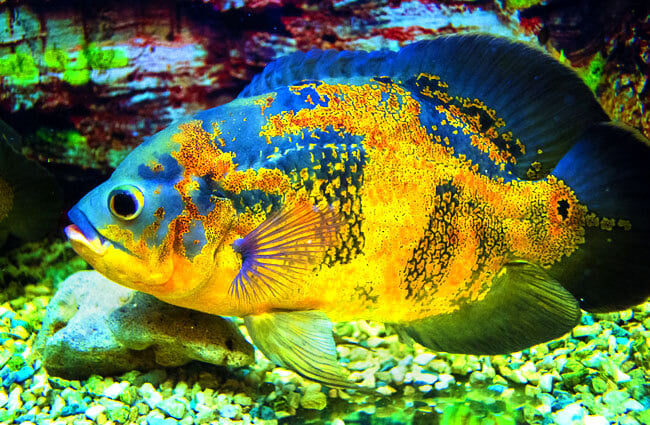
The Oscar Fish is a large, freshwater cichlid native to South America. Its common names, such as Marble Cichlid, Velvet Cichlid, and Tiger Oscar, hint at its often mottled or banded patterns and its smooth, almost velvety skin texture. Renowned for its expressive eyes and often interactive behavior, the Oscar has earned a reputation as the “water puppy” of the fish world.
Physical Characteristics: A Canvas of Nature
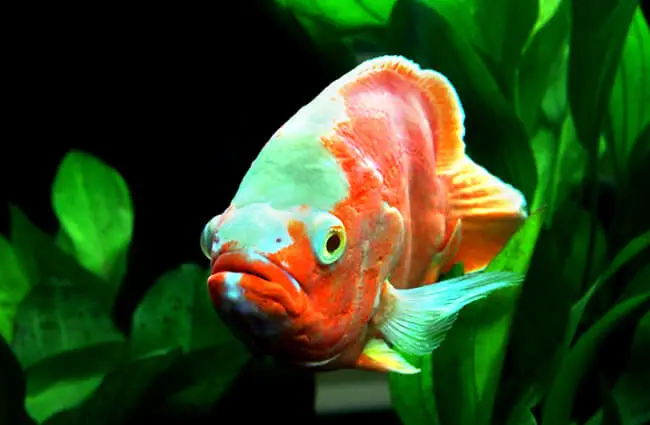
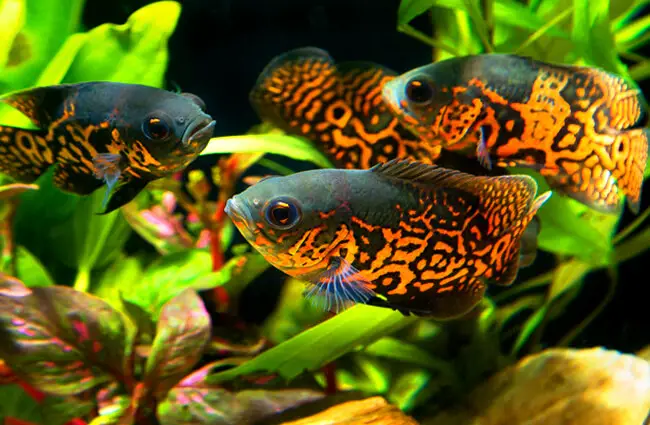
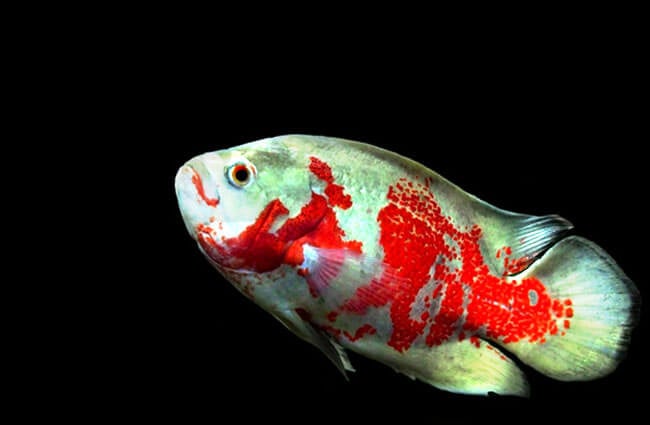
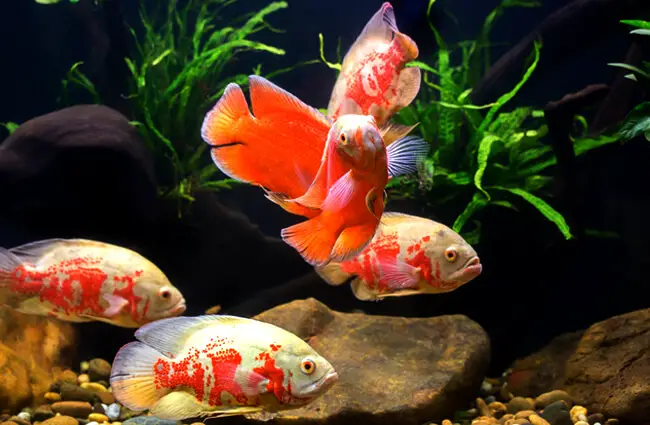
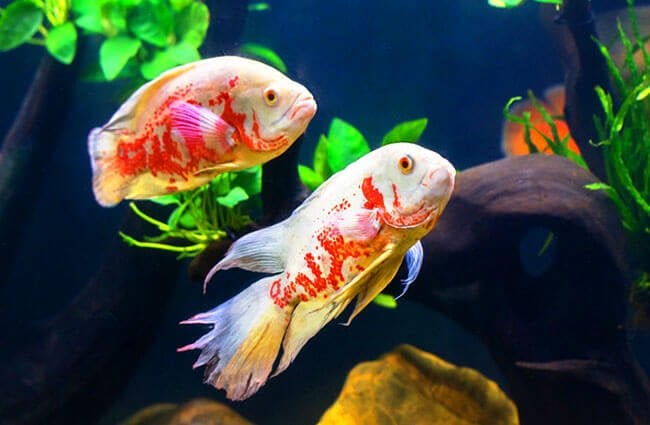
Wild Oscar Fish typically exhibit a dark, mottled coloration, often a blend of olive-green, brown, and black, adorned with irregular orange or red blotches and stripes. A distinctive, eye-like spot, or “ocellus,” ringed in orange, is prominently displayed on the caudal peduncle (the base of the tail fin). This ocellus is believed to mimic an eye, potentially deterring predators or confusing rivals. In captivity, selective breeding has produced a stunning array of color morphs, including albino, red, tiger, and veil-tail varieties, each showcasing the species’ inherent beauty.
Adult Oscars can reach impressive sizes, commonly growing up to 12-18 inches (30-45 cm) in length, though some individuals may exceed this. Their robust, oval-shaped bodies are laterally compressed, and they possess powerful jaws equipped with small, conical teeth, perfectly adapted for their predatory lifestyle.
Natural Habitat: The Heart of South America
The Oscar Fish calls the slow-moving, warm waters of the Amazon River basin its primary home. Its range extends across several South American countries, including Brazil, Peru, Ecuador, Colombia, Venezuela, and the Guianas. These fish prefer environments with submerged roots, fallen branches, and dense vegetation, which provide ample hiding spots and hunting grounds. They are often found in clear to blackwater rivers, streams, and floodplains, where the water is typically soft and acidic, with temperatures ranging from 74-81°F (23-27°C).
Diet in the Wild: An Opportunistic Hunter
As an omnivorous predator, the Oscar Fish is not particularly picky. Its diet in the wild consists primarily of smaller fish, crustaceans, aquatic insects, and insect larvae. However, they are also known to consume plant matter, fruits, and even detritus, demonstrating their adaptability as opportunistic feeders. Their strong jaws and keen eyesight make them efficient hunters, capable of ambushing prey from cover or actively foraging along the substrate.
Behavioral Traits: Intelligence and Personality
Oscars are celebrated for their intelligence and distinct personalities. They are known to recognize their caretakers, respond to their presence, and even learn simple tricks. While generally peaceful towards similarly sized fish, they can be territorial, especially during breeding. Their curious nature often leads them to rearrange tank decorations or investigate new objects in their environment. They are also known for their “pouting” behavior, where they may sulk or refuse food if displeased with their surroundings or routine.
Deeper Dive: Ecology, Evolution, and Human Interaction
For the aspiring zoologist or the dedicated researcher, understanding the Oscar Fish goes beyond its basic characteristics, delving into its evolutionary journey, ecological contributions, and complex interactions with both its environment and humanity.
Taxonomy and Evolutionary History
The Oscar Fish belongs to the family Cichlidae, a diverse group of freshwater fish known for their complex behaviors, parental care, and rapid speciation. Cichlids are a prime example of adaptive radiation, having evolved into thousands of species across various continents. Astronotus ocellatus, like its cichlid relatives, possesses specialized pharyngeal jaws, a second set of jaws in the throat, which allows for efficient processing of a wide range of food items. This evolutionary adaptation has contributed significantly to their success as opportunistic feeders in diverse aquatic environments.
Detailed Habitat and Distribution
While broadly distributed across the Amazon and Orinoco basins, Oscars show a preference for specific microhabitats. They thrive in areas with minimal current, such as oxbow lakes, flooded forests, and the calmer sections of rivers. The presence of submerged structures like tree roots, fallen logs, and dense aquatic vegetation is crucial, offering both refuge from predators and ambush points for hunting. Water parameters in these regions typically exhibit:
- Temperature: 74-81°F (23-27°C)
- pH: 6.0-7.5 (slightly acidic to neutral)
- Hardness: Soft to moderately hard (5-19 dGH)
These conditions are vital for their metabolic functions, immune system health, and reproductive success.
Dietary Habits in Depth: A Foraging Master
The Oscar’s diet is a testament to its adaptability. Beyond the general categories, specific prey items include:
- Fish: Small characins, guppies, tetras, and other smaller species.
- Crustaceans: Freshwater shrimp and crabs.
- Insects: Larvae of mosquitoes, dragonflies, and various terrestrial insects that fall into the water.
- Plant Matter: Algae, aquatic plants, and fallen fruits or seeds from riparian vegetation.
Their foraging strategies include lurking among vegetation, ambushing unsuspecting prey, and sifting through substrate for invertebrates. They are also known to jump out of the water to snatch insects from overhanging branches, showcasing their agility and predatory prowess.
Mating and Reproduction: Dedicated Parents
Oscar Fish are monogamous substrate spawners, forming strong pair bonds that often last for multiple breeding cycles. The breeding process is a fascinating display of parental dedication:
- Courtship: Pairs engage in elaborate displays, including fin flaring, gill cover extension, and body trembling.
- Site Preparation: Both parents meticulously clean a flat surface, such as a large rock, a piece of driftwood, or even the bottom of the substrate, by mouthing and rubbing it.
- Egg Laying: The female lays hundreds to thousands of adhesive eggs (typically 1,000-3,000), which the male then fertilizes. The eggs are usually pale yellow or white.
- Parental Care: Both parents guard the eggs fiercely, fanning them with their fins to ensure oxygenation and removing any unfertilized or fungused eggs.
- Hatching: Eggs typically hatch within 3-5 days, depending on water temperature.
- Fry Care: The newly hatched fry, known as “wrigglers,” are initially immobile. The parents often move them to pre-dug pits in the substrate. Once the fry become free-swimming (usually after another 4-7 days), the parents continue to protect them, guiding them to food sources and defending them from predators for several weeks.
Ecosystem Role and Interactions with Other Animals
In their native habitats, Oscar Fish play a significant role in the food web. As mid-level predators, they help control populations of smaller fish and invertebrates. Their consumption of plant matter and detritus also contributes to nutrient cycling within the ecosystem. While adults are formidable, juvenile Oscars can fall prey to larger predatory fish, birds, and even some reptiles, illustrating the dynamic balance of their environment.
Their territorial nature can lead to interactions with other fish species, particularly during breeding. However, they are generally not overly aggressive outside of these periods, coexisting with other large cichlids and catfish in their natural range.
Oscar Fish in Human Culture and Interaction
The Oscar Fish’s most significant contribution to human culture is undoubtedly its role in the aquarium hobby. Its intelligence, interactive nature, and striking appearance have made it one of the most popular large cichlids kept by aquarists worldwide. This popularity has also led to the development of numerous captive-bred varieties, further enhancing its appeal.
Beyond the aquarium, Oscar Fish are occasionally consumed as a food fish in their native regions, though they are not a primary commercial species. They have also been subjects in scientific research, particularly studies on fish behavior, intelligence, and parental care, providing valuable insights into the broader field of ichthyology.
However, human interaction also presents challenges. The release of unwanted aquarium Oscars into non-native waters has led to the establishment of invasive populations in various parts of the world, including Florida in the United States, parts of Asia, and Australia. These introduced populations can disrupt local ecosystems by competing with native species for resources and preying on indigenous fish, highlighting the importance of responsible pet ownership.
Practical Insights: Finding, Encountering, and Caring for Oscars
Whether you dream of observing an Oscar in its natural glory or are responsible for its well-being in captivity, practical knowledge is paramount.
For the Animal Lover: Finding Oscar Fish in the Wild
To find Oscar Fish in their natural habitat, one must venture into the heart of the Amazon and Orinoco River basins. Key regions include:
- Brazil: Particularly the Amazon River and its tributaries.
- Peru: The Peruvian Amazon, including rivers like the Ucayali and Marañón.
- Colombia and Venezuela: The Orinoco River system.
How to Find One:
- Focus on areas with slow-moving water, such as oxbow lakes, flooded forests, and calm river sections.
- Look for submerged structures like fallen trees, dense root systems, and aquatic vegetation, which provide cover.
- Engage with local guides who possess intimate knowledge of the waterways and fish populations.
- Observation is key: Oscars are often found near the bottom or lurking among cover, waiting for prey. Their distinctive ocellus spot can sometimes be a giveaway.
Remember, observing wildlife in its natural setting requires patience, respect for the environment, and adherence to local regulations.
For the Hiker: Encountering an Oscar Fish in the Wild
Should you be fortunate enough to encounter an Oscar Fish while hiking near a South American waterway, the best course of action is simple: observe from a respectful distance. Oscars are not aggressive towards humans, but like any wild animal, they should not be disturbed. Do not attempt to touch, feed, or capture the fish. Appreciate its beauty and its role in the ecosystem, and leave its habitat undisturbed. Your presence should have minimal impact on its natural behavior.
For the Zookeeper: Caring for Oscar Fish in Captivity
Caring for Oscar Fish in a captive environment, such as a public aquarium or a dedicated research facility, requires a thorough understanding of their needs to ensure their health and well-being.
Essential Tasks for Zookeepers:
- Spacious Environment: Provide a very large aquarium, ideally 125 gallons (470 liters) or more for a single adult, with even larger tanks for pairs or groups. This prevents stunting and reduces aggression.
- Robust Filtration: Oscars are messy eaters and produce a significant bio-load. Implement powerful mechanical, biological, and chemical filtration systems to maintain pristine water quality. Regular filter maintenance is crucial.
- Stable Water Parameters:
- Temperature: Maintain a consistent 74-81°F (23-27°C).
- pH: Keep between 6.5-7.5.
- Hardness: Soft to medium hard water (5-15 dGH).
- Perform frequent partial water changes (25-50% weekly) to dilute nitrates and replenish essential minerals.
- Appropriate Substrate and Decor:
- Use fine sand or smooth gravel to prevent injury.
- Provide sturdy decorations like large, smooth rocks, driftwood, and robust artificial plants. Oscars are known to rearrange their environment, so ensure all decor is heavy and stable to prevent it from toppling.
- Avoid sharp objects or small, ingestible items.
- Varied and Nutritious Diet:
- Offer high-quality cichlid pellets or sticks as a staple.
- Supplement with a variety of frozen or live foods, such as krill, bloodworms, earthworms, and feeder fish (ensure feeder fish are disease-free and nutritionally sound, or consider gut-loaded alternatives).
- Include occasional vegetable matter, like blanched peas or spirulina flakes.
- Feed 1-2 times daily, offering only what they can consume within a few minutes to prevent overfeeding and water pollution.
- Enrichment: Oscars are intelligent and benefit from enrichment.
- Introduce new, safe objects for them to investigate.
- Vary feeding locations or methods.
- Provide opportunities for interaction with caretakers (e.g., target training).
- Health Monitoring: Regularly observe fish for signs of illness, such as lethargy, clamped fins, unusual spots, or changes in appetite. Quarantine new fish before introduction.
What to Avoid:
- Overcrowding: This leads to stress, aggression, poor water quality, and stunted growth.
- Incompatible Tank Mates: Avoid very small fish that can be eaten, or overly aggressive fish that might harass the Oscar. Good tank mates are often other large, robust cichlids or large catfish.
- Poor Water Quality: Neglecting water changes and filtration is the fastest way to cause health problems.
- Sudden Changes: Avoid abrupt changes in water temperature, pH, or diet, as these can stress the fish.
- Underfeeding or Overfeeding: Both can lead to health issues. Stick to a consistent, balanced feeding regimen.
- Small or Sharp Decor: Oscars will move things around, so ensure everything is safe and secure.
- Ignoring Behavioral Cues: A change in behavior often signals stress or illness.
Fascinating Facts About the Oscar Fish
The Oscar Fish is a creature of endless intrigue. Here is a compilation of some of its most remarkable attributes:
- Long Lifespan: With proper care, Oscar Fish can live for 10-15 years, and sometimes even longer, in captivity.
- “Water Puppy” Personality: They are famous for their ability to recognize their owners, respond to their presence, and even beg for food, much like a terrestrial pet.
- Color Chameleons: Oscars can subtly change their coloration based on their mood, health, or surroundings, becoming darker when stressed or during breeding.
- Jumping Ability: In the wild, they are known to jump out of the water to catch insects. In aquariums, this means a secure lid is essential.
- Substrate Engineers: Oscars love to dig and rearrange their tank’s substrate and decorations, often creating their own preferred landscape.
- Ocellus Protection: The prominent eye-spot on their tail is thought to confuse predators, making them strike at the tail instead of the head.
- Monogamous Pairs: They form strong, often lifelong, pair bonds for breeding.
- Voracious Appetites: Oscars are known for their hearty appetites and will readily consume a wide variety of foods.
- Sensitive to Environment: They are highly sensitive to water quality and can quickly show signs of stress or illness if conditions are not optimal.
- Tool Users (Debatable): Some anecdotal reports suggest Oscars might use objects to manipulate their environment, though this is not scientifically confirmed.
- Fast Growers: Juveniles grow rapidly, quickly outgrowing smaller tanks.
- Invasive Potential: Due to their hardiness and adaptability, released aquarium Oscars have established invasive populations in several non-native regions.
Conclusion: The Enduring Allure of the Oscar Fish
From the murky depths of the Amazon to the meticulously maintained aquariums of enthusiasts worldwide, the Oscar Fish stands as a testament to nature’s ingenuity and the captivating power of aquatic life. Its intelligence, vibrant personality, and complex ecological role make it a truly remarkable species worthy of our admiration and protection.
Whether you are a student piecing together a research paper, an adventurer dreaming of wild encounters, an aspiring zoologist seeking deeper understanding, or a dedicated zookeeper ensuring optimal care, the Oscar Fish offers a wealth of knowledge and wonder. By appreciating its natural history and understanding its needs, we can all contribute to the responsible stewardship of this magnificent cichlid and the precious ecosystems it inhabits.
![Closeup of a beautiful Red Angus cowPhoto by: U.S. Department of Agriculture [pubic domain]https://creativecommons.org/licenses/by/2.0/](https://animals.net/wp-content/uploads/2020/03/Red-Angus-4-238x178.jpg "Red Angus")


![Closeup of a beautiful Red Angus cowPhoto by: U.S. Department of Agriculture [pubic domain]https://creativecommons.org/licenses/by/2.0/](https://animals.net/wp-content/uploads/2020/03/Red-Angus-4-100x75.jpg "Red Angus")