Often misunderstood and frequently underestimated, the opossum is a creature of remarkable resilience and fascinating biology. Far from being a mere backyard nuisance, this unique marsupial plays a vital role in its ecosystem and boasts an evolutionary history stretching back to the age of dinosaurs. Prepare to delve into the world of the opossum, uncovering its secrets, dispelling myths, and gaining a newfound appreciation for North America’s only native marsupial.
Meet the Marvelous Marsupial: The Opossum Unveiled
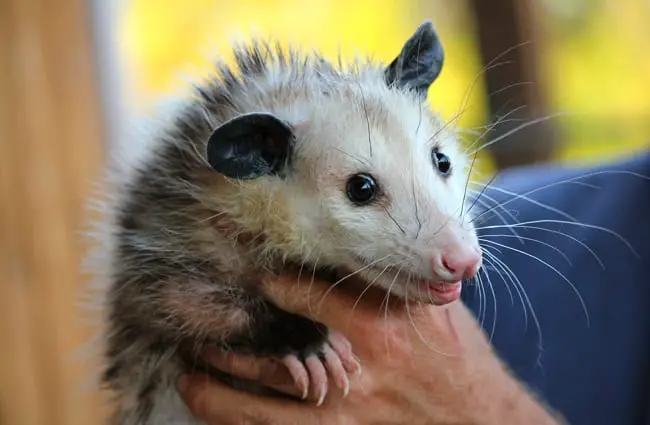
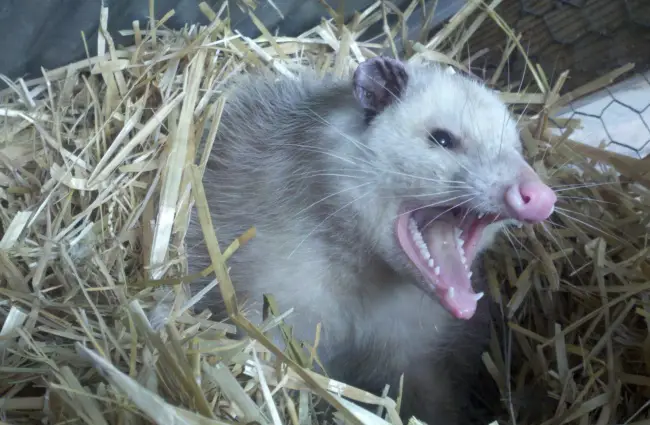
The opossum, specifically the Virginia Opossum (Didelphis virginiana), is a truly distinctive mammal. It is instantly recognizable by its grayish-white fur, pointed snout, hairless ears, and a long, scaly, prehensile tail. Roughly the size of a house cat, these creatures possess a surprisingly robust build, typically weighing between 4 and 15 pounds and measuring 15 to 20 inches long, not including their tail which can add another 9 to 20 inches.
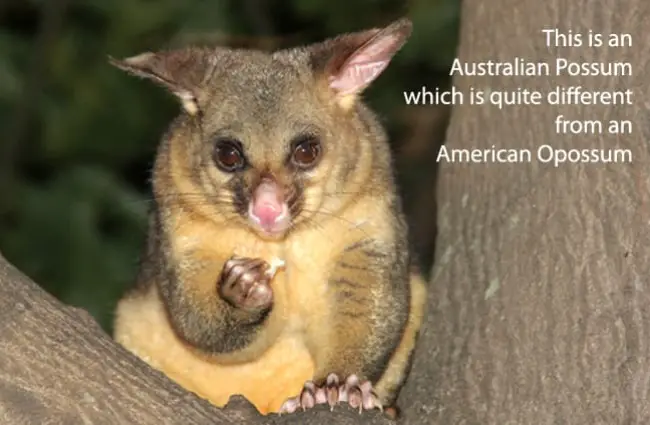
A common point of confusion arises when distinguishing between “opossums” and “possums.” While often used interchangeably in casual conversation, especially in North America, the term “opossum” correctly refers to the New World marsupials found in the Americas. “Possum,” on the other hand, generally refers to the diverse group of marsupials native to Australia and New Guinea. Though both are marsupials, they belong to different families and have distinct evolutionary paths and appearances. The North American opossum is a solitary, nocturnal scavenger, while Australian possums are often arboreal and can be quite varied in diet and social structure.
A Glimpse into Their Ancient Lineage: Opossum Evolution
The opossum is a living testament to evolutionary success, boasting an incredibly ancient lineage. Their ancestors roamed the Earth alongside dinosaurs, making them one of the oldest surviving mammalian orders. Marsupials, as a group, originated in North America, and it was from here that they dispersed across the supercontinent Gondwana, eventually leading to the diverse marsupial populations of South America and Australia. The Virginia Opossum represents a remarkable return, having migrated back into North America from South America after the formation of the Isthmus of Panama. This long and storied history speaks volumes about their adaptability and resilience, allowing them to thrive through countless environmental changes over millions of years.
Where the Opossum Roams: Habitat and Distribution
Opossums are incredibly adaptable creatures, capable of thriving in a wide range of environments across North and Central America. Their geographic range extends from southern Canada, throughout the eastern and central United States, and down into Central America. They are not typically found in the arid southwestern United States or the Rocky Mountains.
Finding Opossums in the Wild: A Guide for Animal Lovers
For those hoping to spot an opossum, understanding their preferred habitats and nocturnal habits is key. They are highly opportunistic and can be found in:
- Woodlands and Forests: Their natural preference, offering ample cover and food sources.
- Agricultural Areas: Farms and orchards provide abundant food.
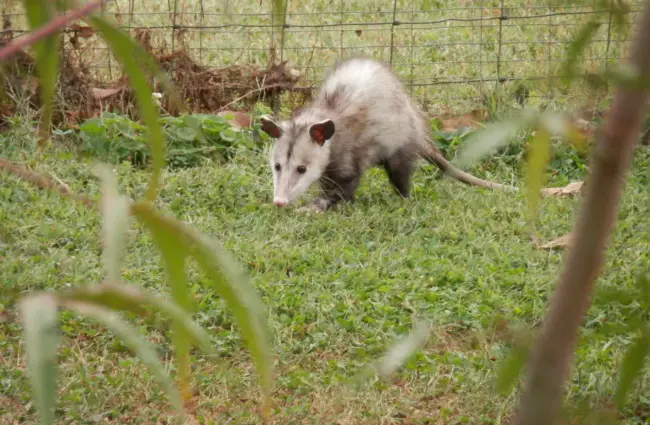
- Suburban and Urban Environments: Increasingly common, as they adapt to human presence, finding shelter under decks, in sheds, or even in attics, and foraging in gardens and trash cans.
- Wetlands: Areas near streams, rivers, and swamps are also favored.
To increase your chances of an encounter, remember these tips:
- Go Out at Night: Opossums are strictly nocturnal, meaning they are most active from dusk until dawn.
- Look for Signs: Keep an eye out for tracks (five toes on both front and hind feet, often with a distinct thumb print on the hind foot), scat, or disturbed trash cans.
- Check Near Water Sources: They often forage near water.
- Be Patient and Quiet: Observe from a distance, using a red-light flashlight if necessary, as red light is less disruptive to nocturnal animals.
The Ultimate Omnivore: Opossum Diet and Ecological Role
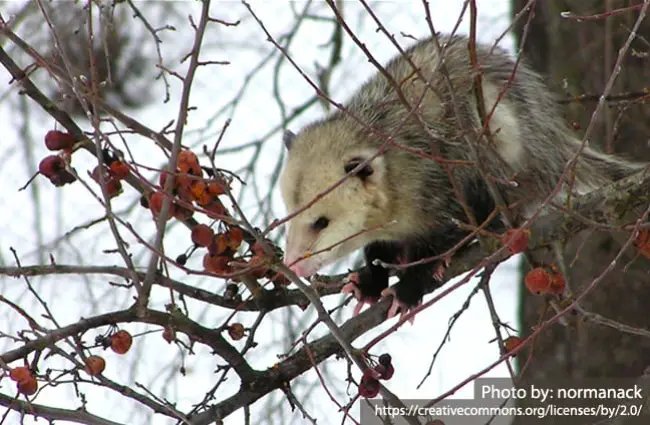
The opossum’s success is largely attributed to its incredibly diverse and opportunistic diet. They are true omnivores, eating almost anything they can find, which makes them excellent ecological cleanup crews.
What’s on the Menu?
An opossum’s diet can include:
- Insects: Crickets, grasshoppers, beetles, and even cockroaches.
- Small Mammals: Mice, voles, and shrews.
- Birds and Eggs: Ground-nesting birds and their clutches.
- Reptiles and Amphibians: Frogs, lizards, and snakes.
- Carrion: Deceased animals, which helps clean up the environment.
- Fruits and Berries: Apples, berries, grapes, and other seasonal produce.
- Grains and Nuts: Corn, acorns, and various seeds.
- Garden Produce: Vegetables from human gardens.
- Human Scraps: From trash cans and compost piles.
This varied diet highlights their crucial role as scavengers and pest controllers, consuming insects, rodents, and carrion that might otherwise spread disease. Their contribution to ecosystem health is often overlooked.
Remarkable Adaptations: Behavior and Survival Strategies
Opossums possess a suite of unique behaviors and physical adaptations that have ensured their survival for millions of years.
“Playing Possum”: A Masterclass in Deception
Perhaps their most famous defense mechanism is “playing possum,” a state of involuntary feigning death. When severely threatened, an opossum may collapse, enter a catatonic state, and appear lifeless. This involves:
- Falling onto its side.
- Becoming rigid.
- Drooling excessively.
- Excreting a foul-smelling, greenish fluid from its anal glands.
- Its heart rate and breathing slow dramatically.
This physiological response can last anywhere from a few minutes to several hours, effectively deterring predators who prefer live prey. It is not a conscious decision but an automatic, stress-induced reaction.
Prehensile Tail and Opposable Thumbs
Their long, scaly tail is fully prehensile, meaning it can grasp objects and branches, acting like a fifth limb. While young opossums can hang by their tails for short periods, adults are generally too heavy to do so for long. They use it primarily for balance when climbing and for carrying nesting materials. Furthermore, opossums possess opposable thumbs on their hind feet, providing an excellent grip for climbing trees and navigating complex terrain.
Immunity to Venom
Opossums exhibit a remarkable partial or full immunity to the venom of many snakes, including rattlesnakes and cottonmouths. This allows them to prey on venomous snakes, further contributing to their diverse diet and ecological role.
Solitary and Nocturnal Lifestyle
Opossums are largely solitary animals, preferring to live alone except during mating season. Their nocturnal habits mean they are most active under the cover of darkness, which helps them avoid many diurnal predators and human interaction.
The Miracle of the Pouch: Mating and Reproduction
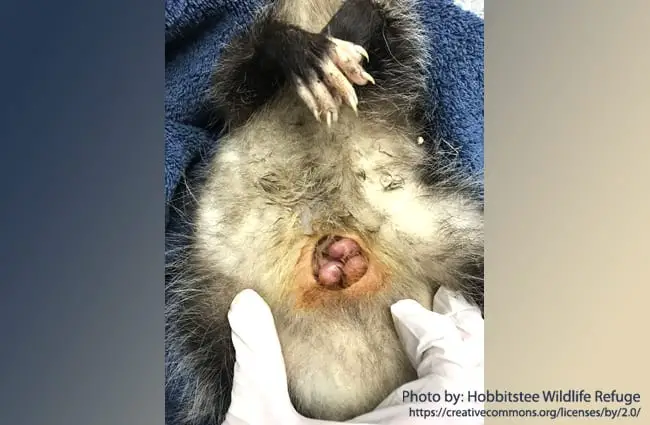
As marsupials, opossums have a unique reproductive strategy centered around the pouch, or marsupium.
A Rapid Start to Life
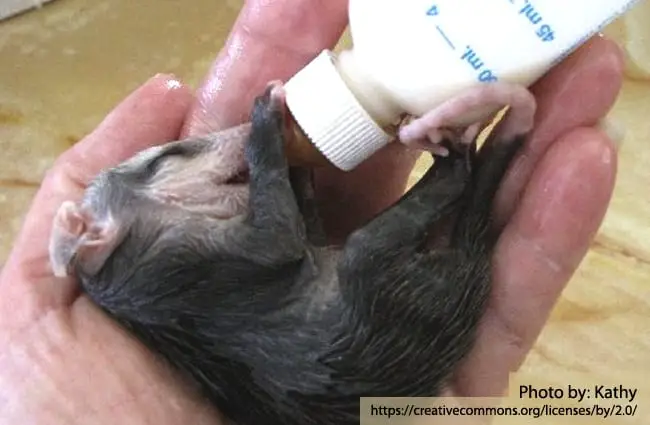
Opossums have a remarkably short gestation period, lasting only about 12 to 14 days. After this brief period, the mother gives birth to a large litter of extremely underdeveloped young, known as joeys. These joeys are incredibly tiny, often no bigger than a jelly bean, blind, hairless, and weighing less than a gram.
The Journey to the Pouch
Immediately after birth, these miniature joeys must embark on a perilous journey. Using their strong front limbs and an innate sense of direction, they crawl unaided through their mother’s fur to reach her pouch. Once inside, each joey latches onto one of the mother’s 13 teats. The teat swells in their mouth, securing them in place for several weeks.
Life in the Marsupium
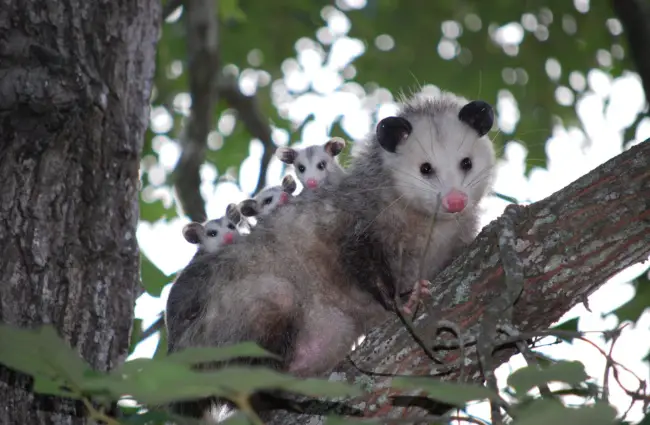
The joeys remain in the safety and warmth of the pouch for approximately 50 to 70 days, nursing and developing rapidly. During this time, their eyes open, fur grows, and they begin to resemble miniature opossums. Once they outgrow the pouch, they often ride on their mother’s back, clinging to her fur as she forages, until they are old enough to fend for themselves, typically around 3 to 4 months of age. Opossums can have one to three litters per year, depending on the climate and food availability.
Opossums and Us: Interaction with Humans
Opossums are increasingly common residents in suburban and urban areas, leading to frequent encounters with humans.
What to Do if You Encounter an Opossum
If you encounter an opossum in your yard or while hiking, the best course of action is to:
- Observe from a Distance: Appreciate them from afar. They are generally shy and non-aggressive.
- Do Not Approach or Touch: Like any wild animal, they can bite if they feel threatened.
- Leave Them Alone: If they appear to be “playing possum,” simply leave them undisturbed. They will recover and move on when they feel safe.
- Secure Food Sources: To prevent them from becoming regular visitors, secure trash cans, remove pet food left outdoors, and clean up fallen fruit.
- Contact Professionals if Injured: If you find an injured or orphaned opossum, contact a local wildlife rehabilitator. Do not attempt to care for it yourself.
Opossums are generally not a threat to pets, though they may eat pet food if left out. They are also less likely to carry rabies than other mammals due to their lower body temperature, which makes it difficult for the rabies virus to thrive.
The Opossum’s Unsung Contributions: Ecosystem and Other Animals
Beyond their role as scavengers, opossums provide several invaluable services to their ecosystems and other creatures.
Nature’s Clean-Up Crew
By consuming carrion, opossums help prevent the spread of diseases that could arise from decaying animal carcasses. They also control populations of insects and rodents, acting as a natural form of pest management.
Tick Terminators
One of their most significant, and often celebrated, contributions is their voracious appetite for ticks. Studies have shown that a single opossum can consume and destroy thousands of ticks in a season, including those carrying Lyme disease. They are meticulous groomers and effectively remove ticks from their fur, ingesting them in the process. This makes them an unexpected ally in the fight against tick-borne illnesses.
Seed Dispersal
While consuming fruits and berries, opossums inadvertently aid in seed dispersal, helping to propagate plants and maintain forest health.
Predator-Prey Dynamics
Despite their defensive strategies, opossums are prey for a variety of animals, including owls, foxes, coyotes, and large snakes. This places them firmly within the food web, contributing to the balance of predator and prey populations.
Caring for Opossums in Captivity: A Zookeeper’s Guide
For zookeepers or wildlife rehabilitators, caring for opossums requires specific knowledge to ensure their well-being.
Dietary Management
A captive opossum’s diet should mimic its natural omnivorous tendencies. This includes:
- High-Quality Commercial Diet: A base of specialized omnivore or marsupial chow.
- Fresh Fruits and Vegetables: A wide variety, such as apples, bananas, berries, sweet potatoes, carrots, and leafy greens.
- Protein Sources: Cooked lean meats, hard-boiled eggs, insects (crickets, mealworms), and small amounts of cooked chicken or fish.
- Calcium Supplementation: Essential to prevent metabolic bone disease, often provided through calcium powder dusted on food.
- Avoid: Sugary foods, chocolate, avocado, onions, garlic, and excessive amounts of dairy.
Enclosure Requirements
Opossums are solitary and nocturnal, requiring an enclosure that caters to these needs:
- Spaciousness: Ample room for climbing, exploring, and foraging.
- Climbing Structures: Branches, ropes, and ledges to utilize their arboreal skills.
- Hiding Spots: Multiple secure dens or nest boxes for sleeping during the day and feeling safe.
- Substrate: A deep layer of bedding (e.g., cypress mulch, shredded paper) for digging and enrichment.
- Water Source: A shallow, heavy water dish that cannot be easily tipped.
- Temperature Control: Maintain a moderate temperature, avoiding extremes, as they are susceptible to frostbite on their ears and tail in very cold conditions.
Socialization and Enrichment
As solitary animals, opossums generally do not require social interaction with other opossums, except for breeding pairs. Enrichment is crucial for their mental and physical health:
- Foraging Opportunities: Hiding food in various locations, puzzle feeders, or scattering food to encourage natural foraging behaviors.
- Novel Objects: Introducing new scents, textures, and objects for exploration.
- Climbing Challenges: Rearranging branches or adding new climbing structures.
- Sensory Enrichment: Providing safe, natural items like leaves, dirt, or non-toxic branches.
Health Considerations
Regular veterinary check-ups are vital. Common health issues can include:
- Metabolic Bone Disease: Preventable with proper diet and calcium supplementation.
- Parasites: Internal and external parasites require regular monitoring and treatment.
- Dental Issues: Can arise from improper diet.
- Frostbite: On ears and tail if exposed to extreme cold.
A clean environment and a balanced diet are paramount to preventing many common ailments.
Opossums in Human Culture
Despite their ecological importance, opossums often receive a mixed reception in human culture. The phrase “playing possum” is deeply ingrained in our language, signifying feigned ignorance or helplessness. In some folklore, they are depicted as clever tricksters, while in others, they are seen as pests. Their unique appearance and behaviors have certainly left an indelible mark on our collective consciousness, even if often misunderstood.
A Huge List of Interesting Opossum Facts
Here is a collection of fascinating facts that highlight the opossum’s unique place in the animal kingdom:
- Opossums are the only marsupials native to North America.
- They have an average lifespan of only 1 to 2 years in the wild, though they can live longer in captivity.
- Their body temperature is unusually low for a mammal, typically around 94-97 degrees Fahrenheit, which makes them highly resistant to rabies.
- Opossums have 50 teeth, more than any other North American land mammal.
- Their hind feet have a thumb-like digit (hallux) that lacks a claw and is opposable, aiding in climbing.
- The “playing possum” defense mechanism is involuntary, a physiological response to extreme stress.
- They are immune or highly resistant to the venom of many snakes, including rattlesnakes and cottonmouths.
- A single opossum can consume thousands of ticks in a season, significantly reducing tick populations.
- Baby opossums, called joeys, are born incredibly underdeveloped, about the size of a jelly bean.
- They have a prehensile tail used for balance and carrying nesting materials, but adults rarely hang by it for long periods.
- Opossums are nocturnal, meaning they are active at night.
- They are solitary animals, preferring to live alone.
- Their diet is incredibly omnivorous, including insects, fruits, carrion, and even small rodents.
- Opossums are ancient creatures, with ancestors dating back to the time of dinosaurs.
- They have a poor memory for visual cues but an excellent memory for food sources.
- Despite their appearance, they are generally clean animals, meticulously grooming themselves.
- They can be found in a wide range of habitats, from forests to urban areas.
- Opossums are opportunistic nesters, using abandoned burrows, hollow logs, or even human structures for shelter.
- They have bare ears and tails, making them susceptible to frostbite in extremely cold climates.
- Their scientific name, Didelphis virginiana, means “double womb” and refers to their marsupial nature.
Conclusion: Appreciating Our Resilient Neighbors
The opossum, with its ancient lineage, remarkable adaptations, and vital ecological contributions, is far more than just a common backyard visitor. It is a testament to nature’s ingenuity, a master of survival, and an unsung hero in our shared ecosystems. By understanding and appreciating these unique marsupials, we can foster a more harmonious coexistence and ensure that these fascinating creatures continue to thrive for generations to come. So, the next time you spot an opossum, remember the incredible story behind its unassuming gaze and recognize the invaluable role it plays in the natural world.
![Closeup of a beautiful Red Angus cowPhoto by: U.S. Department of Agriculture [pubic domain]https://creativecommons.org/licenses/by/2.0/](https://animals.net/wp-content/uploads/2020/03/Red-Angus-4-238x178.jpg "Red Angus")
![Closeup of a beautiful Red Angus cowPhoto by: U.S. Department of Agriculture [pubic domain]https://creativecommons.org/licenses/by/2.0/](https://animals.net/wp-content/uploads/2020/03/Red-Angus-4-100x75.jpg "Red Angus")