
The American Mustang, a symbol of untamed freedom and the enduring spirit of the American West, gallops across the vast landscapes of North America, captivating the imagination of all who witness its majestic presence. These magnificent animals, often mistakenly called “wild horses,” are in fact feral, descendants of horses brought to the Americas centuries ago. Yet, their ability to thrive in harsh environments, their complex social structures, and their profound impact on both ecosystems and human culture make them subjects of endless fascination.
Join us on a journey to explore the world of the Mustang, from its ancient origins to its modern-day challenges, uncovering the secrets of its survival and its place in the natural world.
What Exactly is a Mustang?
The term “Mustang” derives from the Spanish word mestengo, meaning “ownerless animal” or “stray.” These horses are not indigenous to the Americas in their current form, but rather are the descendants of horses brought to the New World by Spanish explorers and conquistadors starting in the 16th century. Over generations, some of these horses escaped or were released, forming free-roaming populations that adapted remarkably to the North American wilderness. They are, therefore, considered feral horses, meaning they are domesticated animals that have returned to a wild state.
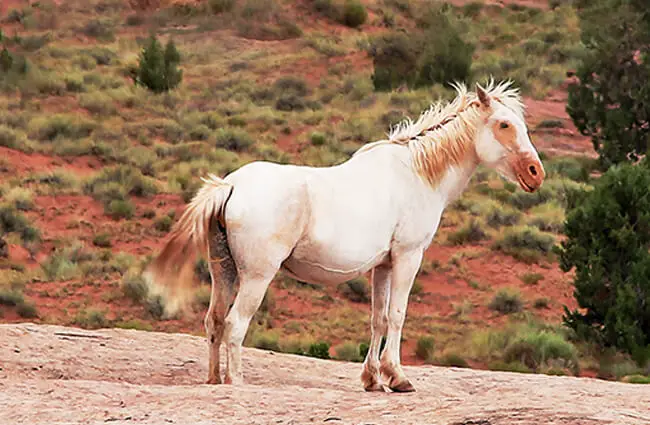
Despite their feral status, Mustangs exhibit many characteristics of truly wild equids, including strong herd instincts, keen senses, and an impressive resilience. They are typically compact and muscular, built for endurance and agility, with a wide variety of coat colors reflecting their diverse genetic heritage.
Where Do Mustangs Roam? The Mustang’s Habitat
Mustangs are primarily found in the western United States, inhabiting vast, open rangelands managed by the Bureau of Land Management (BLM) and other federal agencies. Their preferred habitats are diverse, ranging from arid deserts and semi-arid grasslands to mountainous terrains and sagebrush steppe. These areas are characterized by sparse vegetation, limited water sources, and extreme weather conditions, demanding incredible adaptability from the horses.
Key states with significant Mustang populations include:
- Nevada (home to the largest populations)
- Wyoming
- Oregon
- Utah
- California
- Idaho
- Montana
- Arizona
- Colorado
- New Mexico
Finding Mustangs in the Wild
For the dedicated animal lover hoping to witness these magnificent creatures in their natural environment, several approaches can increase your chances. The most reliable way is to visit designated Wild Horse and Burro Management Areas (HMAs) or Herd Areas (HAs) administered by the BLM. These areas are specifically managed for wild horse populations. Many offer viewing opportunities, often with designated overlooks or guided tours.
When planning a trip:
- Research Specific HMAs: Some HMAs are known for higher visibility or specific herd characteristics. Websites like the BLM’s official site provide maps and information.
- Timing is Key: Early mornings and late afternoons are often the best times for viewing, as horses are more active during cooler parts of the day.
- Be Patient and Respectful: Mustangs are wary animals. Use binoculars or a spotting scope to observe them from a distance. Never approach them closely.
- Look for Water Sources: In arid regions, horses will often congregate near water holes, springs, or rivers, especially during dry seasons.
- Consider Guided Tours: Local outfitters in areas like Nevada or Wyoming often offer guided tours specifically designed for wild horse viewing, increasing your chances of a sighting and providing expert insights.
A Glimpse into Mustang Life: Social Structure and Daily Routines
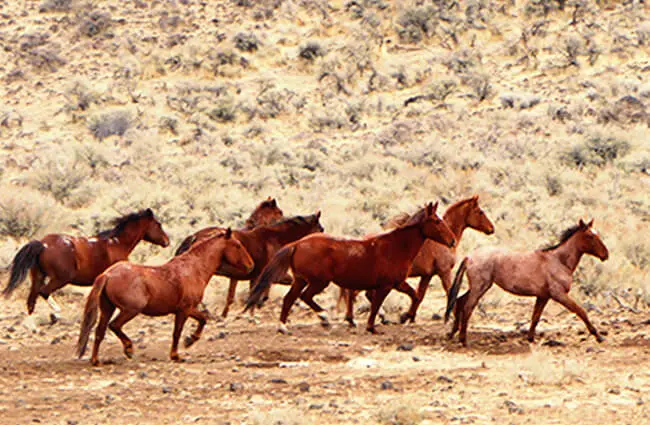
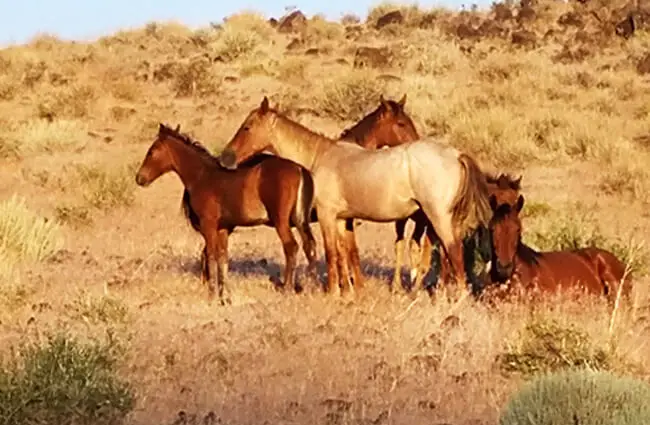
Mustangs live in highly organized social groups, primarily in what are known as “harem bands.” A typical harem band consists of a dominant stallion, several mares, and their offspring. The stallion’s primary role is to protect his band from predators and rival stallions, as well as to ensure breeding opportunities. However, it is often the lead mare, an older and experienced female, who guides the band to food, water, and safe resting places, demonstrating remarkable leadership.
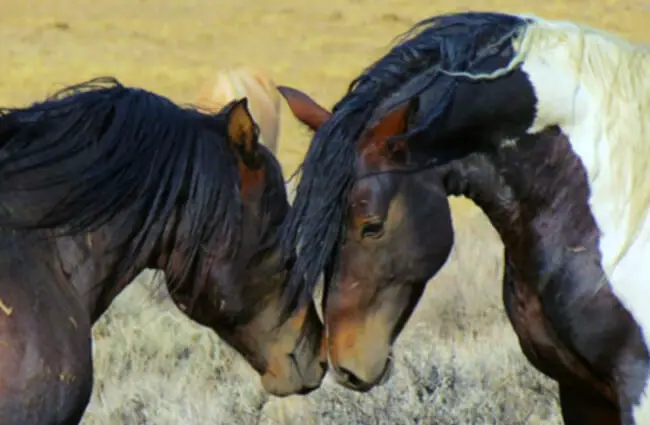
Young males, or colts, are eventually driven out of their birth bands by the dominant stallion, usually around two to three years of age. These bachelors then form “bachelor bands,” groups of young stallions that roam together, honing their fighting skills and waiting for an opportunity to challenge an older stallion for control of a harem or to acquire mares of their own. This dynamic social structure ensures genetic diversity and the survival of the fittest.
Daily life for a Mustang herd revolves around foraging, seeking water, resting, and maintaining social bonds. They are constantly on the move, covering vast distances to find sustenance. Grooming, playful interactions among foals, and vigilant watchfulness against threats are all integral parts of their existence.
The Mustang’s Menu: What Do They Eat?
Mustangs are herbivores, and their diet primarily consists of the vegetation available in their arid and semi-arid habitats. They are opportunistic grazers and browsers, meaning they will consume a variety of plant matter depending on what is seasonally available and most nutritious.
- Grasses: The staple of their diet, including various native and introduced grasses.
- Forbs: Broad-leafed herbaceous plants, often consumed for their higher nutrient content.
- Shrubs: In times of scarcity, especially during droughts or winter, Mustangs will browse on the leaves and twigs of shrubs like sagebrush, which provides essential moisture and nutrients.
Their digestive systems are highly adapted to process fibrous plant material, and they can extract moisture from vegetation, allowing them to survive for extended periods without direct access to water, though regular hydration is crucial for their health. This adaptability to a varied and often sparse diet is a key factor in their survival in challenging environments.
Love and Legacy: Mustang Mating and Reproduction
The reproduction cycle of Mustangs is a fascinating display of natural selection and instinct. Breeding typically occurs in the spring and early summer, coinciding with the availability of lush forage that supports pregnant mares and lactating mothers.
- Courtship: Stallions will actively herd and guard their mares, often engaging in elaborate displays of dominance and vocalizations to attract and retain them. They will chase away rival stallions and attempt to steal mares from other bands.
- Gestation: After a gestation period of approximately 11 months, a single foal is usually born. Twin births are rare and often result in complications.
- Foaling: Mares typically seek a secluded spot to give birth, usually at night or in the early morning, to minimize the risk of predation. Foals are precocial, meaning they are born relatively mature and able to stand and nurse within hours of birth, a critical adaptation for survival in the wild.
- Parental Care: The mare is highly protective of her foal, and the entire band contributes to its safety. Foals stay with their mothers for at least a year, learning essential survival skills from the herd.
- Stallion’s Role: While the mare provides direct care, the stallion’s role in reproduction extends beyond mating. He defends the band, ensuring the safety of the mares and foals, and contributes to the overall genetic health of the herd by passing on strong traits.
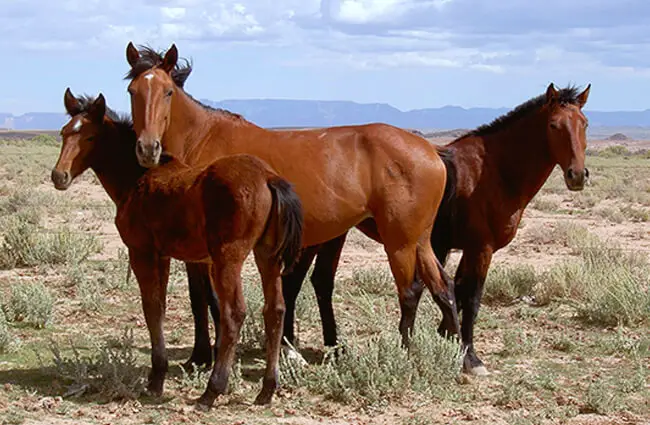
Mustangs in the Wild West Ecosystem: Interactions and Contributions
Mustangs play a significant role in the ecosystems they inhabit, acting as both grazers and, occasionally, prey. Their presence influences vegetation patterns, soil health, and the distribution of other wildlife.
- Grazing Impact: As large herbivores, Mustangs consume vast amounts of plant material. In balanced populations, this grazing can stimulate plant growth and help maintain grassland ecosystems. However, in areas with overpopulation, intense grazing can lead to habitat degradation, soil erosion, and competition with native wildlife and livestock for resources.
- Seed Dispersal: By consuming plants and moving across the landscape, Mustangs contribute to seed dispersal, helping to spread plant species across their range.
- Prey for Predators: While adult Mustangs are formidable, foals and weaker individuals can fall prey to large carnivores such as mountain lions and wolves (where present). This interaction is a natural part of the food web, helping to regulate predator populations and maintain ecosystem balance.
- Water Sources: In some arid regions, Mustangs can dig for water, creating water holes that benefit other wildlife.
The interaction between Mustangs and other animals is complex. They share habitats with deer, elk, pronghorn, various bird species, and smaller mammals. While competition for forage can occur, particularly during droughts, Mustangs are also an integral part of the dynamic Western ecosystem.
A Journey Through Time: Mustang Evolution
The evolutionary history of horses in North America is a fascinating saga. Horses actually originated on this continent millions of years ago, evolving from small, multi-toed ancestors. These ancient horses migrated to Asia across the Bering land bridge and spread throughout the Old World. However, for reasons still debated by scientists, horses became extinct in North America approximately 10,000 to 12,000 years ago, at the end of the last Ice Age.
The return of horses to North America came with the Spanish in the 16th century. The Mustangs we see today are direct descendants of these Iberian horses, primarily of Spanish Barb and Andalusian lineage. Over centuries, natural selection has shaped them into hardy, self-sufficient animals perfectly suited for the challenging Western landscape. While not “wild” in the sense of never having been domesticated, their feral existence has allowed them to re-evolve many traits necessary for survival without human intervention, making them a unique living link to a complex evolutionary past.
Mustangs and Humanity: A Complex Relationship
The Mustang’s story is inextricably linked with human history and culture in North America. From their arrival with the Spanish to their role in Native American cultures and their iconic status in cowboy lore, these horses have left an indelible mark.
- Native American Culture: Horses revolutionized the lives of many Native American tribes, particularly those of the Great Plains, transforming hunting, warfare, and travel. Tribes like the Comanche, Lakota, and Nez Perce became master horsemen, developing deep spiritual and practical connections with these animals.
- Symbol of the West: For settlers and cowboys, the Mustang represented freedom, resilience, and the spirit of the frontier. They were often captured and broken for ranch work, transportation, and cavalry.
- Modern Management and Conservation: Today, the relationship is complex. While revered, Mustang populations on public lands are managed by the BLM under the Wild Free-Roaming Horses and Burros Act of 1971. This act mandates protection for these animals as “living symbols of the historic and pioneer spirit of the West.” However, managing their numbers to prevent overgrazing and ensure ecosystem health is a continuous challenge, often involving roundups and adoption programs.
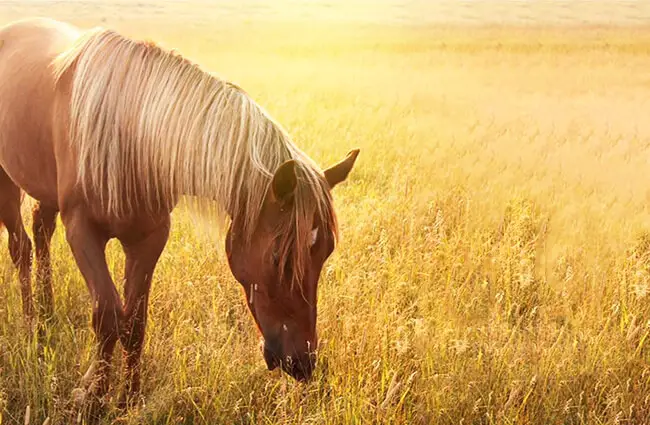
Encountering a Mustang in the Wild: What to Do
Encountering a Mustang in its natural habitat is an unforgettable experience. However, it is crucial to remember that these are wild animals and should be treated with respect and caution. For hikers and outdoor enthusiasts, here are essential guidelines:
- Maintain Distance: Always keep a safe and respectful distance, at least 100 feet (30 meters) or more. Use binoculars for close-up viewing.
- Never Feed Them: Feeding wild animals can habituate them to humans, leading to aggressive behavior and making them vulnerable. It can also introduce unnatural foods that harm their digestive systems.
- Avoid Sudden Movements: Move slowly and predictably. Loud noises or sudden gestures can startle horses, potentially leading to a stampede or defensive reaction.
- Observe Body Language: Pay attention to their ears, tail, and posture. Pinned ears, a swishing tail, or a lowered head can indicate agitation or aggression. If a horse seems agitated, slowly back away.
- Give Them Space: If you find yourself on a trail that a herd is using, wait patiently for them to move on. Do not try to herd or drive them.
- Protect Water Sources: If you are near a water source, be mindful that horses will need access. Do not block their path or contaminate the water.
Remember, your safety and the well-being of the Mustangs depend on responsible viewing practices.
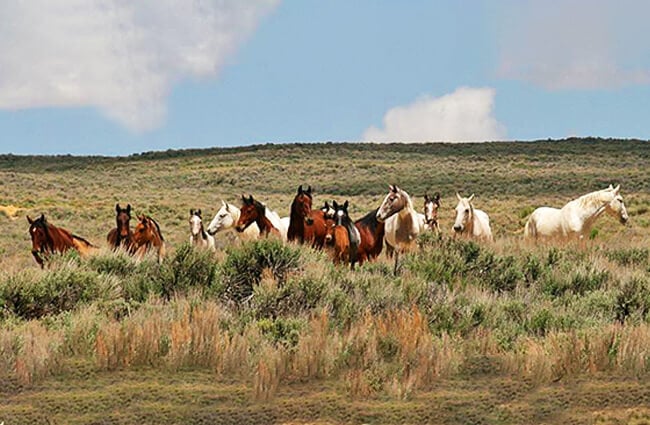
Caring for a Captive Mustang: A Zookeeper’s Guide
Caring for a Mustang in a captive environment, such as a zoo or sanctuary, requires a deep understanding of their natural behaviors and needs. While they can be gentled and trained, their inherent wild instincts remain. Zookeepers must strive to replicate their natural environment as much as possible.
- Diet and Nutrition:
- Forage-Based: The primary diet should be high-quality hay, mimicking the grasses and forbs they consume in the wild.
- Supplements: Depending on the hay analysis and the individual horse’s needs, mineral and vitamin supplements may be necessary.
- Limited Grains: Grains should be fed sparingly, if at all, as Mustangs are not adapted to rich diets and can easily develop metabolic issues like laminitis.
- Constant Water Access: Fresh, clean water must always be available.
- Social Environment:
- Herd Living: Mustangs are highly social animals. They thrive in herd environments. Ideally, they should be housed with other equids, preferably other Mustangs or compatible horses, to fulfill their social needs.
- Group Dynamics: Monitor group dynamics closely to ensure compatibility and prevent bullying.
- Habitat and Enrichment:
- Large Enclosures: Provide ample space for running, grazing, and natural behaviors.
- Varied Terrain: Incorporate natural elements like hills, rocks, and different substrates to encourage movement and hoof health.
- Shelter: Offer protection from extreme weather, such as run-in sheds or natural windbreaks.
- Enrichment: Provide opportunities for mental and physical stimulation, such as puzzle feeders, toys, and varied foraging opportunities.
- Veterinary Care:
- Regular Check-ups: Routine veterinary examinations are essential, including dental care and deworming.
- Hoof Care: Regular farrier visits are crucial, as captive Mustangs may not wear down their hooves as naturally as their wild counterparts.
- Vaccinations: Administer appropriate vaccinations to protect against common equine diseases.
- Handling and Training:
- Patience and Consistency: Gentling a Mustang requires immense patience, consistency, and a deep understanding of equine behavior.
- Positive Reinforcement: Use positive reinforcement methods to build trust and encourage desired behaviors.
- Avoid Over-Domestication: While training for necessary husbandry tasks is important, avoid over-domestication that could strip them of their natural instincts, especially if they are part of a breeding program aimed at preserving wild traits.
Fascinating Mustang Facts
The world of the Mustang is rich with intriguing details. Here is a collection of facts that highlight their unique characteristics and history:
- Mustangs are not a specific breed but rather a type of horse, defined by their free-roaming status and Spanish ancestry.
- The average Mustang stands between 13.2 and 15 hands (54 to 60 inches) tall and weighs between 700 and 800 pounds.
- They possess incredible endurance, capable of traveling long distances over rough terrain.
- Mustangs have a strong flight instinct, relying on their speed and herd cohesion to escape predators.
- Their coat colors are incredibly diverse, including bay, black, chestnut, gray, palomino, buckskin, roan, and pinto patterns.
- A lead mare, often the oldest and most experienced female, typically guides the herd to food and water.
- Mustangs communicate through a complex system of vocalizations, body language, and scent marking.
- The Bureau of Land Management (BLM) manages over 27 million acres of public land for wild horses and burros.
- Mustang adoption programs allow individuals to provide homes for horses removed from public lands.
- Some Mustangs, particularly those from isolated herds, retain genetic markers closely linked to their Spanish ancestors.
- They can live for 20 to 30 years in the wild, though life expectancy can be shorter due to harsh conditions.
- The term “Mustang” is often used metaphorically to describe anything wild, free, or untamed.
- Mustangs have a keen sense of smell, which helps them locate water and detect predators.
- Their vision is excellent, with eyes positioned on the sides of their heads, giving them a wide field of view to spot threats.
- Mustang foals can stand and run within hours of birth, a crucial survival adaptation.
The Enduring Spirit of the Mustang
From the arid plains to the rugged mountains, the Mustang continues to embody a powerful narrative of survival, adaptation, and freedom. While their status as feral animals presents unique management challenges, their historical significance and ecological role are undeniable. Understanding these magnificent creatures, respecting their wild nature, and appreciating their place in the tapestry of the American West is crucial for their continued legacy. Whether observed from a distance in their natural habitat or cared for in a sanctuary, the Mustang remains a living testament to resilience, forever galloping in the heart of the wild.
![Closeup of a beautiful Red Angus cowPhoto by: U.S. Department of Agriculture [pubic domain]https://creativecommons.org/licenses/by/2.0/](https://animals.net/wp-content/uploads/2020/03/Red-Angus-4-238x178.jpg "Red Angus")

![Closeup of a beautiful Red Angus cowPhoto by: U.S. Department of Agriculture [pubic domain]https://creativecommons.org/licenses/by/2.0/](https://animals.net/wp-content/uploads/2020/03/Red-Angus-4-100x75.jpg "Red Angus")


